
Discover North Dakota’s hidden history! These nine charming towns offer incredible stories, unique sights, and a true taste of the American West. Pack your bags for an adventure you won’t forget!
Hey there, fellow adventurers! Have you ever thought about North Dakota? It might not be the first place that pops into your head for a historic getaway, but let me tell you, it’s an absolute treasure trove of stories waiting to be uncovered. I recently explored some of its most fascinating towns, and honestly, I was blown away by the rich history and the genuine warmth of the people. It felt like stepping back in time, but with all the comforts of today.
Check the latest prices and available rooms before they sell out.
This guide is all about sharing those amazing finds with you. We’re going to dive into nine historic towns that are pure gems, each with its own unique charm and captivating past. Think old-west vibes, pioneer spirit, and breathtaking landscapes. I’ll give you the inside scoop on what makes each one special, what you absolutely can’t miss, and how to make your trip smooth, smart, and super fun. Get ready to fall in love with North Dakota’s historic heart!
Stepping Back in Time: 9 Historic Towns in North Dakota You Need to Visit
North Dakota has a way of whispering tales of the past if you just listen. From the rugged frontier days to the quiet strength of early settlers, history is etched into its landscapes and its towns. Forget the crowded tourist traps; these nine places offer an authentic glimpse into America’s heartland, rich with stories and charm.
1. Medora: The Rough Rider’s Retreat
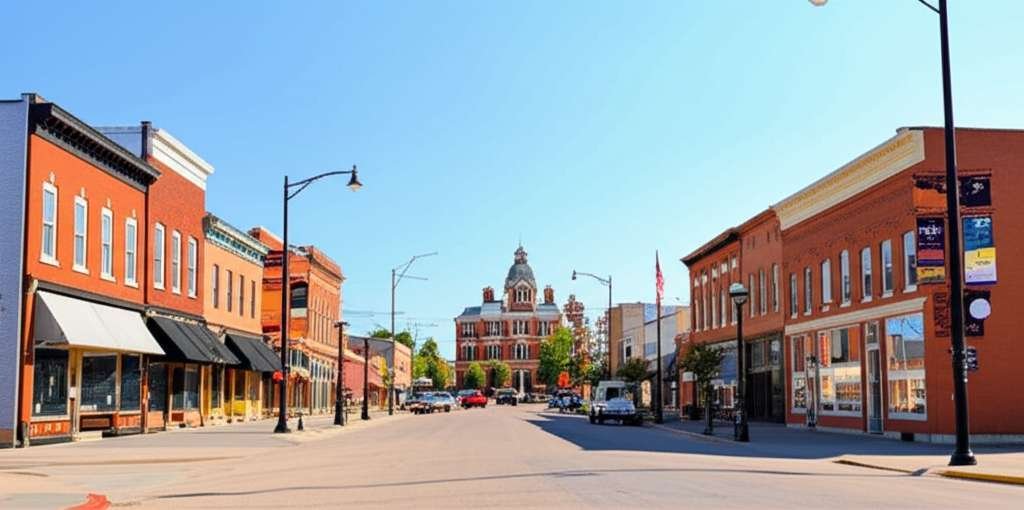
Imagine a town that feels like a movie set, plucked right out of the Old West. That’s Medora! This little town sits right at the edge of the stunning Theodore Roosevelt National Park, and its connection to Teddy Roosevelt himself is palpable. He loved this place so much, he even ranched here!
Walking through Medora is like a living history lesson. The buildings are preserved or authentically recreated, making you feel like you’ve stepped onto a frontier movie set. It’s more than just pretty; it’s a vibrant hub that celebrates the spirit of the American West.
What to Do in Medora:
- Visit the Maltese Cross Cabin: This was Teddy Roosevelt’s actual ranch home, preserved and open for tours. It’s a powerful reminder of his time here and his deep connection to the Badlands.
- Catch the Medora Musical: If you’re visiting in the summer, you have to see this. It’s a high-energy, patriotic show with singing, dancing, and a live band, all set against the backdrop of the Badlands. It’s pure entertainment!
- Explore Theodore Roosevelt National Park: Medora is your gateway to the South Unit of the park. Drive the scenic loop, hike among the buttes, and keep an eye out for bison and wild horses.
- Tour the Chateau de Mores: This historic mansion was built by a French nobleman who tried to create a beef empire. It’s a fascinating look at a different kind of pioneer spirit.
Local Bites to Try:
- Burgers and steaks are a must in this cowboy town!
- Don’t miss the famous “Pitchfork Fondue” during the Medora Musical season – it’s an experience!
2. Fort Union Trading Post National Historic Site: A Crossroads of Culture
Okay, so technically it’s a National Historic Site, but the visitor center and the reconstructed fort feel like a town in themselves, and it’s crucial to understanding North Dakota’s past. Fort Union was once the largest and most important fur trading post on the Upper Missouri River. Think bustling activity, diverse cultures, and the heart of a continent being traded.
Standing on the grounds where Native American tribes, trappers, and traders from all over met is pretty awe-inspiring. You can almost hear the echoes of conversations in different languages and the clatter of goods being exchanged. It’s a place that truly embodies the spirit of connection and commerce that shaped the West.
Find the Best Accommodation Deals
Compare prices from multiple booking platforms and find the best option for your stay.
Compare Hotel PricesDon’t Miss at Fort Union:
- Walk the reconstructed fort: See the living quarters, the storehouse, and imagine the daily life of those who worked and lived here.
- Talk to the living history interpreters: They often dress in period clothing and can share incredible stories and demonstrations.
- Visit the museum: Learn about the history of the fur trade and the Native American tribes who were central to it.
Travel Tip:
Fort Union is located near the border of North Dakota and Montana, right where the Missouri and Yellowstone Rivers meet. Plan a visit during the warmer months for the best experience, as many activities are seasonal.
3. Bismarck: Capitol City Charm with a Frontier Soul
As North Dakota’s capital, Bismarck offers a blend of modern amenities and deep historical roots. It’s situated on the banks of the mighty Missouri River, a waterway that has been a lifeline for centuries. You get the feel of a bustling city but with that signature North Dakota friendliness and a constant nod to its frontier past.
Find the Best Accommodation Deals
Compare prices from multiple booking platforms and discover the best stay options available.
⭐ Trusted by thousands of travelers
💰 Budget to luxury options available
What I loved about Bismarck is how history is woven into the fabric of the city. You can visit impressive government buildings, then turn a corner and find yourself at a site that played a key role in westward expansion. It’s accessible, engaging, and offers a great overview of the state’s journey.
Bismarck Highlights:
- North Dakota Heritage Center & State Museum: This is a must-visit! It’s a world-class museum covering everything from dinosaur fossils to the state’s political history and Native American heritage.
- State Capitol Building: Take a tour of this striking art deco building, known as the “Tower on the Plains.” The views from the observation deck are fantastic.
- On-A-Slant Village: Explore a reconstructed Mandan earthlodge village, offering a glimpse into the lives of the indigenous people who lived here for centuries before the arrival of Europeans.
- Fort Abraham Lincoln State Park: Just south of Bismarck, this park preserves the site of a U.S. Army fort that was home to Lt. Col. George Custer. You can explore reconstructed buildings and learn about military life on the frontier.
What to Eat in Bismarck:
- Try some classic American fare at local diners.
- Look for restaurants featuring bison burgers for a taste of the prairie.
4. Mandan: Echoes of the First People
Right across the Missouri River from Bismarck lies Mandan, a city that carries the name of the indigenous people who were among the first to inhabit this fertile river valley. Mandan has a strong connection to its Native American heritage, offering a deeper understanding of the region’s original stewards.
Exploring Mandan feels like uncovering layers of history. You sense the presence of the ancient Mandan villages and then see how the town grew alongside the railroad and agriculture. It’s a place that honors its past while looking forward.
Best Stay Deals Available
Compare prices across top booking platforms and find the best deal for your stay.
Check Available RoomsMandan’s Historic Spots:
- Mandan Depot: This historic train depot is a beautiful example of early 20th-century architecture and a reminder of the railroad’s impact on settlement.
- Fort Mandan: Visit the reconstruction of the fort built by the Lewis and Clark Expedition. It’s a significant site where the explorers spent their first winter and formed a crucial relationship with the Mandan people.
- Custer House: Located within Fort Abraham Lincoln State Park (technically in Mandan’s broader area), this is the fully restored home of General Custer and his wife, Libby.
Budget-Friendly Tip:
Many of Bismarck and Mandan’s historical attractions are quite affordable, especially the state museum and outdoor sites. Consider a joint visit to both cities to maximize your historical immersion without breaking the bank.
5. Fargo: Where History Meets Modern Vibrancy
Fargo might be known for its university and its surprisingly vibrant arts scene, but don’t let its modern energy fool you – this city has a rich history rooted in its role as a transportation hub and a gateway to the Great Plains. It’s a place where the past and present coexist beautifully.
I was so impressed by how Fargo embraces its history. You can wander through historic downtown streets, pop into quirky shops housed in old buildings, and then enjoy some of the best food and entertainment the state has to offer. It’s a city that’s alive with character.
Fargo’s Historical Gems:
- Hjemkomst Center: This unique center houses the Hjemkomst, a replica Viking ship sailed across the Atlantic, and a full-scale replica of a Norwegian Stave Church. It’s a testament to immigrant heritage.
- Bonanzaville, USA: This pioneer village showcases over a dozen historic buildings, including a schoolhouse, church, and general store, giving you a real feel for prairie life in the late 19th and early 20th centuries.
- Historic Downtown Fargo: Simply walking around the revitalized downtown area is an experience. Admire the architecture, browse the independent boutiques, and soak in the atmosphere.
Foodie Adventure in Fargo:
- Fargo has a fantastic food scene! Look for farm-to-table restaurants and enjoy the diverse culinary offerings.
- Don’t leave without trying some local craft beers.
6. Grand Forks: A River City with Deep Roots
Nestled on the banks of the Red River, Grand Forks has a history tied to the river trade, agriculture, and a strong sense of community. Its downtown area boasts beautiful historic architecture, and the University of North Dakota adds a youthful, energetic vibe to this charming city.
Grand Forks feels like a classic Midwestern town, but with layers of history that tell a story of resilience and growth. The Red River itself is a constant reminder of the natural forces that shaped the region and the lives of its people.
Explore Grand Forks:
- North Dakota Museum of Art: While focusing on contemporary art, its building and its mission often connect to the regional landscape and history.
- Kittson County Historical Museum (nearby in Hallock, MN): A short drive across the border offers a glimpse into early pioneer life in the Red River Valley.
- Historic Downtown Grand Forks: Stroll along DeMers Avenue and its side streets to admire the well-preserved buildings, many of which housed businesses that served the community for generations.
- Ralph Engelstad Arena: While modern, the arena is home to the UND Fighting Hawks hockey team, a legacy that’s deeply ingrained in the city’s culture and history.
Travel Hack:
Grand Forks is an excellent stop if you’re traveling along the northern tier of states. It offers a good balance of historical exploration and modern conveniences.
7. Pembina: The Gateway to the North
Pembina holds the distinction of being North Dakota’s oldest permanent settlement, established in 1812 by Lord Selkirk as part of his Red River Colony. Located right on the border with Manitoba, Canada, it’s a place steeped in fur trade history and early exploration.
Visiting Pembina feels like you’re standing at a historical crossroads. This was a vital point for travelers, traders, and settlers moving between the United States and Canada. The air here just hums with stories of journeys and beginnings.
Pembina’s Past:
- Pembina State Museum: Housed in the former U.S. Customs House, this museum tells the story of Pembina’s role as a key settlement, trading post, and transportation hub.
- Fort Pembina State Historic Site: Explore the grounds of a former U.S. Army fort that played a role in frontier defense and the Northwest Mounted Police.
- International Peace Garden (nearby): While not in Pembina itself, this beautiful garden straddles the US-Canada border and is a symbol of friendship, often visited by those traveling through Pembina.
Packing Essential:
North Dakota weather can be unpredictable. Pack layers, including a good windbreaker and comfortable walking shoes, no matter the season.
8. Jamestown: World’s Largest Buffalo and Prairie Heritage
Jamestown is famous for its colossal statue of a buffalo, but beyond that iconic landmark, it boasts a rich history tied to agriculture, early settlers, and the very spirit of the prairie. It’s a town that proudly showcases its heritage.
Jamestown offers that quintessential small-town feel, where history isn’t just in museums; it’s in the landscape and the community’s pride. The giant buffalo is a fun photo op, but the real treasures are the stories of the people who built this place.
Jamestown’s Story:
- World’s Largest Buffalo: Of course, you have to see “Tony”! It’s a quirky and fun landmark that represents the wild spirit of the plains.
- Fort Seward National Historic Site: Visit the site of a former U.S. Army post that served as a supply depot and cavalry post.
- James River Valley Heritage Day (seasonal): If you can time your visit, this event celebrates the area’s agricultural and pioneer history with demonstrations and activities.
- National Buffalo Museum: Located near the giant buffalo, this museum delves into the history and cultural significance of the American bison.
Best Time to Visit:
Late spring through early fall offers the most pleasant weather for exploring these historic towns. Summer brings festivals and outdoor activities, while fall offers beautiful foliage and fewer crowds.
9. Stanley: Oil Boom and Prairie Resilience
Stanley, located in northwestern North Dakota, has a fascinating history that includes its role in the state’s agricultural past and, more recently, its experience with the oil boom. It’s a town that has seen significant change but retains its core prairie character.
Stanley represents a different kind of North Dakota history – one of boom and bust, of hard work and adaptation. It’s a great place to understand how natural resources and economic shifts have shaped the modern Plains.
Discover Stanley:
- Mountrail County Historical Society Museum: Learn about the area’s agricultural roots, pioneer families, and the impact of the oil industry.
- Stanley’s Downtown: While not as overtly historic as some other towns, you can still find architecture reflecting different eras and get a feel for community life.
- Lake Stanley: A popular spot for recreation, offering a chance to enjoy the natural beauty that drew people to the area in the first place.
A Note on Getting Around:
While some towns have limited public transport, renting a car is highly recommended for exploring North Dakota’s historic gems. It offers the most flexibility to visit these dispersed locations and truly experience the open spaces.
Planning Your Historic North Dakota Adventure
Thinking about when to visit these incredible towns? North Dakota has distinct seasons, and each offers a different flavor.
Seasonal Guide to North Dakota’s Historic Towns
| Season | Best For | Notes |
|---|---|---|
| Spring (April-May) | Fewer crowds, wildflowers | Weather can be unpredictable; some outdoor attractions may still be opening. |
| Summer (June-August) | Warmest weather, festivals, outdoor shows (Medora Musical) | Peak tourist season; book accommodations in advance. |
| Fall (September-October) | Beautiful foliage, crisp air, harvest events | Ideal for comfortable exploration; can be a great time for photography. |
| Winter (November-March) | Snowy landscapes, cozy indoor activities | Many outdoor sites are closed or have limited access; driving can be challenging. |
Estimated Daily Budget (Per Person)
This is a rough guide, and your actual costs will vary based on your travel style and accommodation choices.
| Category | Budget Traveler ($) | Mid-Range Traveler ($$) | Comfort Traveler ($$$) |
|---|---|---|---|
| Accommodation | $60 – $90 (motels, budget inns) | $90 – $150 (standard hotels, B&Bs) | $150+ (boutique hotels, nicer resorts) |
| Food | $40 – $60 (diners, fast casual, groceries) | $60 – $90 (sit-down restaurants, cafes) | $90+ (fine dining, specialty restaurants) |
| Activities & Entrance Fees | $15 – $30 (some museums, park fees) | $30 – $50 (guided tours, more attractions) | $50+ (premium experiences, multiple sites) |
| Transportation (Gas/Local) | $10 – $20 (assuming own car, minimal local travel) | $20 – $30 (more driving, occasional taxi) | $30+ (more extensive travel, potential tours) |
| Total Estimated Daily | $125 – $200 | $200 – $320 | $320+ |
Frequently Asked Questions
Q: What’s the best time to visit these historic towns?
A: For the best weather and most activities, aim for late spring through early fall (May to October). Summer is lively, and fall offers beautiful scenery with fewer crowds.
Q: How do I get around without renting a car?
A: It’s challenging. While larger cities like Bismarck and Fargo have some local transit, getting between these historic towns is best done with a rental car. The distances can be significant, and many sites are off the main highways.
Q: What are some hidden gems nearby these towns?
A: