
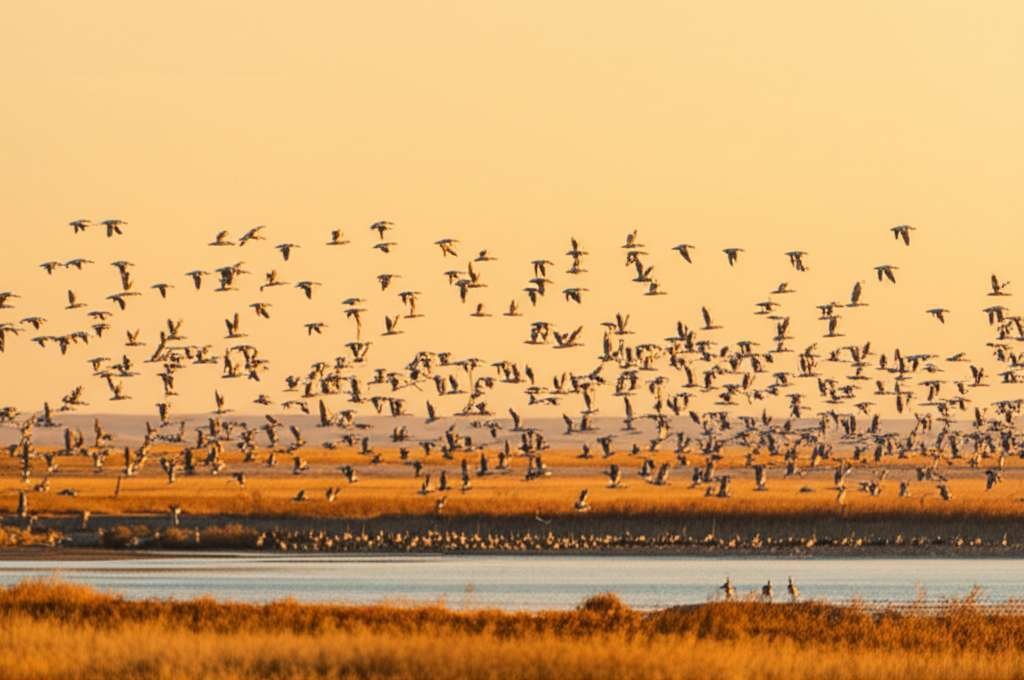
The best time to see cranes in Nebraska is during the spring migration, specifically from late February through early April. This is when millions of Sandhill Cranes gather along the Platte River, creating an unforgettable natural spectacle.
Imagine a sky filled with thousands of graceful birds, their calls echoing across the plains. It sounds magical, right?
Check the latest prices and available rooms before they sell out.
Nebraska is home to one of the most incredible wildlife events on Earth: the spring migration of Sandhill Cranes. Millions of these magnificent birds stop here on their journey north, and witnessing this can be a truly breathtaking experience.
But planning a trip to see them can feel a bit overwhelming, especially if it’s your first time. Where do you go? When exactly should you be there? Don’t worry, I’m here to help you plan a fantastic crane-watching adventure!
This guide will walk you through everything you need to know, from the prime viewing times to the best spots and tips for making your trip unforgettable. Get ready to discover the wonder of Nebraska’s cranes!
Why Nebraska is a Crane Hotspot
Nebraska holds a special place in the heart of the Sandhill Crane migration. Every spring, the Platte River valley transforms into a vital refueling station for these long-distance travelers.
These birds are on an epic journey, flying thousands of miles from their wintering grounds in the southern United States and Mexico all the way to their nesting areas in the Arctic. The shallow, sandy channels of the Platte River provide them with a safe place to roost overnight and access to abundant food sources like waste grain and small invertebrates.
It’s a critical stopover point, allowing them to build up the energy reserves they need for the final leg of their long flight. The sheer number of cranes that gather here is staggering, creating a natural phenomenon unlike any other.
Find the Best Accommodation Deals
Compare prices from multiple booking platforms and find the best option for your stay.
Compare Hotel PricesThe Golden Window: When to Visit
Timing is everything when it comes to seeing the cranes in Nebraska. While there are cranes in the area for a good portion of the year, there’s a specific period when their numbers swell to astonishing levels.
Spring Migration: The Main Event
The absolute best time to witness the Sandhill Crane migration in Nebraska is during the spring. This is when the largest congregations occur.
Find the Best Accommodation Deals
Compare prices from multiple booking platforms and discover the best stay options available.
⭐ Trusted by thousands of travelers
💰 Budget to luxury options available
The migration typically begins in late February and continues through early April. Peak numbers are often seen from the last week of February through the third week of March. This is when you can expect to see the most birds, with numbers sometimes reaching hundreds of thousands.
Fall Migration: A Smaller Show
While spring is the main attraction, there’s also a fall migration. This usually happens from September through November. However, the numbers are significantly smaller than in the spring, and the cranes are more spread out.
For the most dramatic and overwhelming viewing experience, spring is undoubtedly the time to go.
Best Stay Deals Available
Compare prices across top booking platforms and find the best deal for your stay.
Check Available RoomsNebraska’s Prime Crane-Viewing Locations
The Sandhill Cranes primarily gather along the central Platte River. Several key areas offer excellent viewing opportunities, each with its unique charm and amenities.
The Central Platte River Valley: The Heart of the Migration
This is the undisputed epicenter of the Sandhill Crane migration. The cranes prefer the shallow, open river channels for roosting at night and the surrounding agricultural fields and wetlands for feeding during the day.
The stretch of the Platte River from near Lexington to near Kearney is where you’ll find the largest concentrations. Several towns in this region serve as great bases for exploration.
Key Viewing Areas and Towns:
- Kearney, Nebraska: Often considered the “Crane Capital of the World,” Kearney is a fantastic hub. It offers numerous viewing blinds, nature centers, and lodging options. The nearby Rowe Sanctuary is a must-visit.
- Grand Island, Nebraska: Another excellent base with good access to viewing areas. The Stuhr Museum of the Prairie Pioneer often has crane-related exhibits.
- Gibbon, Nebraska: This smaller town is close to some prime roosting and feeding areas and offers a quieter experience.
- Chaplin Nature Center (Near Geneva): While a bit further east, this center offers great opportunities and educational programs.
- Fort Kearny State Recreation Area: Located near Kearney, this area provides access to the river and trails for observation.
Getting Close: Viewing Blinds and Sanctuaries
To get the best views without disturbing the birds, many organizations and private landowners have set up dedicated viewing blinds or blinds available for reservation.
- Audubon’s Rowe Sanctuary (Near Kearney): This is perhaps the most famous and well-managed viewing location. They offer guided tours and blinds by reservation, ensuring a respectful and incredible experience. It’s highly recommended to book in advance!
- The Crane Trust (Near Wood River): The Crane Trust also manages lands along the Platte River and offers educational programs and viewing opportunities. Check their website for current offerings.
- Public Access Points: Many areas along the river offer public access. While you might not have a dedicated blind, you can often find good vantage points from bridges or designated pull-offs. Always maintain a safe distance and respect private property.
Planning Your Crane-Watching Trip: A Step-by-Step Guide
Ready to plan your unforgettable Nebraska crane adventure? Follow these simple steps to make sure you have the best possible experience.
Step 1: Choose Your Dates
As we discussed, the prime time is late February through early April. To maximize your chances of seeing peak numbers, aim for the last week of February to the third week of March.
Consider the time of day. Cranes typically gather in their roosting spots on the river just before sunset and depart just after sunrise. These are the most dramatic times to observe them.
Step 2: Book Your Accommodation
Nebraska’s crane season is popular! It’s essential to book your lodging well in advance, especially if you plan to visit during peak weeks.
- Towns like Kearney, Grand Island, and Lincoln offer a range of hotels, motels, and vacation rentals.
- Book at least 3-6 months in advance for the best selection and prices.
Step 3: Secure Viewing Blinds or Tours
For the most intimate and well-guided experience, reserve a spot in a viewing blind or book a guided tour.
- Rowe Sanctuary and The Crane Trust are excellent options. Visit their official websites to check availability and make reservations.
- Book these well in advance as spots are limited and fill up quickly.
Step 4: Pack Smart for Nebraska Weather
Nebraska weather in late winter and early spring can be unpredictable. Be prepared for a variety of conditions.
- Layered Clothing: Pack warm layers like thermal underwear, fleeces, and a waterproof/windproof outer jacket.
- Warm Accessories: Include hats, gloves, and scarves.
- Comfortable Footwear: You might be doing some walking, so bring sturdy, comfortable shoes. Waterproof boots are a good idea.
- Binoculars or Spotting Scope: Essential for getting close-up views of the birds without disturbing them.
- Camera: You’ll want to capture the incredible sights!
- Snacks and Water: Especially if you’re heading out to a blind early or late.
- Field Guide: To help identify different bird species you might see.
Step 5: Familiarize Yourself with Viewing Etiquette
Respecting the wildlife and their habitat is crucial for a positive experience and for the conservation of these amazing birds.
- Maintain Distance: Never approach the cranes too closely. Use your binoculars or camera zoom.
- Stay Quiet: Avoid loud noises that could startle the birds.
- Follow Instructions: If you are on a guided tour or using a managed blind, always follow the guide’s directions.
- Leave No Trace: Pack out everything you pack in.
- Respect Private Property: Do not trespass on private land.
What to Expect: The Crane Experience
Seeing millions of cranes is an experience that truly touches the soul. Here’s what you can anticipate during your visit.
The Dawn and Dusk Spectacle
The most magical moments happen at dawn and dusk. As the sun begins to set, thousands of cranes will fly in from their feeding grounds to roost on the shallow river channels. The air fills with their distinctive trumpeting calls, creating a symphony of nature.
Then, as the sun rises, the cranes will take flight again, often in massive waves, heading out to the fields to feed. Watching them lift off in unison is a sight you won’t soon forget.
The Soundscape
Beyond the visual spectacle, the sound of the cranes is profound. Their calls are described as trumpeting, rattling, or croaking. When millions are calling, it creates a unique and powerful auditory experience that is both exciting and humbling.
Beyond the Cranes: Other Wildlife
While cranes are the stars of the show, the Platte River valley is a rich ecosystem. Keep an eye out for other fascinating wildlife:
- Waterfowl: Numerous species of ducks and geese use the river.
- Eagles: Bald eagles are often seen in the area, attracted by the abundant food source.
- Other Migratory Birds: You might spot various shorebirds, songbirds, and raptors passing through.
Understanding Crane Behavior
Sandhill Cranes are fascinating birds with complex social behaviors. Observing them can be incredibly rewarding.
Roosting and Feeding
At night, they gather in large groups on the shallow, sandy islands of the Platte River. This provides safety from predators. During the day, they disperse into surrounding agricultural fields and wetlands to feed on grains, seeds, insects, and small animals.
Courtship Displays
During the spring migration, you might witness their elaborate courtship dances. This involves bowing, leaping, wing-flapping, and tossing objects into the air. It’s a beautiful display of their vitality and readiness to breed.
Social Dynamics
Cranes are highly social birds, especially during migration. They often form pairs or family groups and maintain these bonds. Their coordinated movements in the air and on the ground are a testament to their strong social structures.
Best Practices for Responsible Crane Viewing
As James, your travel storyteller, I always emphasize responsible tourism. Enjoying nature’s wonders means protecting them for future generations.
Respecting the Cranes’ Space
The most important rule is to give the cranes plenty of space. They are wild animals, and our presence can cause them stress, which can impact their ability to rest and refuel. This is especially critical during their migration when they are vulnerable.
- Maintain a minimum distance of 100 yards (about the length of a football field).
- Never feed the cranes.
- Avoid sudden movements or loud noises.
Respecting the Habitat
The Platte River valley is a sensitive ecosystem. We must tread lightly to preserve it.
- Stay on designated trails and viewing areas.
- Do not disturb vegetation or collect natural items.
- Dispose of all trash properly. Pack it in, pack it out.
Supporting Conservation Efforts
Organizations like the National Audubon Society and The Crane Trust work tirelessly to protect crane habitats. Consider supporting their efforts through donations or by becoming a member.
Your visit, when done responsibly, can also contribute to the local economy, showing the value of conservation to the communities surrounding these natural wonders.
Essential Gear for Your Trip
To make your crane-watching experience comfortable and memorable, a few key items will enhance your adventure.
Optics: Your Windows to the Wild
Good optics are non-negotiable for birdwatching.
- Binoculars: A good pair of 8×42 or 10×42 binoculars will bring the cranes and their intricate behaviors right to your eyes.
- Spotting Scope: If you want to see even finer details or observe cranes from a greater distance, a spotting scope on a sturdy tripod is excellent. Many sanctuaries offer shared scopes.
Photography Gear
Capturing the magic of the migration is a photographer’s dream.
- Camera Body: Any DSLR or mirrorless camera will work.
- Telephoto Lens: A lens in the 300mm to 600mm range is ideal for wildlife photography. This allows you to fill the frame without getting too close to the birds.
- Tripod: Essential for stabilizing your camera, especially with longer lenses and in low light conditions (dawn/dusk).
Comfort and Safety Items
Nebraska’s spring weather can be a mixed bag.
- Warm Layers: Think thermal base layers, fleece mid-layers, and a windproof/waterproof outer shell.
- Waterproof Boots: Essential for potentially muddy or damp conditions.
- Gloves and Hat: To keep warm during early morning or late evening viewing.
- Thermos: For hot coffee or tea to keep you warm while waiting.
- Snacks: High-energy snacks like trail mix, energy bars, and fruit are great.
- Water Bottle: Stay hydrated!
Tips for a Budget-Friendly Trip
Exploring the wonders of Nebraska doesn’t have to break the bank! Here are some tips for planning a cost-effective crane-watching adventure.
- Travel Mid-Week: Lodging and sometimes even tour prices can be lower if you travel Sunday through Thursday, avoiding weekend crowds.
- Book in Advance: Early booking not only secures your spot but often gets you better rates on hotels and flights.
- Pack Your Own Food: Instead of eating out for every meal, pack lunches, snacks, and drinks. Many viewing areas are rural, and restaurants can be few and far between.
- Consider Vacation Rentals: For families or groups, renting a house or apartment can be more cost-effective than multiple hotel rooms and offers kitchen facilities.
- Look for Free Viewing Areas: While managed blinds offer a premium experience, many public access points along the Platte River provide excellent opportunities to see cranes without a fee.
- Travel with Friends or Family: Splitting costs for accommodation, gas, and even food can significantly reduce individual expenses.
A Glimpse at the Numbers: Crane Migration Statistics
The scale of the Sandhill Crane migration is truly awe-inspiring. Understanding the numbers can help you appreciate the magnitude of this natural event.
| Metric | Approximate Number | Notes |
|---|---|---|
| Peak Crane Numbers in Spring | Up to 500,000+ | Numbers can fluctuate yearly based on weather and food availability. |
| Length of Platte River Valley Used | Over 100 miles | The primary migration corridor stretches across central Nebraska. |
| Migration Duration (Spring) | Approximately 6-8 weeks | Typically late February through early April. |
| Average Wingspan | 5.5 to 7 feet | Impressive for such elegant flyers. |
| Miles Traveled (One Way) | Up to 2,500 miles | From wintering grounds in the southern U.S. to Arctic breeding grounds. |
These figures highlight why Nebraska’s Platte River is a critical bottleneck and a vital stopover point for the survival of Sandhill Crane populations. The health of this ecosystem directly impacts the success of their incredible journey.
Frequently Asked Questions About Nebraska Cranes
Here are some common questions beginner travelers have about seeing cranes in Nebraska.
Q1: How far do I need to travel to see cranes?
The main viewing areas are concentrated along the central Platte River valley in Nebraska, particularly between Lexington and Grand Island. Towns like Kearney and Grand Island serve as excellent bases for accessing prime viewing spots.
Q2: Is it cold to watch cranes in Nebraska?
Yes, late February and early March can still be quite cold in Nebraska, with temperatures often ranging from the low 20s to 40s Fahrenheit. Layered clothing, warm hats, and gloves are highly recommended, especially for early morning or late evening viewing.
Q3: Can I see cranes without booking a special tour?
Absolutely! While guided tours and blinds offer a curated experience, many public access points along the Platte River allow for excellent viewing. Driving along Highway 30 and pulling over at designated spots or bridges can offer great opportunities. However, booking a tour with places like Rowe Sanctuary is highly recommended for the best experience.
Q4: What if I miss the peak season?
If you miss the peak spring migration, you can still see Sandhill Cranes during their fall migration, which occurs from September through November. However, the numbers are significantly smaller, and the spectacle is not as grand as in the spring.
Q5: Are there other types of cranes in Nebraska?
The vast majority of cranes seen in Nebraska during the spring migration are Greater Sandhill Cranes. While other crane species exist, Sandhill Cranes are the ones that gather in these massive numbers along the Platte River.
Q6: How long do the cranes stay in Nebraska?
During the spring migration, Sandhill Cranes typically spend several weeks in Nebraska, using the Platte River valley as a crucial stopover point. They usually arrive in late February, peak in numbers