
Japan blends ancient traditions with cutting-edge modernity, offering travelers a unique journey through time and culture. Whether you’re exploring bustling cities, serene temples, or natural wonders, the country delivers unforgettable experiences at every turn.
Key Takeaways
- Tokyo is a must-visit: Experience futuristic technology, world-class dining, and vibrant neighborhoods like Shibuya and Shinjuku.
- Kyoto preserves Japan’s soul: Home to over 2,000 temples, traditional tea houses, and the iconic Fushimi Inari Shrine.
- Mount Fuji is iconic: Japan’s tallest peak offers hiking, scenic views, and cultural significance year-round.
- Hiroshima promotes peace: Visit the Peace Memorial Park and nearby Miyajima Island for history and natural beauty.
- Osaka delights food lovers: Known as Japan’s kitchen, it’s perfect for street food, nightlife, and family-friendly attractions.
- Seasonal beauty enhances travel: Cherry blossoms in spring and autumn foliage add magic to any trip.
- Efficient transport makes travel easy: The Japan Rail Pass allows seamless travel between cities via bullet trains.
Quick Answers to Common Questions
What is the best time to visit Japan?
The best times to visit Japan are during spring (March to May) for cherry blossoms and autumn (September to November) for colorful foliage. These seasons offer pleasant weather and stunning natural scenery.
Check the latest prices and available rooms before they sell out.
Do I need to speak Japanese to travel in Japan?
No, many signs are in English, especially in major cities and tourist areas. Learning a few basic phrases can enhance your experience, but it’s not required.
Is Japan expensive for tourists?
Japan can be pricey, but there are ways to save. Budget accommodations, convenience store meals, and the Japan Rail Pass help keep costs down.
Can I use credit cards everywhere in Japan?
Credit cards are widely accepted in cities, but cash is still king in rural areas and small shops. Always carry some yen with you.
Is it safe to travel alone in Japan?
Yes, Japan is one of the safest countries in the world. Solo travelers, including women, often report feeling very secure walking alone, even at night.
📑 Table of Contents
Introduction to Japan: A Land of Contrasts
Japan is a country where ancient temples stand beside neon-lit skyscrapers, and quiet tea ceremonies unfold just blocks from bustling shopping districts. It’s a place where tradition and innovation coexist in perfect harmony, creating a travel experience unlike any other. Whether you’re a first-time visitor or returning for another adventure, Japan offers endless discoveries.
From the snow-capped peak of Mount Fuji to the tropical beaches of Okinawa, Japan’s geography is as diverse as its culture. The country consists of four main islands—Honshu, Hokkaido, Kyushu, and Shikoku—each with its own unique charm. Travelers can enjoy world-class cuisine, serene gardens, historic castles, and cutting-edge technology, all within a few hours’ train ride of one another. With efficient public transportation and a strong emphasis on hospitality, Japan is surprisingly easy to navigate, even for non-Japanese speakers.
Tokyo: The Heartbeat of Modern Japan
No list of places to visit in Japan would be complete without Tokyo, the country’s dynamic capital. This sprawling metropolis is a sensory feast, blending futuristic architecture with pockets of old-world charm. Whether you’re into fashion, food, tech, or history, Tokyo has something for everyone.
Find the Best Accommodation Deals
Compare prices from multiple booking platforms and find the best option for your stay.
Compare Hotel Prices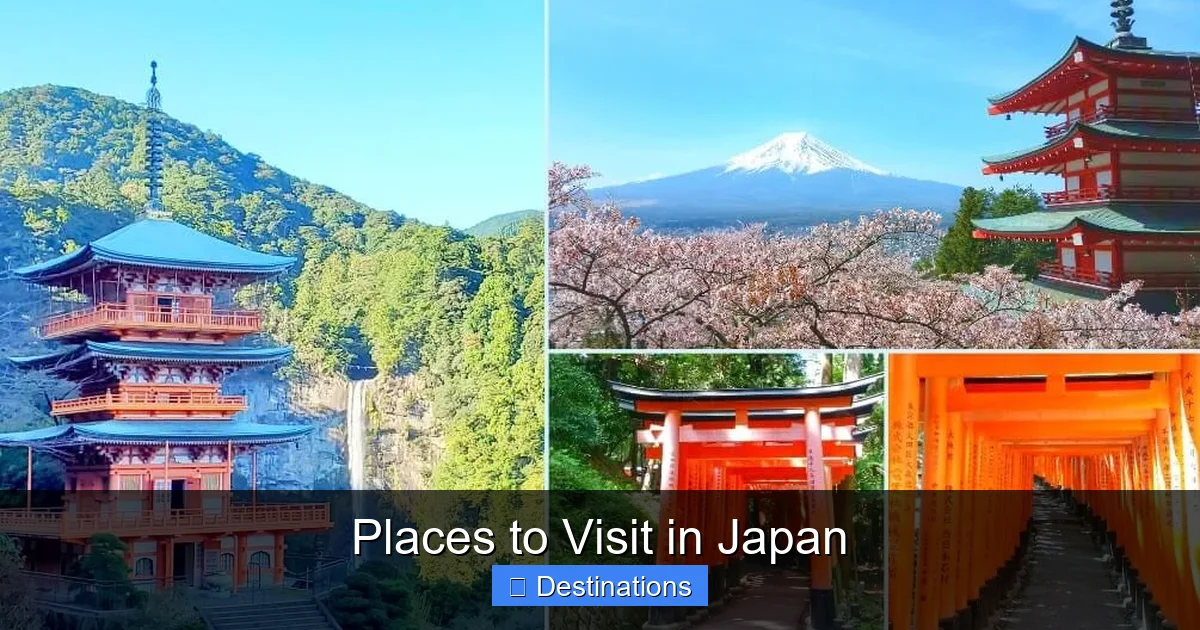
Visual guide about Places to Visit in Japan
Find the Best Accommodation Deals
Compare prices from multiple booking platforms and discover the best stay options available.
⭐ Trusted by thousands of travelers
💰 Budget to luxury options available
Image source: flashpackingjapan.com
Top Neighborhoods to Explore
Start your Tokyo adventure in Shibuya, famous for its iconic scramble crossing and youthful energy. It’s a great spot to people-watch, shop, and grab a quick bite at one of the many izakayas (Japanese pubs). Just a few stops away, Shinjuku offers a mix of skyscrapers, department stores, and the serene Shinjuku Gyoen National Garden—a peaceful escape from the urban buzz.
For a taste of traditional Japan, head to Asakusa, home to the historic Senso-ji Temple and Nakamise shopping street. Here, you can try street foods like melon pan and ningyo-yaki while browsing handmade crafts. Meanwhile, Harajuku is the epicenter of youth culture and fashion, with quirky boutiques and colorful street art.
Best Stay Deals Available
Compare prices across top booking platforms and find the best deal for your stay.
Check Available RoomsMust-See Attractions
Don’t miss the Tokyo Skytree, one of the tallest towers in the world, offering panoramic views of the city. For a cultural experience, visit the Meiji Shrine, nestled in a forested area near Harajuku. It’s a tranquil space dedicated to the deified spirits of Emperor Meiji and Empress Shoken.
Food lovers should explore Tsukiji Outer Market, where you can sample fresh sushi, grilled seafood, and Japanese sweets. While the inner wholesale market has moved to Toyosu, the outer market remains a vibrant hub for culinary delights.
Kyoto: The Cultural Capital
If Tokyo represents Japan’s future, Kyoto embodies its past. Once the imperial capital for over 1,000 years, Kyoto is home to more than 2,000 temples, shrines, and gardens. It’s the perfect place to slow down and immerse yourself in traditional Japanese culture.
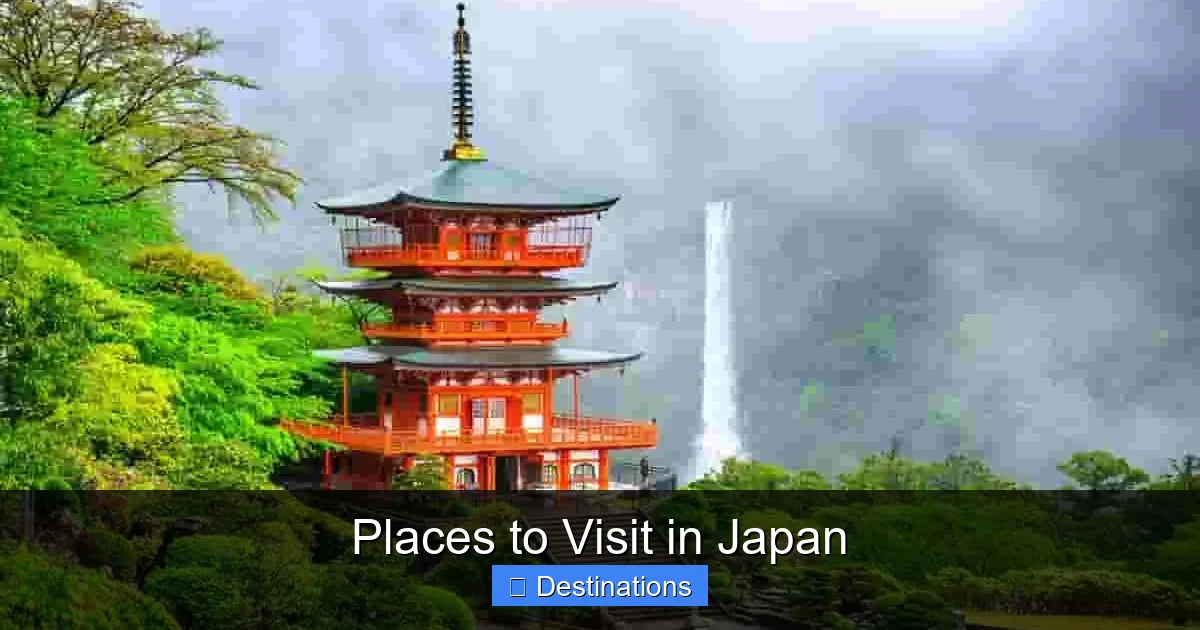
Visual guide about Places to Visit in Japan
Image source: lovhind.com
Iconic Temples and Shrines
The Fushimi Inari Shrine is one of Japan’s most photographed sites, famous for its thousands of red torii gates that wind up the mountain. It’s free to enter and open 24 hours, making it ideal for an early morning or evening visit to avoid crowds.
Another must-see is the Kinkaku-ji (Golden Pavilion), a stunning Zen temple covered in gold leaf that reflects beautifully in the surrounding pond. Nearby, the Gion district offers a glimpse into old Kyoto, with preserved wooden machiya houses and the chance to spot a geisha or maiko (apprentice geisha) in the evening.
Seasonal Highlights
Kyoto is especially magical during cherry blossom season in late March to early April, when parks like Maruyama Park and Philosopher’s Path burst into pink bloom. In autumn, the city transforms again with fiery red and orange leaves at spots like Tofuku-ji Temple and Arashiyama Bamboo Grove.
Mount Fuji: Japan’s Sacred Symbol
No trip to Japan is complete without seeing Mount Fuji, the country’s highest peak and a UNESCO World Heritage Site. Rising 3,776 meters above sea level, this perfectly symmetrical volcano is both a natural wonder and a spiritual icon.
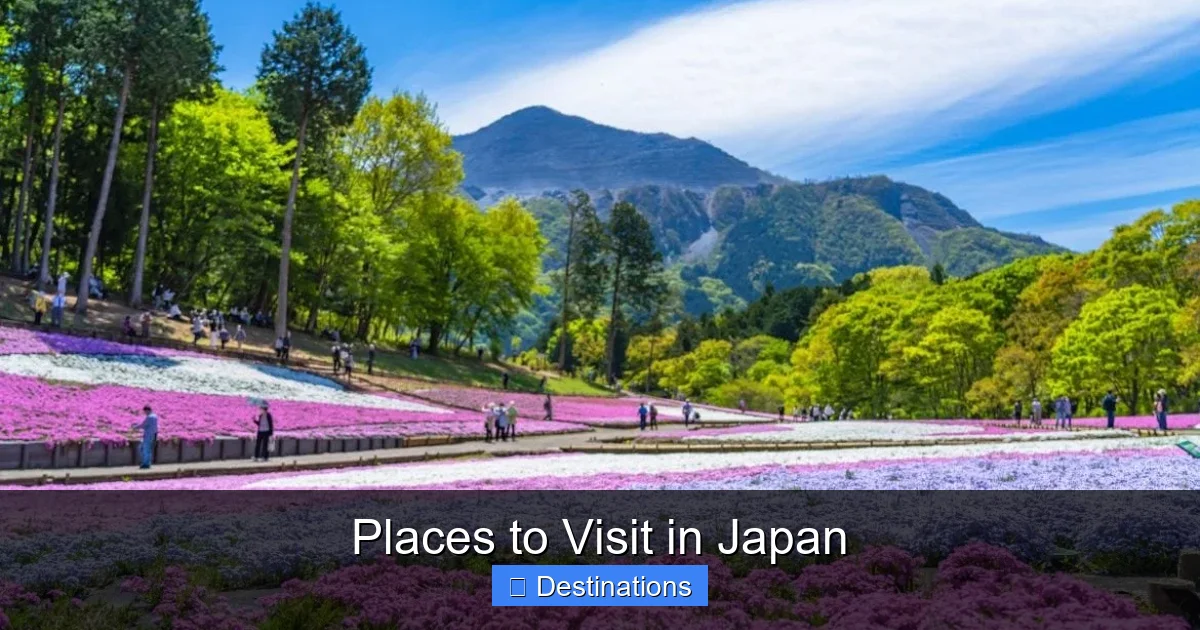
Visual guide about Places to Visit in Japan
Image source: bontraveler.com
Viewing and Climbing
While climbing Mount Fuji is a bucket-list experience, it’s only possible during the official season from early July to early September. The climb is challenging but rewarding, with sunrise views from the summit known as goraiko. For most travelers, viewing the mountain from afar is equally breathtaking.
The Fuji Five Lakes region offers some of the best photo opportunities, especially at Lake Kawaguchi, where you can enjoy hot springs and mountain views. The nearby Hakone area is another popular base, known for its onsen (hot springs) and views of Fuji on clear days.
Cultural Significance
Mount Fuji has been a pilgrimage site for centuries and appears in countless works of art, including Hokusai’s famous Thirty-Six Views of Mount Fuji. Even if you don’t climb it, the mountain’s presence can be felt across Japan, symbolizing beauty, resilience, and national pride.
Hiroshima and Miyajima: History and Nature
Hiroshima is a city defined by peace and resilience. While it’s known for the tragic atomic bombing in 1945, today it stands as a powerful symbol of hope and reconciliation.
Peace Memorial Park and Museum
The Hiroshima Peace Memorial Park is a moving tribute to the victims of the bombing. At its center stands the Atomic Bomb Dome, a preserved ruin that serves as a stark reminder of the devastation. The adjacent Peace Memorial Museum provides a deeply emotional and educational experience, sharing personal stories and historical context.
Miyajima Island: A Spiritual Escape
Just a short ferry ride from Hiroshima is Miyajima Island, home to the iconic Itsukushima Shrine and its famous “floating” torii gate. The gate appears to rise from the sea during high tide, creating a breathtaking scene, especially at sunset.
The island also offers hiking trails up Mount Misen, the highest point on the island, with panoramic views of the Seto Inland Sea. Deer roam freely here, adding to the island’s magical atmosphere. Don’t miss trying momiji manju, maple-shaped cakes filled with sweet red bean paste, a local specialty.
Osaka: Japan’s Kitchen
Known as the “Nation’s Kitchen,” Osaka is a lively city famous for its street food, friendly locals, and vibrant nightlife. It’s a more laid-back alternative to Tokyo, with a strong emphasis on fun and flavor.
Food and Nightlife
Start your culinary journey in Dotonbori, a neon-lit district packed with restaurants, food stalls, and giant billboard signs. Try takoyaki (octopus balls), okonomiyaki (savory pancakes), and kushikatsu (deep-fried skewers)—all Osaka specialties.
For a taste of history, visit Osaka Castle, a beautifully restored fortress surrounded by a large park. The castle museum offers insights into Japan’s feudal era, and the observation deck provides great city views.
Family-Friendly Fun
Families will love Universal Studios Japan, home to The Wizarding World of Harry Potter and Super Nintendo World. It’s one of the most popular theme parks in Asia and a great day trip from nearby cities like Kyoto and Nara.
Tips for Traveling in Japan
Japan is one of the safest and most traveler-friendly countries in the world, but a few tips can make your trip even smoother. First, consider purchasing a Japan Rail Pass before you arrive. It allows unlimited travel on most JR trains, including the Shinkansen (bullet trains), and can save you hundreds of dollars.
While many signs are in English, learning a few basic Japanese phrases like “arigatou” (thank you) and “sumimasen” (excuse me) goes a long way. Also, remember that tipping is not customary and can be considered rude.
Finally, pack for the season. Spring and autumn are ideal for sightseeing, with mild weather and stunning scenery. Summer can be hot and humid, while winter is perfect for skiing in Hokkaido or enjoying hot springs across the country.
Conclusion
Japan is a destination that rewards curiosity and embraces diversity. Whether you’re marveling at the precision of a Tokyo subway system, meditating in a Kyoto temple, or standing in awe before Mount Fuji, every moment feels intentional and meaningful. The country’s blend of tradition and innovation, nature and urbanity, makes it one of the most captivating places to visit in the world.
From bustling cities to tranquil countryside, Japan offers a journey that’s as enriching as it is exciting. With careful planning and an open mind, your trip to Japan can be the adventure of a lifetime. So pack your bags, grab your camera, and get ready to explore the many wonders of this extraordinary nation.
Frequently Asked Questions
What are the must-visit places in Japan for first-time travelers?
First-time visitors should prioritize Tokyo, Kyoto, and Mount Fuji. These destinations offer a mix of modern culture, historical sites, and natural beauty that showcase Japan’s diversity.
How many days do I need to see Japan properly?
A 10- to 14-day trip allows you to explore 3-4 major cities and regions. This gives enough time to experience culture, food, and nature without feeling rushed.
Is the Japan Rail Pass worth it?
Yes, if you plan to travel between cities. The pass covers most Shinkansen trains and can save significant money, especially for long-distance trips.
What should I eat when visiting Japan?
Try sushi, ramen, tempura, okonomiyaki, and matcha desserts. Each region has specialties, so be adventurous and sample local dishes wherever you go.
Are there family-friendly places to visit in Japan?
Absolutely. Osaka’s Universal Studios, Tokyo Disneyland, and Kyoto’s bamboo forest are great for kids. Many temples and parks are also stroller-friendly.
Can I visit Japan on a budget?
Yes. Stay in business hotels or hostels, eat at convenience stores, and use public transportation. Many temples and parks are free or low-cost to enter.