
Vietnam offers a stunning mix of natural beauty, rich history, and vibrant culture. Whether you’re exploring ancient towns, cruising through limestone karsts, or tasting world-class street food, this country has unforgettable experiences for every traveler.
Key Takeaways
- Halong Bay: A UNESCO World Heritage Site famous for emerald waters and thousands of limestone islands rising from the sea.
- Hoi An Ancient Town: A beautifully preserved trading port with lantern-lit streets, tailors, and riverside charm.
- Ho Chi Minh City: A dynamic metropolis blending French colonial architecture with modern energy and war history.
- Sapa: A mountain retreat offering terraced rice fields and encounters with ethnic minority communities.
- Phong Nha-Ke Bang National Park: Home to the world’s largest caves and dramatic karst landscapes perfect for adventure seekers.
- Da Nang: A coastal city with pristine beaches, the Golden Bridge, and easy access to nearby cultural sites.
- Hue Imperial City: The former royal capital featuring grand citadels, pagodas, and the Perfume River.
Quick Answers to Common Questions
What is the best time to visit Vietnam?
The best time to visit Vietnam is during the dry season, from November to April. Northern regions like Hanoi and Sapa are cooler in winter, while central and southern areas enjoy pleasant weather.
Check the latest prices and available rooms before they sell out.
Is Vietnam safe for tourists?
Yes, Vietnam is generally safe for tourists. Petty crime like pickpocketing can occur in crowded areas, so stay alert. Traffic can be chaotic, so use crosswalks and ride reputable taxis or ride-sharing apps.
Do I need a visa to visit Vietnam?
Most travelers need a visa to enter Vietnam. Many nationalities can apply for an e-visa online, which is valid for up to 30 days. Check your country’s requirements before traveling.
What currency is used in Vietnam?
The official currency is the Vietnamese đồng (VND). While credit cards are accepted in cities, cash is essential for markets, street food, and rural areas.
Can I drink the tap water in Vietnam?
It’s not recommended to drink tap water in Vietnam. Stick to bottled or filtered water, and avoid ice in drinks unless you’re sure it’s made from purified water.
📑 Table of Contents
- Introduction to Vietnam’s Top Destinations
- Halong Bay: A Natural Wonder
- Hoi An Ancient Town: A Cultural Gem
- Ho Chi Minh City: Energy and History Combined
- Sapa: Terraced Rice Fields and Mountain Culture
- Phong Nha-Ke Bang National Park: Adventure Awaits
- Da Nang and Hue: Coastal Charm and Imperial Grandeur
- Conclusion: Why Vietnam Should Be on Your Bucket List
Introduction to Vietnam’s Top Destinations
Vietnam is a country of breathtaking contrasts. From the chaotic charm of its cities to the serene beauty of its countryside, every corner tells a story. Whether you’re a history buff, nature lover, or foodie, Vietnam delivers an experience that lingers long after you’ve left.
Imagine sipping strong Vietnamese coffee in a Hanoi alley, watching the sunrise over Halong Bay, or wandering through the lantern-lit streets of Hoi An. These moments aren’t just scenic—they’re deeply cultural. Vietnam blends tradition and modernity in a way few countries can match. With over 3,000 kilometers of coastline, lush mountains, and a culinary scene that’s earned global acclaim, it’s no wonder travelers keep coming back.
Halong Bay: A Natural Wonder
No trip to Vietnam is complete without visiting Halong Bay. Located in the Gulf of Tonkin, this UNESCO World Heritage Site is famous for its emerald waters and over 1,600 limestone islands and islets. The name “Halong” means “descending dragon,” a nod to local legend.
Find the Best Accommodation Deals
Compare prices from multiple booking platforms and find the best option for your stay.
Compare Hotel Prices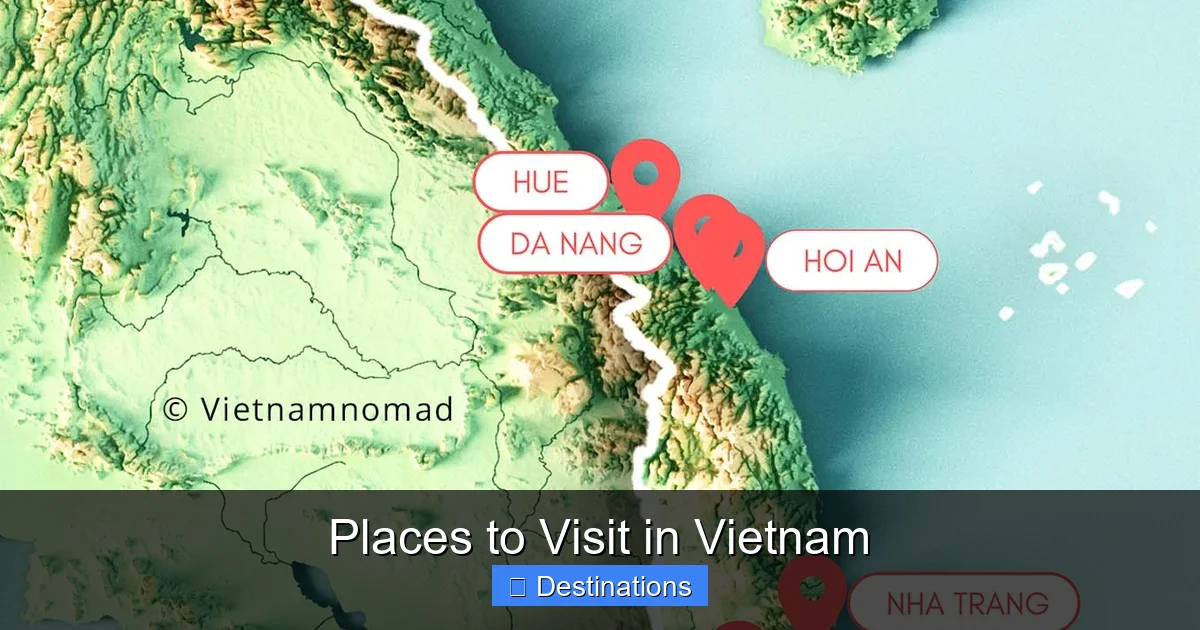
Visual guide about Places to Visit in Vietnam
Find the Best Accommodation Deals
Compare prices from multiple booking platforms and discover the best stay options available.
⭐ Trusted by thousands of travelers
💰 Budget to luxury options available
Image source: vietnamnomad.com
Best Ways to Explore
The most popular way to experience Halong Bay is on an overnight cruise. These range from budget-friendly options to luxury vessels with spa services. Most cruises include kayaking, cave exploration, and visits to floating villages. For a unique experience, try a smaller, traditional wooden junk boat that offers a more intimate journey.
Tips for Visitors
- Book your cruise in advance, especially during peak seasons (October to December and March to May).
- Pack light but include rain gear—weather can change quickly.
- Bring a reusable water bottle to reduce plastic waste on board.
Hoi An Ancient Town: A Cultural Gem
Nestled along the Thu Bon River, Hoi An Ancient Town feels like stepping into a living museum. Once a major trading port in the 15th and 16th centuries, it blends Vietnamese, Chinese, Japanese, and French influences.
Best Stay Deals Available
Compare prices across top booking platforms and find the best deal for your stay.
Check Available Rooms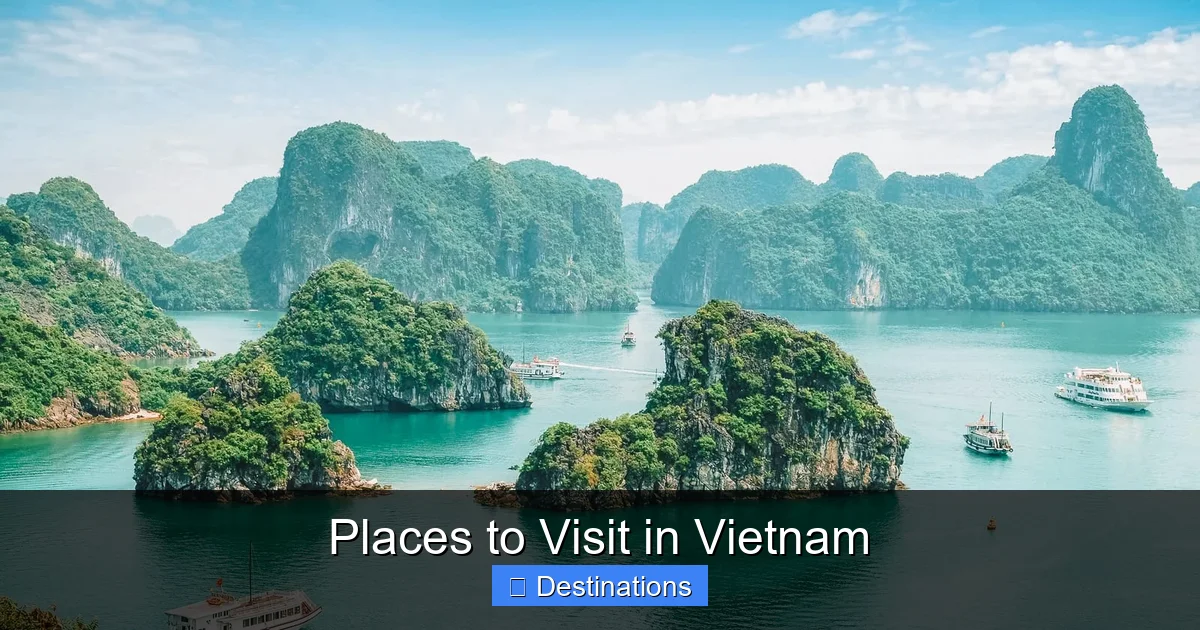
Visual guide about Places to Visit in Vietnam
Image source: awayandfar.com
What to See and Do
Wander the cobblestone streets lined with yellow-walled houses and ornate temples. Don’t miss the Japanese Covered Bridge, built in the 1590s, or the vibrant Central Market. At night, the town transforms as thousands of lanterns glow over the river. It’s one of the most photogenic places in Vietnam.
Shopping and Dining
Hoi An is famous for custom tailoring. You can get a suit or dress made in just 24–48 hours. For food, try cao lầu, a local noodle dish made with thick noodles, pork, and herbs. Grab a seat at a riverside café and watch the boats drift by.
Ho Chi Minh City: Energy and History Combined
Formerly known as Saigon, Ho Chi Minh City is Vietnam’s largest city and a hub of commerce, culture, and history. It pulses with energy—motorbikes weave through traffic, street vendors serve steaming bowls of pho, and skyscrapers rise beside colonial-era buildings.
Visual guide about Places to Visit in Vietnam
Image source: vietnamembassy-thailand.org
Must-Visit Attractions
Start at the War Remnants Museum, which offers a sobering look at the Vietnam War through photos and artifacts. Then visit the Reunification Palace, where the war officially ended in 1975. For a taste of local life, explore Ben Thanh Market, where you can shop for souvenirs, spices, and handicrafts.
Food and Nightlife
The city is a food lover’s paradise. Try bánh mì from a street cart or enjoy a fine-dining meal at a rooftop restaurant. At night, the city comes alive with rooftop bars, live music venues, and bustling night markets.
Sapa: Terraced Rice Fields and Mountain Culture
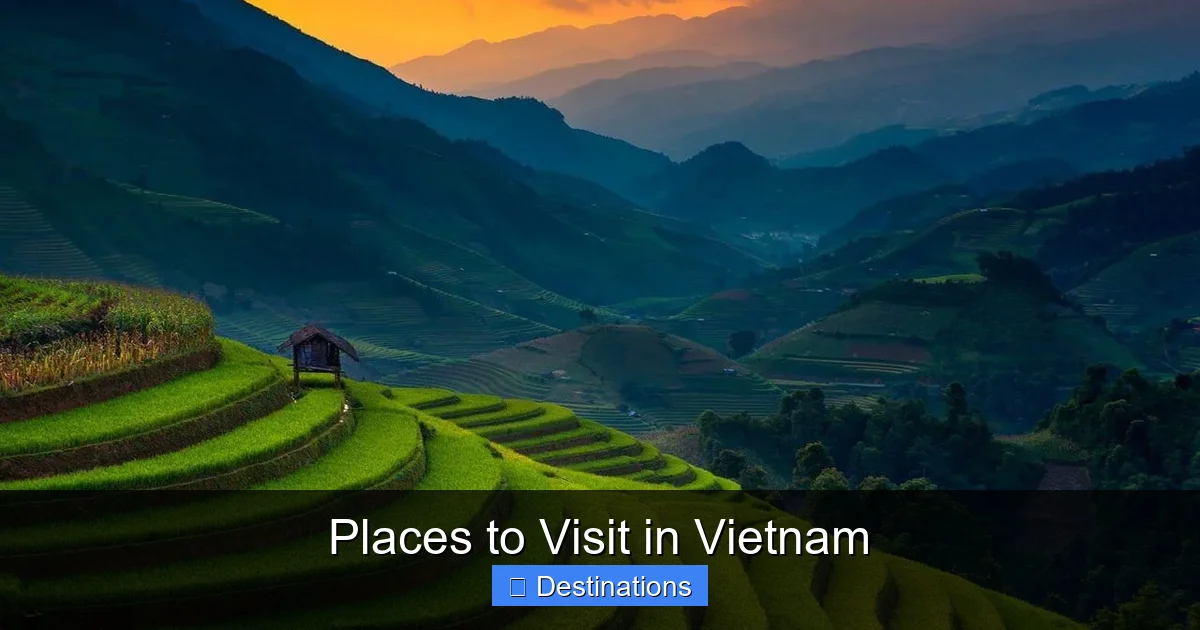
Tucked in the northern mountains near the Chinese border, Sapa is a cool escape from Vietnam’s tropical heat. Famous for its terraced rice fields, misty peaks, and ethnic minority communities, it’s a favorite among hikers and culture seekers.
Trekking and Homestays
Trekking is the main draw here. Guided hikes take you through villages like Ta Van and Lao Chải, where you can meet Hmong, Dao, and Tay people. Many travelers choose to stay in homestays, offering a chance to experience local life and enjoy home-cooked meals.
Best Time to Visit
The ideal time to visit Sapa is during the rice harvest season (September to October), when the terraces turn golden. Spring (March to May) also offers pleasant weather and blooming flowers.
Phong Nha-Ke Bang National Park: Adventure Awaits
For thrill-seekers and nature lovers, Phong Nha-Ke Bang National Park is a must. This UNESCO site is home to some of the world’s most spectacular caves, including Son Doong—the largest cave on Earth.
Exploring the Caves
While Son Doong requires a multi-day expedition and a hefty price tag, there are more accessible options. Paradise Cave and Phong Nha Cave offer stunning stalactites, underground rivers, and boat rides. Guided tours are essential for safety and navigation.
Outdoor Activities
Beyond caves, the park offers jungle trekking, river kayaking, and zip-lining. It’s a great addition to a central Vietnam itinerary, especially if you’re traveling between Hue and Da Nang.
Da Nang and Hue: Coastal Charm and Imperial Grandeur
Vietnam’s central region offers a perfect blend of relaxation and history. Da Nang is a modern coastal city with wide beaches, the famous Golden Bridge held by giant stone hands, and a growing food scene. It’s also a convenient base for day trips to Hoi An and My Son Sanctuary.
Hue: The Imperial Capital
Just a few hours north, Hue was once the seat of Vietnam’s Nguyen Dynasty. The Imperial City, modeled after Beijing’s Forbidden City, features palaces, temples, and gardens. Take a boat ride along the Perfume River to see the Thien Mu Pagoda, a seven-story tower that’s one of Vietnam’s most iconic landmarks.
Culinary Highlights
Hue is known for its royal cuisine—dishes once served to emperors. Try bún bò Huế, a spicy beef noodle soup, or bánh bèo, steamed rice cakes topped with shrimp and scallions. The city’s food is more refined and complex than elsewhere in Vietnam.
Conclusion: Why Vietnam Should Be on Your Bucket List
Vietnam is more than just a destination—it’s an experience. From the dramatic landscapes of Halong Bay to the cultural richness of Hoi An and the historical depth of Hue, every place tells a different chapter of the country’s story. Whether you’re cruising through limestone karsts, hiking mountain trails, or savoring street food, Vietnam offers something for everyone.
Planning your trip? Consider a 10-day Vietnam itinerary to cover the highlights without feeling rushed. For a deeper dive into the country’s top spots, check out our guide to the top 9 tourist attractions in Vietnam. And if you’re curious about how Vietnam compares to other Southeast Asian gems, explore our article on the best places to visit in Thailand for a side-by-side adventure.
Frequently Asked Questions
What are the must-see places in Vietnam?
Top places include Halong Bay, Hoi An Ancient Town, Ho Chi Minh City, Sapa, and Phong Nha-Ke Bang National Park. Each offers unique cultural, historical, or natural experiences.
How many days do I need to visit Vietnam?
A 10- to 14-day trip is ideal to cover the major destinations. This allows time for travel between cities and deeper exploration of key sites.
Is Vietnam expensive for tourists?
Vietnam is very affordable. Budget travelers can get by on $30–$50 per day, while mid-range travelers spend $70–$120. Luxury options are available but not necessary for a great experience.
What should I pack for a trip to Vietnam?
Pack lightweight, breathable clothing, comfortable walking shoes, sunscreen, insect repellent, and a rain jacket. Include modest attire for visiting temples and pagodas.
Can I use my phone in Vietnam?
Yes, but you’ll need a local SIM card for data and calls. Major providers like Viettel and Vinaphone offer affordable plans at airports and city stores.
What is the local language in Vietnam?
The official language is Vietnamese. English is spoken in tourist areas, but learning a few basic phrases like “xin chào” (hello) and “cảm ơn” (thank you) goes a long way.