
Warsaw blends rich history with modern energy, offering visitors a dynamic mix of culture, cuisine, and charm. Whether you’re exploring its reconstructed Old Town, diving into WWII history, or enjoying a peaceful moment by the Vistula River, there’s always something exciting to do in Warsaw.
Warsaw, the capital of Poland, is a city that wears its resilience proudly. Nearly destroyed during World War II, it has risen from the ashes with astonishing grace—today standing as a vibrant, forward-thinking metropolis with deep historical roots. Whether you’re a history buff, a foodie, or someone who just loves wandering through charming streets, Warsaw delivers an authentic and unforgettable experience.
Check the latest prices and available rooms before they sell out.
Unlike many European capitals, Warsaw doesn’t rely on ancient ruins or medieval castles alone. Instead, it tells a story of rebirth, innovation, and cultural pride. From its meticulously reconstructed Old Town to its cutting-edge museums and green public spaces, the city offers a balanced mix of past and present. And the best part? It’s surprisingly walkable, affordable, and full of surprises around every corner.
Key Takeaways
- Explore Warsaw’s Old Town: A UNESCO World Heritage Site rebuilt after WWII, it’s full of colorful buildings, cozy cafes, and lively squares.
- Visit the Warsaw Uprising Museum: One of Europe’s most powerful war museums, offering deep insight into the city’s resistance during WWII.
- Stroll through Łazienki Park: A stunning royal park with palaces, fountains, and free Chopin concerts in summer.
- Experience local food: Try pierogi, żurek, and other Polish classics at traditional milk bars or modern eateries.
- Discover street art in Praga District: This edgy neighborhood boasts vibrant murals and a growing arts scene.
- Take a Vistula River cruise: See the city skyline from a unique perspective on a relaxing boat ride.
- Enjoy free cultural events: From outdoor film screenings to music festivals, Warsaw offers plenty of no-cost entertainment.
Quick Answers to Common Questions
Is Warsaw safe for tourists?
Yes, Warsaw is generally very safe for tourists. Like any major city, be mindful of pickpockets in crowded areas, but violent crime is rare.
What’s the best time to visit Warsaw?
Late spring (May–June) and early autumn (September) offer pleasant weather and fewer crowds. Summer is lively but can be busy.
Do people in Warsaw speak English?
Yes, especially in tourist areas, younger generations, and service industries. Basic Polish phrases are still appreciated.
How many days do I need in Warsaw?
3–4 days is ideal to explore the main attractions, enjoy local food, and experience the city’s culture at a relaxed pace.
Is Warsaw expensive?
No, Warsaw is quite affordable compared to other European capitals. Meals, transport, and attractions are reasonably priced.
📑 Table of Contents
Wander Through the Historic Old Town
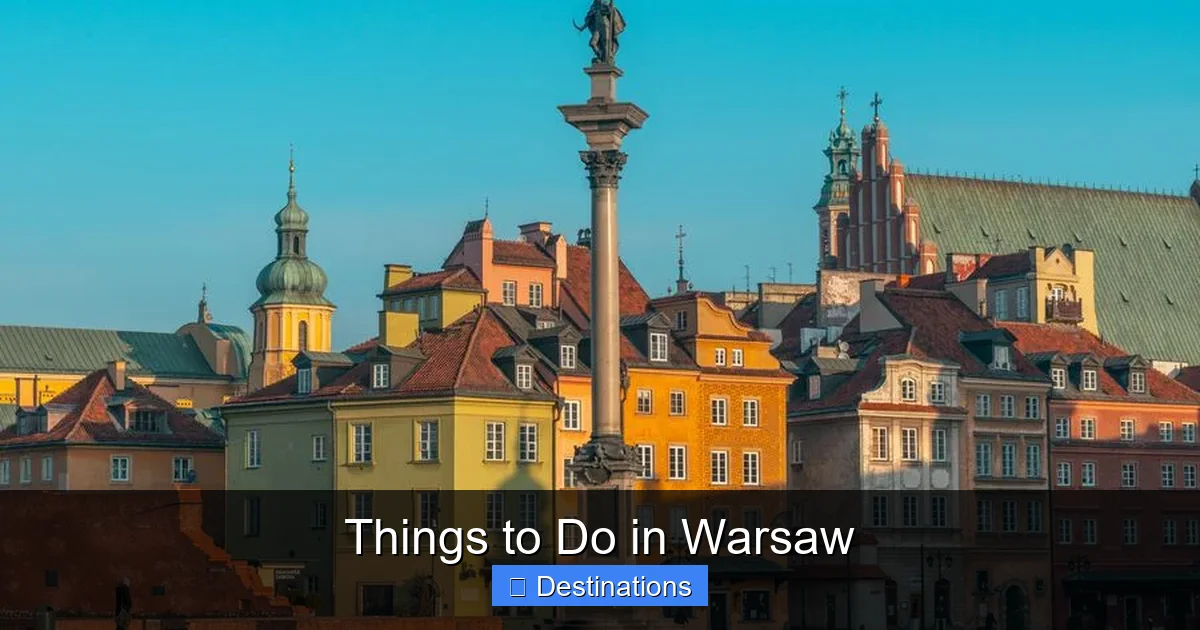
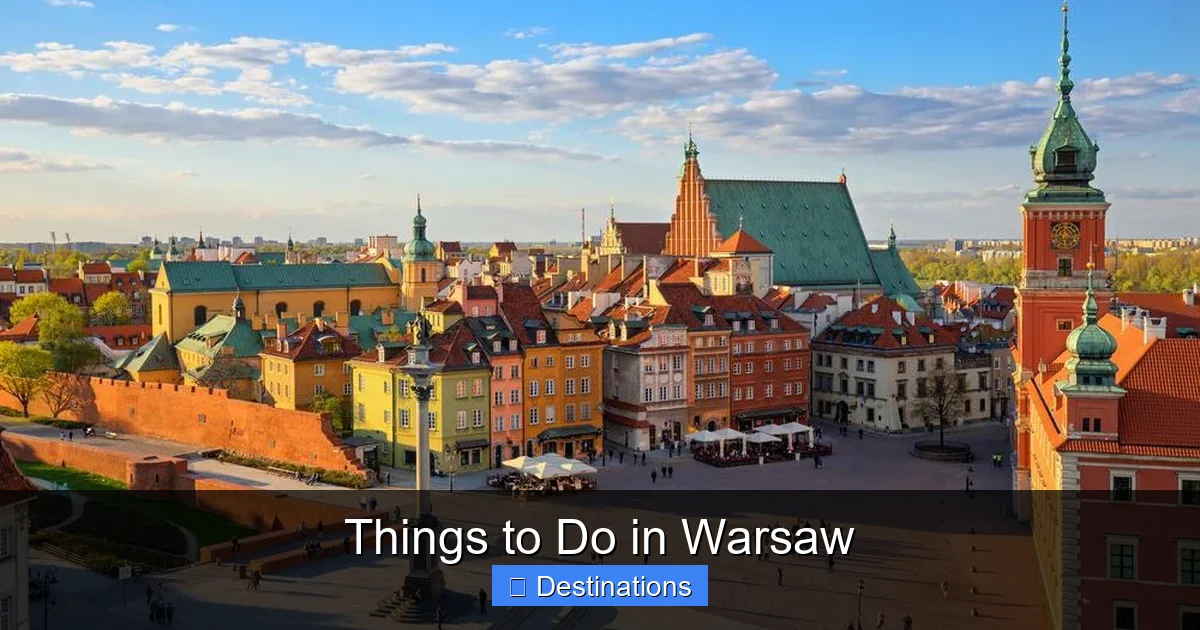
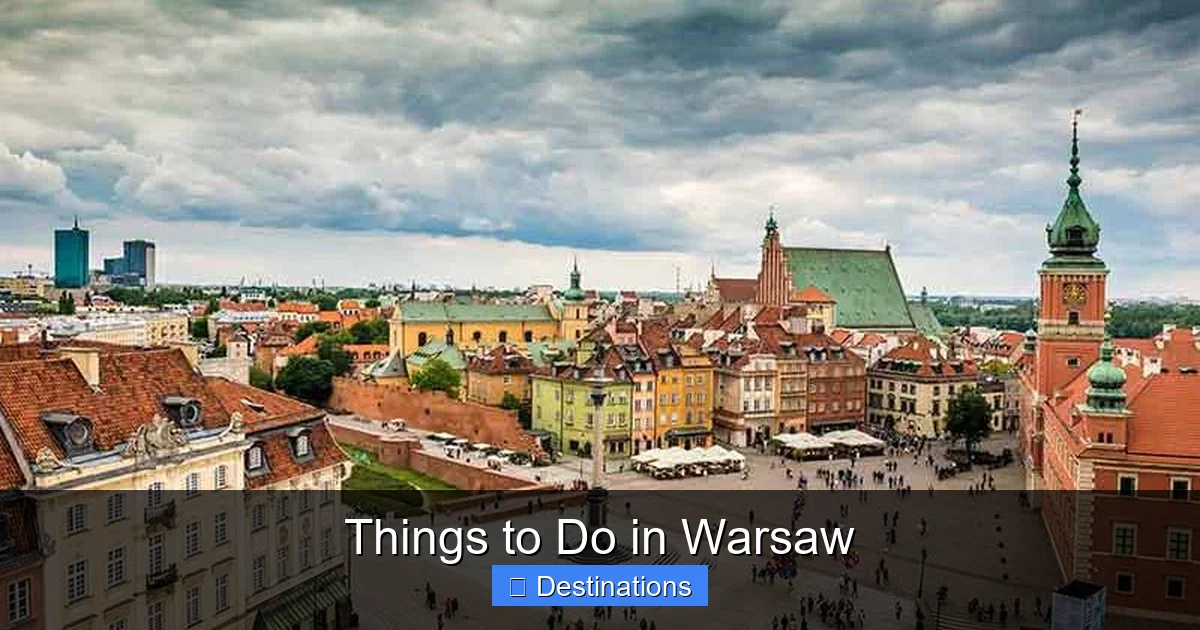
The heart of Warsaw beats in its Old Town (Stare Miasto), a UNESCO World Heritage Site that feels like stepping into a storybook. Though nearly 85% of the city was destroyed during WWII, the Old Town was painstakingly rebuilt using original paintings, drawings, and photographs. Today, its cobblestone streets, pastel-colored townhouses, and the iconic Royal Castle make it one of the most picturesque spots in Poland.
Find the Best Accommodation Deals
Compare prices from multiple booking platforms and find the best option for your stay.
Compare Hotel PricesMust-See Spots in Old Town
- Castle Square (Plac Zamkowy): Start your visit here, where the Royal Castle stands proudly beside the Warsaw Mermaid statue—the city’s symbol.
- Market Square (Rynek Starego Miasta): Lined with outdoor cafes and souvenir shops, it’s perfect for people-watching and snapping photos.
- St. John’s Archcathedral: A Gothic church dating back to the 14th century, it’s a peaceful retreat amid the bustling square.
Tip: Visit early in the morning or late afternoon to avoid crowds and enjoy golden-hour lighting for photos.
Learn at the Warsaw Uprising Museum
For a deeper understanding of Warsaw’s spirit, the Warsaw Uprising Museum is a must-visit. This emotionally powerful museum commemorates the 1944 uprising against Nazi occupation. Through immersive exhibits, personal testimonies, and original artifacts, it brings history to life in a way few museums can match.
Find the Best Accommodation Deals
Compare prices from multiple booking platforms and discover the best stay options available.
⭐ Trusted by thousands of travelers
💰 Budget to luxury options available
Visual guide about Things to Do in Warsaw
Image source: assets.bucketlistly.blog
Best Stay Deals Available
Compare prices across top booking platforms and find the best deal for your stay.
Check Available RoomsWhat Makes It Special
- A replica of a WWII-era plane hangs from the ceiling, symbolizing the resistance fighters’ bravery.
- Interactive displays let you “experience” life in the underground city during the uprising.
- The museum’s “Survivor’s Alley” features video interviews with real participants.
Plan to spend at least 2–3 hours here. It’s both educational and deeply moving—ideal for travelers who want to connect with Warsaw’s past on a personal level.
Relax in Łazienki Park
Escape the urban buzz at Łazienki Park, one of Europe’s most beautiful urban parks. Once the royal bathhouse of King Stanisław August Poniatowski, it now serves as a green oasis in the city center. With its manicured gardens, peacocks roaming freely, and the stunning Palace on the Water, it’s a favorite among locals and tourists alike.
Visual guide about Things to Do in Warsaw
Image source: cdn.thecrazytourist.com
Highlights You Can’t Miss
- Free Chopin Concerts: Every Sunday from May to September, classical music fills the air near the Chopin Monument.
- Ujazdów Castle: Now home to the Center for Contemporary Art, it adds a modern twist to the historic setting.
- The Amphitheatre: A scenic spot for photos, especially during sunset.
Bring a picnic or grab coffee from one of the park’s kiosks. It’s the perfect place to unwind after a day of sightseeing.
Explore the Edgy Praga District
While the city center shines with tradition, the Praga District on the east bank of the Vistula River offers a grittier, more artistic side of Warsaw. Once overlooked, Praga has transformed into a hub for creatives, with street art, indie galleries, and trendy bars popping up everywhere.
Visual guide about Things to Do in Warsaw
Image source: travel2next.com
Why Visit Praga?
- Street Art Tours: Join a guided tour to see massive murals that tell stories of Polish culture and social issues.
- Koneser Vodka Factory: Now a cultural complex, it hosts exhibitions, restaurants, and even a vodka tasting experience.
- Local Cafes & Breweries: Try craft beer at Browar Praga or coffee at one of the minimalist cafes tucked into converted warehouses.
Praga is especially lively on weekends, when pop-up markets and live music events draw crowds. It’s a great contrast to the more polished Old Town.
Taste Authentic Polish Cuisine
No trip to Warsaw is complete without trying traditional Polish food. From hearty stews to delicate dumplings, the city’s culinary scene is both comforting and delicious. Don’t miss pierogi (filled dumplings), żurek (sour rye soup served in a bread bowl), or kotlet schabowy (breaded pork cutlet).
Where to Eat
- Milk Bars (Bar Mleczny): These socialist-era cafeterias offer budget-friendly, home-style meals. Try Bar Bambino for a nostalgic experience.
- Modern Polish Restaurants: Places like Ale Wino or Złoty Chrum serve elevated versions of classics with a contemporary twist.
- Food Markets: Hala Koszyki is a restored market hall with gourmet stalls, perfect for sampling a variety of dishes.
Vegetarians will find plenty of options, especially in plant-based cafes that have flourished in recent years.
Take a Scenic Vistula River Cruise
For a different view of the city, hop on a Vistula River cruise. These short boat rides offer panoramic views of Warsaw’s skyline, including the National Stadium, the Copernicus Science Centre, and the Warsaw Spire. Sunset cruises are particularly romantic and photogenic.
Most tours last 45–60 minutes and cost under €15. They’re a relaxing way to cap off a busy day of exploring.
Conclusion
Warsaw is more than just a stopover—it’s a destination that rewards curiosity and openness. Whether you’re tracing the footsteps of history, savoring pierogi at a milk bar, or dancing at a riverside festival, the city offers endless ways to connect, learn, and enjoy. With its blend of old-world charm and modern energy, Warsaw proves that some of the best travel experiences come from places that have overcome great challenges.
So pack your walking shoes, bring your appetite, and get ready to discover why Warsaw is one of Europe’s most underrated capitals. And if you’re planning more European adventures, check out our guide to cultural things to do in Amsterdam or things to do in Miami pre and post cruise for your next trip.
Frequently Asked Questions
What are the top free things to do in Warsaw?
Visit Łazienki Park, explore the Old Town, and attend free Chopin concerts in summer. Many museums also offer free entry on certain days.
Can I visit Warsaw with kids?
Absolutely. The city has family-friendly parks, interactive museums like the Copernicus Science Centre, and plenty of outdoor spaces to explore.
How do I get around Warsaw?
Warsaw has an efficient public transport system including buses, trams, and a metro. Walking is also easy in the city center.
Is the Warsaw Uprising Museum suitable for children?
It’s best for older children (10+) due to the heavy historical content. Younger kids might find it intense or difficult to understand.
Are there day trips from Warsaw?
Yes, consider visiting Kraków, Łódź, or the Kampinos National Park. All are reachable by train or car within a few hours.
What should I wear when visiting Warsaw?
Dress comfortably and in layers. Winters are cold, so bring warm clothing. Summers are mild, but rain is possible—pack a light jacket.