
Choosing the right tent for rain is essential for safe and comfortable outdoor adventures. A good rain tent keeps you dry, stable, and secure during storms. We’ll explore the best materials, designs, and features to help you pick the perfect waterproof shelter.
Key Takeaways
- Waterproof Materials: Look for tents with a high hydrostatic head rating (3000mm or higher) and fully taped seams to prevent leaks.
- Proper Ventilation: Mesh panels and adjustable vents reduce condensation while maintaining airflow during wet weather.
- Sturdy Construction: Aluminum poles and reinforced flysheets provide stability in wind and rain.
- Easy Setup: Freestanding designs with color-coded poles make quick assembly even in bad weather.
- Groundsheet Compatibility: A reliable groundsheet or footprint protects the tent floor from moisture and wear.
- Size and Weight Balance: Choose a tent that fits your group size but isn’t so bulky it’s hard to transport in wet conditions.
- Real-World Testing: Opt for brands known for durability and performance in heavy rain, like MSR, REI Co-op, and The North Face.
📑 Table of Contents
- What Tent Is Good for Rain: Your Guide to Staying Dry on the Trail
- Why Waterproofing Matters More Than Ever
- Ventilation: Prevent Condensation, Not Rain
- Structural Strength: Wind and Water Won’t Knock You Down
- Setup Speed: Get Shelter Fast When It Pours
- Ground Protection: Don’t Forget the Footprint
- Top Rain-Ready Tent Recommendations
- Final Thoughts: Be Prepared, Stay Dry
What Tent Is Good for Rain: Your Guide to Staying Dry on the Trail
There’s nothing worse than setting up camp only to realize your tent isn’t built for a downpour. Whether you’re hiking through Pacific Northwest forests or camping in unpredictable mountain weather, rain can turn a peaceful night under the stars into a soggy mess. So, what tent is good for rain? The answer isn’t one-size-fits-all—but it does come down to a few critical factors: waterproofing, ventilation, and structural strength. In this guide, we’ll walk you through everything you need to know about choosing a tent that keeps you dry, comfortable, and confident in any storm.
Check the latest prices and available rooms before they sell out.
From material science to setup hacks, we’ll break down the features that matter most when rain starts rolling in. You don’t want to be fumbling with a leaky roof while soaked to the bone. Instead, you want a shelter that’s been tested in real-world conditions and designed with wet-weather adventurers in mind. Let’s dive into the details so you can make an informed decision and stay dry no matter what the forecast says.
Why Waterproofing Matters More Than Ever
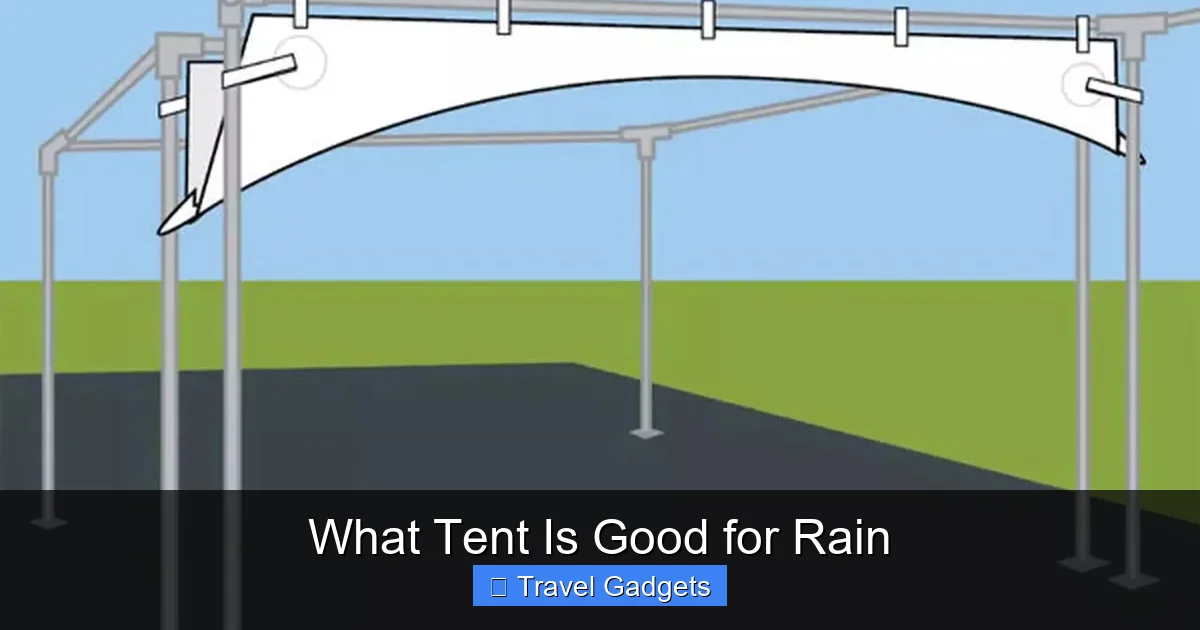
When it comes to rain-resistant tents, waterproofing isn’t just a nice-to-have—it’s non-negotiable. But not all waterproofing is created equal. The key lies in two components: the fabric and the seams.
The Role of Hydrostatic Head Rating
Every tent fabric has a hydrostatic head rating, which measures how much water pressure the material can withstand before leaking. Think of it like a stress test: the higher the number, the better it resists rain. For tents designed for heavy rain, aim for at least 3000mm. That means the fabric can handle 3 meters of water column without leaking. Tents with ratings below 1500mm are fine for light drizzles but will fail during prolonged storms.
For example, the REI Co-op Half Dome SL 2+ uses a 3000mm-rated polyester flysheet, making it ideal for damp climates. Meanwhile, budget nylon tents often fall short because they absorb moisture over time, reducing their effectiveness. Always check the specs before buying.
Find the Best Accommodation Deals
Compare prices from multiple booking platforms and find the best option for your stay.
Compare Hotel PricesFully Taped Seams vs. DWR Coatings
Even the toughest fabric can leak at the seams. That’s where seam taping comes in. Fully taped seams mean the manufacturer has applied adhesive tape to every stitch line on the rainfly. This prevents water from seeping through microscopic gaps. Some cheaper tents only use a DWR (Durable Water Repellent) coating, which wears off after a few washes and doesn’t block liquid at the seams.
If you camp in consistently wet areas, invest in a tent with fully taped seams. It’s a small detail that makes a big difference in long-term reliability.
Find the Best Accommodation Deals
Compare prices from multiple booking platforms and discover the best stay options available.
⭐ Trusted by thousands of travelers
💰 Budget to luxury options available
Ventilation: Prevent Condensation, Not Rain
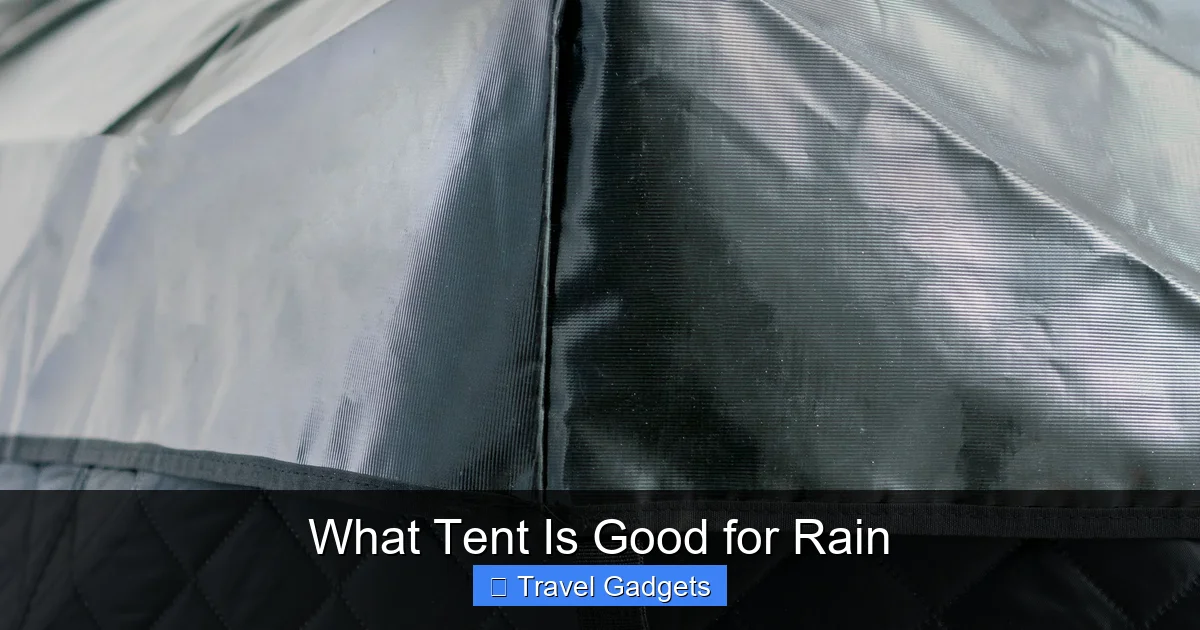
Here’s a common misconception: more ventilation = more rain getting in. Actually, proper airflow is crucial for preventing condensation buildup inside your tent. When warm, moist air from your breath and body meets cold surfaces (like the inside of the rainfly), it forms droplets—this is condensation, not rain.
Visual guide about What Tent Is Good for Rain
Best Stay Deals Available
Compare prices across top booking platforms and find the best deal for your stay.
Check Available RoomsImage source: overlandsauna.com
Mesh Panels and Adjustable Vents
High-quality rain tents include strategic mesh panels near the top and bottom of the rainfly. These allow cool outside air to flow upward, pushing warm, damp air out. Look for tents with dual-zip vents that open from both sides—this gives you control over airflow based on wind direction.
For instance, the MSR Elixir 2 has a top vent and side vents with storm flaps, allowing you to adjust ventilation without exposing the interior to direct rain. This balance is key: too little airflow leads to a sauna effect; too much invites wind and rain.
Condensation Management Tips
Even the best-designed tent can suffer from condensation if you’re not careful. Here are simple fixes:
- Use a ground tarp or footprint to keep your tent floor off wet ground.
- Hang a small towel inside to absorb excess moisture.
- Open vents slightly overnight, even in light rain, to maintain airflow.
- Avoid cooking inside the tent—steam adds moisture quickly.
Structural Strength: Wind and Water Won’t Knock You Down
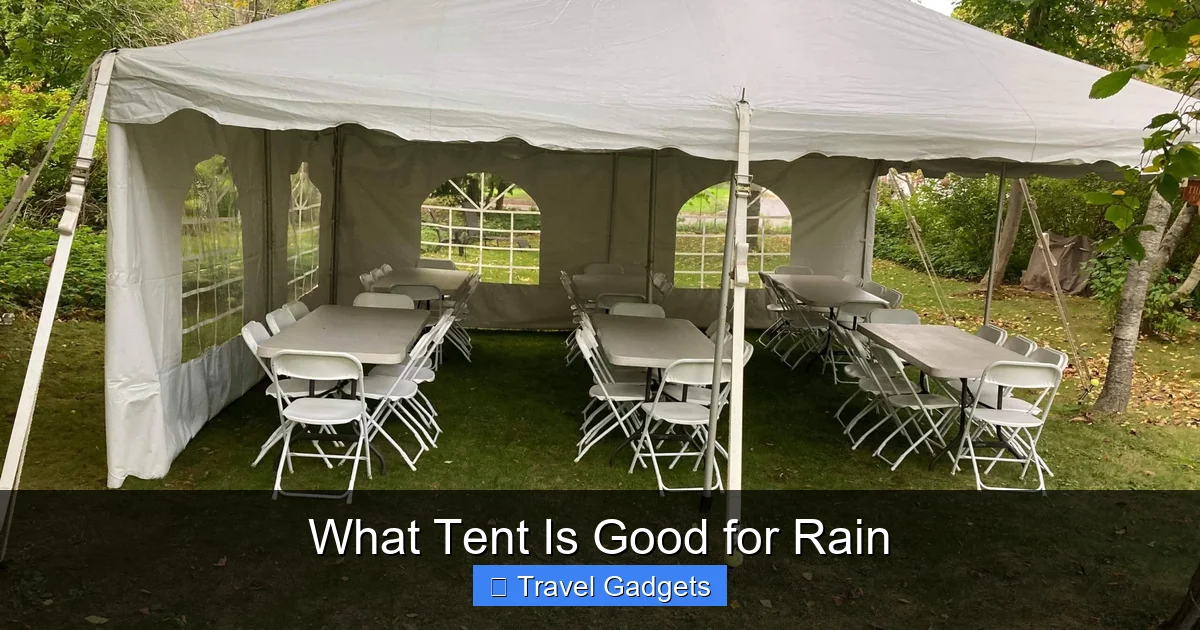
A tent that collapses in the first gust of wind won’t matter how waterproof it is. Stability is especially important during thunderstorms when winds can reach 40–60 mph. The frame and pole design play a huge role here.
Visual guide about What Tent Is Good for Rain
Image source: goodtimesoswego.com
Pole Material: Aluminum vs. Fiberglass
Aluminum poles are lighter and stronger than fiberglass. They flex slightly in high winds but snap less easily. Fiberglass is cheaper and more flexible, but it’s heavier and more likely to shatter under impact. For rain tents, aluminum is almost always the better choice.
Freestanding vs. Non-Freestanding Designs
Freestanding tents can stand on their own without stakes, which is helpful if the ground is muddy or slippery. They also distribute weight evenly across multiple anchor points, improving stability. Non-freestanding tents rely on guy lines and stakes, offering more versatility in rocky terrain but requiring more setup effort in bad weather.
If you frequently camp in wet, uneven landscapes, consider a freestanding model like the The North Face Stormbreak 2, which uses DAC Featherlite NSL poles for lightweight strength.
Setup Speed: Get Shelter Fast When It Pours
Rain doesn’t wait for you to finish reading instructions. A tent that takes 30 minutes to set up during a downpour is useless. Look for designs that prioritize speed without sacrificing durability.
Color-Coded Poles and Clipless Systems
Modern tents often use color-coded poles that match corresponding sleeves or clips. This makes assembly intuitive, even in low light or heavy rain. Clipless systems (where poles slide directly into pockets) are faster than traditional clips but require more care during packing.
One-Person Tents for Solo Adventurers
If you’re hiking solo, compact, single-person tents are ideal. The Big Agnes Copper Spur HV UL1 weighs just 2 lbs 15 oz and sets up in under 90 seconds. Its tunnel shape sheds wind and rain efficiently, making it a favorite among ultralight backpackers.
Ground Protection: Don’t Forget the Footprint
Your tent’s bottom layer is just as important as the top. Without protection, the floor absorbs moisture from the ground, leading to leaks and discomfort. A footprint—a separate waterproof sheet placed under the tent—is essential for rain-ready camping.
Some manufacturers include a footprint; others sell them separately. Always carry one, even if it’s just a piece of Tyvek or ripstop nylon. It’s an affordable upgrade that extends your tent’s life and keeps you drier.
Top Rain-Ready Tent Recommendations
While every camper’s needs differ, these tents stand out for their performance in wet conditions:
- MSR Elixir 2: Excellent ventilation, strong frame, and reliable waterproofing. Great for families or groups.
- REI Co-op Half Dome SL 2+: Lightweight, freestanding, and highly rated for rain resistance. Perfect for car camping.
- The North Face Stormbreak 2: Wind-resistant design with robust construction. Ideal for exposed sites.
- Big Agnes Copper Spur HV UL1: Ultralight and stormworthy for solo travelers.
- Sierra Designs Lightning 2 XT: Budget-friendly option with full-coverage rainfly and taped seams.
Each of these models has been field-tested by outdoor enthusiasts in real rainstorms. While price varies, investing in quality pays off in comfort and peace of mind.
Final Thoughts: Be Prepared, Stay Dry
So, what tent is good for rain? The best ones combine waterproof materials, smart ventilation, and solid construction. They’re fast to set up, easy to manage in bad weather, and built to last season after season.
Remember, even the most expensive tent won’t keep you dry if you ignore basic maintenance—clean it after each trip, reapply DWR if needed, and store it properly. And never skip the footprint.
Whether you’re planning a weekend getaway or a multi-week expedition, choosing the right rain tent transforms a stressful situation into a cozy retreat. With the right gear and knowledge, you can face any storm with confidence.
Frequently Asked Questions
How do I know if my tent is waterproof?
Check the hydrostatic head rating (3000mm+ for rain), look for fully taped seams, and ensure the rainfly covers all zippers and vents. Test it in light rain before relying on it heavily.
Can I use any tent in the rain?
No. Cheap tents with low hydrostatic ratings or no seam sealing will leak. Invest in a purpose-built rain tent with proven waterproofing features.
Do I need a footprint for every tent?
Yes, ideally. A footprint protects the tent floor from moisture and abrasion, extending its lifespan and improving comfort in wet conditions.
Are dome tents better than tunnel tents for rain?
Dome tents offer good wind resistance and are common, but tunnel tents often have better internal space and airflow. Choose based on your specific needs and terrain.
How often should I reapply DWR to my tent?
After 2–3 washes or when water beads disappear from the fabric. Use a spray-on DWR treatment to restore water repellency without damaging the material.
What’s the biggest mistake people make when choosing a rain tent?
Ignoring ventilation. A leak-proof but poorly ventilated tent causes condensation, which leads to damp gear and sleepless nights—even if it’s not raining.