
France offers endless camping opportunities for tent campers across its stunning landscapes. Whether you’re drawn to sun-drenched beaches, lush forests, or charming villages, you’ll find well-equipped campsites and wild camping spots that welcome self-sufficient travelers. This guide helps you choose the perfect location based on region, season, and experience level.
Camping in France is more than just pitching a tent—it’s about immersing yourself in the country’s rich culture, breathtaking landscapes, and warm hospitality. With over 40,000 officially certified campsites spread across its countryside, coastlines, and mountain ranges, France caters to every type of camper. Whether you’re glamping under the stars in Provence, exploring ancient forests in Alsace, or setting up camp by the Atlantic Ocean in Brittany, there’s no shortage of magical spots to call home for a few nights.
Check the latest prices and available rooms before they sell out.
For those who prefer the simplicity of their own gear, camping with your own tent allows for maximum flexibility and authenticity. Unlike motorhome rentals or pre-booked cabins, bringing your own equipment means you can travel light, stay off-grid when needed, and truly connect with nature. And thanks to France’s well-maintained public infrastructure and camper-friendly policies, even first-timers can feel confident hitting the road with minimal stress.
Key Takeaways
- Campsite Types: France has over 40,000 certified campsites, including ACSI, Eurocampings, and local options—many allow tent setups.
- Wild Camping Rules: While wild camping is legal in some rural areas (e.g., Landes, Corsica), it’s restricted in protected zones and near urban areas.
- Best Regions: Provence-Alpes-Côte d’Azur, Brittany, Normandy, and the French Alps are top picks for diverse terrain and scenery.
- Seasonal Tips: Peak season runs from June to August; shoulder seasons offer fewer crowds and better prices.
- Permits & Fees: Most sites charge daily rates (€15–€35); some require reservations, especially in summer.
- Essential Gear: Bring a sturdy tent, sleeping bag rated for seasonal temps, and a portable stove for safe cooking.
- Safety First: Always check weather forecasts, inform someone of your plans, and follow Leave No Trace principles.
📑 Table of Contents
Why Choose France for Tent Camping?
France stands out as one of Europe’s most camper-friendly destinations. The country has invested heavily in accessible campsites, clear regulations, and beautiful natural spaces. Unlike some countries where wild camping is strictly forbidden, France allows it in designated rural areas—making it ideal for free-spirited adventurers. Plus, its compact size means you can easily hop between regions, experiencing everything from Mediterranean vineyards to snow-capped peaks.
Another major advantage? The variety. You could spend weeks discovering different parts of France without repeating the same scenery. Want lakeside views? Head to Lac de Serre-Ponçon. Craving ocean breezes? The Côte d’Azur or Normandy’s coastline won’t disappoint. Love hiking? The Pyrenees and Vosges Mountains offer trails right from your tent. And let’s not forget the food—local markets, fresh bread, cheese, and wine are never far away.
Top Regions for Tent Camping in France
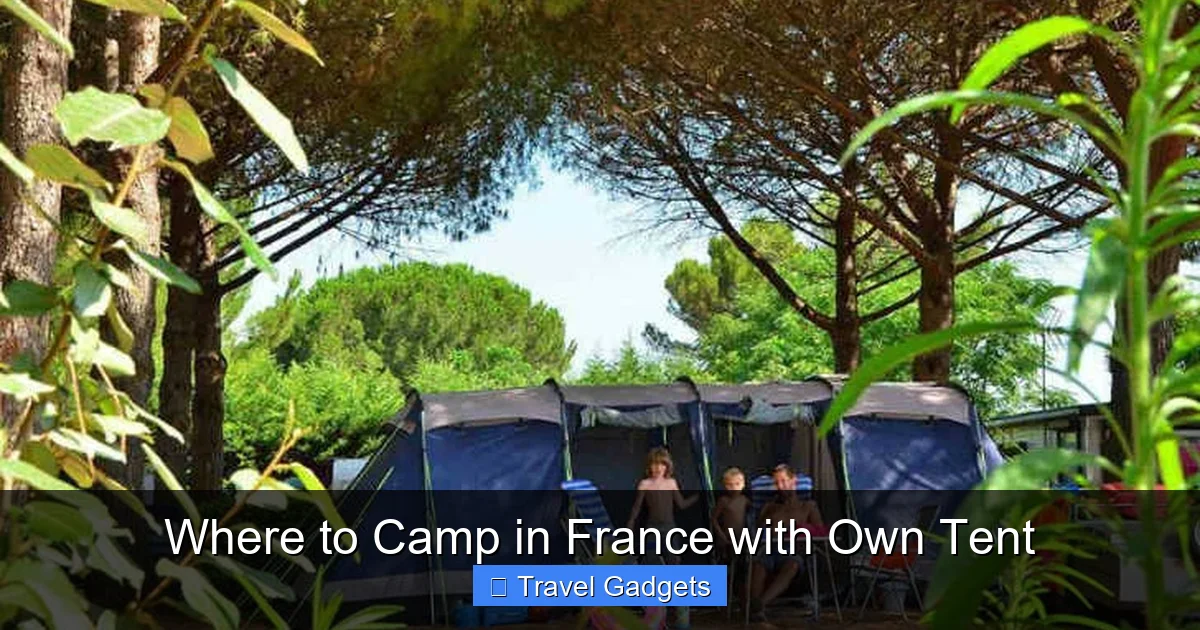
Visual guide about Where to Camp in France with Own Tent
Image source: x6i7j8p3.rocketcdn.me
Each region in France brings something unique to the table. Here’s a quick rundown of where to go based on what you love:
Find the Best Accommodation Deals
Compare prices from multiple booking platforms and find the best option for your stay.
Compare Hotel PricesProvence-Alpes-Côte d’Azur: Sun, Scent, and Space
Imagine lavender fields stretching to the horizon, olive groves dotting rolling hills, and warm southern light filtering through cypress trees. Provence is perfect for tent campers who want scenic beauty with easy access to towns and amenities. Sites like **Domaine de la Valmer** near Cannes offer flat pitches, clean facilities, and proximity to the beach—all within walking distance.
Inland, the Luberon area is ideal for those seeking peace and quiet. Tiny villages like Gordes and Roussillon make great bases, and many campsites here cater specifically to tents. Don’t miss the lavender harvest in July if your timing aligns!
Find the Best Accommodation Deals
Compare prices from multiple booking platforms and discover the best stay options available.
⭐ Trusted by thousands of travelers
💰 Budget to luxury options available
Brittany: Wild Coasts and Forest Trails
If rugged cliffs, crashing waves, and salty sea air appeal to you, Brittany is a must-visit. The Finistère peninsula boasts dramatic coastline, while the northern coast features hidden coves and tidal pools perfect for exploration. Campsites like **Camping La Poudrière** near Concarneau provide direct beach access and family-friendly activities.
For a more remote experience, consider wild camping along the GR34 trail—a long-distance path that winds along the coast. Just remember to pitch at least 30 meters from roads and respect local rules.
Normandy: History Meets Nature
Beyond the D-Day beaches, Normandy surprises visitors with its peaceful countryside and apple orchards. The Calvados department offers gentle hills, cider farms, and quiet campsites like **Les Mouettes** near Cabourg. Inland, the Suisse Normande (“Norman Switzerland”) provides excellent hiking and cycling routes.
Best Stay Deals Available
Compare prices across top booking platforms and find the best deal for your stay.
Check Available RoomsDon’t skip the medieval towns of Bayeux or Honfleur—both make convenient day trips from nearby campsites.
The French Alps: High Altitude Adventures
For winter sports lovers or summer hikers, the Alps are unbeatable. Alpine campsites like **Les Hauts de la Plagne** in Savoie offer panoramic views, ski lifts nearby, and mountain streams for refreshing dips. In summer, trails lead to alpine meadows filled with wildflowers.
Note: Elevation matters! Higher campsites may require warmer sleeping bags and preparation for sudden weather changes.
Corsica: Island Escape
Though technically part of France, Corsica feels like a world away. Its wild interior, granite peaks, and turquoise bays create a Mediterranean island paradise. Campsites such as **Camping La Pinède** near Porto-Vecchio blend comfort with nature.
Wild camping is permitted in Corsican national parks like Parc Naturel Regional de Corse, but always check signage and avoid nesting bird areas.
How to Find and Book Campsites in France
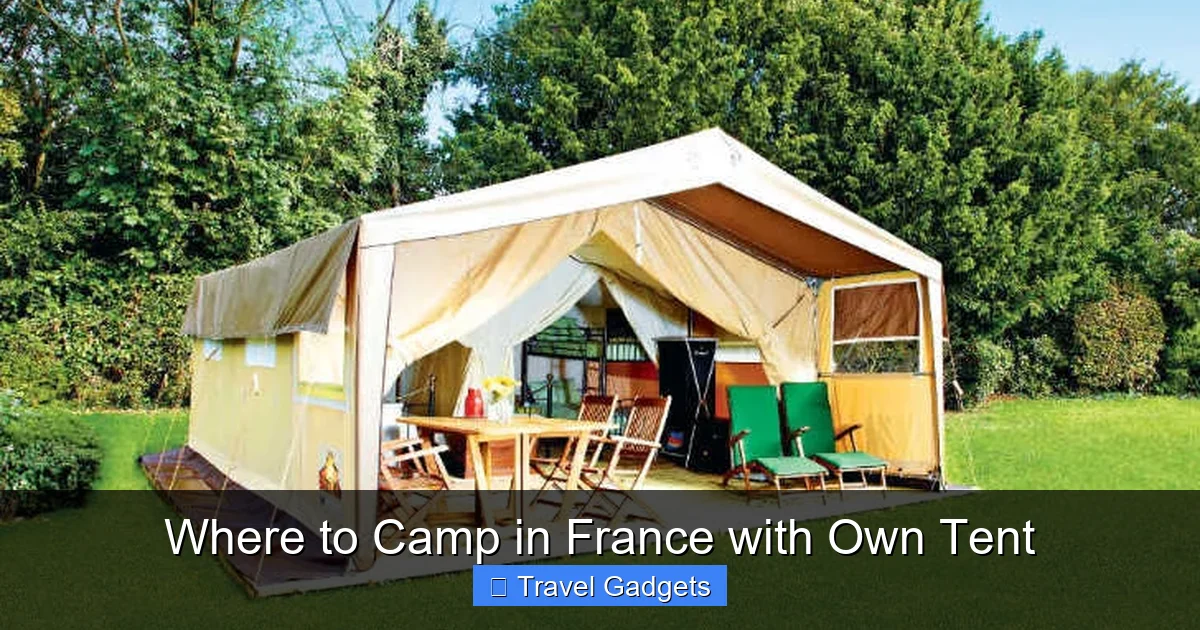
Visual guide about Where to Camp in France with Own Tent
Image source: gocampfrance.co.uk
With so many options, how do you choose? Start by using trusted platforms like **Eurocampings**, **ACSI**, or **Park4Night**. These directories let you filter by amenities (showers, laundry, pet-friendliness), tent-only sections, and star ratings.
Many campsites operate on a first-come, first-served basis during off-peak months, but summers fill up fast. Book early—especially for popular spots like Nice or Annecy—to secure your preferred pitch.
Also consider contacting campsite owners directly via email. Sometimes smaller sites aren’t listed online or offer last-minute discounts. And don’t overlook regional tourism websites—they often highlight lesser-known gems.
Practical Tips for Camping with Your Own Tent
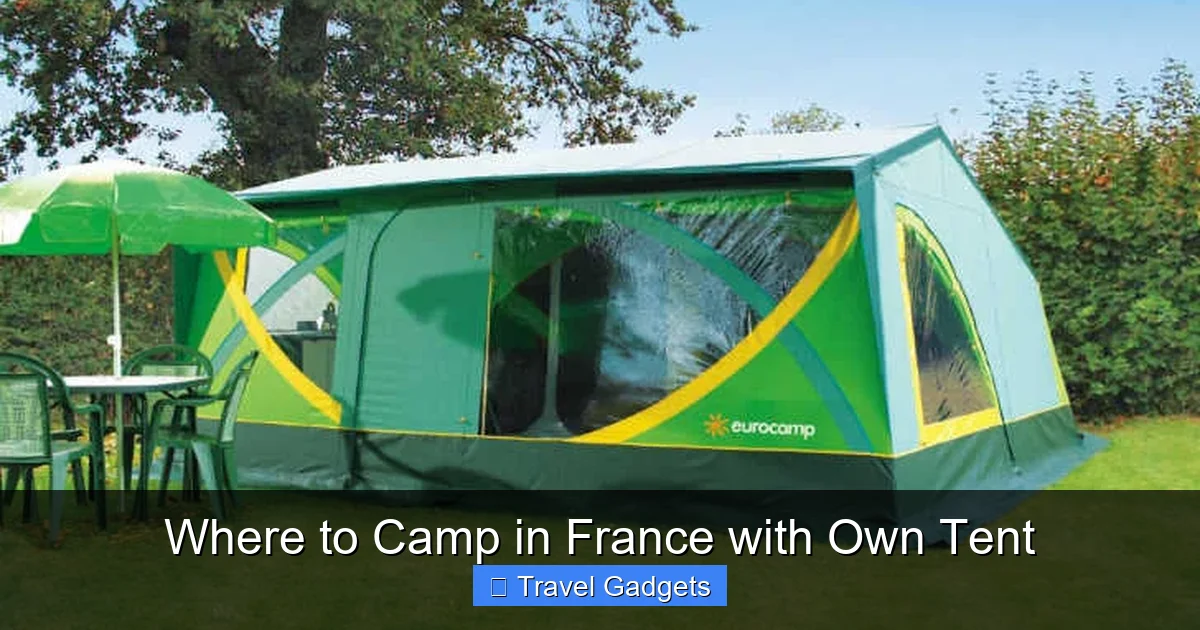
Visual guide about Where to Camp in France with Own Tent
Image source: gocampfrance.co.uk
Packing smart makes all the difference. Bring a high-quality tent rated for your target season, paired with waterproof groundsheet and stakes. A lightweight camping stove is safer than open fires (which are banned in many areas anyway). Include a first-aid kit, headlamp, and multi-tool—simple items that prevent big headaches.
When setting up camp, always choose level ground away from dead branches or flood-prone areas. Secure guy lines properly, and never leave valuables unattended. If you’re new to camping, practice assembling your tent at home first!
Water access is crucial. Most campsites have drinking water taps, but carry extra if you plan to hike away from the site. Cooking tips? Use a windscreen, boil water before drinking, and store food securely (bears aren’t common in France, but rodents might raid unprotected supplies).
Wild Camping in France: Legal but Responsible
Wild camping—pitching your tent outside official sites—is legal in France under certain conditions. According to national law, you can camp freely in rural areas as long as you’re at least 200 meters from inhabited buildings and 30 meters from roads. However, this freedom doesn’t extend to protected zones like national parks, beaches, or private property.
The best places for wild camping include:
– **Landes**: Vast pine forests near the Atlantic.
– **Corsica**: As mentioned earlier, national parks allow dispersed camping.
– **Auvergne**: Volcanic landscapes with wide-open spaces.
Always pack out everything you bring in, avoid disturbing wildlife, and minimize visual impact. Think of it as temporary lodging—not permanent settlement.
Safety and Etiquette: Be a Respectful Camper
France takes environmental protection seriously. Follow these guidelines to keep places pristine:
– Use biodegradable soap only at least 60 meters from water sources.
– Never cut living plants or disturb archaeological sites.
– Keep noise down after 10 PM, especially near other campers.
– Check local ordinances—some municipalities have stricter rules than national law.
It’s also wise to tell someone your itinerary, carry a charged phone, and know basic emergency numbers (112 works across EU). In case of theft or damage, contact the campsite manager immediately.
Frequently Asked Questions
Can I legally wild camp in France?
Yes, wild camping is permitted in rural areas as long as you’re 200m from homes and 30m from roads. Avoid protected parks and beaches unless explicitly allowed.
What’s the average cost per night for a tent campsite?
Expect €15–€35 per night depending on location, season, and amenities. Off-peak months (April–May, September) are cheaper.
Do I need to book campsites in advance?
Not always—but summer months fill quickly. Popular spots like Nice or Annecy should be reserved ahead. Smaller rural sites may accept walk-ins.
Is it safe to camp alone in France?
Yes, France is generally safe for solo travelers. Stick to certified campsites, avoid isolated areas at night, and trust your instincts.
Are campfires allowed in France?
Most official campsites prohibit open fires due to fire risk. Use portable stoves instead—they’re efficient, safe, and widely accepted.
Can I bring my dog to a campsite?
Many campsites welcome pets, but verify policies beforehand. Some charge extra fees, restrict breeds, or limit dogs to specific areas.