
Discover the 10 best national parks in Arizona for breathtaking landscapes, from the Grand Canyon’s vastness to Sedona’s red rocks and the desert’s unique beauty. Your Arizona adventure awaits!
Planning a trip to Arizona can feel like a puzzle with so many amazing places to see. You want to experience the iconic natural wonders, but where do you even begin?
Check the latest prices and available rooms before they sell out.
It’s easy to get lost in endless lists of attractions, wondering what’s truly worth your time and how to fit it all in. Don’t worry, I’ve got you covered!
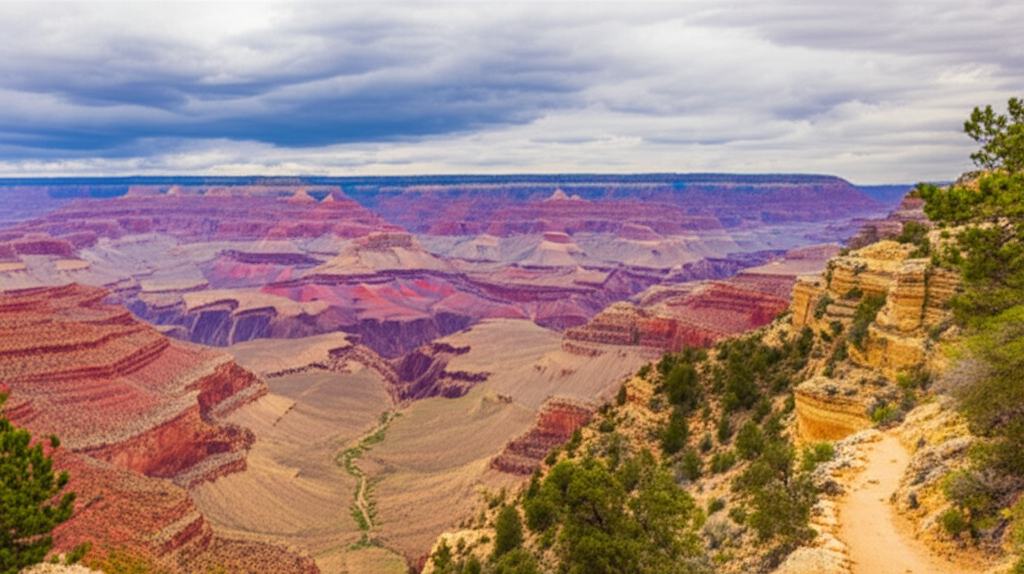
This guide breaks down the most stunning national parks in Arizona, making your trip planning simple and exciting. Get ready for an unforgettable journey through the Grand Canyon State!
—
Your Guide to 10 National Parks in Arizona: Stunning Wonders
Arizona is a treasure trove of natural beauty, home to some of the most iconic and awe-inspiring landscapes in the United States. From the colossal scale of the Grand Canyon to the vibrant hues of desert flora, these parks offer experiences that will leave you breathless. Let’s dive into the top 10 national parks in Arizona that you absolutely must visit.
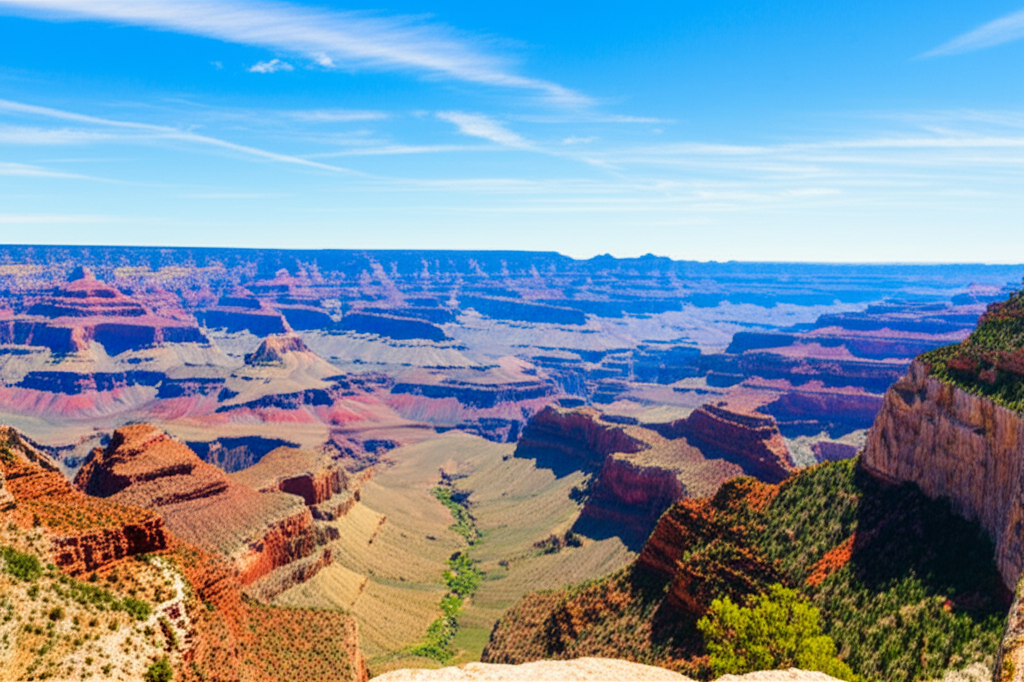
1. Grand Canyon National Park (South Rim and North Rim)
No trip to Arizona is complete without witnessing the grandeur of the Grand Canyon. This UNESCO World Heritage Site is one of the most famous natural wonders in the world, a vast chasm carved by millions of years of erosion.
Find the Best Accommodation Deals
Compare prices from multiple booking platforms and find the best option for your stay.
Compare Hotel PricesThe South Rim is the most accessible and popular area, offering iconic viewpoints like Mather Point and Yavapai Point. You can walk along the paved Rim Trail, or for the more adventurous, hike down into the canyon itself. Remember to pack plenty of water and wear sturdy shoes if you plan to hike!
The North Rim is higher in elevation, more remote, and open only seasonally (typically May 15 through October 15). It offers a different perspective, a more tranquil experience with stunning views from Bright Angel Point and Cape Royal. The journey to the North Rim is longer, but for many, the solitude and dramatic vistas are well worth it.
Find the Best Accommodation Deals
Compare prices from multiple booking platforms and discover the best stay options available.
⭐ Trusted by thousands of travelers
💰 Budget to luxury options available

Must-See Views: Mather Point, Yavapai Point, Desert View Watchtower (South Rim); Bright Angel Point, Cape Royal (North Rim).
Activities: Hiking, mule rides, scenic drives, ranger programs, sunset and sunrise viewing.
Pro Tip: Book lodging and any guided tours well in advance, especially if traveling during peak season.
2. Saguaro National Park (Tucson Mountain District and Rincon Mountain District)
Home to the majestic saguaro cactus, the iconic symbol of the American West, Saguaro National Park is a desert wonderland. These towering cacti, which can live for over 150 years and grow up to 60 feet tall, create a unique and unforgettable landscape.
Best Stay Deals Available
Compare prices across top booking platforms and find the best deal for your stay.
Check Available RoomsThe park is divided into two districts: the Tucson Mountain District to the west and the Rincon Mountain District to the east of Tucson. Each offers a distinct desert experience.
The Tucson Mountain District is characterized by dense saguaro forests, scenic drives like Bajada Loop, and numerous hiking trails, including the popular Signal Hill trail to ancient petroglyphs.
The Rincon Mountain District boasts higher elevations, offering a greater diversity of plant life, including cacti at lower elevations and pine forests at higher altitudes. Bajada Loop offers stunning views, and the Douglas Spring Trail leads to hidden canyons.
Must-See Features: Dense saguaro forests, petroglyph sites, diverse desert flora.
Activities: Scenic driving, hiking (easy to strenuous trails), wildlife viewing, stargazing, photography.
Budget Tip: Visit during the spring for wildflower blooms; it’s a spectacular, and free, natural display.
3. Petrified Forest National Park
Step back in time at Petrified Forest National Park, a place where ancient forests have turned to stone. This park preserves one of the largest and most colorful concentrations of petrified wood in the world, along with stunning painted desert landscapes.
The park is famous for its dazzling petroglyphs, or ancient rock carvings, and the fossils of dinosaurs and other prehistoric life. The Painted Desert, with its vibrant, multi-colored badlands, is a sight to behold, especially at sunrise and sunset.
You can drive through the park, stopping at various overlooks and short hiking trails to explore the geological wonders. Don’t miss the Giant Logs trail or the Crystal Forest to get up close with these ancient treasures.
Must-See Attractions: Painted Desert vistas, petrified wood logs, ancient petroglyphs at Newspaper Rock.
Activities: Scenic driving, short hikes, fossil hunting (in designated areas), photography, geology exploration.
Interesting Fact: It is illegal to remove any petrified wood from the park. Please leave everything as you found it for others to enjoy. Find out more about what you can and cannot do at the official Petrified Forest National Park regulations page.
4. Grand Canyon-Parashant National Monument
While not a national park, this remote and vast national monument offers a rugged and less-traveled experience of the Grand Canyon region. Managed by the Bureau of Land Management (BLM) and the National Park Service (NPS), it’s a place for the truly adventurous.
Grand Canyon-Parashant is a wilderness area with rugged dirt roads, limited facilities, and spectacular, undeveloped views of the Grand Canyon and Lake Mead. It’s ideal for backcountry exploration, primitive camping, and experiencing solitude.
Access often requires a high-clearance 4WD vehicle, and preparation is key due to the remote nature of the monument. If you’re seeking an off-the-beaten-path adventure and an intimate connection with the wild, this is your destination.
Key Features: Undeveloped Grand Canyon views, vast desert landscapes, remote wilderness, Lake Mead shoreline access.
Activities: Off-roading, primitive camping, backcountry hiking, exploring historical sites.
Planning Essential: Ensure you have a high-clearance 4WD vehicle, proper navigation tools, and ample supplies. Check NPS information on Grand Canyon-Parashant for current conditions and access.
5. Chiricahua National Monument
Nicknamed the “Wonderland of Rocks,” Chiricahua National Monument is a geological masterpiece characterized by towering hoodoos, balanced rocks, and striking rock formations. These natural sculptures were formed by volcanic eruptions and millions of years of erosion.
The scenic Bon Secour Drive offers stunning vistas as it winds through the monument, with numerous pull-offs for photos. Hiking is the best way to experience Chiricahua’s unique beauty. Trails range from easy strolls to more challenging hikes, leading you through dense pine and oak forests and among the dramatic rock pinnacles.
Don’t miss the Echo Canyon Loop Trail or the Faraway Ranch, a historic homestead that provides a glimpse into the lives of early settlers in this rugged landscape.
Highlights: Unique rock formations (hoodoos, balanced rocks), scenic drives, diverse plant and animal life.
Activities: Hiking, scenic driving, birdwatching, photography, exploring historic ranch.
Travel Tip: Allow at least half a day to drive the scenic road and take a short hike. For serious hikers, plan a full day or more.
6. Organ Pipe Cactus National Monument
Located in the Sonoran Desert along the U.S.-Mexico border, Organ Pipe Cactus National Monument protects a significant portion of organ pipe cactus habitat. This monument offers a different desert landscape, showcasing a variety of cacti and desert plants.
The park features two scenic drives: the Ajo Mountain Drive, an 18-mile loop with numerous viewpoints and short trails, and the Puerto Blanco Drive, a 28-mile loop that takes you closer to the border and offers more remote desert scenery.
Hiking opportunities abound, allowing you to immerse yourself in the unique desert ecosystem. Keep an eye out for the park’s diverse wildlife, including javelinas, coyotes, and numerous bird species.
Distinctive Feature: Abundance of organ pipe cacti, unique desert flora and fauna.
Activities: Scenic drives, hiking, wildlife viewing, stargazing.
Important Note: Visitor safety and awareness are paramount in this border region. Be informed about current conditions and travel advisories. Visit the Organ Pipe Cactus National Monument safety page for essential information.
7. Sunset Crater Volcano National Monument
Experience the raw power of nature at Sunset Crater Volcano National Monument, where a volcanic eruption dramatically reshaped the landscape over 900 years ago. This relatively young volcanic field offers a fascinating glimpse into geological processes.
The park features a scenic loop drive with overlooks and trails that allow you to explore lava flows, cinder cones, and the striking red-orange hues of the volcano’s summit. The Sunset Crater itself is a stunning sight, especially at sunset, hence its name.
The short Lava Flow Trail takes you directly onto a hardened lava flow, offering a tangible connection to the eruption. The nearby Wupatki National Monument, with its ancient pueblos, is often visited in conjunction with Sunset Crater, making for a day of diverse historical and geological exploration.
Geological Wonders: Sunset Crater volcano, extensive lava flows, cinder cones.
Activities: Scenic driving, hiking, exploring lava fields, learning about volcanology.
Combined Visit: Consider purchasing a single pass that covers both Sunset Crater Volcano National Monument and Wupatki National Monument for a comprehensive experience.
8. Wupatki National Monument
Just a short drive from Sunset Crater, Wupatki National Monument preserves a collection of fascinating ancient pueblos built by the Sinagua people over 800 years ago. This historical site offers a captivating look into early human history in the region.
The monument is spread out, with several impressive ruins accessible via short, easy walks. The Wupatki Pueblo is the largest and most well-preserved, featuring a ball court and over 100 rooms. Lomaki Pueblo and Citadel Pueblo also offer intriguing insights into the lives of its former inhabitants.
The landscape around Wupatki is a stark contrast to the volcanic terrain of Sunset Crater, featuring juniper woodlands and desert grasslands. Visiting both sites in one day provides a unique blend of geological and archaeological wonders.
Historical Significance: Ancient Sinagua pueblos, ball courts, early Native American history.
Activities: Exploring pueblo ruins, short interpretive walks, learning about ancient cultures.
Access: The monument is accessible via a scenic loop road, connecting it directly to Sunset Crater Volcano National Monument.
9. Montezuma Castle National Monument
Discover the remarkable architectural achievement of the Sinagua people at Montezuma Castle National Monument. This site preserves one of the best-preserved cliff dwellings in North America, nestled high into a limestone alcove.
The monument features a paved, accessible path leading to a stunning viewpoint of the five-story, 20-room dwelling. Imagine life for the people who built and inhabited this incredible structure over 700 years ago.
The monument also includes a visitor center with exhibits detailing the history and archaeology of the Sinagua people, as well as information about the diverse plant and animal life in the Verde Valley.
Iconic Landmark: Intact cliff dwelling, a marvel of ancient engineering.
Activities: Viewing the cliff dwelling, interpretive walks, learning about the Sinagua culture.
Family Friendly: This site is easily accessible and provides an engaging historical experience for all ages.
10. Gila Cliff Dwellings National Monument
Journey deep into the Gila National Forest to find the Gila Cliff Dwellings National Monument. This remarkable site sits within natural caves high up in the canyon walls, providing shelter and protection for the Mogollon people centuries ago.
Visiting the dwellings involves a moderate hike (about 1 mile round trip) on a well-maintained trail that climbs into the side of the canyon. The views of the surrounding wilderness are as breathtaking as the cliff dwellings themselves.
The monument also offers opportunities for learning about the region’s natural history, geology, and the rich cultural heritage of its past inhabitants. It’s an ideal destination for those seeking a combination of natural beauty and ancient history away from the crowds.
Unique Feature: Dwellings built within natural caves in sheer cliff faces.
Activities: Hiking to cliff dwellings, exploring the natural environment, learning about Mogollon history.
Plan Ahead: The monument is remote and requires driving on winding forest roads. Ensure your vehicle is in good condition and pack plenty of supplies. Check the NPS Gila Cliff Dwellings directions for detailed travel information.
—
Planning Your Arizona National Park Adventure
Now that you know the incredible destinations awaiting you, let’s talk about making your trip a reality. Arizona’s national parks offer a variety of experiences, from easy scenic drives to challenging backcountry hikes.
Best Time to Visit Arizona’s National Parks
The ideal time to visit most of Arizona’s national parks is during the spring (March to May) and fall (September to November). During these seasons, the weather is generally pleasant, with cooler temperatures perfect for outdoor activities.
Spring: Wildflowers bloom, especially in the desert parks, and temperatures are mild.
Fall: Comfortable temperatures allow for enjoyable hiking and exploring without the intense summer heat.
Summer (June to August) can be extremely hot, especially in the lower desert elevations. Many visitors opt for higher elevation parks or plan their activities for early mornings and late evenings during this time.
Winter (December to February) is comfortable in the southern and lower elevation parks but can bring snow to the higher mountain regions and the Grand Canyon’s North Rim.
Getting Around Arizona
Arizona is a large state, and the national parks are spread out. Renting a car is almost essential for exploring these wonders.
Vehicle Choice: For most parks, a standard car is sufficient. However, if you plan to visit more remote areas like Grand Canyon-Parashant, a 4WD high-clearance vehicle is recommended.
Navigation: Cell service can be spotty in many park areas. Download offline maps or carry a physical map.
Accommodation Options
You’ll find a range of lodging options for your Arizona park adventure:
In-Park Lodges: Many national parks, including the Grand Canyon, offer lodges within their boundaries. These are convenient but tend to book up far in advance.
Gateway Towns: Nearby towns offer hotels, motels, and vacation rentals. Tusayan is convenient for the Grand Canyon South Rim, while Tucson is the hub for Saguaro National Park.
Camping: Campgrounds are available in most parks, offering a more immersive and budget-friendly experience. Reservations are often required, especially during peak season.
Park Passes and Fees
Most national parks have an entrance fee. Consider purchasing an “America the Beautiful” National Parks Pass if you plan to visit multiple parks within a year. This pass costs $80 and grants access to all national parks and federal recreational lands for 12 months.
What to Pack for an Arizona Trip
Packing wisely is crucial for enjoying your trip and staying safe.
Sun Protection: Sunscreen, wide-brimmed hats, sunglasses are non-negotiable.
Hydration: Carry plenty of water bottles or a hydration pack. Dehydration is a serious risk in Arizona’s climate.
Footwear: Sturdy, closed-toe hiking shoes are essential for most parks.
Clothing: Layers are key. Pack light, breathable clothing for warm days and a jacket or fleece for cooler evenings and higher elevations.
Navigation Tools: Maps, compass, or GPS device, especially for remote areas.
* First-Aid Kit: A basic kit to handle minor injuries.
—
Frequently Asked Questions (FAQs)
Q1: What is the most famous national park in Arizona?
A1: The most famous and undoubtedly the most visited is Grand Canyon National Park. Its immense size and breathtaking views are iconic worldwide.
Q2: Which Arizona national park is best for seeing cacti?
A2: Saguaro National Park is the best place to see the iconic saguaro cactus, while Organ Pipe Cactus National Monument is renowned for its namesake cactus and other unique desert species.
Q3: Are all the listed destinations technically “national parks”?
A3: While the list includes the most well-known national parks, it also features national monuments managed by the National Park Service (NPS) and Bureau of Land Management (BLM). They all preserve significant natural or historical sites and are excellent destinations for visitors.
Q4: Is it safe to visit the national parks in Arizona?
A4: Yes, these parks are generally safe. However, it is crucial to be prepared for the desert environment: stay hydrated, protect yourself from the sun, follow trail guidelines, and be aware of wildlife. Always check park advisories for any specific safety concerns.
Q5: What is the best way to experience the Grand Canyon?
A5: For first-time visitors, the South Rim offers the most accessible and iconic viewpoints, ranger programs, and visitor services. For a more secluded experience, consider the North Rim (seasonally open) or hiking portions of the inner canyon (requires thorough preparation).
Q6: Can I visit multiple parks in one day?
A6: Some parks are close enough for a combined visit, like Sunset Crater Volcano and Wupatki National Monuments. However, most of Arizona’s major national parks are spread out and require separate days