
Oregon’s mountains offer breathtaking beauty and diverse adventures. From the iconic deep blue of Crater Lake to the rugged grandeur of the Wallowa Mountains, there’s a peak for every explorer. Discover crystal-clear lakes, ancient forests, and unforgettable vistas on your Oregon mountain journey.
Oregon. Just saying the name conjures images of lush forests, a dramatic coastline, and, of course, majestic mountains. If you’re dreaming of crisp mountain air, challenging hikes, and views that will steal your breath away, then you’re in the right place. The Oregon mountains are a treasure trove of natural wonders, each offering its own unique charm and adventure.
Check the latest prices and available rooms before they sell out.
From the iconic, deep blue waters of Crater Lake to the rugged, alpine beauty of the Wallowa Mountains, this state’s mountainous terrain is an adventurer’s paradise. Whether you’re a seasoned hiker looking for a strenuous climb, a family seeking a scenic drive with stunning overlooks, or a nature lover hoping to spot some wildlife, there’s a perfect spot waiting for you in the Oregon mountains. Let’s dive into some of the absolute best places to experience the magic of Oregon’s high country.
Key Takeaways
- Crater Lake National Park: Home to the deepest lake in the US, offering stunning volcanic scenery and hiking opportunities.
- Mount Hood National Forest: Oregon’s highest peak, perfect for skiing, hiking, and enjoying panoramic views year-round.
- Wallowa Mountains: Known as the “Alps of Oregon,” these mountains boast alpine lakes, meadows, and challenging trails for serious hikers.
- Three Sisters Wilderness: A vast wilderness area with three prominent volcanic peaks, offering incredible backpacking and scenic beauty.
- Oregon Cascades Scenic Bikeway: While not strictly mountains, it traverses mountain passes and offers stunning vistas for cyclists and road trippers.
- John Day Fossil Beds National Monument: While not purely mountainous, its painted hills and rugged canyons provide a unique geological and scenic mountain-adjacent experience.
📑 Table of Contents
- Crater Lake National Park: A Volcanic Masterpiece
- Mount Hood National Forest: Oregon’s Majestic Sentinel
- Wallowa Mountains: The “Alps of Oregon”
- Three Sisters Wilderness: A Volcanic Trio
- John Day Fossil Beds National Monument: A Geological Wonderland
- Oregon Cascades Scenic Bikeway: Mountains from Two Wheels
Crater Lake National Park: A Volcanic Masterpiece
Crater Lake National Park is, without a doubt, the crown jewel of Oregon’s mountainous landscapes. Formed by the collapse of a volcano thousands of years ago, Crater Lake is the deepest lake in the United States and one of the clearest in the world. Its intensely blue color is mesmerizing, changing hues throughout the day depending on the light and weather.
Exploring the Rim Drive
The most popular way to experience Crater Lake is by driving the 33-mile Rim Drive. This scenic road circles the lake, offering numerous viewpoints that showcase its incredible beauty from different angles. Stop at viewpoints like Discovery Point, Watchman Overlook, and Phantom Ship Overlook for postcard-perfect photos and moments of quiet contemplation. Be aware that Rim Drive is typically only open from July through October due to snow.
Hiking Adventures at Crater Lake
For those who want to get closer to the lake or explore the surrounding wilderness, Crater Lake offers a variety of hiking trails.
- Cleetwood Cove Trail: This is the only trail that leads to the lake’s shore, where you can take a boat tour to Wizard Island. It’s a steep but rewarding hike, so bring plenty of water.
- Garfield Peak Trail: A moderate hike offering panoramic views of the lake and Wizard Island. It’s a great option for a shorter, impactful hike.
- Watchman Peak Trail: A relatively short but steep trail leading to a historic fire lookout. The views from the top are simply spectacular.
Remember to check trail conditions before you go, as some trails may be impacted by snow well into the summer months.
Best Time to Visit Crater Lake
Summer (July-September) offers the best weather and accessibility. However, visiting in the shoulder seasons can be rewarding for fewer crowds, though snow can still be a factor. Winter offers a completely different, pristine experience with snowshoeing and cross-country skiing opportunities, but access is limited.
Mount Hood National Forest: Oregon’s Majestic Sentinel
Find the Best Accommodation Deals
Compare prices from multiple booking platforms and find the best option for your stay.
Compare Hotel PricesVisual guide about Best Places to Visit in Oregon Mountains
Image source: travelandleisure.com
Find the Best Accommodation Deals
Compare prices from multiple booking platforms and discover the best stay options available.
⭐ Trusted by thousands of travelers
💰 Budget to luxury options available
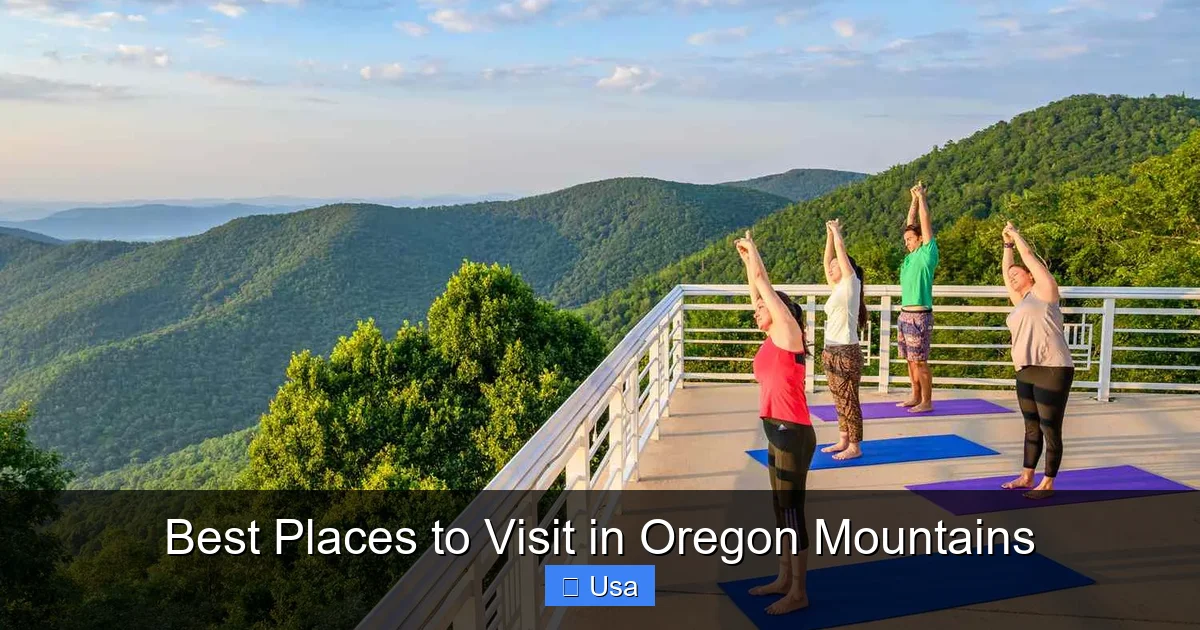
Mount Hood, Oregon’s highest peak, stands tall and proud, dominating the skyline for miles around. This majestic stratovolcano is a year-round destination, offering a wealth of activities for nature lovers and outdoor enthusiasts. Its vast national forest encompasses diverse ecosystems, from lush valleys to snow-capped summits.
Activities on Mount Hood
Mount Hood is a playground for adventure.
- Skiing and Snowboarding: With multiple resorts like Timberline Lodge, Mt. Hood Meadows, and Ski Bowl, it’s a premier destination for winter sports. Timberline Lodge even offers summer skiing on its Palmer Glacier!
- Hiking: The forest boasts hundreds of miles of trails. Popular hikes include the Timberline Trail (a challenging loop around the mountain), Tamanawas Falls Trail (to a stunning waterfall), and McNeil Point Trail (for incredible glacier views).
- Climbing: For experienced climbers, summiting Mount Hood is a significant achievement. Guided ascents are highly recommended due to the inherent dangers.
- Scenic Drives: The Mount Hood Scenic Byway provides breathtaking views and access to many trailheads and viewpoints.
Timberline Lodge: A Historic Gem
Timberline Lodge, a National Historic Landmark, is more than just a ski resort; it’s an architectural marvel perched at 6,000 feet on the south slope of Mount Hood. Featured in the iconic film “The Shining,” its rustic grandeur, massive stone fireplace, and stunning views make it a must-visit, even if you’re not hitting the slopes. You can enjoy a meal with a view or simply soak in the historic atmosphere.
Best Stay Deals Available
Compare prices across top booking platforms and find the best deal for your stay.
Check Available RoomsTips for Visiting Mount Hood
Be prepared for changing weather conditions, especially at higher elevations. Pack layers, sturdy hiking boots, and plenty of water. If you plan to ski or snowboard, purchase lift tickets in advance. For hikers, download offline maps and inform someone of your hiking plans.
Wallowa Mountains: The “Alps of Oregon”
Visual guide about Best Places to Visit in Oregon Mountains
Image source: trekbible.com
The Wallowa Mountains, located in northeastern Oregon, are often referred to as the “Alps of Oregon” for good reason. This dramatic mountain range features jagged peaks, alpine lakes, vast meadows, and a true sense of wilderness. It’s a destination for those seeking a more remote and rugged mountain experience.
The Eagle Cap Wilderness
The heart of the Wallowa Mountains is the Eagle Cap Wilderness, the largest wilderness area in Oregon. This area is a hiker’s and backpacker’s dream, with trails leading to stunning alpine lakes like Mirror Lake, Aneroid Lake, and Ice Lake. The landscape here is truly breathtaking, with granite peaks reflecting in pristine waters.
Hiking and Backpacking in the Wallowas
Getting into the Eagle Cap Wilderness typically involves a hike.
- Minam Lake Trail: A popular starting point for accessing the southern Wallowas, leading to stunning lakes and meadows.
- Tamarack Trail: Connects various trails and offers access to many of the high alpine lakes.
- Imnaha River Trail: A longer, more strenuous option that follows the river through dramatic canyons.
Backpacking here requires planning, including permits for certain areas and bear canisters. The remoteness means you’ll encounter fewer crowds and a more profound connection with nature.
Getting to the Wallowas
The nearest larger towns are Enterprise and Joseph. From these towns, you can access trailheads. The Wallowa Lake Tramway in Joseph offers a scenic ride to the Eagle Cap Wilderness boundary, providing access to higher elevation trails without a strenuous initial climb. It’s a fantastic way to get a taste of the Wallowas’ grandeur.
Three Sisters Wilderness: A Volcanic Trio
Visual guide about Best Places to Visit in Oregon Mountains
Image source: i.pinimg.com
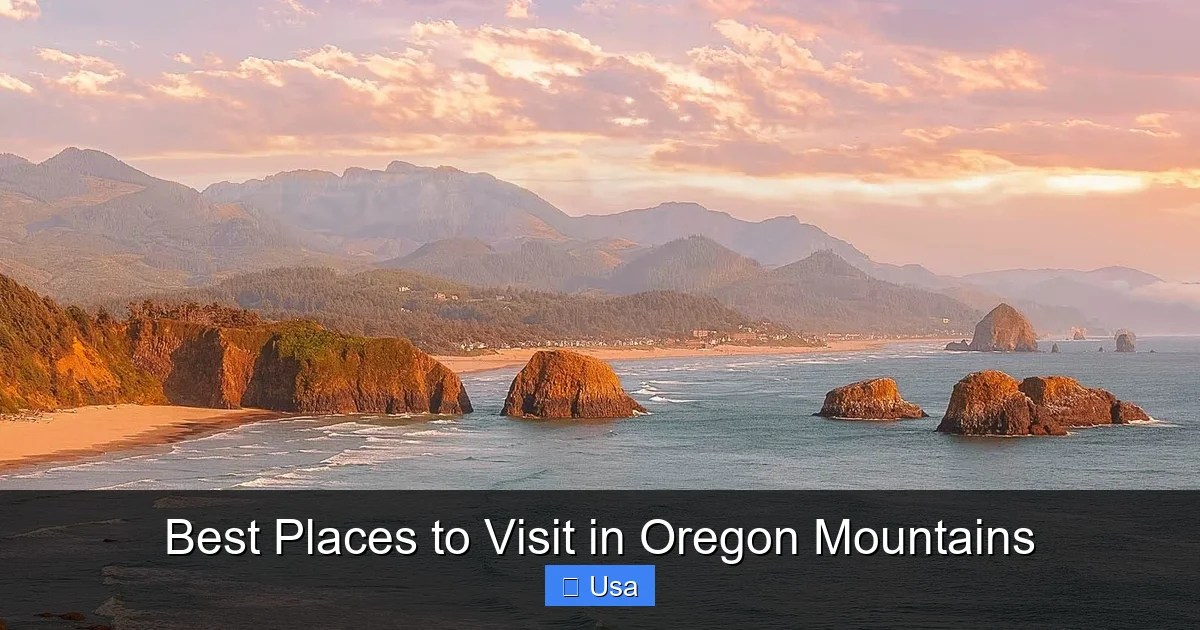
The Three Sisters Wilderness, south of Mount Hood, is a vast and stunning area dominated by three prominent stratovolcanoes: North Sister, Middle Sister, and South Sister. This wilderness is a haven for hikers and backpackers seeking dramatic volcanic landscapes, alpine meadows, and pristine lakes.
Hiking and Backpacking Trails
The wilderness offers numerous trails, catering to various skill levels.
- Green Lakes Trail: A very popular hike leading to a series of beautiful alpine lakes nestled beneath the South Sister. It’s a great day hike or a starting point for overnight trips.
- Soda Creek Trail: Offers access to the northern part of the wilderness, with beautiful forest and meadow sections.
- Pacific Crest Trail (PCT): A section of the iconic PCT passes through the Three Sisters Wilderness, offering through-hiker experiences and shorter day-hike opportunities.
A wilderness permit is required for overnight stays and is often a lottery system during peak season, especially for popular areas like Green Lakes.
Mounting the South Sister
For experienced and fit hikers, summiting South Sister (10,358 feet) is a challenging but incredibly rewarding endeavor. The trail is steep and rugged, often requiring an early start to avoid afternoon storms. The panoramic views from the summit are unparalleled, stretching across the Oregon Cascades.
Conservation Efforts
The Three Sisters Wilderness is a popular and beloved area, which means conservation is crucial. Always practice Leave No Trace principles, stay on designated trails, and pack out everything you pack in. Understanding and adhering to permit requirements helps protect this fragile ecosystem for future generations.
John Day Fossil Beds National Monument: A Geological Wonderland
While not a traditional mountain range, the John Day Fossil Beds National Monument offers a unique and visually stunning mountainous-adjacent landscape in Eastern Oregon. This area showcases millions of years of geological history through its vibrant, undulating badlands and rich fossil beds.
Exploring the Painted Hills Unit
The Painted Hills unit is perhaps the most iconic section, with its rolling hills displaying an incredible palette of reds, yellows, oranges, and purples. These colors come from different mineral deposits and geological eras. Hiking trails here are generally easy and lead you through these surreal landscapes.
The Sheep Rock and Clarno Units
The Sheep Rock Unit offers a mix of colorful buttes and canyons, along with the Thomas Condon Paleontology Center, where you can learn about the fossils discovered in the area. The Clarno Unit features towering nut-shaped rock formations, remnants of ancient landslides.
Practical Tips for Visiting
The Painted Hills are best seen in the late afternoon or early morning light when the colors are most vibrant. Bring plenty of water, as this is a desert environment with little shade. While not “mountains” in the traditional sense, the rugged terrain and dramatic geological formations offer a similar sense of awe and exploration.
Oregon Cascades Scenic Bikeway: Mountains from Two Wheels
For a different perspective on the Oregon mountains, consider the Oregon Cascades Scenic Bikeway. This 770-mile route is considered one of the premier long-distance cycling routes in the United States. It winds through diverse landscapes, including mountain passes, forests, and charming small towns.
A Journey Through Mountain Passes
The bikeway takes you over several mountain passes, offering stunning vistas without the need for a strenuous hike. You’ll experience the grandeur of the Cascades from a unique vantage point. While cycling, you’ll pass by many of the natural attractions mentioned earlier, including glimpses of Mount Hood and the edges of national forests.
Planning Your Cycling Adventure
This route is best tackled in sections or as a multi-week expedition. It’s recommended for experienced cyclists comfortable with varied terrain and elevation changes. Services are available in many towns along the route, but planning is essential for food and lodging.
Frequently Asked Questions
What is the best time of year to visit the Oregon mountains?
The best time to visit most Oregon mountain destinations is during the summer months (July through September) when the weather is generally mild and most trails and roads are accessible. However, shoulder seasons can offer fewer crowds. Winter offers unique opportunities for snow sports but limits access to many areas.
Are there any fees to enter Oregon’s mountain national parks or forests?
Yes, typically there are entrance fees for national parks like Crater Lake. National Forests usually require a recreation pass for day-use areas or if you plan to stay overnight at developed campgrounds. America the Beautiful passes can cover many of these fees.
What should I pack for a trip to the Oregon mountains?
Essential items include layers of clothing (including waterproof and windproof outer shells), sturdy hiking boots, sunscreen, insect repellent, a first-aid kit, plenty of water, and high-energy snacks. Don’t forget a map and compass or GPS device, especially for hiking.
Is it safe to hike alone in the Oregon mountains?
While many people hike alone, it’s always recommended to inform someone of your hiking plans, including your intended route and expected return time. Be aware of your surroundings, wildlife, and changing weather conditions. Stick to marked trails and know your limits.
What kind of wildlife can I expect to see in the Oregon mountains?
You might see a variety of wildlife, including deer, elk, black bears, marmots, various bird species, and smaller mammals like squirrels and chipmunks. Always maintain a safe distance and never feed wild animals.
Are there opportunities for camping in the Oregon mountains?
Absolutely! Oregon’s mountain regions offer a wide range of camping options, from developed campgrounds with amenities in national forests and parks to primitive backcountry camping in designated wilderness areas. Reservations are often recommended, especially during peak season.