
When embarking on a backpacking adventure, staying protected from the elements is crucial. While traditional tents offer shelter, many backpackers are seeking lighter, more versatile options. This is where tarp tents shine. These minimalist shelters, often just a durable tarp configured into a tent shape, provide an excellent balance of protection, weight savings, and adaptability. In this roundup, we’ll explore some of the best tarp tents for backpacking, focusing on their features, performance, and what makes them stand out for outdoor enthusiasts.
Quick Product Comparison
Our Top 4 Best Tarp Tents For Backpacking Reviews – Expert Tested & Recommended
Check the latest prices and available rooms before they sell out.
1. Wise Owl Outfitters Waterproof Hammock Rain Fly
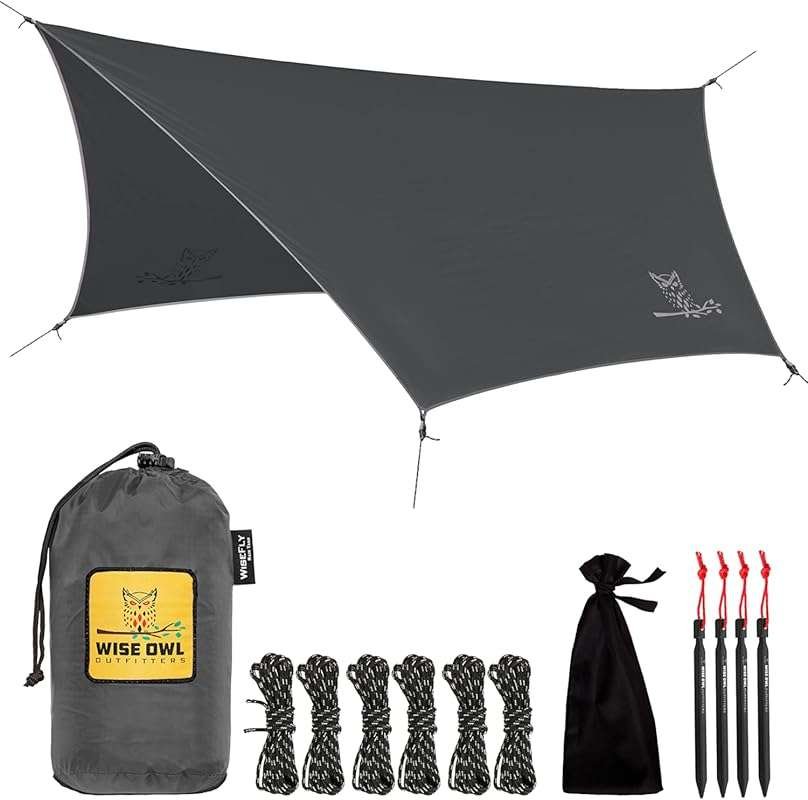
The Wise Owl Outfitters Waterproof Hammock Rain Fly is designed to provide reliable shelter for your hammock setup. It’s crafted from ripstop nylon with taped seams, ensuring it can effectively block rain and keep you dry. This tarp is not just about rain protection; it also offers shade on sunny days, making it a versatile addition to your backpacking gear checklist.
Key Features That Stand Out
- ✓Ripstop Nylon Fabric: Durable and water-resistant for long-lasting performance.
- ✓Taped Seams: Enhances waterproofing and prevents leaks.
- ✓All-in-One Setup: Includes guy lines, stakes, and a carry bag for easy deployment.
- ✓Lightweight and Compact: Weighs only 18.9 oz and packs down small.
Why We Recommend It
This tarp is an excellent choice for backpackers who value both protection and minimal weight. Its ease of setup and robust construction make it a dependable shelter in various weather conditions, ensuring a more comfortable camping experience.
Best For
Ideal for hammock campers seeking a lightweight and reliable rain fly, as well as hikers who need a versatile ground tarp or sun shelter.
Pros and Cons
Pros:
- Exceptional waterproof performance.
- Comes with a complete setup kit.
- Very lightweight and packs down small.
- Durable construction for its weight class.
Cons:
- May require practice to achieve the optimal pitch.
- The included stakes are basic; upgrading might be beneficial for rocky terrain.
Customer Reviews
Customer Review: Works great to keep you dry under your hammock! It is also good for keeping the sun off of you while in your hammock. The stakes allow you to set it up easily. I used this in a downpour and it kept me dry while in my hammock. Packs down into a small carry case. Well made and seems like it will hold.
Customer Review: TLDR; Great value, strong, light, waterproof. Much better than I was expecting. I’ve been backpacking for 30 years, and have never carried a tarp into the woods to use as a secondary rainfly. I never thought the extra bulk would be worth it beyond what comes with my tent. I finally decided to go for.
Find the Best Accommodation Deals
Compare prices from multiple booking platforms and find the best option for your stay.
Compare Hotel Prices2. Waterproof Camping Tarp Footprint
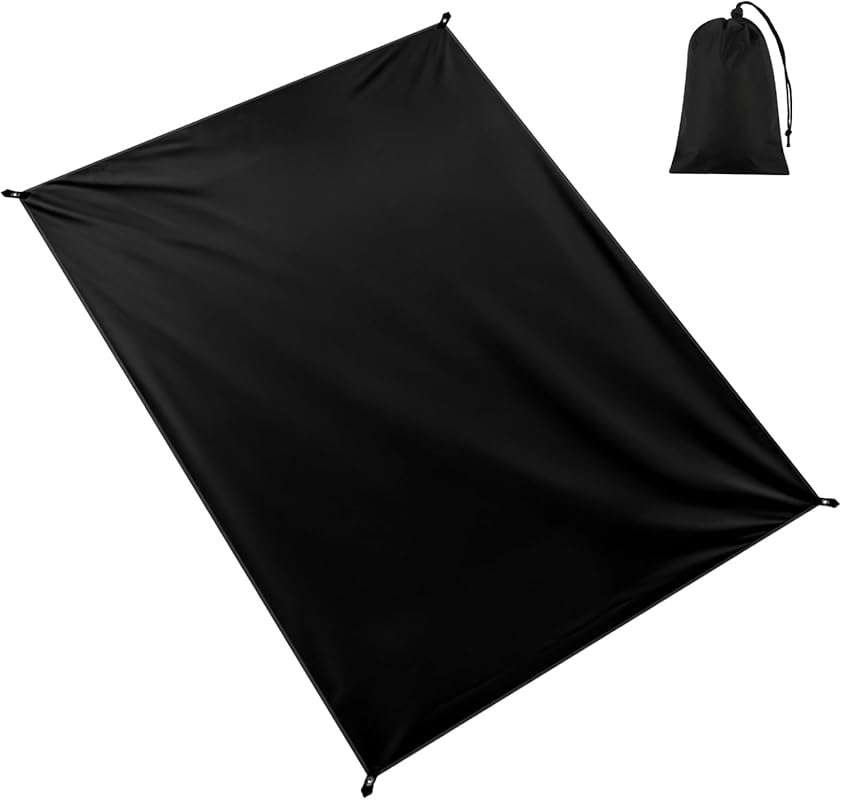
This ultralight tent floor mat is designed to protect your tent from the ground up. Made from waterproof 210T polyester fabric with a silver waterproof coating, it offers double protection against moisture. Its tear-resistant properties ensure durability, making it a reliable companion for hiking and backpacking trips where protecting your gear is paramount.
Find the Best Accommodation Deals
Compare prices from multiple booking platforms and discover the best stay options available.
⭐ Trusted by thousands of travelers
💰 Budget to luxury options available
Key Features That Stand Out
- ✓Dual Waterproof Protection: 210T polyester with a silver waterproof coating.
- ✓Tear-Resistant Material: High-density fabric built to withstand wear and tear.
- ✓Lightweight and Portable: Comes with a storage bag and is easy to carry.
- ✓Versatile Use: Suitable for camping, hiking, and as a general ground cover.
Why We Recommend It
We love this footprint for its robust protection and portability. It’s an essential item to extend the life of your tent floor and add an extra layer of defense against damp ground, ensuring a more comfortable night’s sleep.
Best For
Backpackers and hikers who want to protect their tent floor from abrasion and moisture, extending the lifespan of their gear.
Pros and Cons
Pros:
- Provides excellent ground protection and waterproofing.
- Durable and resistant to tearing.
- Lightweight and packs away easily.
- Good value for the protection offered.
Cons:
- Can be a bit tricky to fold back into its original bag.
- May not fit tents that are significantly larger than its specified dimensions.
Customer Reviews
Customer Review: Lightweight, easy to use, perfect for my needs. Read more.
Customer Review: Lightweight, easy to use, perfect for my needs. Read more.
Best Stay Deals Available
Compare prices across top booking platforms and find the best deal for your stay.
Check Available Rooms3. Unigear Hammock Rain Fly Tent Tarp
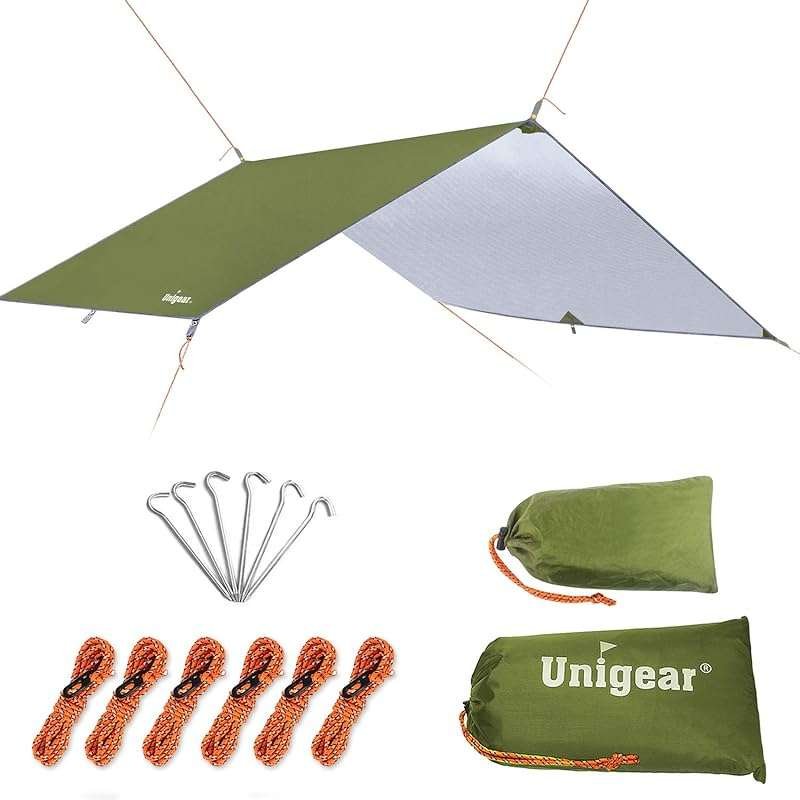
The Unigear Hammock Rain Fly offers robust protection against rain and sun at an accessible price point. Made from 210D rip-stop Oxford fabric with a PU 3000mm waterproof rating, it’s designed to be durable and reliable. The reinforced tie-out points and dual-layer construction at fixed points enhance its longevity and ability to withstand the elements, making it a great option for budget-conscious backpackers.
Key Features That Stand Out
- ✓High Waterproof Rating: PU 3000mm ensures excellent water resistance.
- ✓Reinforced Tie-Out Points: Triangle dual-layer reinforcement for increased durability.
- ✓UV Protection: Inner silver coating provides shade and blocks harmful UV rays.
- ✓Versatile Configuration: Suitable for hammocks, tents, and as a general shelter.
Why We Recommend It
This tarp is a fantastic budget-friendly option that doesn’t compromise on essential features. It provides reliable protection from rain and sun, making it a smart choice for anyone looking to enhance their outdoor setup without breaking the bank.
Best For
Backpackers and campers on a budget who need a dependable and versatile tarp for shelter and protection.
Pros and Cons
Pros:
- Excellent value for money.
- Good waterproofing and UV protection.
- Durable construction with reinforced points.
- Multiple tie-out points allow for various pitching configurations.
Cons:
- The color might appear darker in person than in product photos.
- While durable, the fabric might be slightly heavier than some ultralight options.
Customer Reviews
Customer Review: I have purchased two versions of this tarp, the large 10×16 foot and the small 10×10 foot. I have had the 10×16 tarp since 2021 and have used it over 10 times. I live in the Pacific Northwest, and commonly camp in wet and cold conditions. I have used this tarp in both summer to keep cool, and win.
Customer Review: There’s no way to tell how this will hold up over the years but it appears well-made. The tie out points are reinforced fairly well. I like that there are a number of tie out points in the sides and center points. The colors are darker than they appear in the photos here. The underside is silver.
4. Clostnature Tent Footprint
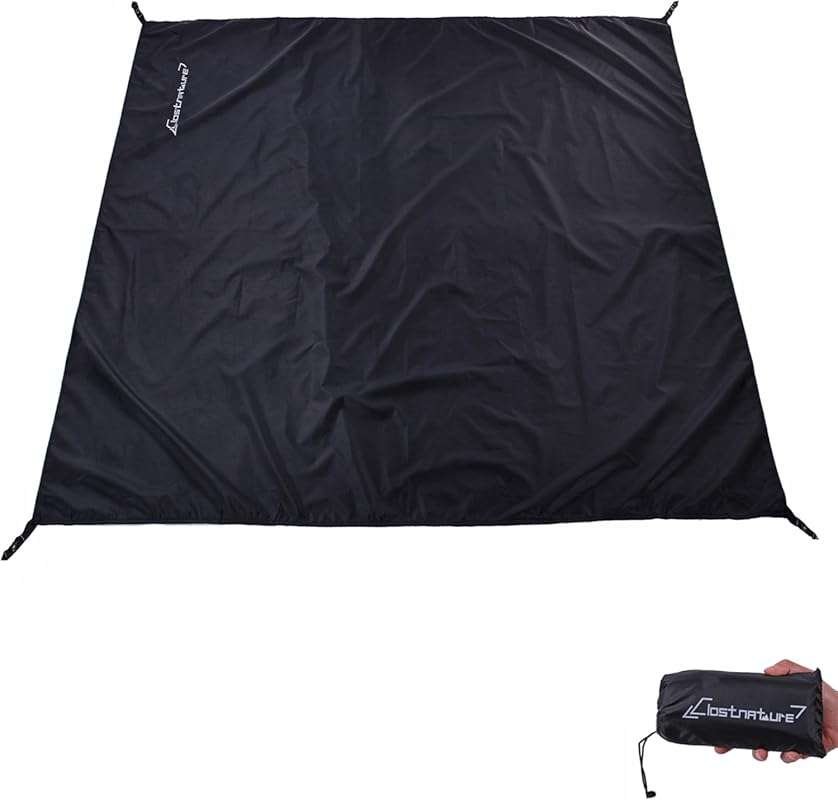
The Clostnature Tent Footprint is a heavy-duty, ultralight ground sheet designed to protect your tent floor. It’s made from ripstop material, offering excellent durability and tear resistance. This footprint not only shields your tent from abrasion and moisture but can also be used as a standalone ground cover or sunshade, making it a practical and versatile piece of gear for any backpacker.
Key Features That Stand Out
- ✓Heavy Duty Construction: Made from durable ripstop material for long-lasting use.
- ✓Tent Floor Protection: Prevents wear and tear and adds a layer of waterproofing.
- ✓Ultralight and Compact: Weighs only 6.3 oz and folds down small.
- ✓Versatile Application: Can be used as a groundsheet, sunshade, or emergency shelter.
Why We Recommend It
This footprint is an excellent investment for protecting your tent and enhancing your camping comfort. Its lightweight design and rugged build make it a go-to choice for backpackers who demand durability and practicality.
Best For
Backpackers who want to protect their tent floors, add a layer of waterproofing, and have a versatile ground cover for various outdoor scenarios.
Pros and Cons
Pros:
- Highly durable and tear-resistant.
- Adds significant protection to tent floors.
- Extremely lightweight and packable.
- Can be used for multiple purposes beyond just a tent footprint.
Cons:
- The specific size might require careful selection to match your tent.
- Does not come with grommets, relying on tent stakes or tie-outs around the edges for setup.
Customer Reviews
Customer Review: I bought this to use as a shade and it did everything I needed it to do. It does protect from the sun well. Quality seem good and also durable. I recommend this product if you’re trying to use it for shade but I’m sure it works well for camping tents as well.
Customer Review: This footprint is just the right size for the corresponding tent from the same manufacturer. It packs very light, but provides protection for the tent itself. It has handy holes positioned perfectly for the tent’s poles, making it easy to set up. One thing people often overlook is that the footprint.
Complete Buying Guide for Best Tarp Tents For Backpacking
Essential Factors We Consider
When choosing the best tarp tents for backpacking, several key factors come into play. We meticulously evaluate materials for durability and waterproofing, looking for robust fabrics like ripstop nylon or polyester with high waterproof ratings (e.g., PU coatings of 1500mm or higher). Weight is another critical consideration for backpackers; lighter tarps reduce the overall burden on your shoulders, making longer treks more manageable. We also assess the design for versatility, checking how easily it can be pitched in various configurations to adapt to different terrains and weather conditions. The inclusion of essential accessories like guy lines and stakes, as well as the overall packability of the tarp, are also important for user convenience.
Budget Planning
The price range for tarp tents can vary significantly. While basic tarps can be quite affordable, high-performance, ultralight options with advanced features will naturally command a higher price. When planning your budget, consider the long-term value. A slightly more expensive tarp that is more durable and reliable might save you money in the long run by lasting longer and providing better protection. Think about your typical backpacking conditions and how much protection you truly need. For casual weekend trips, a budget-friendly option might suffice, but for serious multi-day expeditions in challenging environments, investing in a premium tarp tent is often worthwhile. Remember to factor in the cost of any additional accessories you might need, such as trekking poles for pitching or lighter stakes.
Final Thoughts
Selecting the right tarp tent is a personal decision that depends on your specific backpacking style, the conditions you’ll encounter, and your budget. Whether you prioritize ultralight weight, maximum waterproofing, or versatility, there’s a tarp tent out there to meet your needs. By considering the factors outlined in this guide and reviewing the top picks, you can confidently choose a shelter that will enhance your outdoor adventures and keep you protected on the trail. Remember to also pack appropriate backpacking food ideas and essential gear to round out your trip.
Frequently Asked Questions
Q: What is the main advantage of using a tarp tent for backpacking?
A: The primary advantage of a tarp tent for backpacking is its significantly lower weight and smaller packed size compared to traditional tents. This makes it easier to carry on long treks, and its versatile design allows for various pitching configurations to adapt to different environments.
Q: Are tarp tents as protective as regular tents?
A: Tarp tents, when properly pitched, offer excellent protection from rain and wind. However, they often lack built-in bug netting and a solid floor, meaning you might need to add a bivy sack or ground cloth for complete protection against insects and ground moisture. They require more user skill to set up effectively.
Q: What kind of weather are tarp tents best suited for?
A: Tarp tents are excellent for fair to moderately wet weather conditions. Their open designs can be susceptible to strong winds if not pitched correctly. For extreme conditions like heavy snow or prolonged torrential rain, a more robust, enclosed tent might be a better choice, though high-quality tarps can handle a lot.
Q: How do I pitch a tarp tent?
A: Pitching a tarp tent typically involves using trekking poles, trees, or custom-made tarp poles to support the fabric. You’ll use the included guy lines and stakes to create tension and shape the tarp into a shelter. There are many different pitching configurations, such as an A-frame, lean-to, or more complex designs, depending on the tarp and your needs.
Q: Can I use a tarp tent for winter backpacking?
A: While possible, using a tarp tent for winter backpacking requires extra preparation. You’ll need to ensure you have a well-insulated sleeping pad and bag, and you might want to add a ground cloth to prevent snow from blowing in. Some ultralight winter backpackers prefer them for their weight savings, but it demands skill and experience.
When it comes to backpacking, every ounce counts, and a good shelter can make or break your trip. Tarp tents offer a fantastic compromise between protection and minimalist design, allowing you to travel lighter and more efficiently. Whether you’re a seasoned ultralight enthusiast or just looking to reduce your pack weight, exploring the world of tarp tents is a worthwhile endeavor. Consider your needs, check out the options, and get ready to enjoy the freedom of the trail with a shelter that truly complements your adventure. For more gear insights, check out our guide on the best backpacking gear checklists.