
The best time to visit Texas depends on your interests, but generally, spring (March-May) and fall (September-November) offer the most pleasant weather with mild temperatures and fewer crowds. These seasons are ideal for exploring cities, enjoying outdoor activities, and experiencing Texas’s vibrant culture without extreme heat or humidity.
Texas is a huge state, brimming with diverse landscapes and exciting experiences! From the sunny beaches of the Gulf Coast to the rolling hills of the Hill Country and the vast deserts of West Texas, there’s something for everyone. But with such variety, figuring out the perfect time to plan your trip can feel a little overwhelming.
Check the latest prices and available rooms before they sell out.
Don’t worry, planning your Texas adventure is easier than you think! This guide is designed to help you pinpoint the ideal time to visit, ensuring you have an amazing experience tailored to your preferences.
Let’s dive in and discover when Texas is just right for you!
Why Timing Matters for Your Texas Trip
Choosing the right time to visit Texas can make all the difference in your trip’s enjoyment. Think about it: would you rather explore the Alamo in comfortable 75°F weather or in a sweltering 100°F heat?
Weather is a big factor, of course. Texas experiences everything from chilly winters in the Panhandle to scorching summers across the state. But it’s not just about the temperature.
Crowds, prices, and local events also play a significant role. Visiting during peak season might mean higher hotel rates and longer lines, while an off-season trip could offer great deals and a more relaxed pace.
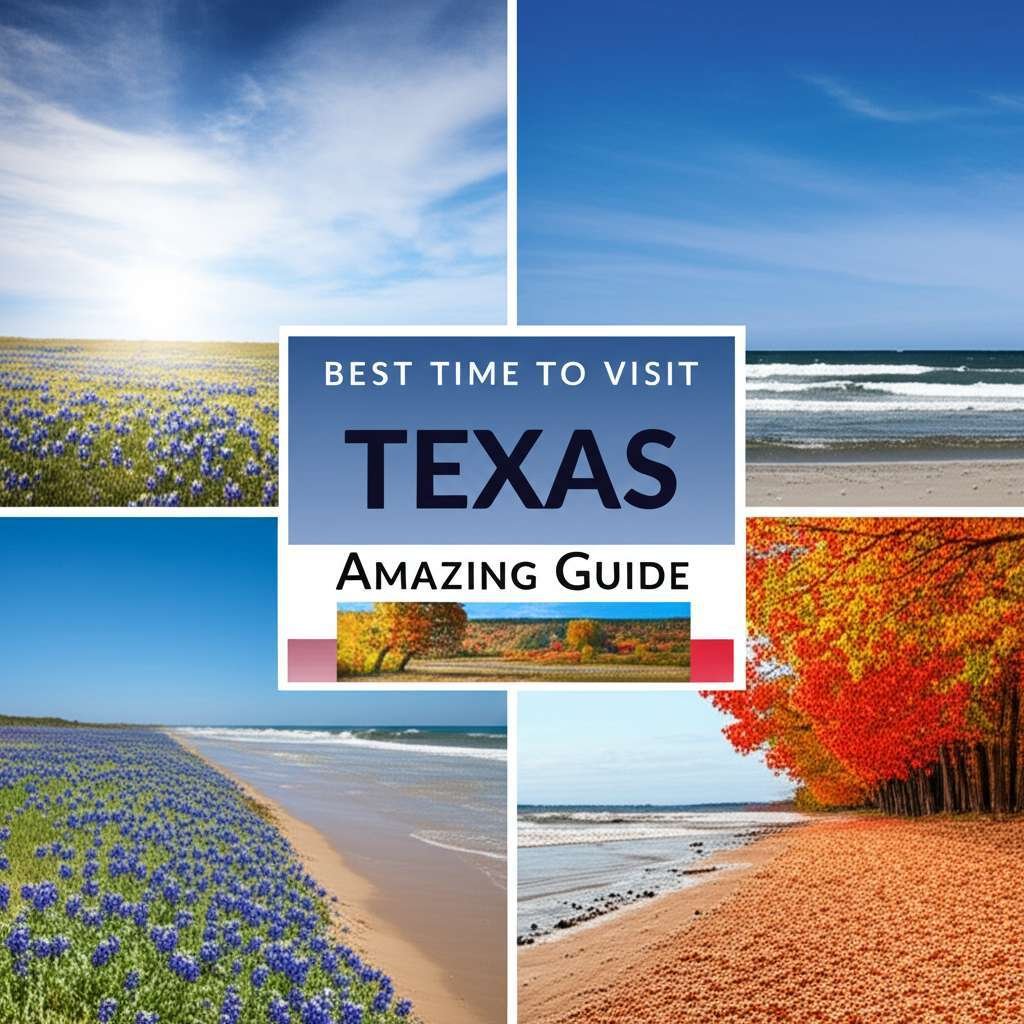
This guide will break down the best times to visit Texas, considering weather, events, and your budget. We’ll help you avoid common travel pitfalls and find your perfect Texas moment.
Find the Best Accommodation Deals
Compare prices from multiple booking platforms and find the best option for your stay.
Compare Hotel PricesUnderstanding Texas’s Diverse Climate
Texas is the second-largest state in the US, and its size means it has several distinct climate zones. What’s pleasant in Houston might be different in El Paso!
Generally, Texas has a humid subtropical climate in the east and a semi-arid climate in the west. This translates to hot summers, mild winters (though they can get cold, especially in the north), and significant rainfall in the eastern parts.
Find the Best Accommodation Deals
Compare prices from multiple booking platforms and discover the best stay options available.
⭐ Trusted by thousands of travelers
💰 Budget to luxury options available
The biggest weather challenge for many visitors is the summer heat. From June to August, temperatures regularly soar into the 90s and 100s Fahrenheit across much of the state, often accompanied by high humidity.
The Best Time to Visit Texas: A Seasonal Breakdown
To help you choose, let’s look at what each season offers.
Spring (March – May): The Sweet Spot
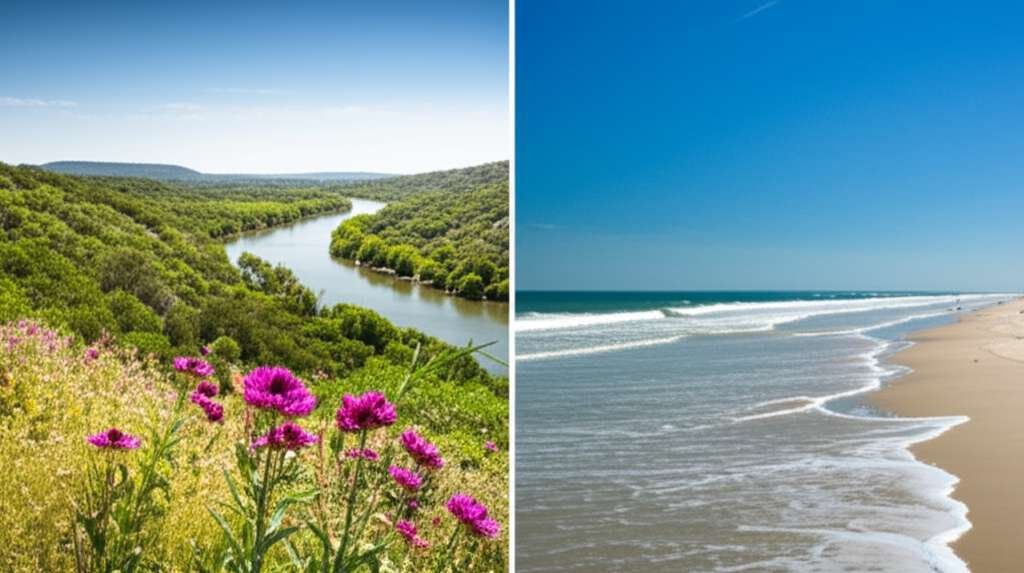
Spring is widely considered the best time to visit Texas for many travelers. The weather is usually delightful, with comfortable temperatures perfect for outdoor activities.
Best Stay Deals Available
Compare prices across top booking platforms and find the best deal for your stay.
Check Available Rooms Temperatures: Expect highs ranging from the 60s to the 80s Fahrenheit, depending on the month and region. It’s warm enough for exploring but rarely too hot.
Scenery: Wildflowers, especially the famous Texas bluebonnets, bloom beautifully across the state, particularly in the Hill Country, from late March to mid-April. It’s a photographer’s dream!
Activities: This is prime time for hiking, biking, visiting state parks, exploring city attractions, and enjoying outdoor festivals.
Crowds & Prices: Spring break (mid-March) can see increased crowds and prices, especially in popular tourist areas and along the coast. Otherwise, it’s generally less crowded than summer.
Summer (June – August): Embrace the Heat (or Stay Indoors!)
Summer in Texas is synonymous with heat. If you love scorching temperatures and don’t mind seeking air-conditioned escapes, you can still have a great time.
Temperatures: Highs are consistently in the 90s and 100s Fahrenheit across the state, with humidity making it feel even hotter.
Scenery: Lush green landscapes after spring rains, but many wildflowers will have faded.
Activities: Beach trips to Galveston or Corpus Christi are popular, as are water parks and indoor attractions like museums and shopping malls. Evening events are often more comfortable.
Crowds & Prices: This is peak tourist season, especially with school holidays. Expect larger crowds and higher prices for accommodations and flights.
Fall (September – November): Another Perfect Season
Just like spring, fall offers a fantastic window for visiting Texas. The oppressive summer heat gives way to pleasant, mild weather.
Temperatures: Highs typically range from the 70s to the 80s Fahrenheit in September, gradually cooling to the 60s and 70s in November.
Scenery: The foliage in parts of Texas, like the Piney Woods and Hill Country, can offer beautiful autumn colors, though it’s not as dramatic as in New England.
Activities: Excellent for exploring cities, visiting ranches, enjoying outdoor dining, and attending fall festivals like Oktoberfest celebrations.
Crowds & Prices: September can still be warm and humid, but crowds and prices generally decrease after Labor Day. November is often a sweet spot before the holiday rush.
Winter (December – February): Mild in the South, Colder in the North
Texas winters are generally mild, especially in the southern parts of the state. However, the Panhandle and North Texas can experience colder temperatures, ice, and even snow.
Temperatures: Southern Texas might see daytime highs in the 60s and 70s Fahrenheit, while North Texas can have highs in the 40s and 50s, with occasional freezes.
Scenery: Dormant landscapes, but often clear, crisp days perfect for photography.
Activities: Great for exploring museums, enjoying holiday lights and events in December, and visiting attractions without the summer heat. South Padre Island can still be pleasant for a winter getaway.
Crowds & Prices: December is busy with holiday travelers, but January and February are typically the least crowded months, offering the best deals on accommodations.
Best Time to Visit Texas by Region
Texas is vast, so let’s break down ideal times for some popular regions.
The Texas Hill Country
Known for its rolling hills, wineries, charming towns (like Fredericksburg and Wimberley), and wildflowers.
Best Time: Spring (March-May) for wildflowers and mild weather. Fall (September-October) for pleasant temperatures and harvest festivals.
Considerations: Spring break can be crowded. Summers are hot.
Big Bend National Park & West Texas
Vast desert landscapes, mountains, and starry nights.
Best Time: Spring (March-May) and Fall (September-November) offer the most comfortable hiking temperatures.
Considerations: Summers are extremely hot (often exceeding 100°F). Winters can be cold at night, but daytime is usually pleasant. Always check the weather forecast for this rugged area.
The Texas Gulf Coast (Galveston, Corpus Christi, South Padre Island)
Beaches, seafood, and coastal activities.
Best Time: Spring (April-May) and Fall (September-October) for warm, sunny days without the peak summer heat and humidity.
Considerations: Summer is popular for beach vacations but very hot and humid. Winters are mild and a good time for birdwatching or escaping colder climates. Hurricane season runs from June 1 to November 30, so monitor forecasts if traveling during this period.
Major Cities (Austin, San Antonio, Dallas, Houston)
Culture, food, music, and history.
Best Time: Spring (March-May) and Fall (September-November) are ideal for exploring these cities on foot and enjoying their numerous outdoor events and attractions.
Considerations: Summers are hot and humid, making extensive outdoor exploration challenging. Winters are generally mild, though occasional cold snaps occur.
Texas’s Top Events and Festivals: Timing Your Visit Around Fun
Texas hosts incredible events year-round. Planning your trip around a festival can be a fantastic way to experience local culture.
Spring Events
South by Southwest (SXSW) (Austin): Mid-March. A massive festival of music, film, and interactive media. Expect huge crowds and high prices in Austin.
Texas Hill Country River Region Wildflower Season: Late March to mid-April. Drive scenic routes to see bluebonnets and Indian paintbrush.
State Fair of Texas (Dallas): Usually late September through October. (Yes, it starts in fall but is often associated with the end of summer/start of fall). Correction: The State Fair of Texas is primarily a fall event. This was a slight misplacement in the seasonal context. It’s a major highlight for fall visitors.
Fiesta San Antonio: April. A city-wide celebration with parades, music, and food.
Summer Events
Fourth of July Celebrations: All across Texas. Many towns have fireworks and parades.
Renaissance Festivals: Various locations, often starting in late summer/early fall.
Fall Events
State Fair of Texas (Dallas): Late September to October. Iconic fair with rides, food, and entertainment.
Oktoberfests: Throughout September and October in German-heritage towns like Fredericksburg and New Braunfels.
Alamo City Comic Con (San Antonio): Late September/early October.
Christmas Lights: Starting late November, cities like Austin, Dallas, and San Antonio light up with spectacular displays.
Winter Events
Holiday Markets & Events: December. Numerous Christmas markets and light displays.
Zilker Park Tree Lighting (Austin): Early December.
San Antonio River Walk during Christmas: Beautiful lights and decorations.
Quick Guide: Best Time to Visit Texas by Activity
Here’s a handy table to help you match your interests with the best season.
| Activity/Interest | Best Time to Visit Texas | Notes |
| :————————- | :—————————————————— | :———————————————————————————————— |
| Wildflower Viewing | March – April (peak is often mid-April) | Primarily in the Texas Hill Country. |
| Hiking & Outdoor Sports| Spring (March-May) & Fall (September-November) | Avoids extreme heat. Spring offers wildflowers, fall has cooler temps. |
| Beach Vacation | Spring (April-May) & Fall (September-October) | Pleasant temperatures, less humidity than summer. Monitor hurricane season (June-Nov). |
| City Exploration | Spring (March-May) & Fall (September-November) | Comfortable for walking and outdoor dining. |
| Visiting National Parks| Spring (March-May) & Fall (September-November) | Especially crucial for Big Bend due to extreme summer heat. |
| Attending Festivals | Varies by event; check specific dates. | Spring and Fall have many major cultural festivals. Summer has holiday events. |
| Budget Travel | Winter (January-February, excluding holidays) | Lowest demand means best prices for flights and lodging. |
| Avoiding Crowds | Winter (January-February) or shoulder months (late May, early September) | Avoid major holidays and spring break. |
| Experiencing Heat | Summer (June-August) | If you love intense heat and water activities, this is your time. |
Tips for First-Time Visitors
Planning your first trip to Texas? Here are some beginner-friendly tips to make your journey smooth and enjoyable.
Pack Layers: Texas weather can be unpredictable. Even in warmer months, evenings can cool down, and air conditioning can be very strong indoors.
Stay Hydrated: Especially if you’re visiting during warmer months. Carry a reusable water bottle.
Rent a Car: Texas is vast, and public transportation isn’t always convenient, especially outside major cities or for exploring rural areas. A rental car offers the most flexibility.
Book Accommodation in Advance: For popular seasons or major events, booking your hotel or rental early is wise to secure good rates and availability.
Embrace the Food Scene: Texas is famous for its BBQ, Tex-Mex, and diverse culinary offerings. Be adventurous and try local specialties!
Check Local Event Calendars: Before you go, see what’s happening in the areas you plan to visit. You might discover a unique festival or concert.
Be Aware of Driving Distances: What looks close on a map can be a significant drive. Factor this into your itinerary.
What to Pack for Your Texas Adventure
Packing smart can significantly enhance your comfort.
Lightweight Clothing: Cotton or breathable fabrics are best for warmer weather.
Sun Protection: Sunscreen, a wide-brimmed hat, and sunglasses are essential year-round.
Comfortable Walking Shoes: You’ll be doing a lot of exploring!
A Light Jacket or Sweater: For cooler evenings or air-conditioned places.
Rain Gear: Especially if visiting East Texas during spring or summer, when thunderstorms are common.
Swimsuit: If you plan on visiting beaches or water parks.
Insect Repellent: Useful for outdoor activities, especially near water or during dawn/dusk.
External Resources for Planning
For more in-depth information and official guidance, check out these resources:
Texas Tourism Official Website: Travel Texas is the official tourism site for Texas, offering inspiration, guides, and event information.
* National Park Service – Big Bend: For detailed information on visiting Big Bend National Park, including current conditions and alerts, visit the NPS website for Big Bend.
Frequently Asked Questions About Visiting Texas
Here are some common questions beginners have about planning a trip to the Lone Star State.
What is the absolute worst time to visit Texas?
The absolute worst time for most visitors is typically mid-summer (July-August) due to the extreme heat and high humidity across most of the state. This can make outdoor activities uncomfortable or even unsafe.
Is Texas safe to visit?
Yes, Texas is generally a safe destination for tourists. Like any large state, it has areas with higher crime rates, but these are usually confined to specific urban neighborhoods. Practicing common sense, being aware of your surroundings, and taking standard safety precautions will ensure a safe and enjoyable trip.
Can you visit Texas in December without freezing?
Yes, you absolutely can visit Texas in December without freezing, especially in the southern half of the state. While North Texas and the Panhandle can experience cold weather and occasional ice or snow, cities like San Antonio, Houston, and Corpus Christi often enjoy mild, pleasant daytime temperatures in the 60s Fahrenheit. It’s a great time for holiday lights and festive events.
What are the biggest cities to visit in Texas?
The largest and most popular cities to visit in Texas include Houston (known for its space center and diverse culture), Dallas (a hub for business, arts, and shopping), San Antonio (rich in history with the Alamo and River Walk), and Austin (the vibrant live music capital). Fort Worth also offers a distinct Western heritage.
How much does it cost to visit Texas?
The cost of visiting Texas varies greatly depending on your travel style, the length of your stay, and the time of year. Budget travelers can find affordable options by visiting in the off-season (winter), staying in hostels or budget hotels, and eating at local diners. Mid-range travelers can expect to spend around $100-$200 per person per day. Luxury travelers can easily spend more. Flights and accommodation are often the biggest expenses, so booking in advance and traveling during shoulder seasons can help manage costs.
Is it better to visit Texas in the spring or fall?
Both spring and fall are excellent times to visit Texas, offering pleasant weather. Spring (March-May) is renowned for its blooming wildflowers and comfortable temperatures ideal for outdoor exploration. Fall (September-November) also boasts mild temperatures, fewer crowds after the summer rush, and beautiful autumn scenery in some regions. The choice often comes down to personal preference or specific events you wish to attend.
Conclusion: Your Perfect Texas Adventure Awaits!
Deciding on the best time to visit Texas doesn’t have to be complicated. By considering what matters most to you – whether it’s perfect weather for exploring, vibrant festivals, beautiful scenery, or budget-friendly travel – you can pinpoint your ideal window.
Spring and Fall truly shine as the most versatile seasons, offering a delightful balance of pleasant temperatures, fewer crowds (outside of peak holidays), and stunning natural beauty. But even the heat of summer or the milder chill of winter can offer unique experiences if you plan accordingly.
Texas is a state of incredible diversity, ready to be explored. Armed with this guide, you’re well-equipped to choose the perfect time for your adventure. So, start dreaming, start planning, and get ready to discover the unforgettable magic of the Lone Star State! Happy travels!