
Hiking in wet conditions can be uncomfortable, but with the right preparation, you can keep your feet dry and comfortable. This guide covers essential tips on choosing waterproof gear, proper footwear techniques, and maintenance to ensure dry feet during your outdoor adventures.
Key Takeaways
- Choose waterproof hiking boots: Invest in quality waterproof boots that offer breathability and protection against moisture.
- Use moisture-wicking socks: Wear moisture-wicking socks to draw sweat away from your skin and keep feet dry.
- Apply waterproofing treatments: Regularly treat your boots with waterproof sprays or wax to enhance water resistance.
- Employ proper hiking techniques: Adjust your stride and avoid deep puddles to prevent water ingress.
- Carry essential gear: Pack gaiters and waterproof covers to protect your feet from water and debris.
- Maintain your footwear: Clean and dry your boots properly after hikes to preserve their water resistance.
Quick Answers to Common Questions
Tip/Question?
How often should I reapply waterproofing treatments to my hiking boots?
Check the latest prices and available rooms before they sell out.
Reapply waterproofing products every 3-5 hikes or when you notice water no longer beads on the surface.
Tip/Question?
What type of socks are best for wet conditions?
Choose moisture-wicking socks made from merino wool or synthetic fibers for optimal moisture management.
Tip/Question?
Can gaiters really keep my feet dry?
Yes, gaiters provide an extra barrier against water, mud, and debris, especially in muddy or snowy conditions.
Tip/Question?
Should I avoid using heat to dry my hiking boots?
Absolutely. Use natural drying methods. Heat sources can damage materials and waterproof membranes.
Find the Best Accommodation Deals
Compare prices from multiple booking platforms and find the best option for your stay.
Compare Hotel PricesTip/Question?
How can I tell if my waterproof boots still work?
Perform a simple water test: sprinkle water on the surface. If beads form and roll off, your boots are still waterproof.
Find the Best Accommodation Deals
Compare prices from multiple booking platforms and discover the best stay options available.
⭐ Trusted by thousands of travelers
💰 Budget to luxury options available
Introduction
Hiking is a fantastic way to explore nature, but wet feet can quickly ruin your experience. Whether you’re tackling muddy trails, crossing streams, or facing unexpected rain, staying dry is key to comfort and foot health. In this comprehensive guide, you’ll learn how to keep feet dry in hiking boots using practical tips, gear recommendations, and maintenance routines. By following these steps, you’ll enjoy more comfortable, dry hikes no matter the weather.
1. Choose the Right Hiking Boots
Invest in Waterproof Boots
The first step to keeping your feet dry is selecting proper footwear. Look for hiking boots labeled as waterproof. Modern boots often feature waterproof membranes like Gore-Tex, eVent, or proprietary technologies that block water while allowing sweat to escape.
Best Stay Deals Available
Compare prices across top booking platforms and find the best deal for your stay.
Check Available RoomsVisual guide about How to Keep Feet Dry in Hiking Boots
Image source: adventureite.com
- Gore-Tex and similar membranes: Offer excellent water resistance and breathability.
- Full-grain leather: Naturally water-resistant but may require additional treatment.
Prioritize Fit and Comfort
Ensure your boots fit well. Tight boots can cause blisters, while loose boots may allow water to seep in. Try on boots later in the day when your feet are swollen, and wear the socks you plan to hike in.
2. Use Proper Moisture-Wicking Socks
Select High-Quality Socks
Socks are your first line of defense against moisture. Choose socks made from synthetic fibers like polyester or nylon, or merino wool, which wick moisture away and dry quickly.

Visual guide about How to Keep Feet Dry in Hiking Boots
Image source: adventureite.com
- Merino wool: Naturally odor-resistant, warm, and moisture-wicking.
- Synthetic fibers: Light, durable, and quick-drying.
Layer Socks for Extra Protection
In cold weather, consider layering socks—wear a thin liner sock underneath a thicker wool sock for added moisture management and warmth.
3. Apply Waterproofing Treatments
Choose the Right Product
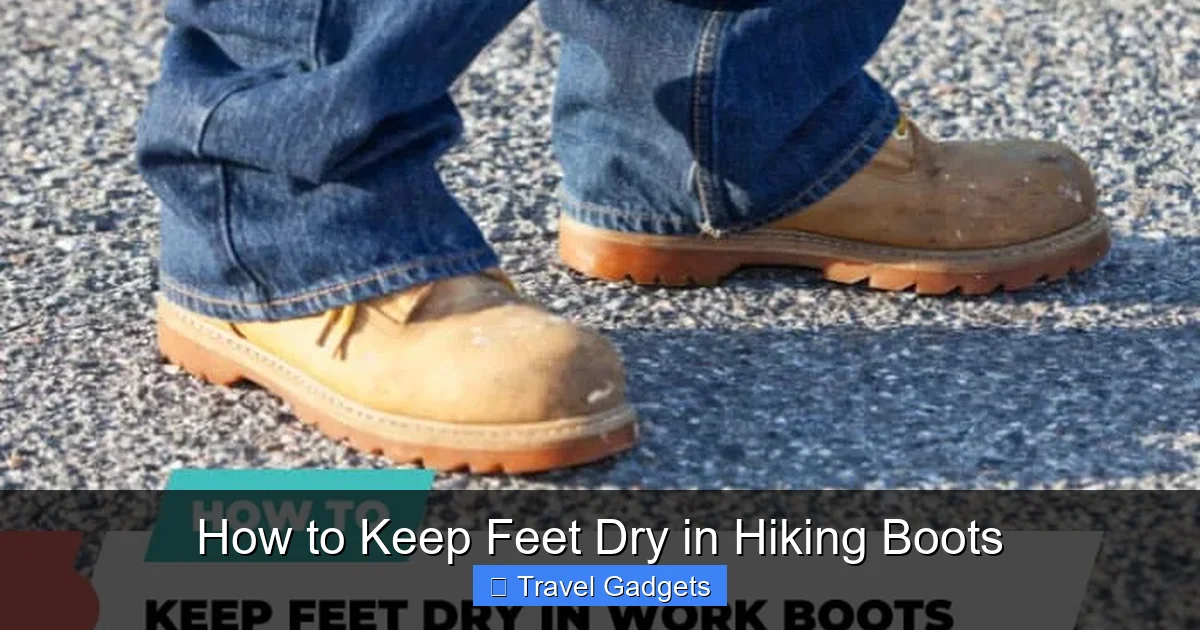
Regularly treating your hiking boots with waterproof sprays or wax can greatly enhance their water resistance. Look for products compatible with your boot material.
Visual guide about How to Keep Feet Dry in Hiking Boots
Image source: constructioninformer.com
- Waterproof sprays: Easy to apply, form a hydrophobic barrier.
- Wax or balm: Penetrates leather, offering long-lasting protection.
Application Tips
Clean your boots thoroughly before applying. Spray or rub in the waterproofing product evenly, paying attention to seams and stitching. Allow the boots to dry completely before hiking.
4. Use Gaiters and Waterproof Covers
Gaiters
Gaiters cover your ankles and the top of your boots, preventing water, mud, and debris from entering. Choose gaiters made from waterproof and breathable materials.
Waterproof Boot Covers
In heavy rain or stream crossings, waterproof covers can be slipped over your boots for additional protection. They are lightweight and easy to carry in your pack.
5. Employ Proper Hiking Techniques
Navigate Water Crossings Carefully
When crossing streams or puddles, aim for shallow, clear paths. Use trekking poles for stability, and step carefully to avoid splashing water into your boots.
Avoid Deep Water
If water is too deep or fast-flowing, consider detouring or finding a safer crossing point. Don’t rush—taking your time prevents accidents and water ingress.
6. Maintain and Care for Your Footwear
Clean Your Boots After Every Hike
Remove mud and dirt with a soft brush or damp cloth. Cleaning prevents clogging of waterproof membranes and maintains breathability.
Dry Your Boots Properly
Allow your boots to dry naturally at room temperature. Avoid direct heat sources like radiators or sunlight, which can damage materials. Stuffing boots with newspaper helps absorb moisture.
Reapply Waterproof Treatments Regularly
Check your boots periodically and reapply waterproofing products as needed—typically every few hikes or when water no longer beads on the surface.
Troubleshooting Common Problems
- Boots are no longer waterproof: Reapply waterproof treatments or consider replacing worn-out boots.
- Feet still get wet despite waterproofing: Check for damage or tears in the boots or socks. Ensure proper fit and layering.
- Socks become damp quickly: Switch to higher-quality moisture-wicking socks or add an extra layer.
Conclusion
Keeping your feet dry in hiking boots requires a combination of choosing the right gear, proper preparation, and good hiking practices. Invest in waterproof boots and quality socks, treat your footwear regularly, and use protective gear like gaiters. Remember to maintain your boots after each hike to preserve their water resistance. With these tips, you’ll enjoy dry, comfortable feet on every adventure, no matter the weather in 2026.