
Discover Nebraska’s most beautiful places for stunning escapes, from vast prairies to charming river towns, perfect for your next easy adventure.
Nebraska might surprise you with its natural beauty! Many travelers think of wide-open spaces, and while that’s true, there’s so much more to explore. Finding those hidden gems can feel a little overwhelming, right?
Check the latest prices and available rooms before they sell out.
Don’t worry, I’m here to help make planning your Nebraska adventure simple and fun. We’ll uncover breathtaking spots that will make you fall in love with the Cornhusker State.
Get ready to discover stunning landscapes and unforgettable experiences. Let’s dive into the most beautiful places Nebraska has to offer!
Unveiling Nebraska’s Natural Wonders: Your Beginner’s Guide
Nebraska’s beauty often lies in its subtle grandeur. It’s a state that rewards those who look a little closer, revealing a tapestry of rolling prairies, dramatic badlands, and serene waterways. If you’re new to exploring the USA, or perhaps just new to Nebraska, you might be wondering where to start to find those postcard-worthy views.
This guide is designed to be your friendly roadmap. We’ll skip the complicated jargon and focus on clear, simple steps to help you discover the most beautiful places in Nebraska. You’ll find practical tips and inspiring ideas to make your trip planning stress-free and exciting.
From iconic state parks to unique geological formations, Nebraska offers a diverse range of stunning escapes. Let’s start uncovering these treasures together, making your journey easy and memorable.
Scotts Bluff National Monument: A Pioneer’s Landmark
Standing tall against the prairie sky, Scotts Bluff National Monument is an iconic Nebraska landscape. These massive rock formations were crucial landmarks for pioneers traveling the Oregon, California, and Mormon Trails.
Find the Best Accommodation Deals
Compare prices from multiple booking platforms and find the best option for your stay.
Compare Hotel PricesImagine standing where thousands of travelers once rested and gazed upon these same towering bluffs. The views from the summit are simply spectacular, offering panoramic vistas of the surrounding North Platte River Valley. It’s a place where history and natural beauty intertwine.
Why Visit Scotts Bluff?
Find the Best Accommodation Deals
Compare prices from multiple booking platforms and discover the best stay options available.
⭐ Trusted by thousands of travelers
💰 Budget to luxury options available
Historical Significance: Walk in the footsteps of pioneers and learn about their westward journeys.
Breathtaking Scenery: Enjoy incredible views from the summit, especially at sunrise or sunset.
Hiking Opportunities: Explore trails that lead you around and up the bluffs.
The monument offers a visitor center with exhibits that bring the pioneer history to life. You can also drive to the summit for an easier way to experience the incredible views.
Chimney Rock National Historic Site: A Sentinel of the Plains
Another essential landmark for westward travelers, Chimney Rock is a striking geological feature that rises dramatically from the Nebraska plains. It’s a slender, conical rock spire that served as a key navigational point for those heading west.
Best Stay Deals Available
Compare prices across top booking platforms and find the best deal for your stay.
Check Available RoomsIts unique shape makes it instantly recognizable and a photographer’s dream. Standing at its base, you can almost feel the vastness of the journeys that passed by this natural monument centuries ago.
What Makes Chimney Rock Special?
Iconic Silhouette: A unique geological formation that’s instantly recognizable.
Historical Marker: Witness a crucial point on the historic trails.
Educational Experience: Learn about the challenges and hopes of those who traveled west.
The site includes a visitor center with informative displays about the history and geology of Chimney Rock. It’s a relatively quick stop, but one that leaves a lasting impression of Nebraska’s historical importance.
Niobrara River Valley: An Oasis of Biodiversity
The Niobrara River Valley is a true natural wonder in Nebraska, often called the “Yellowstone of Nebraska.” This area boasts a unique blend of ecosystems, from rugged canyons and waterfalls to lush forests and diverse wildlife.
It’s a paradise for outdoor enthusiasts who love to hike, canoe, kayak, or simply soak in the natural beauty. The river itself is gentle in many sections, making it accessible for various skill levels.
Highlights of the Niobrara River Valley:
Smith Falls State Park: Home to Nebraska’s tallest waterfall, a stunning cascade into a tranquil pool.
Chadron State Park: Offers scenic drives, hiking trails, and opportunities to spot wildlife like deer and eagles.
Fort Robinson State Park: While historically significant, it’s nestled within this beautiful valley, offering more than just history.
River Activities: Excellent opportunities for canoeing, kayaking, and tubing.
The valley’s unique geology and the convergence of northern and southern flora create a rich habitat for a wide array of plant and animal species. It’s a refreshing contrast to the open prairies.
Platte River State Park: A Blend of Nature and Recreation
Nestled in the rolling hills of southeastern Nebraska, Platte River State Park offers a delightful escape with a variety of natural features and recreational activities. It’s a great spot for families and anyone looking for a scenic getaway without traveling too far.
The park features picturesque waterfalls, hiking trails through wooded areas, and scenic overlooks. It provides a more intimate natural experience compared to the vastness of the western Nebraska landscapes.
What to Enjoy at Platte River State Park:
Waterfalls: Discover beautiful cascades, especially after a good rain.
Hiking and Biking Trails: Explore miles of paths winding through forests and hills.
Observation Tower: Climb for a fantastic view of the surrounding landscape and the Platte River.
Picnic Areas and Camping: Perfect spots for a relaxed day or an overnight stay.
This park is a testament to Nebraska’s diverse landscapes, showcasing woodlands and water features that create a serene environment for visitors.
The Sandhills: America’s Largest Grassland Ecosystem
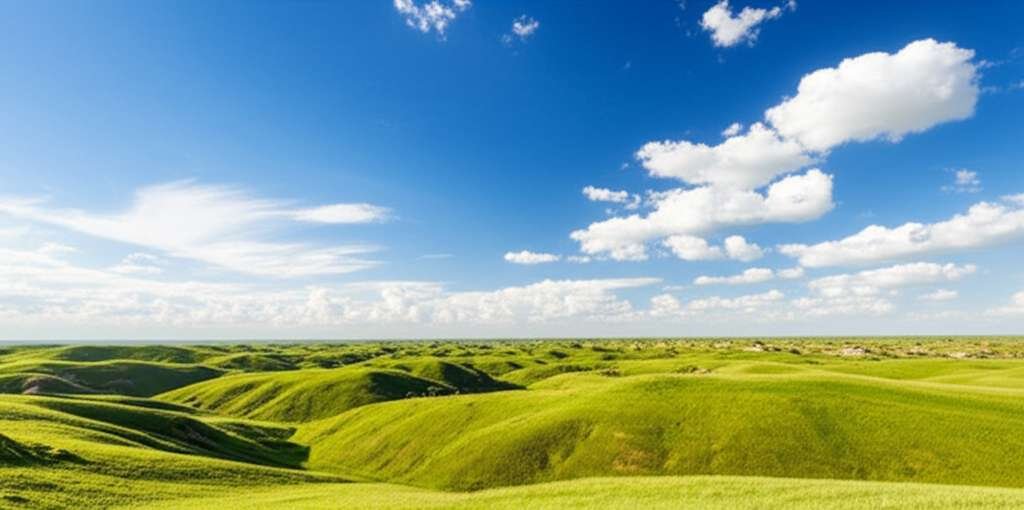
The Nebraska Sandhills are a truly unique and expansive region, covering about a quarter of the state. This vast area is characterized by rolling sand dunes covered in resilient grasses, forming the largest intact prairie ecosystem in North America.
It’s a place of quiet beauty, where the wind shapes the landscape and the sky feels endless. While it might seem like just sand and grass, the Sandhills are incredibly rich in biodiversity and vital for the region’s water supply.
Discovering the Sandhills:
Vast Open Spaces: Experience unparalleled tranquility and the feeling of being truly remote.
Unique Flora and Fauna: Home to specialized plants and animals adapted to the sandy environment.
The Great Plains Trail of Lakes: A collection of over 100 natural lakes and reservoirs, offering fishing, boating, and swimming.
Scenic Drives: Explore the rural roads and witness the ever-changing patterns of the dunes.
For a truly immersive experience, consider visiting during different seasons to see how the landscape transforms. The Sandhills offer a different kind of beauty – one of subtle textures, immense skies, and a profound sense of peace.
Lake McConaughy: Nebraska’s “Big Mac”
Lake McConaughy, affectionately known as “Big Mac,” is Nebraska’s largest reservoir and a premier destination for water recreation. Its crystal-clear waters and miles of sandy beaches make it feel like a coastal escape in the heart of the Midwest.
This massive lake is a hub for boating, swimming, fishing, and camping. The sheer size of the lake and its surrounding beaches create a spectacular visual, especially under a wide blue sky.
Why Visit Lake McConaughy?
Water Sports Galore: Perfect for swimming, water skiing, jet skiing, and sailing.
Sandy Beaches: Miles of shoreline perfect for relaxing, sunbathing, and building sandcastles.
Fishing Hotspot: Known for its excellent populations of walleye, wipers, and white bass.
Stunning Sunsets: The vast expanse of water reflects the sky, creating breathtaking sunset views.
The lake’s dam, Kingsley Dam, is itself an impressive structure and offers insights into the engineering that created this vast water body. It’s a popular spot for both locals and visitors seeking fun in the sun.
Toadstool Geologic Park: A “Badlands” Experience
For a landscape that feels otherworldly, visit Toadstool Geologic Park in northwestern Nebraska. This area offers a dramatic contrast to the state’s rolling prairies, featuring colorful, eroded buttes, pinnacles, and unique rock formations that resemble toadstools.
The park is a fantastic place for short hikes and photography, allowing you to explore a miniature badlands environment. It’s a testament to the power of erosion and the vibrant mineral content of the earth.
Exploring Toadstool Geologic Park:
Unique Rock Formations: See fascinating shapes carved by wind and water over millennia.
Hiking Trails: Easy to moderate trails allow you to get up close with the formations.
Photography Opportunities: The vibrant colors and unusual shapes make for stunning photos.
Sense of Isolation: Experience the quiet beauty of a remote, rugged landscape.
It’s a bit of a drive to get there, but the unique scenery makes it well worth the effort for those seeking something truly different. Remember to bring plenty of water and wear sturdy shoes.
Indian Cave State Park: History and Nature Combined
Located in southeastern Nebraska along the Missouri River, Indian Cave State Park offers a rich blend of natural beauty and historical intrigue. The park’s centerpiece is the impressive cave from which it gets its name, a significant historical site for Native American tribes.
The park features rugged hills, mature forests, and access to the Missouri River, providing opportunities for hiking, camping, and wildlife viewing. It’s a place where you can explore natural trails and then step back in time.
What to Discover at Indian Cave State Park:
The Great Cave: Explore the large cave, which features ancient Native American petroglyphs.
Hiking Trails: Over 20 miles of trails wind through scenic wooded areas.
Missouri River Access: Enjoy the river views and potential for fishing.
Camping Facilities: Offers a great base for exploring the park and surrounding area.
The park’s location on the river bluffs offers beautiful vistas, and the mature trees create a cool, shaded environment perfect for a summer visit.
Arbor Day Farm: A Living Legacy
For a different kind of beautiful, visit Arbor Day Farm in Nebraska City. Founded by J. Sterling Morton, the same person who conceived Arbor Day, this beautiful property is dedicated to trees and conservation.
It’s a place where you can wander through orchards, explore scenic trails, and learn about the importance of trees. The historic Morton family home is also a point of interest, offering a glimpse into the past.
Experience Arbor Day Farm:
Orchards and Trails: Stroll through apple orchards and walking paths with beautiful tree canopies.
Treehouse and Discovery Center: Fun and educational activities for all ages.
Historic Home: Tour the beautiful Victorian home of J. Sterling Morton.
Seasonal Events: Enjoy apple picking in the fall and other farm-fresh activities.
Arbor Day Farm is a testament to the beauty that trees bring to the landscape and a wonderful place to connect with nature in a meaningful way.
Omaha’s Henry Doorly Zoo and Aquarium: Urban Natural Beauty
While not a natural landscape in the traditional sense, Omaha’s Henry Doorly Zoo and Aquarium is consistently ranked among the best zoos in the world and offers an incredible display of curated natural beauty and diverse ecosystems. It’s a stunning urban escape that brings the world’s most beautiful habitats to you.
From the world’s largest indoor desert to a massive rainforest and an immersive aquarium, the zoo showcases an astonishing array of environments and the creatures that inhabit them.
Why Omaha’s Zoo is a Must-See:
Diverse Habitats: Explore incredibly realistic recreations of deserts, rainforests, mountains, and oceans.
World-Class Aquarium: Discover a vast underwater world with sharks, sea turtles, and colorful reef fish.
Impressive Nocturnal Exhibit: Experience a unique perspective on animals that are active at night.
Conservation Efforts: Learn about the zoo’s commitment to protecting endangered species.
This is a place where you can spend an entire day marveling at the diversity of life on Earth, all within a beautifully designed and engaging environment. It’s a different kind of “beautiful escape” that educates and entertains.
Planning Your Nebraska Adventure: Tips for Beginners
Nebraska is a state of vast skies and hidden treasures. Planning your trip doesn’t have to be complicated, even if you’re new to exploring the USA. Here are some simple tips to help you make the most of your adventure.
When to Visit Nebraska’s Most Beautiful Places
Each season offers a unique charm in Nebraska.
Spring (April-May): Wildflowers bloom, and the weather is mild, perfect for hiking. Wildlife is active as they emerge from winter.
Summer (June-August): Ideal for water activities at lakes like Lake McConaughy. Expect warm temperatures and long daylight hours.
Fall (September-October): Gorgeous foliage in parks like Platte River State Park. Cooler temperatures make exploring comfortable. This is also a prime time for harvest festivals.
Winter (November-March): A quieter time to visit, offering a stark, beautiful landscape. Snow can enhance the scenery, especially in areas like the Sandhills or Scotts Bluff. Some activities might be limited by weather.
Packing Essentials for Your Trip
Packing smart makes your trip more enjoyable.
Comfortable Walking Shoes: You’ll be doing a lot of exploring!
Layers of Clothing: Nebraska weather can change quickly.
Sun Protection: Hat, sunglasses, and sunscreen are essential, even on cloudy days.
Water Bottle: Stay hydrated, especially when hiking or spending time outdoors.
Insect Repellent: Handy for warmer months, particularly near water.
Camera: To capture all the stunning views!
Binoculars: Great for wildlife spotting.
Budget-Friendly Travel Tips
Nebraska offers many affordable ways to experience its beauty.
Pack Snacks and Picnics: Save money by preparing your own meals, especially for day trips to parks.
Utilize State Parks: Many offer affordable entrance fees or annual passes, providing access to numerous beautiful locations.
Consider Camping: Camping is often much cheaper than hotels and allows you to fully immerse yourself in nature.
Look for Free Attractions: Many historical sites, scenic overlooks, and natural areas are free to visit.
Travel Off-Season: You might find better deals on accommodations if you visit outside of peak summer months.
Navigating Nebraska
Nebraska’s vastness means you’ll likely rely on a car for exploring.
Road Network: Major highways connect most cities, and state highways provide access to parks and attractions.
GPS/Maps: Ensure you have a reliable GPS or downloaded maps, as cell service can be spotty in more remote areas like the Sandhills.
Gas Stations: Fill up your tank when you see a station, especially when traveling through rural areas, as they can be spread far apart.
Respecting Nature and Wildlife
When visiting these beautiful places, remember to be a responsible visitor.
Leave No Trace: Pack out everything you pack in. Stay on marked trails to protect vegetation.
Observe Wildlife from a Distance: Never feed wild animals.
Follow Park Rules: Adhere to posted signs and regulations to ensure everyone’s safety and preserve the natural environment.
Frequently Asked Questions About Nebraska’s Beauty
Here are some common questions beginners have about exploring Nebraska’s most beautiful places.
Q1: Is Nebraska really that beautiful?
A1: Absolutely! While often known for its plains, Nebraska boasts stunning natural beauty, from dramatic rock formations like Scotts Bluff and Chimney Rock to the unique ecosystems of the Sandhills and the waterfalls of the Niobrara River. It offers a different kind of beauty that is subtle, vast, and deeply rewarding.
Q2: What are the must-see natural landmarks in Nebraska?
A2: For first-time visitors, Scotts Bluff National Monument, Chimney Rock National Historic Site, and the Niobrara River Valley (especially Smith Falls State Park) are highly recommended. The Sandhills offer an expansive, unique landscape, and Lake McConaughy is a beautiful spot for water recreation.
Q3: Is it difficult to travel to these places?
A3: Most of Nebraska’s beautiful spots are accessible by car. Major roads are well-maintained. Some locations, like Toadstool Geologic Park or remote parts of the Sandhills, require driving on gravel or dirt roads, so a vehicle with decent clearance is helpful, but not always necessary. Plan your routes and carry maps or use GPS.
Q4: Are there good hiking opportunities in Nebraska?
A4: Yes! Parks like Scotts Bluff National Monument, Platte River State Park, Chadron State Park (in the Niobrara Valley region), and Indian Cave State Park offer numerous hiking trails. The difficulty ranges from easy nature walks to more challenging climbs with rewarding views.
Q5: What kind of wildlife can I expect to see in Nebraska?
A5: You can spot a variety of wildlife, including white-tailed deer, mule deer, pronghorn (in western Nebraska), various bird species (including eagles and prairie chickens), coyotes, and numerous smaller mammals. The Niobrara River Valley is particularly rich in biodiversity.
Q6: Can I visit these places with family, including young children?
A6: Many of Nebraska’s beautiful spots are very family-friendly. State parks like Platte River State Park and Lake McConaughy offer easy trails and recreational activities. The visitor centers at national sites provide engaging exhibits for all ages. Arbor Day Farm is also designed with families in mind.
Q7: Are there any unique geological features in Nebraska?
A7: Definitely! Chimney Rock and Scotts Bluff are iconic geological formations. Toadstool Geologic Park offers a mini-badlands experience with its eroded buttes. The Sandhills themselves are a massive geological feature, being the largest intact prairie ecosystem in North America, formed by wind-blown sand.
Planning Your Itinerary: Sample Trips
To help you visualize your adventure, here are a couple of sample itinerary ideas. These can be adjusted based on your interests and the time you have!
Sample Itinerary 1: Western Nebraska Wonders (3-4 Days)
This trip focuses on the iconic historical and geological landmarks of western Nebraska.
Day 1: Scotts Bluff National Monument. Arrive in the Scottsbluff/Gering area. Visit the visitor center, hike to the top of the bluff, and explore the surrounding trails. Enjoy the sunset over the monument.
Day 2: Chimney Rock & Lake McConaughy. Drive east to Chimney Rock National Historic Site. Afterward, head to Lake McConaughy (“Big Mac”) for a relaxing afternoon by the water, swimming, or enjoying the beach. Stay overnight in the Ogallala area.
Day 3: Toadstool Geologic Park & Drive East. Venture northwest to explore the unique badlands landscape of Toadstool Geologic Park. This is a more remote area, so plan your time accordingly. Begin your drive back east, perhaps stopping in North Platte.
Day 4 (Optional): Strategic Air Command & Aerospace Museum. If time permits and you’re interested, detour slightly north of Omaha to visit this impressive museum, offering a different kind of historical