
Must-See Louisiana Plantations: Top 8 Picks for an Unforgettable Visit
Planning a trip to Louisiana and wondering which historic plantations are absolutely worth your time? This guide highlights the top 8 must-see Louisiana plantations, offering a blend of stunning architecture, poignant history, and beautiful landscapes, perfect for any first-time visitor.
Check the latest prices and available rooms before they sell out.
Welcome, fellow travelers! Thinking about visiting Louisiana’s famous plantations can feel a bit overwhelming, right? There are so many, each with a unique story to tell. It’s easy to get lost in all the options!
But don’t worry, planning this part of your USA adventure is about to get much simpler. We’ll walk through some of the most incredible plantation experiences, helping you choose the perfect ones for your trip.
Get ready to discover the magic and history of the Bayou State’s most captivating estates. Let’s dive in and find your next unforgettable stop!
Frequently Asked Questions About Louisiana Plantations
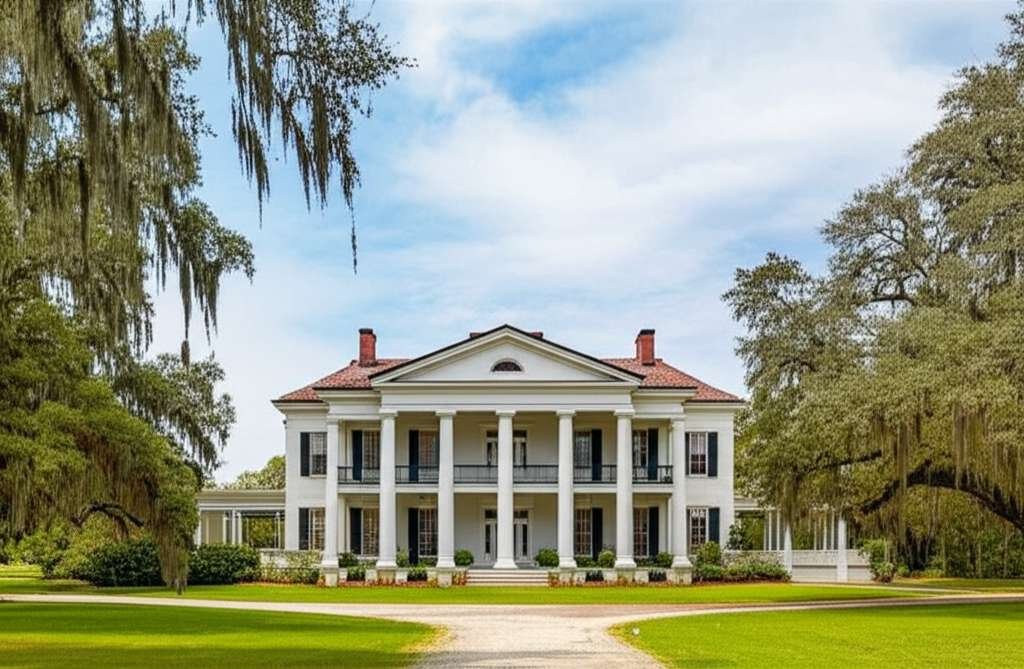
Why should I visit Louisiana plantations?
Visiting Louisiana plantations offers a unique opportunity to step back in time and learn about the state’s rich and complex history. You’ll see stunning architecture, beautiful gardens, and gain insights into the lives of those who lived and worked on these historic estates.
What can I expect during a plantation tour?
Most plantation tours include guided walks through the main house, outbuildings like slave cabins and kitchens, and the grounds. You’ll hear stories about the families who owned the plantations, the enslaved people who labored there, and the historical context of the era.
What’s the best time of year to visit Louisiana plantations?
The spring (March-May) and fall (September-November) offer the most pleasant weather for exploring. Summers can be very hot and humid, while winters are generally mild but can be rainy.
Find the Best Accommodation Deals
Compare prices from multiple booking platforms and find the best option for your stay.
Compare Hotel PricesHow long does a typical plantation tour take?
A typical guided tour usually lasts between 1 to 1.5 hours. However, many plantations have extensive grounds, museums, or additional exhibits, so you could easily spend 2-4 hours or more exploring everything.
Are Louisiana plantations accessible for visitors with mobility issues?
Accessibility varies by plantation. Many historic buildings have limitations due to their age. It’s always best to check the specific plantation’s website or call ahead to inquire about accessibility for tours and grounds.
Find the Best Accommodation Deals
Compare prices from multiple booking platforms and discover the best stay options available.
⭐ Trusted by thousands of travelers
💰 Budget to luxury options available
How do I choose which plantations to visit?
Consider what aspects of history you are most interested in. Some plantations focus more on architecture and gardens, while others offer more in-depth narratives about the lives of enslaved people. Reading reviews and descriptions can help you find the best fit for your interests.
What should I wear when visiting a plantation?
Comfortable walking shoes are a must! Louisiana can be warm and humid, so light, breathable clothing is recommended, especially during warmer months. Sunscreen and a hat are also good ideas for exploring the grounds.
Must-See Louisiana Plantations: Your Top 8 Picks for a Journey Through History
Louisiana is a land steeped in history, and its grand plantations are living testaments to a bygone era. From the opulent mansions to the poignant stories of those who lived and worked on these estates, visiting a plantation is a deeply enriching experience. For first-time visitors or anyone feeling a bit overwhelmed by the choices, this guide is your friendly companion to the top 8 must-see Louisiana plantations that promise awe, education, and unforgettable memories.
Best Stay Deals Available
Compare prices across top booking platforms and find the best deal for your stay.
Check Available RoomsThese estates aren’t just beautiful structures; they are vital pieces of American history, reflecting periods of immense wealth, profound injustice, and the enduring spirit of people. We’ve handpicked these locations to offer a balanced perspective and a truly captivating journey.
1. Oak Alley Plantation: The Iconic “Grand Dame”
Often called the “Grand Dame of the West Bank,” Oak Alley Plantation is arguably the most photographed plantation in Louisiana, and for good reason! Its breathtaking, mile-long alley of ancient live oak trees, draped in Spanish moss, creates an unforgettable first impression.
The mansion itself is a stunning example of Greek Revival architecture. Walking through its grand rooms, you’ll feel transported to a time of antebellum elegance. Beyond the beauty, Oak Alley offers a more recent commitment to telling a more complete story, including the lives of the enslaved people who built and maintained this magnificent estate.
Why Visit: Unparalleled scenic beauty, iconic oak alley, beautiful architecture.
What to Expect: Guided mansion tour, grounds exploration, exhibits on slavery.
Pro Tip: Arrive early in the morning for the best light and fewer crowds for those stunning oak alley photos.
2. Laura Plantation: A Creole Gem on the River
Laura Plantation offers a unique glimpse into the life of a Creole family in the 19th century. Unlike many plantations with purely Greek Revival architecture, Laura showcases Creole style, with its raised main house and distinctive “gallery” (a covered porch).
The plantation’s history is rich and detailed, thanks to extensive family records. Tours here are known for being very informative and sensitive, providing a nuanced look at the lives of both the Dubois family and the enslaved people who were integral to its operation.
Why Visit: Authentic Creole architecture, detailed family history, balanced historical narrative.
What to Expect: Guided tour focusing on family life and the lives of enslaved people, gardens, and reconstructed buildings.
Traveler Tip: Don’t miss the stories about the “18 ghosts of Laura Plantation” for a touch of local folklore!
3. Houmas House Plantation: A Taste of Grandeur
Houmas House Plantation, often referred to as “The Sugar Palace,” exudes opulence and grandeur. Its magnificent mansion, surrounded by lush gardens, is a feast for the eyes. This plantation offers a more luxurious experience, often featuring fine dining and overnight stays.
The tours here are highly polished, taking you through exquisitely decorated rooms that showcase the wealth and lifestyle of its former owners. Houmas House also provides insights into the agricultural history of the region, particularly sugar cane production.
Why Visit: Stunning architecture, beautiful gardens, luxurious atmosphere, excellent dining options.
What to Expect: Guided mansion tour, extensive gardens, carriage house with historical exhibits, fine dining.
Budget-Friendly Idea: Even if you don’t dine, you can often explore the grounds and admire the house from the outside for a fee or with a meal reservation.
4. Boone Hall Plantation: A Living History Experience
Boone Hall Plantation, located near Charleston, South Carolina, but often visited by those traveling through Louisiana, is one of America’s oldest working plantations. It’s renowned for its iconic Avenue of Oaks, similar to Oak Alley but with its own distinct charm.
What makes Boone Hall special is its “Living History” approach. You can explore slave cabins, a smokehouse, and a butterfly circle, offering a comprehensive look at plantation life from various perspectives. It’s a place where history truly comes alive.
Why Visit: Iconic oak avenue, extensive living history exhibits, working plantation feel.
What to Expect: Guided house tour, plantation tour by tractor-drawn cart, access to slave street, butterfly circle, and gardens.
Plan Ahead: Check their schedule for special events or demonstrations, which are often highlights.
5. The Plantations of San Francisco: A Historic District
While not a single plantation, the area around San Francisco, Louisiana, is a treasure trove of historic estates. Many are clustered along the Mississippi River and offer diverse historical narratives. For a concentrated experience, consider visiting several in this region.
Some of the notable plantations in or near this area include Rosedown Plantation State Historic Site, known for its preserved gardens, and Myrtles Plantation, famous for its lore and rumored hauntings. Each offers a different facet of plantation history and architecture.
Why Visit: High concentration of diverse historic plantations, varied architectural styles, regional history.
What to Expect: Individual tours at each site, focus on different aspects of history (gardens, architecture, local legends).
Discovery Tip: Research individual plantations in the San Francisco area beforehand to tailor your visit to your specific interests.
6. Myrtles Plantation: Mystery and Legend
Myrtles Plantation is perhaps Louisiana’s most famous haunted location, but it’s also a beautiful antebellum home with a fascinating, albeit often tragic, history. Originally built in 1796, the plantation has seen many owners and many stories unfold within its walls.
The guided tours focus on the history of the house, its furnishings, and the many legends that have sprung up around it. Whether you believe in ghosts or not, the stories add a layer of intrigue to the visit, making it a memorable experience.
Why Visit: Beautiful antebellum architecture, rich history, intriguing ghost stories and legends.
What to Expect: Guided tour of the main house, exploring the stories and mysteries associated with it.
For the Brave: Consider a nighttime tour for an even spookier experience!
7. Fortunata Plantation: A Glimpse into Early Louisiana Life
Fortunata Plantation, while perhaps less widely known than some of its counterparts, offers a deeply engaging and personal look into early Louisiana life and the complexities of plantation existence. It provides a more intimate setting for understanding the past.
This plantation often emphasizes the contributions and experiences of all the people who lived and worked there, aiming for a comprehensive historical narrative. Its preserved structures and thoughtful interpretation make it a valuable stop for history enthusiasts.
Why Visit: Intimate historical experience, focus on diverse narratives, preserved early structures.
What to Expect: Guided tours that delve into daily life, agricultural practices, and the social history of the plantation.
Best For: Those seeking a less crowded and more in-depth historical exploration.
8. St. Francisville Area Plantations: The Garden District
The town of St. Francisville itself is a charming historic district, and the surrounding area boasts several magnificent plantations, often referred to as “Louisiana’s Garden District.” This region is known for its stunning natural beauty and well-preserved estates.
Beyond the already mentioned Rosedown and Myrtles, consider Grace Episcopal Church and The Cottage, which showcase the architectural heritage and historical significance of the area. Exploring these plantations offers a beautiful blend of history, architecture, and the serene Southern landscape.
Why Visit: Beautiful landscapes, well-preserved architecture, charming historic town.
What to Expect: Guided tours of various historic homes and gardens, exploration of the historic town.
Scenic Drive: The drive through this region is as much a part of the experience as the plantations themselves.
Tips for Planning Your Plantation Visit
Visiting these historic sites is an incredible way to connect with the past. To make your trip as smooth and enjoyable as possible, here are a few practical tips:
Book in Advance: Especially during peak season, booking tour tickets online ahead of time is highly recommended. This saves you time and ensures you get your preferred time slot.
Check Operating Hours: Plantation hours can vary seasonally. Always check the official website for the most up-to-date information before you go.
Wear Comfortable Shoes: You’ll be doing a lot of walking on varied terrain, from grand halls to garden paths and potentially uneven grounds.
Stay Hydrated and Protected: Louisiana can get hot and humid. Bring water, wear sunscreen, and consider a hat, especially when exploring the grounds.
Be Prepared for Emotion: Plantation tours often cover difficult histories, including slavery. Go with an open mind and be prepared for a range of emotions. Many sites are committed to presenting these histories with respect and sensitivity.
Consider a Plantation Pass: Some areas, like the Natchez Trace Parkway, offer passes that can save money if you plan to visit multiple sites in a region. While not directly for Louisiana, it’s a concept to look for in other historical travel.
A Note on Historical Context
It’s crucial to approach plantation visits with an understanding of the full historical context. These beautiful estates were built and maintained through the brutal system of chattel slavery. Many modern plantation tours are actively working to provide a more complete and honest narrative, acknowledging the suffering and resilience of the enslaved people who were central to their operation.
For further reading and a deeper understanding of the history of slavery in America, the National Park Service offers valuable educational resources. Engaging with this history critically is a vital part of understanding the American story.
Embark on Your Louisiana Plantation Adventure
Exploring Louisiana’s historic plantations is more than just a sightseeing trip; it’s an immersive journey through time. From the iconic oaks of Oak Alley to the Creole charm of Laura Plantation and the grandeur of Houmas House, each estate offers a unique window into the past.
Whether you’re a history buff, an architecture admirer, or simply seeking a beautiful and thought-provoking travel experience, these top 8 picks promise to deliver. They offer a chance to learn, reflect, and appreciate the complex tapestry of American history.
So pack your bags, bring your curiosity, and get ready to be captivated by the enduring beauty and powerful stories of Louisiana’s must-see plantations. Your unforgettable adventure awaits!