
Facing a New York subway delay can be frustrating, but knowing what to do saves time and stress. This guide covers real-time tools, alternative routes, and insider tips to help you adapt quickly when service is disrupted.
Key Takeaways
- Use real-time apps like MYmta and Citymapper to check live train status and avoid crowded platforms.
- Know your alternate routes—buses, commuter rails, or walking paths—can get you moving when subways stall.
- Sign up for MTA alerts to receive instant updates about delays, closures, and service changes.
- Carry a MetroCard or OMNY backup in case of fare system outages during disruptions.
- Stay calm and flexible—delays are common, but planning ahead reduces panic and wasted time.
- Use commuter benefits wisely—some employers reimburse for alternative transit during subway outages.
- Report issues via the MTA app to help improve service and alert other riders.
Quick Answers to Common Questions
Tip/Question? Should I wait or leave the station during a delay?
Check your app first. If the delay is short (under 10 minutes), waiting may be fine. If it’s longer, explore alternatives—leaving could save you 20+ minutes.
Check the latest prices and available rooms before they sell out.
Tip/Question? What’s the fastest way to get real-time updates?
Use the MYmta app or Citymapper. Both show live train locations and suggest faster routes based on current conditions.
Tip/Question? Can I get a refund if my commute is disrupted?
Generally, no—but some employers offer transit reimbursement. The MTA occasionally runs fare credit programs during major outages, so stay alert.
Tip/Question? Are buses reliable during subway delays?
They can be—especially on major avenues. Use Google Maps to see live bus arrivals. Buses may be crowded, but they often move when subways don’t.
Tip/Question? Should I walk or take a rideshare?
For short distances (under 30 minutes), walking is often faster and cheaper. For longer trips, compare Citi Bike, bus, and rideshare times in Citymapper.
Introduction: Why Subway Delays Happen—and How to Stay Ahead
New York City’s subway system is one of the busiest in the world, serving over 3 million riders on a typical weekday. But with that volume comes frequent delays—mechanical issues, signal problems, overcrowding, weather, or even medical emergencies. If you’ve ever stood on a platform watching the “delayed” sign flash, you know how frustrating it can be.
The good news? You’re not powerless. With the right tools and mindset, you can turn a subway delay from a disaster into a minor bump in your day. This guide will walk you through exactly what to do when your train is stuck, late, or canceled—so you can get where you’re going with minimal stress.
Step 1: Check Real-Time Transit Apps
Find the Best Accommodation Deals
Compare prices from multiple booking platforms and find the best option for your stay.
Compare Hotel PricesVisual guide about New York Subway Delay Problem What to Do
Image source: pluspng.com
Find the Best Accommodation Deals
Compare prices from multiple booking platforms and discover the best stay options available.
⭐ Trusted by thousands of travelers
💰 Budget to luxury options available
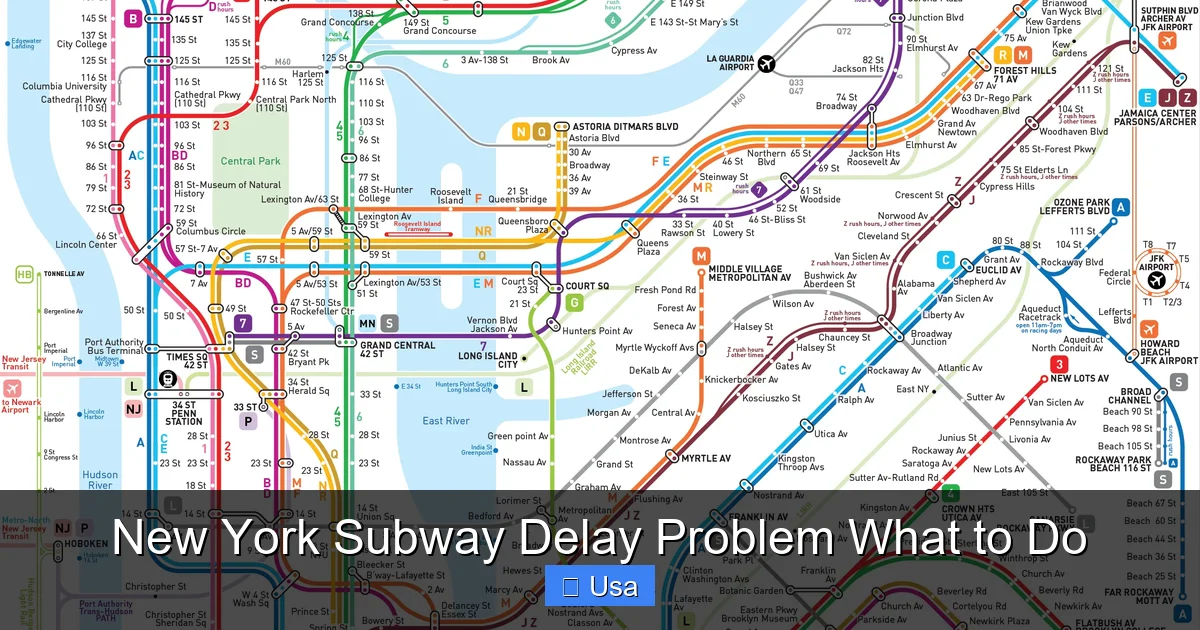
The first thing to do when you suspect a delay is to check a reliable real-time transit app. Don’t rely solely on the signs at the station—they’re often outdated.
Use the MYmta App
Download the official MYmta app (available on iOS and Android). It gives live updates on train arrivals, service changes, and elevator/escalator status. You can also set alerts for your regular lines.
Try Citymapper or Google Maps
Citymapper is a favorite among New Yorkers for its clean interface and multi-modal options (subway, bus, bike, rideshare). It shows real-time delays and suggests faster alternatives. Google Maps also offers live transit data and walking directions to nearby stations.
Best Stay Deals Available
Compare prices across top booking platforms and find the best deal for your stay.
Check Available RoomsExample: Avoiding a Crowded Platform
Imagine you’re at Union Square and the 4/5/6 trains are delayed. Open Citymapper—it might suggest taking the L train to Bedford Avenue and transferring to a bus, or even walking 15 minutes to Grand Central for a clearer route.
Step 2: Sign Up for MTA Alerts
Visual guide about New York Subway Delay Problem What to Do
Image source: media.nbcnewyork.com
Don’t wait for delays to hit—get notified before they affect you.
Enable SMS or Email Alerts
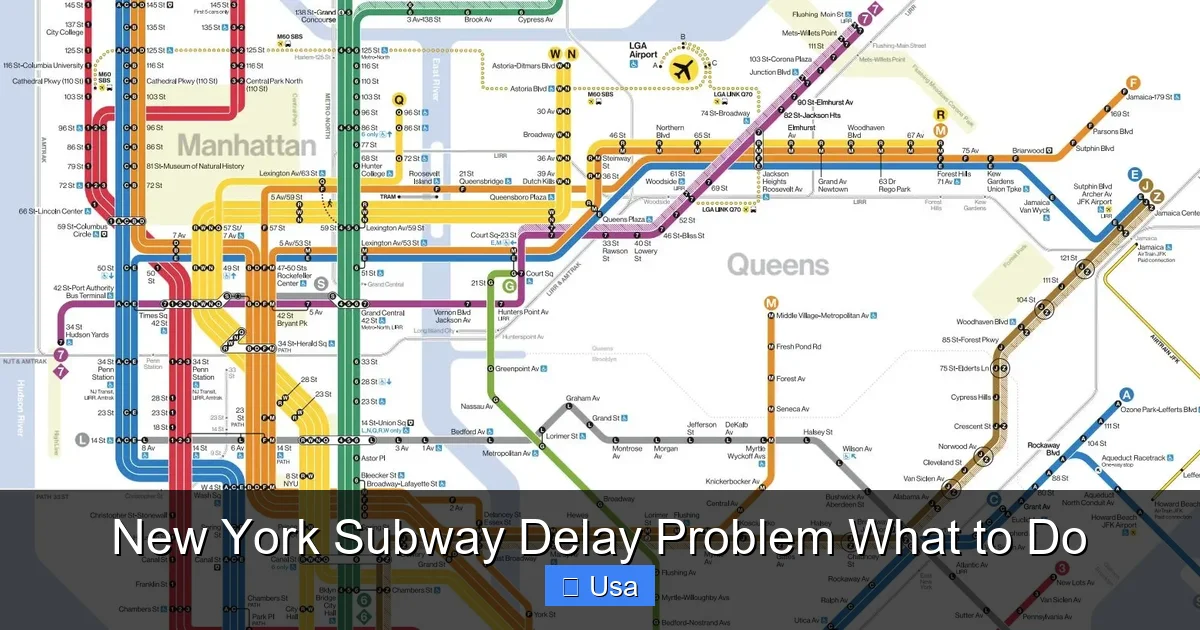
Visit the MTA.info/alerts page and sign up for service alerts. Choose your lines and preferred notification method (text or email). You’ll get updates about planned work, unexpected delays, and major disruptions.
Follow @MTA on Twitter
The MTA’s official Twitter account (@MTA) posts real-time updates during emergencies. While not always perfect, it’s a fast way to see what’s happening citywide.
Pro Tip: Use “My Commute” in the MYmta App
Set up your daily route in the app, and it will send you personalized alerts if your train is delayed. No more guessing—just actionable info.
Step 3: Know Your Alternate Routes
Visual guide about New York Subway Delay Problem What to Do
Image source: patch.com
When the subway fails, other options can save your day. The key is knowing them ahead of time.
Map Out Bus Routes
Most subway lines have parallel bus routes. For example:
– The Q train runs along the B46, B44, and B67 buses in Brooklyn.
– The 7 train parallels the Q47 and Q53 buses in Queens.
Use the MTA’s online bus map or Google Maps to find alternatives.
Consider Commuter Rail
If you’re traveling longer distances, the LIRR (Long Island Rail Road) or Metro-North might be faster during subway outages. For example, if the 2/3 train is down between Brooklyn and Manhattan, the LIRR from Atlantic Terminal to Penn Station can cut your commute in half.
Walk or Bike When Possible
Sometimes, the fastest option is your own two feet. In Manhattan, walking 10–15 blocks can be quicker than waiting for a delayed train. Use Citi Bike for longer distances—there are over 1,000 stations citywide.
Example: Getting from Brooklyn to Midtown During a Delay
If the F train is stalled in Brooklyn, consider taking the B38 bus to Jay St-MetroTech, then walking 10 minutes to Court St for the R/W, or hopping on a Citi Bike to Atlantic Ave-Barclays and catching the D/N/Q.
Step 4: Use Fare Flexibility to Your Advantage
Delays can cause fare system glitches. Be prepared.
Carry Both OMNY and MetroCard
While OMNY (tap-to-pay) is the future, some turnstiles and buses still require MetroCards. Carry both to avoid being stuck at the gate.
Use Free Transfers
If you transfer from subway to bus (or bus to subway) within two hours, the second ride is free. Use this to your advantage when switching modes due to delays.
Check for Fare Capping
With OMNY, once you spend $34 in a week (Monday–Sunday), all remaining rides are free until the next Monday. Delays might push you over the limit—use those free rides wisely!
Step 5: Stay Calm and Informed
Panic leads to poor decisions. Stay cool and gather info.
Listen to Station Announcements
Pay attention to PA announcements—they often give more detail than digital signs. If a train is “held for a passenger emergency,” you’ll know it’s not a mechanical issue.
Ask Station Agents
If you’re confused, approach a station agent. They have access to internal updates and can suggest the best route. Don’t be shy—they’re there to help.
Use the MTA’s “Report an Issue” Feature
In the MYmta app, you can report problems like broken elevators, dirty platforms, or safety concerns. This helps the MTA respond faster and alerts other riders.
Troubleshooting Common Delay Scenarios
Not all delays are the same. Here’s how to handle specific situations.
Scenario 1: Train Stuck in a Tunnel
If your train stops between stations, stay calm. The conductor will make announcements. Use the intercom to report emergencies. Meanwhile, check your app—there may be a shuttle bus or alternate route already in place.
Scenario 2: Signal Problems at a Major Hub
These hubs affect multiple lines. If signals fail, expect cascading delays. Exit the station and try a different line or mode. For example, if the 1/2/3 are down at Times Square, walk to 42nd St-Port Authority for the A/C/E or S shuttle.
Scenario 3: Weather-Related Delays
Snow, rain, or extreme heat can slow service. Check the MTA’s weather page for updates. In winter, allow extra time—ice on third rails can halt trains.
Step 6: Leverage Employer and City Resources
You’re not alone—many New Yorkers face the same delays. Use available support.
Ask About Commuter Benefits
Some employers offer transit reimbursement or flexible hours during major disruptions. If your company uses WageWorks or Navia, you may be able to claim alternative transit costs.
Use the MTA’s “Service Guarantee” (When Available)
While not always active, the MTA has occasionally offered fare credits for severe delays. Follow @MTA on social media to stay updated on such programs.
Conclusion: Turn Delays into Opportunities
Subway delays are a fact of life in New York City—but they don’t have to ruin your day. By using real-time apps, knowing your alternatives, and staying informed, you can navigate disruptions like a pro. The key is preparation and flexibility. Next time your train is delayed, don’t panic. Open your app, check your options, and keep moving. With these strategies, you’ll spend less time waiting and more time doing what matters.