
Planning a trip to Austria? This stunning Central European country offers a perfect mix of mountain adventures, rich history, and world-class culture. Whether you’re hiking the Alps, sipping wine in Vienna, or exploring medieval castles, Austria delivers unforgettable experiences for every traveler.
Austria is a country that feels like it was plucked from a fairy tale. Nestled in the heart of Europe, this Alpine gem blends dramatic mountain scenery, baroque architecture, and deep-rooted traditions into a travel experience that’s both relaxing and exhilarating. Whether you’re dreaming of sipping coffee in a Viennese café, skiing down powdery slopes, or wandering through a medieval town square, things to do in Austria are as diverse as they are unforgettable.
Check the latest prices and available rooms before they sell out.
From the snow-capped peaks of the Alps to the elegant boulevards of Vienna, Austria offers something for every kind of traveler. It’s a place where history comes alive in grand palaces and castles, music echoes through city squares, and nature rewards those who seek adventure. Let’s dive into the top experiences that make Austria a must-visit destination.
Key Takeaways
- Explore majestic mountain landscapes: The Austrian Alps offer world-renowned skiing, hiking, and scenic train rides like the Glacier Express.
- Visit historic capitals: Vienna dazzles with imperial palaces, classical music, and coffeehouse culture, while Salzburg blends baroque charm with Mozart’s legacy.
- Enjoy outdoor adventures: From paragliding in Zell am See to exploring Hallstatt’s lakeside beauty, Austria is a playground for nature lovers.
- Immerse in culture and cuisine: Savor authentic dishes like Wiener schnitzel and apple strudel, and visit world-class museums and concert halls.
- Experience unique traditions: Attend a folk festival, take a horse-drawn carriage ride, or tour a working alpine dairy farm for a true taste of Austrian life.
- Travel efficiently: Austria’s excellent public transport makes it easy to hop between cities and scenic regions without a car.
Quick Answers to Common Questions
What is the best time to visit Austria?
Spring (April–June) and fall (September–October) offer mild weather, fewer crowds, and beautiful scenery. Winter (December–March) is ideal for skiing and Christmas markets.
Is Austria expensive to travel?
Yes, Austria is moderately expensive, especially in cities like Vienna. Budget wisely by using public transport, eating at local cafes, and visiting free museums on certain days.
Do I need a visa to visit Austria?
Citizens of the EU, U.S., Canada, Australia, and many other countries can enter Austria visa-free for up to 90 days within 180 days.
What should I pack for a trip to Austria?
Pack layers for variable weather, sturdy shoes for hiking, and a rain jacket. In winter, bring warm clothing and ski gear if you plan to ski.
Can I travel around Austria without a car?
Yes! Austria has an excellent public transport system, including trains, buses, and trams. The ÖBB network connects major cities and scenic regions efficiently.
📑 Table of Contents
- 1. Explore the Majestic Alps and Ski Resorts
- 2. Wander Through Historic Vienna
- 3. Discover Salzburg’s Baroque Charm
- 4. Experience the Magic of Hallstatt
- 5. Enjoy Outdoor Adventures in Tyrol
- 6. Savor Austrian Cuisine and Wine
- 7. Take a Scenic Train Ride
- 8. Attend a Folk Festival or Cultural Event
- 9. Explore Castles and Palaces
- 10. Relax in Thermal Spas
1. Explore the Majestic Alps and Ski Resorts
The Austrian Alps are not just beautiful—they’re legendary. With over 600 ski resorts, Austria is a top destination for winter sports enthusiasts. St. Anton, known as the “Queen of the Alps,” is famous for its challenging slopes and lively après-ski scene. Kitzbühel offers a mix of thrilling runs and charming old-town vibes, while Sölden draws international skiers with its glacier skiing and proximity to the Ötztal Valley.
Find the Best Accommodation Deals
Compare prices from multiple booking platforms and find the best option for your stay.
Compare Hotel PricesBut skiing isn’t the only way to enjoy the mountains. In summer, hiking trails wind through lush meadows, alpine lakes, and forested valleys. The Panoramaweg trail offers breathtaking views, and guided tours often include stops at mountain huts serving hearty meals like Käsespätzle and warm apple strudel.
For a scenic ride without the effort of climbing, take the Glacier Express—one of the world’s most famous train journeys. It travels from Zermatt in Switzerland to St. Moritz in 8 hours, passing through 291 bridges and 91 tunnels with panoramic windows that make every moment a postcard.
Find the Best Accommodation Deals
Compare prices from multiple booking platforms and discover the best stay options available.
⭐ Trusted by thousands of travelers
💰 Budget to luxury options available
2. Wander Through Historic Vienna
Visual guide about Things to Do in Austria
Image source: wanderingwheatleys.com
Best Stay Deals Available
Compare prices across top booking platforms and find the best deal for your stay.
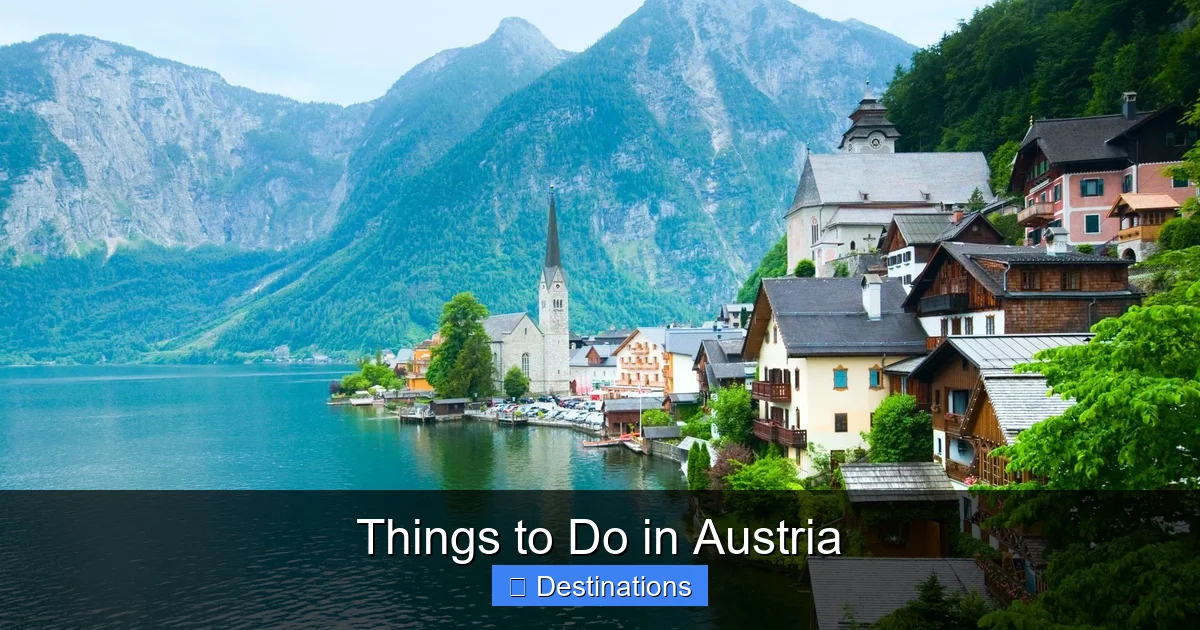
Check Available RoomsVienna, the capital of Austria, is a city where elegance meets culture. Once the center of the Habsburg Empire, it’s now a vibrant capital filled with grand palaces, classical music venues, and cozy coffeehouses.
Start your day at the Schönbrunn Palace, a UNESCO World Heritage Site and former summer residence of Empress Maria Theresa. Explore the opulent rooms, stroll through the sprawling gardens, and don’t miss the world’s oldest zoo, located right on the palace grounds.
Music lovers will be in heaven. Attend a concert at the Vienna State Opera or catch a performance at the Konzerthaus. Even if you’re not a classical fan, a carriage ride through the city is a magical way to see landmarks like St. Stephen’s Cathedral and the Hofburg Palace.
For a dose of local flavor, visit a traditional Heuriger—a wine tavern where locals enjoy fresh wine and simple snacks like cheese and sausages. Pair that with a slice of Tafelspitz (boiled beef with root vegetables) and you’ve got a true Viennese experience.
3. Discover Salzburg’s Baroque Charm
Visual guide about Things to Do in Austria
Image source: wanderingwheatleys.com
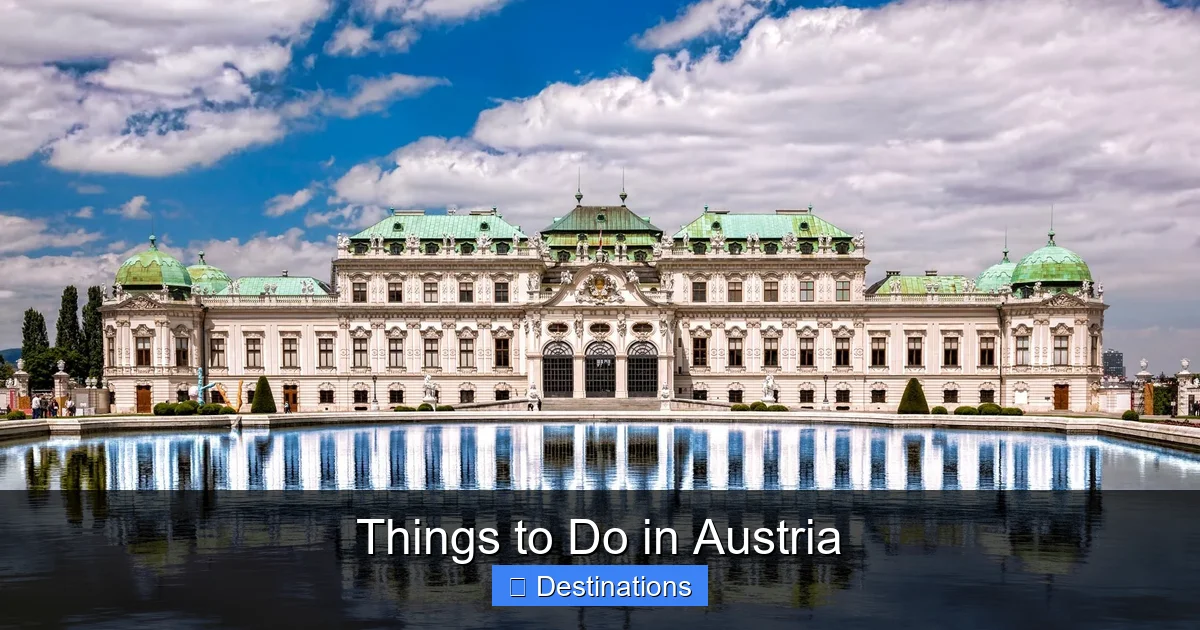
Often called the birthplace of Mozart and the setting for “The Sound of Music,” Salzburg is a city of narrow alleys, baroque facades, and mountain views. The Hohensalzburg Fortress, perched on a hill above the city, offers sweeping views and a museum showcasing medieval life.
Take a walking tour of the Old Town, a UNESCO site with colorful buildings, cobblestone streets, and charming squares. Visit Mozart’s birthplace and the Mirabell Palace gardens, which inspired the film’s famous dance scene.
Don’t miss a day trip to Hallstatt, the picturesque village nestled on a lake. While it’s a bit touristy, its beauty is undeniable—think turquoise waters, wooden houses, and mountain reflections. Book your visit early to avoid crowds.
4. Experience the Magic of Hallstatt
Visual guide about Things to Do in Austria
Image source: easytravel4u.com
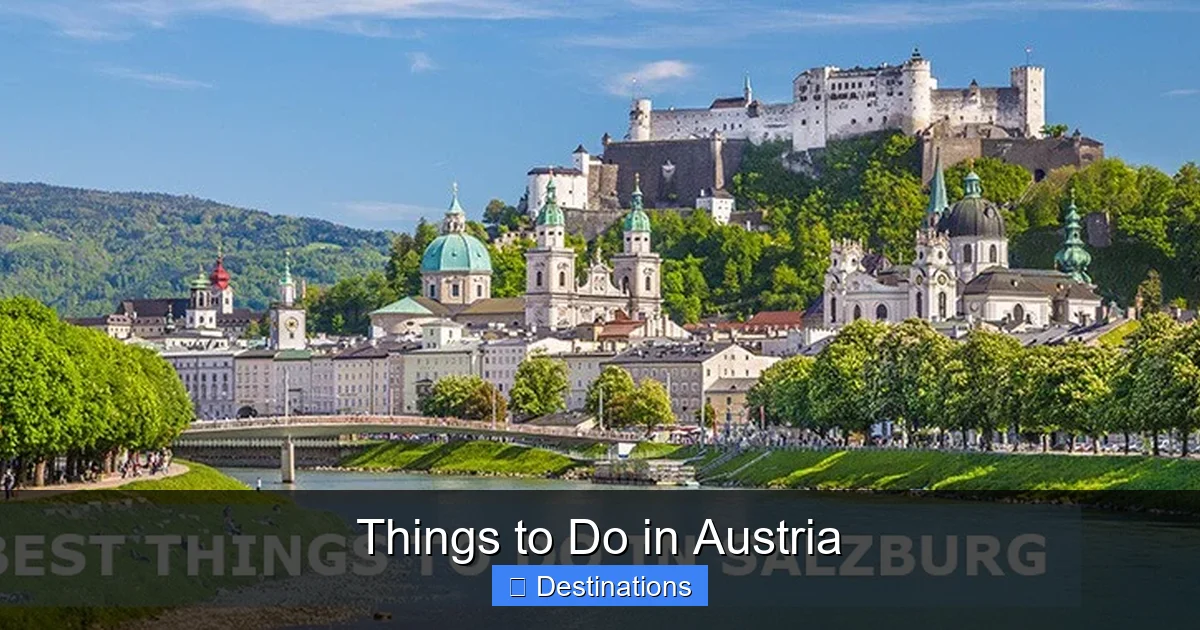
Hallstatt is more than a village—it’s a symbol of Alpine perfection. This UNESCO World Heritage site is famous for its reflection-filled lake, wooden chalets, and salt mines that date back over 7,000 years.
Spend a morning kayaking or taking a boat tour across Hallstatt Lake. Then, wander the Hallstatt Salt Mine, where you can ride a mine cart through tunnels and learn about the region’s mining history. For a peaceful moment, sit by the lake with a cup of coffee and watch the light dance on the water.
Pro tip: Visit early in the morning or late afternoon to capture the best photos and enjoy a quieter experience.
5. Enjoy Outdoor Adventures in Tyrol
Tyrol, in western Austria, is a paradise for outdoor lovers. Innsbruck, the region’s capital, blends urban energy with mountain access. Use it as a base to explore the Nordkette cable car system, which takes you to panoramic viewpoints and hiking trails.
For adrenaline seekers, try paragliding over the Inn Valley or white-water rafting in the Ziller River. In winter, Innsbruck hosts the Olympic Winter Games venues, including the bobsleigh track and ski jumps.
Nature hikes are equally rewarding. The Alpe Grida Trail offers easy walks through alpine pastures, while the Kaiserjoch Pass connects Austria and Italy with stunning views and access to multiple ski areas.
6. Savor Austrian Cuisine and Wine
Austrian food is hearty, comforting, and deeply rooted in tradition. Start with Wiener schnitzel—a breaded and fried cutlet, often served with potato salad and lingonberry jam. Don’t forget to try Kaiserschmarrn, a fluffy shredded pancake topped with fruit compote.
For dessert, indulge in apfelstrudel (apple strudel) or Sachertorte, the famous chocolate cake from Vienna. Pair your meal with a glass of local wine or Grüner Veltliner, Austria’s most popular white grape.
Wine regions like Wachau and Burgenland offer scenic vineyards and tastings. Visit a Heuriger in Vienna or a mountain farm in Tyrol to sample regional wines and cheeses.
7. Take a Scenic Train Ride
Austria’s rail system is efficient, scenic, and eco-friendly. The Westbahn connects Vienna to Salzburg in under two hours, passing through vineyards and small towns. The Brennerbahn climbs into the Alps, offering views of glaciers and mountain peaks.
For a longer journey, ride the Arlberg Railway, which winds through tunnels and over viaducts in the Vorarlberg region. These train rides aren’t just transportation—they’re part of the adventure.
Pro tip: Get an ÖBB Card for discounted travel across the country. It’s especially useful if you’re planning to visit multiple cities.
8. Attend a Folk Festival or Cultural Event
Austria loves to celebrate its heritage. In summer, towns like Schladming and Graz host Folk Festivals with live music, traditional dances, and local food. These events offer a glimpse into regional customs and are great for meeting locals.
In winter, Christmas markets pop up in cities and towns. Vienna’s Christkindlmarkt at Mariahilfplatz features handmade gifts, mulled wine, and roasted nuts. Salzburg’s market near the cathedral is equally enchanting.
For something unique, visit a traditional Alpine farm in the Tyrolean countryside. Many offer guided tours where you can milk cows, taste fresh cheese, and learn about sustainable farming.
9. Explore Castles and Palaces
Austria is home to over 1,000 castles, many of which are open to the public. Burg Kreuzenstein is a must-visit—a reconstructed medieval castle with a glass-floored tower and dramatic views. Burg Hohenwerfen offers a glimpse into 11th-century life and hosts falconry displays.
In Lower Austria, Schloss Weitra features an impressive art collection, while Schönbrunn Palace in Vienna dazzles with its rococo interiors and sprawling gardens.
For a romantic escape, stay in a castle hotel like the Schlosshotel Fuschl near Salzburg. Many offer spa services, fine dining, and guided tours.
10. Relax in Thermal Spas
After a day of hiking or sightseeing, unwind at one of Austria’s world-class thermal spas. Therme Wien offers modern pools and saunas in a sleek setting, while Therme Erding is the largest spa in Europe, located just outside Munich.
In the Alps, Thermalbad Wiesen in Carinthia features natural hot springs and outdoor pools surrounded by mountains. These spas are perfect for families and couples alike.
Pro tip: Book spa days in advance, especially during peak season.
Frequently Asked Questions
What are the top things to do in Austria for first-time visitors?
First-time visitors should start in Vienna to see Schönbrunn Palace and enjoy classical music. Then, visit Salzburg for its baroque charm and take a day trip to Hallstatt. Don’t miss a scenic train ride in the Alps.
Are there free things to do in Austria?
Yes! Many museums offer free admission on the first Sunday of the month. Strolling through Vienna’s parks, hiking in the Alps, and visiting local markets are also free or low-cost activities.
Is Austria safe for tourists?
Absolutely. Austria is one of the safest countries in Europe. Just take normal precautions, especially in crowded tourist areas, and keep an eye on your belongings.
What is the local currency in Austria?
Austria uses the euro (€). Credit cards are widely accepted, but it’s good to carry some cash for smaller towns and markets.
How do I get around Austria?
Trains are the best way to travel between cities. For local travel, use trams, buses, and metro systems. Renting a bike is also popular in cities and on scenic trails.
Can I drink tap water in Austria?
Yes! Tap water in Austria is safe and of high quality. Many locals drink it daily, and it’s often preferred over bottled water for environmental reasons.