
Beijing is a thrilling mix of ancient history and modern energy. Whether you’re exploring imperial palaces, wandering through traditional hutongs, or tasting world-famous Peking duck, this city offers unforgettable experiences. From the Great Wall to the Summer Palace, every corner of Beijing tells a story.
Welcome to Beijing—China’s bustling capital that effortlessly blends 3,000 years of history with cutting-edge innovation. As you step off the plane or train, you’ll feel the pulse of a city that’s both ancient and electric. From towering skyscrapers to quiet temple courtyards, Beijing is a city of contrasts where tradition dances with modernity. Whether you’re a first-time visitor or returning for another adventure, this guide will help you uncover the best things to do in Beijing.
Check the latest prices and available rooms before they sell out.
The city’s heart beats strongest in its historic core, where the Forbidden City stands like a silent guardian of imperial power. Just beyond, hutongs wind through neighborhoods where families have lived for generations, sharing stories over steaming cups of jasmine tea. But don’t let the old fool you—Beijing also pulses with energy in its art districts, night markets, and tech hubs. Ready to explore? Let’s dive into the top experiences that make Beijing unforgettable.
Key Takeaways
- Visit the Great Wall of China: The Mutianyu or Jinshanling sections are less crowded and offer stunning views—book a guided hike for the best experience.
- Explore the Forbidden City: Spend a full morning inside this UNESCO site to avoid crowds and fully appreciate its grand architecture.
- Stroll through hutongs: Rent a bike or join a rickshaw tour to discover narrow alleys filled with history, tea houses, and local life.
- Try authentic Beijing cuisine: Don’t miss Peking duck at Quanjude, hand-pulled noodles, and zhajiangmian at local eateries.
- Climb Jingshan Park: This spot offers one of the best views of the Forbidden City and is perfect for sunrise or sunset photos.
- Experience modern Beijing: Visit 798 Art District for contemporary art, shop in Sanlitun, or enjoy live Peking Opera at Liyuan Theatre.
- Plan around the seasons: Spring and autumn offer mild weather ideal for sightseeing, while winter brings festive lights and hot pot feasts.
Quick Answers to Common Questions
What is the best time to visit Beijing?
Spring (April–May) and autumn (September–October) offer the most pleasant weather, with mild temperatures and fewer crowds. Summer can be hot and humid, while winter is cold but festive with holiday decorations.
How long should I spend in Beijing?
At least 4–5 days is ideal to explore major attractions like the Great Wall, Forbidden City, and hutongs. If you want to take day trips or dive deeper into culture, consider 7–10 days.
Do I need a guide to visit the Great Wall?
Not required, but hiring a local guide enhances your experience with historical insights and helps you navigate the site. Self-guided visits are fine if you’re comfortable with maps and English signage.
Is it safe to eat street food in Beijing?
Yes! Beijing’s street food is generally safe and delicious. Stick to busy stalls with high turnover, and avoid raw vegetables or undercooked meats if you have a sensitive stomach.
How do I get around Beijing?
The subway system is efficient and covers most tourist areas. Ride-hailing apps like Didi are widely used, and taxis are affordable. Walking is great in central districts like the Forbidden City area.
Find the Best Accommodation Deals
Compare prices from multiple booking platforms and find the best option for your stay.
Compare Hotel Prices
📑 Table of Contents
- 1. Walk Along the Great Wall of China
- 2. Discover the Forbidden City
- 3. Wander Through Traditional Hutongs
- 4. Savor Authentic Beijing Food
- 5. Climb Jingshan Park for a Stunning View
- 6. Explore 798 Art District
- 7. Relax at the Summer Palace
- 8. Experience Peking Opera at Liyuan Theatre
- 9. Shop Till You Drop in Sanlitun
- 10. Take a Day Trip to the Great Wall at Jinshanling
- Bonus: Experience Beijing Like a Local
- Conclusion
1. Walk Along the Great Wall of China
No trip to Beijing is complete without seeing the Great Wall—one of the most iconic symbols of China’s enduring legacy. While the most famous section, Badaling, welcomes thousands of tourists daily, we recommend visiting Mutianyu or Jinshanling for a more peaceful experience. These sections are less crowded, well-preserved, and often include cable car rides or toboggan slides down the wall for fun.
Why Go to Mutianyu?
Mutianyu offers a perfect balance of accessibility and authenticity. You can take a shuttle bus from the city center, then ride the cable car up to enjoy panoramic views. Hiking a few sections of the wall gives you a real sense of its scale and history. Pro tip: Visit early in the morning to avoid crowds and catch golden light sweeping across the mountains.
Find the Best Accommodation Deals
Compare prices from multiple booking platforms and discover the best stay options available.
⭐ Trusted by thousands of travelers
💰 Budget to luxury options available
Tips for Visiting the Wall
- Wear comfortable, broken-in shoes—the terrain is uneven.
- Bring water and snacks; food options are limited once you’re on the wall.
- Consider hiring a local guide at the entrance to learn fascinating stories about construction and defense.
2. Discover the Forbidden City
Visual guide about Things to Do in Beijing
Image source: localadventurer.com
Best Stay Deals Available
Compare prices across top booking platforms and find the best deal for your stay.
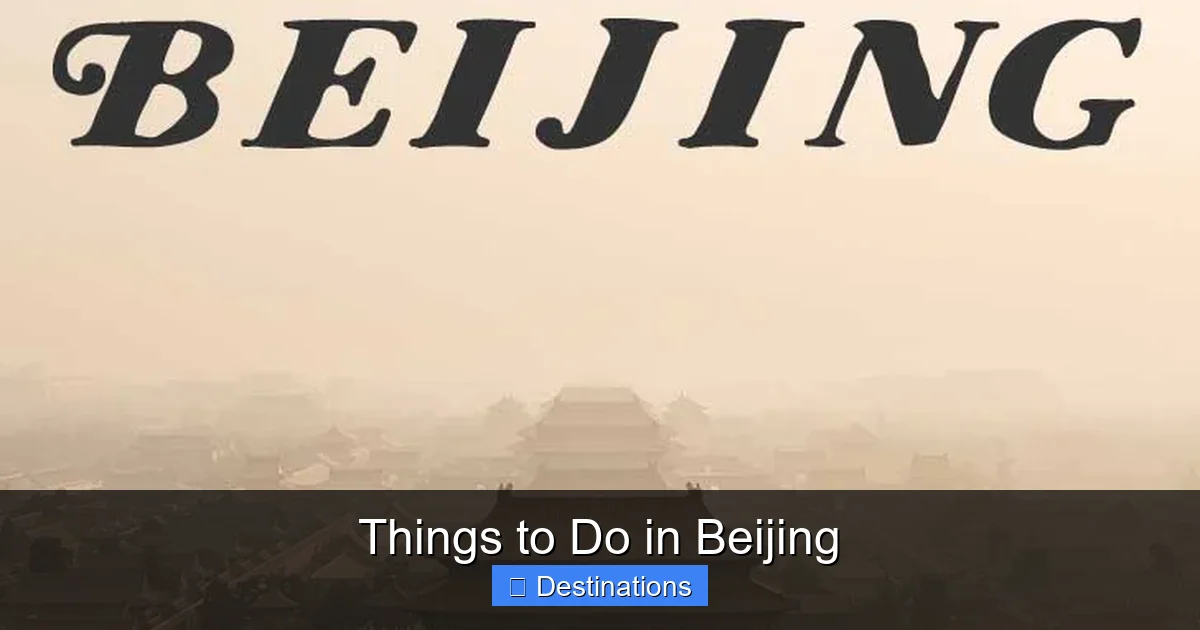
Check Available RoomsStepping into the Forbidden City is like walking through a living history book. This sprawling palace complex served as the imperial residence for 24 emperors during the Ming and Qing dynasties. Covering 180 acres, it houses over 9,000 rooms and countless artifacts.
Best Time to Visit
To avoid long lines, arrive right when it opens at 8:30 AM. Consider purchasing a combined ticket that includes the nearby Beihai Park and Jingshan Park. Guided tours (available in English) help you navigate the maze of courtyards and understand the symbolism behind each structure.
Must-See Highlights
- The Hall of Supreme Harmony—the largest wooden building in the world.
- The Imperial Garden—a peaceful retreat with ancient trees and pavilions.
- The Palace Museum—home to priceless artworks and calligraphy.
3. Wander Through Traditional Hutongs
Visual guide about Things to Do in Beijing
Image source: theplanetd.com
Hutongs are Beijing’s historic alleyways, formed centuries ago around Siheyuans (courtyard homes). These narrow passages offer a window into old Beijing life—think rickshaws, street vendors, and families playing chess under willow trees.
How to Experience Hutongs
Rent a bike or book a rickshaw tour with a local operator. A 1–2 hour ride through areas like Nanluoguxiang or Shichahai gives you insight into daily life. You might pop into a courtyard café for bubble tea, watch a tai chi session in a park, or even join a calligraphy class.
Hidden Gems
Look for small shops selling handmade crafts, vintage postcards, and traditional snacks. Some hutongs lead to quiet temples or community gardens—great spots to escape the tourist buzz.
4. Savor Authentic Beijing Food

Visual guide about Things to Do in Beijing
Image source: globalhelpswap.com
Beijing’s food scene is as rich as its history. Start with Peking duck—crispy skin, tender meat, served with pancakes, cucumber, and hoisin sauce. Head to Quanjude for a classic experience, but don’t overlook smaller restaurants like Da Dong or Da Ya for modern twists.
Other Local Delights
- Zhajiangmian: Noodles topped with fermented soybean paste and vegetables.
- Jianbing: A savory crepe filled with egg, scallions, and sauces—best eaten from a street cart.
- Douzhi: Soybean milk dessert often enjoyed for breakfast.
Dining Tips
Visit Wangfujing Snack Street for a variety of street food. Be bold—try everything from scorpions to century eggs (yes, they’re an acquired taste!). And always carry cash—many small vendors don’t accept cards.
5. Climb Jingshan Park for a Stunning View
Perched right behind the Forbidden City, Jingshan Park is one of Beijing’s best-kept secrets. Climb the hill to reach the Coal Hill Pavilion, where you’ll get sweeping views of the Forbidden City’s rooftops—especially magical during sunrise or sunset.
Why It’s Worth It
This is the only place where you can photograph the entire Forbidden City in one shot. Locals often come here for morning exercise or to watch the city wake up. Entry is just a few dollars, and it’s open daily.
Photography Tips
Go early to avoid crowds and secure the perfect spot. Bring a wide-angle lens if you’re serious about capturing the scale of the palace complex.
6. Explore 798 Art District
For a dose of modern culture, head to 798 Art District in northeastern Beijing. Once a Cold War-era industrial zone, it’s now a vibrant hub of galleries, studios, and cafes housed in repurposed factories.
What to See
Browse contemporary Chinese art at galleries like Today Art Museum or UCCA. Grab coffee at a trendy spot like The Roastery, browse vintage clothing stores, or catch a live performance at a small theater.
Nightlife Vibes
In the evening, 798 transforms into a lively hotspot with rooftop bars and DJ sets. It’s a favorite among creatives and expats, making it a great place to meet locals or fellow travelers.
7. Relax at the Summer Palace
Just northwest of the city center, the Summer Palace is a vast ensemble of lakes, gardens, and palaces built during the Qing Dynasty. Its highlight? Kunming Lake, where you can rent a dragon boat and paddle across the water while admiring the Marble Boat and Long Corridor.
Perfect for a Slow Afternoon
Bring a picnic, find a shady bench, and soak in the tranquility. The park is especially beautiful in spring when cherry blossoms bloom or in autumn when leaves turn golden.
Pro Tip
Buy a combined ticket that includes access to the Hill of Wisdom and the Tower of Buddhist Incense for a full-day experience.
8. Experience Peking Opera at Liyuan Theatre
Peking Opera is more than entertainment—it’s a centuries-old art form blending music, acrobatics, and elaborate costumes. Watching it live is a must-do for understanding Chinese performing arts.
Where to Watch
Liyuan Theatre in Qianmen District offers English-language shows twice a week. Tickets start around $15 and include a brief introduction to the history and techniques of the opera.
What to Expect
The singing is high-pitched and stylized, the movements exaggerated, and the makeup tells the character’s personality at a glance. Don’t worry if it feels unfamiliar—it’s meant to be experienced, not analyzed.
9. Shop Till You Drop in Sanlitun
If you love fashion, Sanlitun is your paradise. This upscale neighborhood is packed with international brands, designer boutiques, and chic malls like Taikoo Li.
Beyond Shopping
After browsing, unwind at one of the many rooftop bars with skyline views. Try craft cocktails at Ophelia or enjoy live jazz at The Roastery’s sister location.
Night Market Alternative
For something more local, visit Panjiayuan Antique Market—a sprawling flea market where you can haggle for antiques, handicrafts, and souvenirs.
10. Take a Day Trip to the Great Wall at Jinshanling
For the ultimate hiking adventure, head to Jinshanling—famous for its rugged beauty and minimal restoration. It’s a full-day trek from Beijing, but the effort pays off with breathtaking views and solitude.
How to Get There
Join a guided tour or rent a private car. The journey takes about 2.5 hours each way. Bring trekking poles, plenty of water, and layers—the weather can change quickly in the mountains.
Best Time to Go
Spring and early autumn offer the most comfortable temperatures. Summer can be hot and humid, while winter brings snow and ice.
Bonus: Experience Beijing Like a Local
To truly connect with the city, join a community event or attend a festival. The Beijing Jazz Festival in summer, Mid-Autumn Festival lantern displays, or Dragon Boat Festival races are all unforgettable. Also, try visiting a local park at dawn—you’ll see thousands of people practicing tai chi, dancing, or singing opera together.
Conclusion
Beijing is a city that rewards curiosity. Whether you’re marveling at ancient walls, sampling street food, or sipping baijiu in a hutong teahouse, every moment feels alive with history and possibility. With so much to see and do, planning ahead helps you make the most of your visit. Use this guide to prioritize must-dos, but leave room for serendipity—you never know what hidden gem you’ll stumble upon.
Ready to explore more? Check out our Things to Do in Miami Pre Post Cruise for another exciting destination guide, or read about Cultural Things to Do in Amsterdam for a European twist. And if you’re dreaming of sunny adventures, don’t miss 15 Amazing Things To Do In Florida For Fun.
Frequently Asked Questions
What are the must-try foods in Beijing?
Don’t miss Peking duck, zhajiangmian, jianbing, and douzhi. Try them at reputable spots like Quanjude for duck or street vendors for jianbing. Local markets like Wangfujing offer a wide variety of snacks.
Are there any free things to do in Beijing?
Yes! Parks like Beihai Park, Jingshan Park, and the Temple of Heaven (though some areas require entry fees) offer beautiful scenery. Many hutongs can be explored freely, and community events often have free admission.
How far is the Great Wall from Beijing?
Most accessible sections are within 1–2 hours by car or public transport. Mutianyu is about 70 km (45 miles) northeast, while Jinshanling is farther at 150 km (95 miles)—best reached by guided tour.
Can I visit the Forbidden City without a guide?
Absolutely. Self-guided audio tours are available for rent, and printed maps help navigate the complex. But a live guide provides richer context, especially for first-time visitors.
Is Beijing expensive to visit?
Compared to Western cities, Beijing is relatively affordable. Accommodation, food, and public transport are budget-friendly. Splurge on Peking duck or a guided tour if you can, but many attractions offer free or low-cost entry.