
Chiang Mai blends serene temples, lush mountains, and rich culture into one unforgettable destination. Whether you’re seeking spiritual calm, outdoor thrills, or culinary delights, this city offers something for every traveler.
Nestled in the verdant mountains of northern Thailand, Chiang Mai is more than just a travel destination—it’s a gateway to culture, nature, and adventure. Known as the “Rose of the North,” this city pulses with traditional charm while embracing modern energy. From golden temples perched on hilltops to bustling night markets and jungle-clad trails, Chiang Mai offers a perfect balance of relaxation and exploration. Whether you’re a first-time visitor or returning for another taste of its magic, this guide will help you uncover the best things to do in Chiang Mai and create memories that last a lifetime.
Check the latest prices and available rooms before they sell out.
Unlike the crowded beaches of southern Thailand, Chiang Mai invites you to slow down and connect—with people, history, and the great outdoors. The city is a hub for spiritual seekers, food lovers, and adventure enthusiasts alike. You’ll find quiet moments in ancient monasteries, fiery flavors in local eateries, and breathtaking vistas at every turn. Let’s dive into the experiences that make Chiang Mai a must-visit destination.
Key Takeaways
- Explore ancient temples like Wat Phra That Doi Suthep, perched high above the city with panoramic views.
- Experience local culture at the Night Bazaar or Sunday Walking Street, where crafts, food, and music come alive.
- Get off the beaten path with elephant sanctuaries, zip-lining, or trekking in the surrounding mountains.
- Savor authentic Thai cuisine through cooking classes and street food tours that teach you how to make pad thai and green curry.
- Enjoy nature escapes such as Doi Inthanon National Park, where waterfalls and cloud forests await.
- Relax with wellness retreats, including yoga sessions, spa treatments, and meditation in peaceful settings.
- Plan around festivals like Yi Peng (Lantern Festival) for a magical cultural experience.
Quick Answers to Common Questions
What is the best time to visit Chiang Mai?
October to February is ideal, with cool, dry weather perfect for exploring temples and outdoor activities.
Do I need a visa to visit Chiang Mai?
Visitors from many countries can stay visa-free for up to 30 days. Check your country’s requirements before traveling.
Is Chiang Mai safe for solo travelers?
Yes, Chiang Mai is very safe. It’s a popular destination for solo travelers, with friendly locals and good infrastructure.
How do I get around Chiang Mai?
Tuk-tuks, songthaews (shared taxis), and scooters are common. Ride-hailing apps like Grab are also widely used.
Are elephant rides ethical in Chiang Mai?
No. Ethical sanctuaries do not allow riding. Choose places that focus on conservation and education instead.
📑 Table of Contents
Discover Ancient Temples and Spiritual Sites
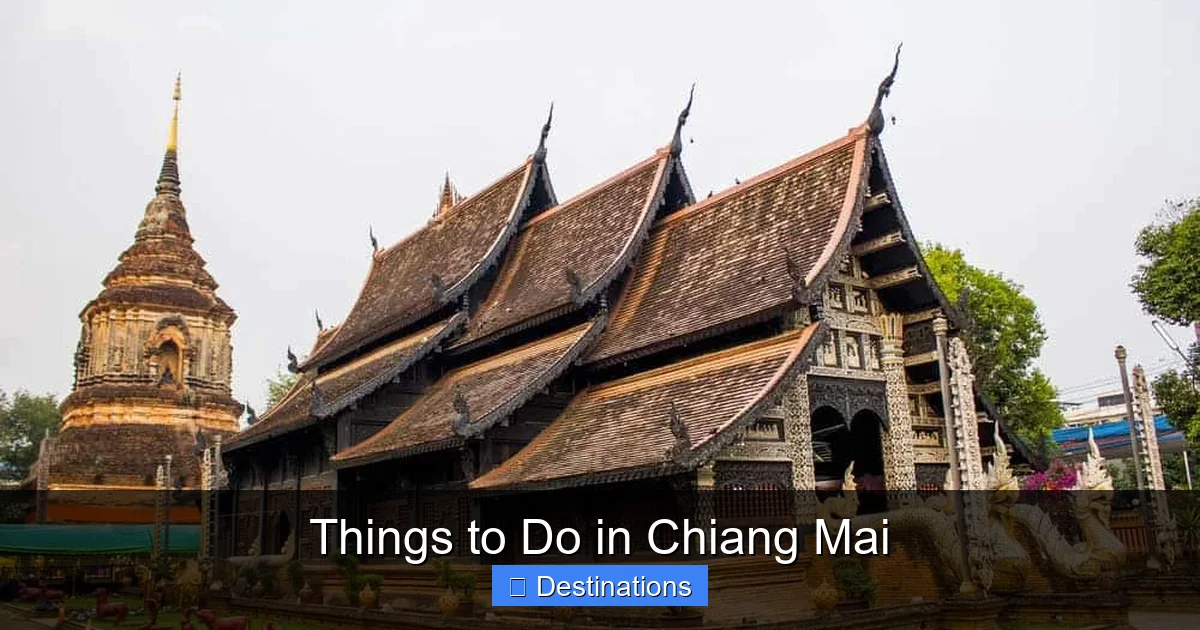
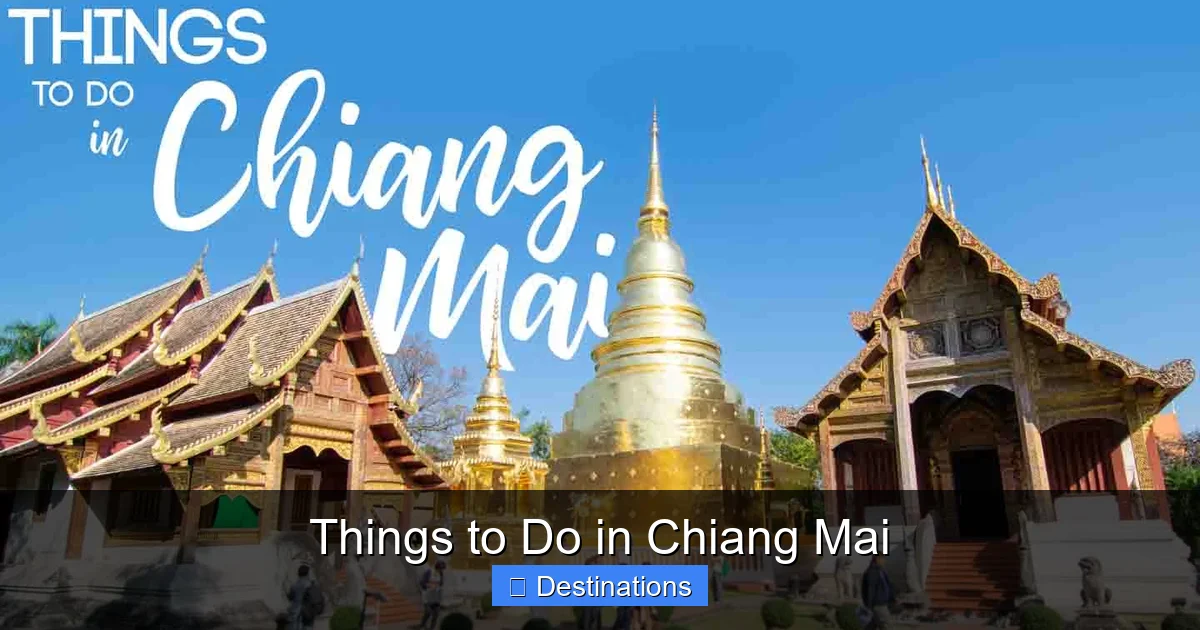
No visit to Chiang Mai is complete without stepping into its sacred spaces. The city is dotted with over 300 temples, each telling a story of faith, art, and history. Start your journey at Wat Phra Singh, a beautiful example of Lanna architecture with intricate wood carvings and a revered Buddha image. Just a short walk away, Wat Chedi Luang stands as a solemn reminder of the city’s royal past, once housing a massive stupa now reduced to ruins but still awe-inspiring.
Find the Best Accommodation Deals
Compare prices from multiple booking platforms and find the best option for your stay.
Compare Hotel PricesFor a truly breathtaking view, hike or take the cable car up to Wat Phra That Doi Suthep. This golden-roofed temple sits on a mountain ridge 1,073 meters above sea level, offering sweeping views of Chiang Mai below. The steep climb is rewarded with serenity and spiritual energy. Inside, the Phra Viharn houses a sacred relic and features stunning murals depicting Buddhist teachings.
Tip:
Wear modest clothing (cover shoulders and knees) when visiting temples. Remove your shoes before entering and be respectful of monks and rituals.
Find the Best Accommodation Deals
Compare prices from multiple booking platforms and discover the best stay options available.
⭐ Trusted by thousands of travelers
💰 Budget to luxury options available
Beyond the city center, explore Wat Umong, an ancient temple turned into a tranquil forest monastery. Its circular walls enclose a peaceful garden, and the temple is built around a natural cave—perfect for reflection and quiet contemplation.
Immerse Yourself in Local Culture and Markets
Visual guide about Things to Do in Chiang Mai
Best Stay Deals Available
Compare prices across top booking platforms and find the best deal for your stay.
Check Available RoomsImage source: treksplorer.com
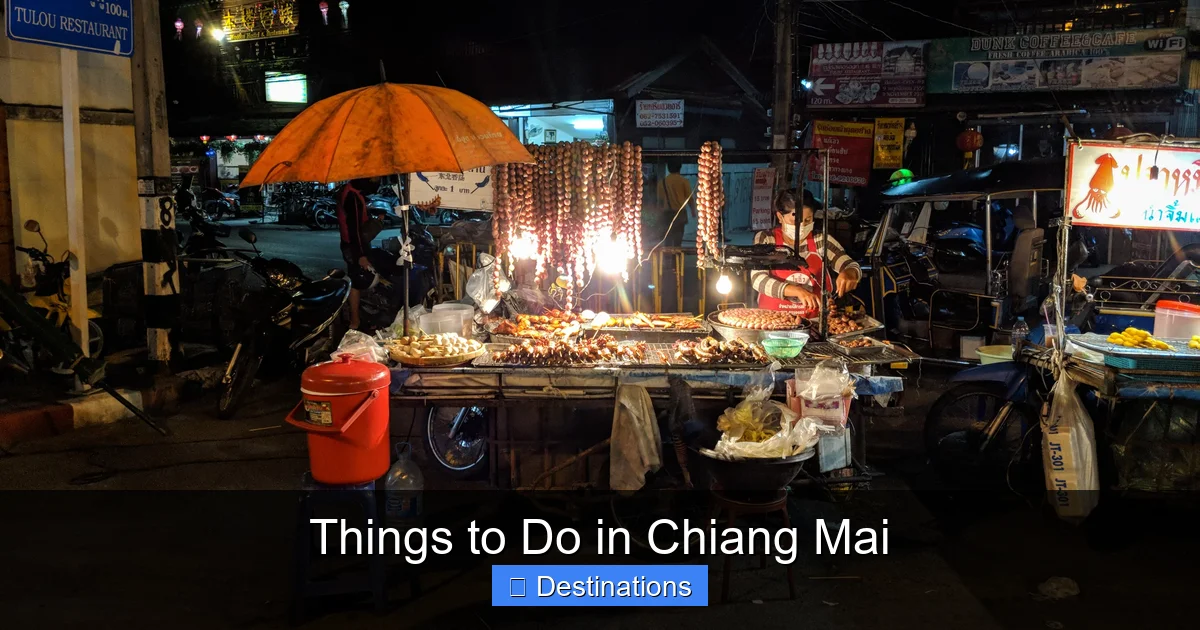
Chiang Mai’s cultural heartbeat beats strongest in its markets and festivals. The Night Bazaar on Chang Phueak Road is a sensory overload of colorful stalls, street food, handmade crafts, and live music. Bargaining is expected here, so don’t be afraid to negotiate prices. You’ll find silk scarves, silver jewelry, wood carvings, and quirky souvenirs.
On Sundays, head to the Walking Street in the Old City. This pedestrian zone transforms into an open-air museum of local life. Street performers, artisans, and food vendors line the route. Try khao soi—a creamy coconut curry noodle soup that’s Chiang Mai’s signature dish—or sample mangoes with sticky rice from a roadside stall.
For a deeper cultural experience, join a traditional Lanna cooking class. Learn to make dishes like gaeng som (spicy sour curry) and nam prik (chili dip) from expert chefs. These classes often include a visit to a local market where you pick fresh ingredients—just like a real Thai housewife.
Pro Tip:
Visit the Chiang Mai Cultural Center for free performances of traditional dance, music, and theater. It’s a great way to understand the region’s heritage.
Get Active in Nature and Adventure
Visual guide about Things to Do in Chiang Mai
Image source: wanderingwheatleys.com
Chiang Mai is a paradise for outdoor lovers. Just outside the city, you’ll find lush jungles, rushing rivers, and towering trees perfect for zip-lining. Flight of the Gibbon offers a thrilling canopy tour with 13 ziplines and rappelling down waterfalls. It’s not for the faint-hearted, but the views are unforgettable.
For a more relaxed adventure, trek through the hills with a homestay tour. These multi-day hikes take you into remote villages where you’ll sleep under the stars, eat home-cooked meals, and learn about hill tribe cultures. You’ll visit Hmong, Karen, and Lisu communities, gaining insight into their traditions and way of life.
If you prefer something calmer, explore Doi Inthanon National Park—Thailand’s highest peak at 2,565 meters. The park features waterfalls like Wachirathan, where you can swim in natural pools, and the King and Queen Pagodas, which mark the northern and southern borders of Thailand. The cool mountain air and misty mornings make it a refreshing escape from the heat.
Adventure Tip:
Book your trek or zipline through a reputable operator like Chiang Mai Adventure or Eagle Track to ensure safety and sustainability.
Experience Elephant Sanctuaries with Care
Visual guide about Things to Do in Chiang Mai
Image source: gettingstamped.com
One of the most popular activities in Chiang Mai is interacting with elephants. However, not all sanctuaries are created equal. To avoid supporting harmful practices like riding or chaining, choose ethical elephant sanctuaries where elephants roam freely and are cared for by knowledgeable staff.
Visit places like Elephant Nature Park or Patra Elephant Camp for a respectful experience. You’ll observe elephants bathing, eating, and socializing in a natural environment. Some sanctuaries even allow you to feed them organic fruits like bananas and sugarcane.
Important Note:
Never ride elephants in Chiang Mai. The physical strain on their spines and joints is cruel and outdated. Ethical sanctuaries prioritize welfare over entertainment.
Indulge in Thai Cuisine and Cooking Classes
Food is at the heart of Thai life, and Chiang Mai offers some of the most authentic flavors in the country. Unlike the sweeter dishes of the south, northern Thai cuisine is bold, spicy, and tangy. Don’t miss yam wunsen (spicy glass noodle salad), sa kua (braised pork sausage), and khao man gai (coconut-flavored chicken rice).
To truly understand the cuisine, enroll in a cooking class. Most are held in a home kitchen with a local chef who teaches you step-by-step how to prepare a full meal. You’ll learn knife skills, spice balancing, and the secrets behind perfect curry paste.
For a unique twist, try a night food tour. Guides take you through hidden alleys and night markets, introducing you to street food legends like grilled river fish and sticky rice with mango. These tours often include stories about the food and its cultural significance.
Foodie Tip:
Visit Warorot Market (also known as Khao Street) early in the morning for the freshest ingredients and local favorites like nam ngiao (noodles with blood sausage).
Relax and Recharge with Wellness Retreats
Chiang Mai has earned a reputation as a wellness retreat hub in Southeast Asia. The city’s peaceful atmosphere, combined with natural beauty, makes it ideal for yoga, meditation, and spa treatments.
Join a yoga retreat in a quiet temple garden or a boutique studio in the Old City. Many classes focus on traditional Thai yoga and breathing techniques. For a deeper experience, attend a forest meditation session in Doi Suthep or a sound healing workshop with singing bowls.
Spa lovers will adore the Thai massage—a therapeutic treatment using acupressure and stretching. Look for sanuk spas, which offer affordable, high-quality massages in a relaxed setting. Some even use herbal compresses and essential oils for added relaxation.
Wellness Tip:
Book a couples massage or four hands treatment for a truly luxurious experience. Many spas offer packages that include aromatherapy and foot scrubs.
Join Festivals and Celebrations
Chiang Mai comes alive during its annual festivals, offering unforgettable cultural experiences. The most famous is Yi Peng (Loy Krathong and Lantern Festival), usually in November. Thousands of sky lanterns float into the night sky, creating a magical spectacle. The city is decorated with lights, and locals release krathongs (decorative baskets) into rivers.
Another highlight is Songkran (Thai New Year) in April, when people splash water on each other to wash away bad luck. The city turns into a massive water fight, especially around the Old City.
For a quieter celebration, visit during Queen’s Birthday (August 12), when the city decorates streets with flowers and holds parades in honor of Thailand’s beloved queen.
Festival Tip:
If you visit during Yi Peng, book accommodations early—hotels fill up fast. Consider staying in a temple guesthouse for a more authentic experience.
Frequently Asked Questions
What are the must-see temples in Chiang Mai?
Wat Phra Singh, Wat Chedi Luang, and Wat Phra That Doi Suthep are essential. Each offers unique architecture and spiritual significance.
Can I visit Chiang Mai on a budget?
Yes. Budget travelers can enjoy free temple visits, street food, and low-cost guesthouses. Hostels start from $10/night.
Are there good hiking trails near Chiang Mai?
Absolutely. Doi Inthanon National Park and nearby hill tribe villages offer scenic hikes and cultural experiences.
Is Chiang Mai family-friendly?
Yes, with cooking classes, temples, and nature parks, it’s great for families. Many activities cater to children.
How long should I stay in Chiang Mai?
At least 3–5 days is recommended to explore temples, markets, and day trips. A week allows time for retreats and nature escapes.