
Dali is a captivating destination in Yunnan Province, China, offering a blend of ancient history, breathtaking scenery, and rich culture. Whether you’re wandering through cobbled streets or trekking to hidden lakes, Dali delivers unforgettable experiences for every traveler.
Nestled in the heart of Yunnan Province, Dali is more than just a stop on the Silk Road—it’s a destination that wraps you in history, nature, and culture. Known as the “West Lake of Yunnan,” Dali sits beside the serene Erhai Lake and is framed by the majestic Cangshan Mountain range. With its cobbled alleys, ancient temples, and warm hospitality, this city offers travelers a peaceful escape from China’s bustling urban centers. Whether you’re a history buff, nature lover, or food enthusiast, things to do in Dali will leave you enchanted and inspired.
Check the latest prices and available rooms before they sell out.
What makes Dali truly special is how seamlessly it blends old-world charm with natural beauty. The city is dominated by the Bai ethnic group, whose unique culture and architecture shine through in every corner. From the whitewashed houses with carved wooden balconies to the intricate stone carvings in local temples, Dali feels like stepping into a living museum. And when you add in the stunning landscapes—lush valleys, crystal-clear lakes, and towering peaks—you’ll understand why so many visitors return year after year.
If you’re planning your next trip, Dali should be on your list. Let’s dive into the top experiences that make this city a must-visit destination.
Key Takeaways
- Explore Dali Old Town: Wander historic lanes, visit traditional Bai architecture, and enjoy local snacks in this UNESCO-inspired cultural hub.
- Visit Erhai Lake: Take in panoramic views of snow-capped Cangshan Mountain and enjoy boat rides or cycling along the lake’s scenic trails.
- Climb Cangshan Mountain: Hike or take a cable car up this sacred peak for dramatic vistas and fresh mountain air.
- Experience Bai Culture: Learn about the local Bai ethnic group through performances, handicrafts, and traditional festivals.
- Try Local Cuisine: Savor dishes like Erhei Tea, Crossing Bridge Noodles, and fresh lake fish that define Dali’s culinary identity.
- Plan Around Festivals: Time your visit to experience events like the Dali Marching Flower Festival for vibrant cultural immersion.
Quick Answers to Common Questions
What is the best time to visit Dali?
The best time to visit Dali is from March to May or September to November. These months offer mild weather, clear skies, and fewer crowds, making it ideal for exploring the city and surrounding nature.
How do I get to Dali?
You can reach Dali by air, train, or bus. The nearest airport is Dali Airport, about 13 kilometers from the city center. High-speed trains from Kunming or Lijiang also stop at Dali Railway Station.
Is Dali safe for tourists?
Yes, Dali is considered very safe for tourists. The city has a low crime rate, and locals are generally friendly and helpful. Just be cautious of scams in crowded areas like the old town.
What should I wear in Dali?
Pack comfortable walking shoes, light clothing for daytime, and a jacket for cooler evenings or mountain hikes. Layers are recommended, especially if you plan to visit Cangshan Mountain.
Are there English-speaking guides in Dali?
Yes, many tour operators and guesthouses in Dali offer English-speaking guides. You can also hire a guide through your accommodation or book a group tour online in advance.
Find the Best Accommodation Deals
Compare prices from multiple booking platforms and find the best option for your stay.
Compare Hotel Prices
📑 Table of Contents
- 1. Explore Dali Old Town
- 2. Take in the Views at Erhai Lake
- 3. Hike or Cable Car Up Cangshan Mountain
- 4. Experience Bai Culture and Traditions
- 5. Savor Dali’s Local Cuisine
- 6. Attend Local Festivals and Events
- 7. Visit Nearby Attractions
- 8. Relax and Recharge in Nature
- 9. Shop for Souvenirs and Handicrafts
- 10. Plan Your Itinerary Like a Pro
1. Explore Dali Old Town
At the heart of Dali lies its charming old town, a labyrinth of narrow streets, traditional courtyards, and bustling markets. Unlike many Chinese tourist spots, Dali Old Town has retained much of its original character, thanks to the Bai people’s preservation efforts. Stroll along the ancient stone paths, and you’ll pass centuries-old shops selling handmade crafts, silver jewelry, and local snacks.
One of the highlights is the Dali Ancient Town Cultural Park, where you can admire Bai-style architecture and learn about the region’s history. Don’t miss the chance to try Erhei Tea, a local specialty brewed with roasted rice and herbs—perfect for warming up on a cool morning. For a quieter experience, visit early in the morning or late afternoon when the crowds thin out and the golden light bathes the whitewashed buildings.
Find the Best Accommodation Deals
Compare prices from multiple booking platforms and discover the best stay options available.
⭐ Trusted by thousands of travelers
💰 Budget to luxury options available
Pro tip: Avoid the main tourist drag near the entrance. Instead, wander into the side lanes where locals go about their daily lives. You’ll find hidden courtyards, small tea houses, and friendly residents who are happy to share stories about their heritage.
2. Take in the Views at Erhai Lake
Visual guide about Things to Do in Dali
Best Stay Deals Available
Compare prices across top booking platforms and find the best deal for your stay.
Check Available RoomsImage source: chinadiscovery.com
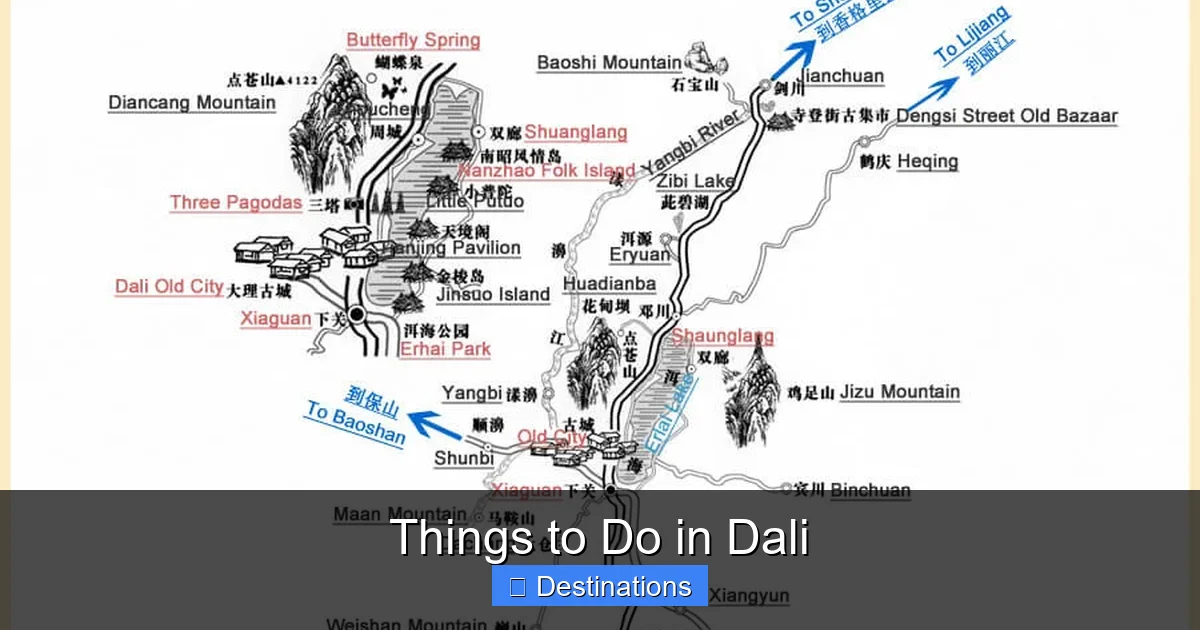
Just a short ride from Dali Old Town, Erhai Lake stretches out like a mirror reflecting the sky and the snow-capped Cangshan Mountains. This freshwater lake is not only one of the most beautiful spots in Yunnan but also a haven for outdoor lovers. Whether you’re into cycling, photography, or simply relaxing by the water, Erhai Lake delivers.
One of the best ways to explore the lake is by bike. Rent a bicycle and follow the scenic Erhai Lake Cycling Route, which circles the entire lake. The 120-kilometer path offers breathtaking views, with stops at villages, orchards, and small lakeside cafes. You’ll pass through traditional Bai villages like Xizhou and Shuanglang, where you can interact with locals and see their unique stilted houses.
For a more relaxed experience, take a boat ride on the lake. Sunset cruises are especially magical, with the sun painting the water in hues of orange and pink. If you’re feeling adventurous, try kayaking or paddleboarding for a closer look at the lake’s tranquil beauty.
3. Hike or Cable Car Up Cangshan Mountain

Visual guide about Things to Do in Dali
Image source: optometria.pl
Rising dramatically from the edge of Erhai Lake, Cangshan Mountain is a sacred peak for the Bai people and a must-visit for nature lovers. With seven peaks and three valleys, the mountain offers a range of hiking trails suitable for all skill levels. For those who prefer not to hike, a cable car takes you up to the Yu Long Snow Mountain Resort in just 20 minutes.
Once at the top, you’ll be rewarded with panoramic views of Dali, Erhai Lake, and the surrounding countryside. On clear days, you might even catch a glimpse of the distant Tibetan Plateau. The mountain is also home to several temples and monasteries, including the Zhonghe Temple, which dates back to the Tang Dynasty.
For the adventurous, the Tiger Leaping Gorge Trail is a challenging but rewarding hike that takes you deep into the mountain’s rugged terrain. Along the way, you’ll pass through alpine meadows, bamboo groves, and crystal-clear streams. Bring plenty of water and wear sturdy shoes—this trail is not for the faint of heart.
4. Experience Bai Culture and Traditions

Visual guide about Things to Do in Dali
Image source: optometria.pl
Dali’s identity is deeply rooted in the culture of the Bai people, one of China’s 56 recognized ethnic groups. To truly understand Dali, you need to experience their traditions firsthand. One of the best ways is to attend a Bai folk performance, where you can watch traditional dances, songs, and even martial arts demonstrations.
Visit the Bai Nationality Folk Custom Village to see artisans at work. Here, you can watch blacksmiths hammering iron, weavers creating intricate patterns, and potters shaping clay on ancient wheels. Many of these crafts have been passed down through generations, and some artisans are happy to teach visitors the basics.
Don’t miss the chance to participate in a Bai wedding ceremony or a Three-Course Tea ritual. These experiences offer a glimpse into the warmth and hospitality of the Bai people. It’s common for locals to invite visitors to share a cup of tea and a chat—don’t be surprised if you’re asked to stay for dinner!
5. Savor Dali’s Local Cuisine
Food in Dali is a reflection of its culture and geography. The city is famous for its fresh produce, lake fish, and traditional Bai dishes. Start your culinary journey with Crossing Bridge Noodles, a Yunnan specialty that’s both comforting and flavorful. Legend says it was created by a devoted wife who cooked for her scholar husband, carrying the noodles across a bridge in a heated broth.
Another must-try is Erhei Tea, often served in small clay pots. This nutty, slightly smoky tea is made from roasted rice and herbs and is believed to aid digestion. Pair it with local snacks like Yunnan Ham or Stinky Tofu for an authentic taste of Dali.
For a truly immersive experience, join a food tour that takes you through local markets and family-run eateries. You’ll sample dishes like Spicy Fish in Chili Oil, Bai-style Braised Pork, and Fresh Lotus Root Salad. And of course, don’t forget to try the region’s famous Yunnan Pu’er Tea, a fermented tea with a rich, earthy flavor.
6. Attend Local Festivals and Events
Timing your visit around a local festival can elevate your trip to Dali. The most famous event is the Dali Marching Flower Festival, held in February or March to welcome spring. During this vibrant celebration, thousands of people dress in traditional Bai costumes and march through the streets, singing and dancing to folk music.
Another highlight is the Torch Festival, usually in July or August, where bonfires light up the night and locals perform fire dances. These festivals are not just for tourists—they’re community events that bring together families and friends.
If you’re visiting during the Mid-Autumn Festival, look for mooncake-making workshops and lantern displays. It’s a peaceful, reflective time to enjoy the city’s tranquil beauty.
7. Visit Nearby Attractions
While Dali itself is a treasure, the surrounding region offers even more to explore. Just a short drive away is Jizu Mountain, home to the Jizu Temple—a Buddhist monastery carved into the cliffs. The hike up is steep but worth it for the spiritual atmosphere and sweeping views.
Another nearby gem is Xizhou Town, one of the oldest Bai villages in Dali. Its cobbled streets, ancient bridges, and traditional houses make it a favorite among photographers and history lovers. You can also visit the Xizhou Ancient Bridge, a wooden structure that’s over 600 years old.
For a day trip, head to Shaxi Ancient Town, a well-preserved Silk Road trading post. Its quiet alleys, old stone houses, and artisan shops offer a peaceful contrast to Dali’s busier pace.
8. Relax and Recharge in Nature
After days of exploring, Dali offers plenty of ways to unwind. Book a stay at a lakeside resort or a traditional Bai courtyard inn. Many accommodations offer spa services, yoga classes, and meditation sessions surrounded by nature.
For a truly peaceful experience, spend an afternoon by the lakeshore. Bring a book, a blanket, and a thermos of Erhei Tea. Watch the fishermen cast their lines, and let the gentle breeze wash away the day’s fatigue.
If you’re into wellness, join a tea ceremony workshop or a Bai massage session. These practices focus on harmony, balance, and natural healing—perfect for recharging your spirit.
9. Shop for Souvenirs and Handicrafts
Dali is a shopper’s paradise, especially for those looking for unique, handmade items. The old town is filled with stalls and shops selling everything from silver jewelry and jade to bamboo crafts and silk scarves.
Look for Bai silver jewelry, which features intricate designs and often includes turquoise stones. These pieces are not only beautiful but also carry cultural significance. You can also buy hand-painted fans, embroidered cloth, and Yunnan Pu’er Tea to take home as gifts.
For a more authentic experience, visit local markets like Renmin Lu Night Market, where you can haggle for fresh produce, snacks, and handmade goods. It’s a lively spot, especially in the evening, with street food vendors and live music.
10. Plan Your Itinerary Like a Pro
To make the most of your time in Dali, consider spending at least three days here. This gives you enough time to explore the old town, visit Erhai Lake, and take a day trip to nearby attractions.
Start early to avoid crowds, especially at popular spots like Cangshan Mountain and Erhai Lake. Rent a bike or hire a local guide to get the most out of your visit. And don’t forget to pack layers—Dali’s weather can change quickly, especially in the mountains.
For budget travelers, Dali is surprisingly affordable. Street food costs just a few yuan, and guesthouses start from as low as 100 yuan per night. Mid-range hotels and resorts offer great value, especially those with lake views.
Frequently Asked Questions
What is Dali known for?
Dali is known for its stunning natural scenery, including Erhai Lake and Cangshan Mountain, as well as its rich Bai culture, ancient old town, and delicious local cuisine.
How many days should I spend in Dali?
Plan for at least 3 days to fully experience Dali. This allows time to explore the old town, visit Erhai Lake, take a mountain hike, and enjoy nearby attractions.
Can I cycle around Erhai Lake?
Yes, cycling around Erhai Lake is one of the most popular activities. The scenic route is about 120 kilometers long and offers beautiful views of the lake and mountains.
Is it expensive to travel in Dali?
Dali is relatively affordable compared to major Chinese cities. Accommodation, food, and activities are reasonably priced, especially if you stay in guesthouses and eat at local restaurants.
Are there hiking trails in Cangshan Mountain?
Yes, Cangshan Mountain has several hiking trails ranging from easy walks to challenging treks. A cable car is also available for those who prefer not to hike.
What is Bai culture like?
Bai culture is known for its traditional architecture, folk music, dance, and crafts. The Bai people are warm and hospitable, and their customs are deeply woven into daily life in Dali.