
Dublin is a city where history, culture, and lively energy come together in perfect harmony. Whether you’re sipping Guinness at a centuries-old pub, exploring Viking roots in the heart of the city, or wandering through green parks under clear skies, Dublin offers unforgettable experiences for every traveler. From iconic landmarks like Trinity College to the quirky charm of Temple Bar, this vibrant capital blends Irish heritage with modern flair. No trip to Ireland is complete without experiencing the magic of Dublin.
Dublin is a city that hums with energy, history, and a deep love for all things Irish. From the moment you step off the plane or train, you’re greeted with a warm welcome and the unmistakable scent of freshly brewed coffee and baked goods. Whether you’re a first-time visitor or returning for another adventure, Dublin offers a perfect blend of old-world charm and modern vibrancy. It’s a city where cobblestone streets lead to cozy pubs, where ancient castles stand beside sleek galleries, and where every corner tells a story.
Check the latest prices and available rooms before they sell out.
What makes Dublin truly special is its ability to balance relaxation with excitement. You can spend your morning sipping tea in a sunlit garden, your afternoon wandering through centuries-old libraries, and your evening dancing to live uilleann pipes in a dimly lit pub. The city’s compact size makes it easy to explore on foot, while its excellent public transport connects you to nearby gems. Whether you’re here for a weekend or a week, Dublin promises an experience that’s as rich in culture as it is in flavor.
Key Takeaways
- Explore historic landmarks: Visit Trinity College to see the Book of Kells and climb the iconic Spire of Dublin for panoramic views.
- Immerse in Irish culture: Enjoy traditional music in a cozy pub, attend a performance at the Abbey Theatre, or tour the Guinness Storehouse.
- Enjoy outdoor spaces: Stroll through St. Stephen’s Green, cycle along the Grand Canal, or relax in Phoenix Park, one of Europe’s largest urban parks.
- Indulge in local cuisine: Try Irish stew, fresh seafood, and, of course, a perfectly poured pint at a traditional pub.
- Discover museums and galleries: From the National Museum of Ireland to the modern IMMA, Dublin’s art scene is rich and diverse.
- Experience nightlife and markets: Browse the colorful Temple Bar Market and enjoy live music late into the night.
- Day trips made easy: Take a short train ride to explore Glendalough, Howth, or the historic city of Kilkenny.
Quick Answers to Common Questions
What’s the best time of year to visit Dublin?
Late spring (May–June) and early autumn (September) offer mild weather and fewer crowds. Summer is busy but vibrant, while winter has fewer tourists and festive holiday markets.
Is Dublin expensive for travelers?
Dublin can be pricey, but there are budget-friendly options. Eat at local pubs, use public transport, and visit free attractions like parks and museums to stretch your budget.
How long should I stay in Dublin?
At least 3–4 days to explore major attractions, but 5–7 days allows time for day trips and a deeper cultural experience.
Are there free things to do in Dublin?
Absolutely! Enjoy free walking tours, visit St. Stephen’s Green, explore the Book of Kells (free viewing area at Trinity), and browse Temple Bar Market.
Can I get around Dublin without a car?
Yes! The Luas tram, Dublin Bus, and excellent walking paths make it easy to get around. Taxis and bike rentals are also available.
📑 Table of Contents
1. Explore Dublin’s Rich History and Landmarks
Dublin is steeped in history, and no visit is complete without stepping back in time. Start your journey at Trinity College Dublin, founded in 1592 and home to one of the world’s most famous manuscripts—the Book of Kells. This illuminated Gospel book, created by monks over 1,200 years ago, is a masterpiece of medieval art and a must-see for history lovers. The college’s grand campus also features the Long Room, a stunning library that’s appeared in countless films.
Find the Best Accommodation Deals
Compare prices from multiple booking platforms and find the best option for your stay.
Compare Hotel PricesJust a short walk away, you’ll find the Spire of Dublin, a sleek, stainless steel needle that pierces the sky near O’Connell Street. Originally built in 1966 as a war memorial, it was replaced in 2003 by the modern Spire we see today. Climb to the top for breathtaking 360-degree views of the city and beyond—on a clear day, you can see the Wicklow Mountains shimmer in the distance.
For a deeper dive into Ireland’s past, head to the National Museum of Ireland – Archaeology. Here, you’ll find treasures like the Ardagh Chalice and the Tara Brooch, artifacts that tell the story of Ireland’s early Christian and Viking heritage. The museum’s immersive exhibits make ancient history feel alive and accessible.
Find the Best Accommodation Deals
Compare prices from multiple booking platforms and discover the best stay options available.
⭐ Trusted by thousands of travelers
💰 Budget to luxury options available
2. Dive Into Irish Culture and Traditions
Visual guide about Things to Do in Dublin
Image source: thejetlagjourney.com
Best Stay Deals Available
Compare prices across top booking platforms and find the best deal for your stay.
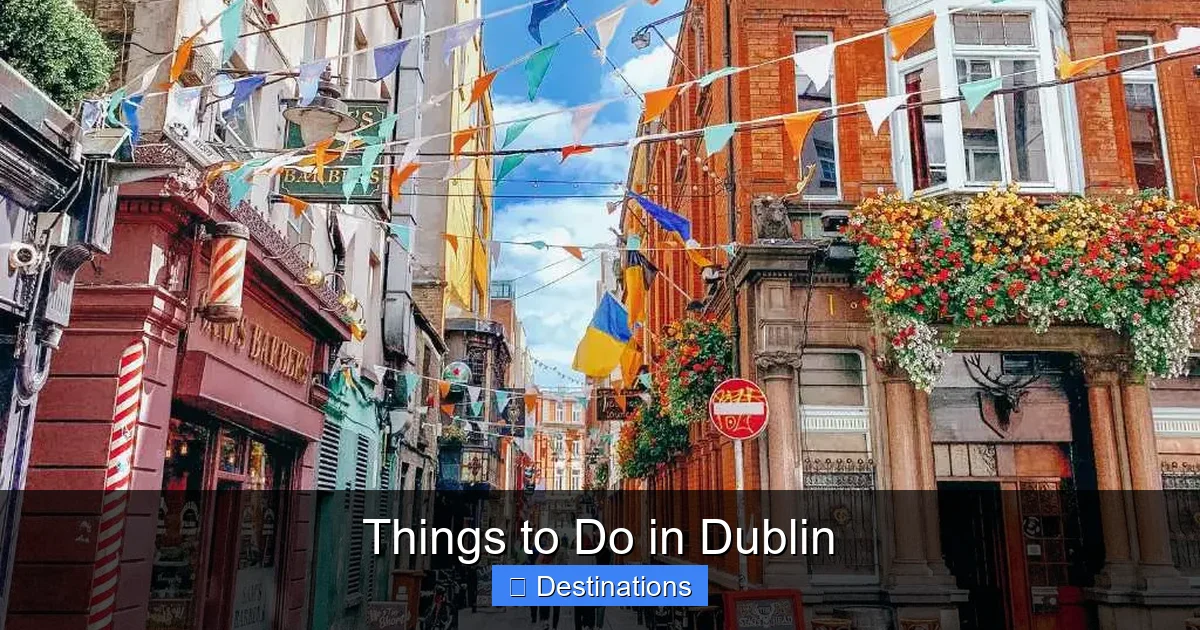
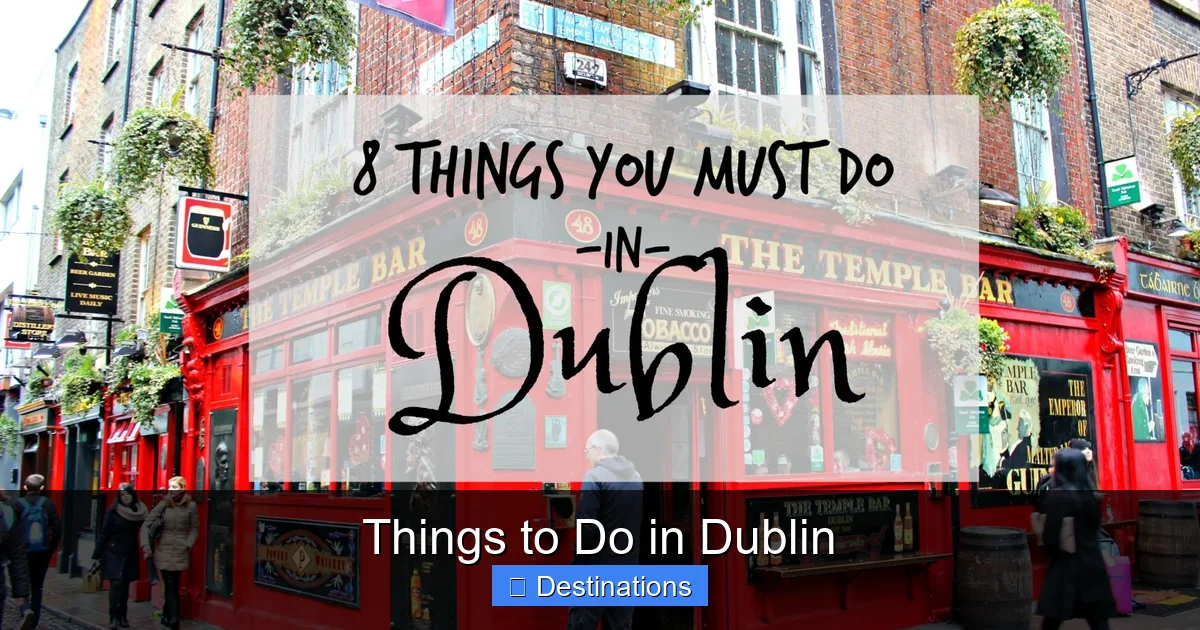
Check Available RoomsNo visit to Dublin is complete without experiencing the heart and soul of Irish culture. That means live traditional music. Head to a pub in Temple Bar or Temple Bar Market, where locals gather every night to play fiddle, tin whistle, bodhrán, and uilleann pipes. Some of the best sessions happen at places like The Brazen Head (Ireland’ oldest pub) or The Temple Bar Pub itself.
If you’re a fan of the written word, don’t miss the James Joyce Centre in North Great George’s Street. Dedicated to the famous Irish author, this museum offers insights into the life and works of Joyce, especially his masterpiece *Ulysses*. It’s a must for literature lovers and adds a literary layer to your Dublin adventure.
For a more theatrical experience, catch a performance at the Abbey Theatre, Ireland’s national theatre founded in 1904. It’s where plays by W.B. Yeats and Lady Gregory first premiered, and it still hosts powerful productions that reflect Ireland’s evolving identity. Even if you’re not a drama buff, the historic building alone is worth a visit.
3. Visit Iconic Dublin Attractions

Visual guide about Things to Do in Dublin
Image source: amae.tv
One of Dublin’s most popular attractions is the Guinness Storehouse. This eight-story building tells the story of the iconic stout, from its barley fields to the Gravity Bar at the top, where you can enjoy a pint with a stunning view of the city. The tour is interactive, fun, and packed with trivia—perfect for Guinness lovers and curious newcomers alike.
Another must-see is the Irish Whiskey Museum, located in the heart of the city. Here, you’ll learn how whiskey is made, tasted, and aged, with hands-on tastings included. It’s a smooth, educational experience that’s both entertaining and delicious.
For art enthusiasts, the National Gallery of Ireland houses an impressive collection of European paintings, including works by Caravaggio, Jack B. Yeats, and Paul Cézanne. The gallery’s neoclassical building and beautiful gardens make it a peaceful retreat from the city buzz.
4. Enjoy Nature and Outdoor Activities
Visual guide about Things to Do in Dublin
Image source: hungryfortravels.com
Dublin may be a bustling city, but it’s also packed with green spaces where you can unwind and reconnect with nature. Phoenix Park is one of Europe’s largest urban parks, spanning over 700 acres. It’s home to herds of wild fallow deer, scenic walking trails, and even the Dublin Zoo. Rent a bike or take a leisurely stroll to enjoy the fresh air and open skies.
Just a short tram ride from the city center is Howth Head, a scenic village perched on a cliff overlooking the sea. Hike the coastal path for jaw-dropping views, visit Howth Castle, or enjoy fresh seafood at one of the cliffside restaurants. It’s a favorite spot for both locals and visitors seeking a peaceful escape.
For a more relaxed vibe, St. Stephen’s Green is a hidden gem. This tranquil Victorian park is perfect for a quiet picnic, a book under an oak tree, or feeding the ducks in the pond. It’s also home to the Green Museum and the historic Shelbourne Hotel.
5. Experience Dublin’s Food and Drink Scene
Dublin’s culinary scene is on the rise, blending traditional Irish fare with international influences. Start your day with a full Irish breakfast—sausages, bacon, eggs, black pudding, and soda bread—at a local café like O’Donnell’s or The Buttery. For lunch, try a fish and chips from The Fish Doctor or a hearty Irish stew at a cozy bistro.
Don’t leave Dublin without trying Irish whiskey—it’s a national treasure. Visit the Irish Whiskey Museum for tastings, or sip a dram at a historic pub like The Long Hall. And of course, no trip to Ireland is complete without a Guinness—preferably poured slowly and enjoyed at the Gravity Bar.
For a unique food experience, visit the Temple Bar Food Market on weekends. You’ll find everything from artisanal cheeses and fresh oysters to vegan treats and gourmet street food. It’s a foodie’s paradise and a great way to sample Dublin’s diverse flavors.
6. Take a Day Trip from Dublin
While Dublin has plenty to offer, the surrounding region is full of wonders waiting to be explored. Take a train to Howth for a coastal walk and fresh seafood, or hop on a bus to Glendalough in the Wicklow Mountains. This ancient monastic site features serene lakes, stone ruins, and hiking trails that lead to breathtaking views.
For history buffs, a trip to Kilkenny is a must. This medieval town is known for its castle, cathedrals, and colorful streets. Stop by the Kilkenny Castle and explore the craft markets along the Nore River.
Another great option is Newgrange, a prehistoric passage tomb older than the pyramids of Egypt. Located just outside Dublin, it’s best visited during the winter solstice when sunlight streams into the chamber—book your tour in advance!
7. Navigate Dublin Like a Local
Getting around Dublin is easy. The city has a reliable Dublin Bus network and a light rail system called Luas, with two lines connecting key neighborhoods. Walking is also a great way to explore—just wear comfortable shoes and let the city unfold at your pace.
If you’re staying a few days, consider getting a Dublin Explorer Pass, which gives you free entry to over 25 attractions and discounts on tours and dining. It’s a smart way to save money and skip the lines.
Taxis and ride-shares are widely available, but be sure to use licensed cabs—look for the green taximeter sign. For a more authentic experience, try a hop-on hop-off bus tour, which offers narrated commentary and flexible stops.
—
Dublin is a city that rewards curiosity and invites exploration. Whether you’re drawn to its historic charm, vibrant culture, or scenic landscapes, every moment in Dublin feels like a discovery. From the echo of ancient bells in Trinity College to the lively clatter of pints in a corner pub, the city pulses with life. And while it’s easy to fall in love with Dublin’s famous landmarks, it’s the little moments—a chat with a local, a sunset over the Liffey, a spontaneous music session—that make the trip truly unforgettable.
So pack your bags, bring your curiosity, and get ready to fall in love with Dublin. Whether you’re here for a weekend or a week, this city has something special waiting just around the corner.
Frequently Asked Questions
What are the must-see attractions in Dublin?
Top attractions include Trinity College (Book of Kells), Guinness Storehouse, Phoenix Park, St. Stephen’s Green, and the James Joyce Centre. Each offers a unique glimpse into Dublin’s history and culture.
Is Dublin safe for tourists?
Yes, Dublin is generally safe for tourists. As with any major city, be aware of your belongings in crowded areas like Temple Bar, but violent crime is rare.
How do I get from Dublin Airport to the city center?
The Airlink bus (Route 41 or 42) runs every 10–15 minutes and takes about 35 minutes. A taxi takes 20–30 minutes depending on traffic.
What should I wear in Dublin?
Pack layers! Dublin’s weather is unpredictable. Bring a waterproof jacket, comfortable walking shoes, and a light sweater for cooler evenings.
Are there good vegetarian options in Dublin?
Yes, Dublin has a growing vegan and vegetarian scene. Try The Vegan Men, Opshop, or The Plant Café for delicious plant-based meals.
Can I visit the Book of Kells for free?
The Book of Kells is housed in Trinity College and requires a ticket, but the college offers a free viewing area with highlights from the manuscript. Advance booking is recommended.