
Greece is a dream destination where ancient history meets breathtaking beauty. Whether you’re exploring iconic ruins like the Acropolis, lounging on sun-kissed beaches, or savoring fresh seafood, there’s something magical for every traveler. From Santorini’s sunsets to the islands of the Cyclades, Greece offers unforgettable experiences that blend culture, adventure, and relaxation.
Greece isn’t just a country—it’s a feeling. Imagine turquoise waters lapping against whitewashed cliffs, ancient columns rising from sun-drenched hills, and the scent of oregano and grilled octopus filling the air. Whether you’re a history buff, a beach lover, or a foodie, things to do in Greece are as diverse as they are unforgettable. From the bustling streets of Athens to the quiet villages of the Peloponnese, this Mediterranean gem offers experiences that stay with you long after you leave.
Check the latest prices and available rooms before they sell out.
What makes Greece truly special is its perfect blend of old and new. You can walk through the ruins of the Parthenon one morning and sip ouzo by the sea that evening. The islands of the Cyclades and Dodecanese invite you to unwind, while the mainland pulses with history, mythology, and vibrant city life. Ready to plan your Greek adventure? Let’s dive into the top things to do in Greece that will make your trip one for the books.
Key Takeaways
- Explore ancient wonders: Visit the Acropolis in Athens, the Temple of Apollo in Delphi, and the Palace of Knossos in Crete to step back in time.
- Island hopping is a must: Discover the charm of Santorini, the vibrant nightlife of Mykonos, and the wild beauty of Crete’s beaches.
- Indulge in Greek cuisine: Enjoy fresh seafood, creamy feta, olive oil, and world-famous desserts like baklava and loukoumades.
- Experience local culture: Attend a traditional festival, watch a lyra performance, or visit a village taverna for an authentic meal.
- Outdoor adventures await: Hike the Samaria Gorge, sail around the Ionian Islands, or dive into the crystal-clear waters of the Aegean.
- Relax on stunning beaches: From white-sand shores in Milos to secluded coves in Naxos, Greece offers endless coastal beauty.
- Learn about mythology: Follow the footsteps of gods and heroes by visiting sites linked to Greek legends, including Mount Olympus and the Oracle of Delphi.
Quick Answers to Common Questions
What are the best islands to visit in Greece?
Top islands include Santorini for sunsets and luxury, Mykonos for nightlife, Crete for nature and history, and Naxos for quiet beaches. Each offers a unique Greek experience.
When is the best time to visit Greece?
The best time is April to June or September to October. The weather is warm, crowds are smaller, and prices are lower than in peak summer.
Is Greece expensive to travel?
Traveling in Greece can range from budget-friendly to luxurious. Eating at local tavernas, using public transport, and visiting free attractions keeps costs down.
Do I need a visa to visit Greece?
Citizens of the EU, US, Canada, Australia, and many other countries don’t need a visa for stays up to 90 days. Check your country’s requirements before traveling.
Can I drink the tap water in Greece?
Yes, tap water is safe to drink in most places. Bottled water is also widely available if you prefer it.
📑 Table of Contents
Explore Ancient Ruins and Mythical Sites
Step into the past with a visit to Greece’s most iconic archaeological wonders. The Acropolis in Athens is a must-see—this ancient citadel houses the Parthenon, a symbol of classical civilization. Wander through the marble steps and imagine life in 5th-century Athens. Nearby, the Ancient Agora was once the heart of political and social life, while the Propylaea gateway leads visitors into a world of gods and heroes.
Find the Best Accommodation Deals
Compare prices from multiple booking platforms and find the best option for your stay.
Compare Hotel PricesFor a deeper dive into Greek mythology, head to Mount Olympus, the legendary home of the gods. While climbing the mountain is challenging, the surrounding national park offers scenic trails and wildlife spotting. Another legendary site is Delphi, where the Oracle of Delphi guided kings and empires with cryptic prophecies. The Temple of Apollo and the Delphi Archaeological Museum bring ancient wisdom to life.
Don’t miss the Palace of Knossos in Crete, believed to be the center of the Minoan civilization and the setting for the myth of the Minotaur. The palace’s vibrant frescoes and labyrinthine layout are a feast for the eyes. These sites aren’t just ruins—they’re living stories that connect you to the roots of Western culture.
Find the Best Accommodation Deals
Compare prices from multiple booking platforms and discover the best stay options available.
⭐ Trusted by thousands of travelers
💰 Budget to luxury options available
Island Hopping: The Heart of Greek Travel

Visual guide about Things to Do in Greece
Image source: visament.com
Best Stay Deals Available
Compare prices across top booking platforms and find the best deal for your stay.
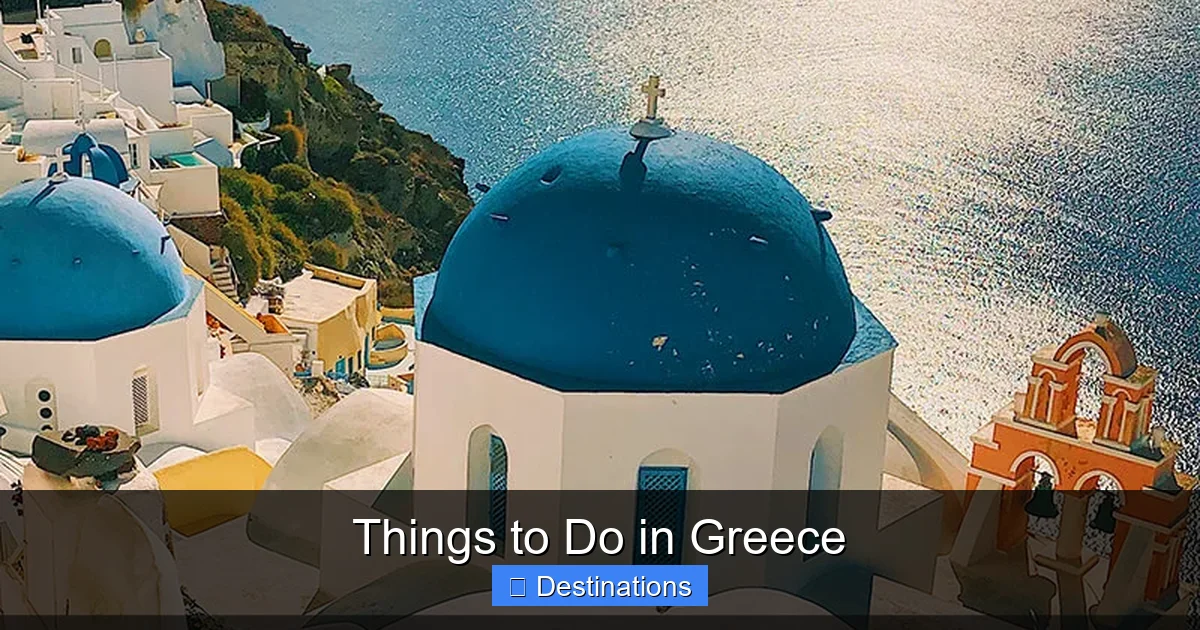
Check Available RoomsNo trip to Greece is complete without island hopping. Each island has its own personality, from romantic sunsets to wild landscapes. Start with Santorini, famous for its dramatic cliffs, blue-domed churches, and stunning sunsets in Oia. Book a sunset cruise or take a donkey ride down to the volcanic beaches for a unique experience.
Next, explore Mykonos, a hotspot for nightlife and luxury. White-washed streets, trendy boutiques, and beach clubs like Super Paradise make it a favorite among partygoers. But don’t skip the quiet side—visit the windmills and the charming Little Venice area for a more relaxed vibe.
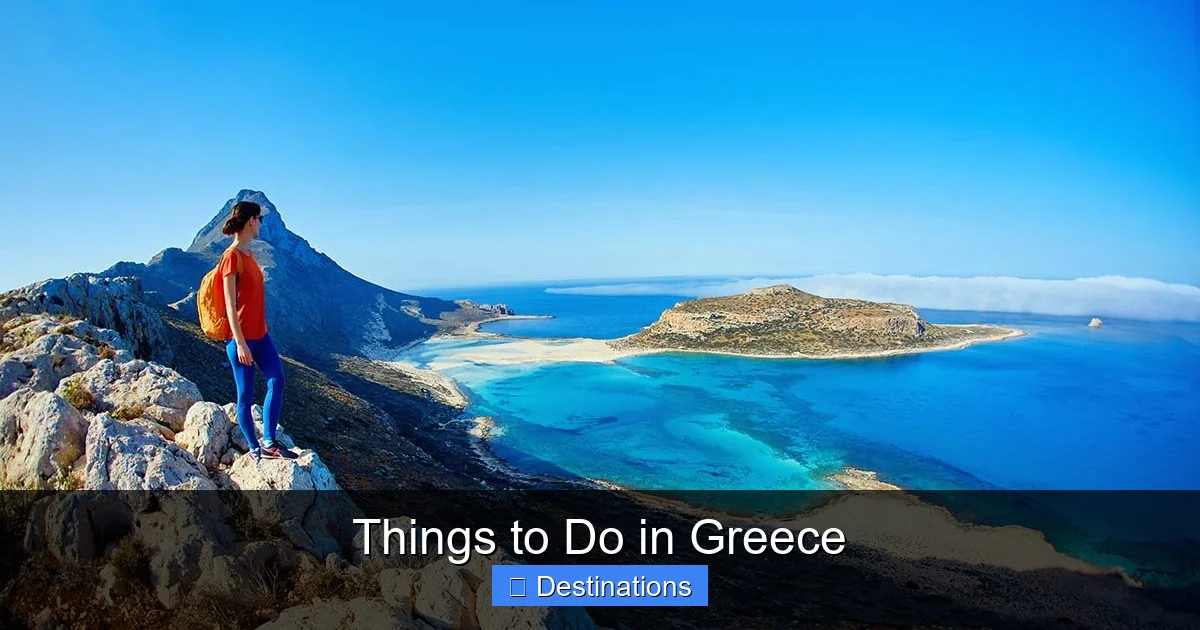
For a mix of nature and culture, head to Crete, the largest Greek island. Explore the Samaria Gorge, one of Europe’s longest canyons, or visit the ancient city of Gortyn. Heraklion, the capital, is home to the Heraklion Archaeological Museum, which holds treasures from Knossos.
Other gems include Naxos, known for its emerald beaches and traditional villages, and Paros, with its charming capital, Parikia, and vibrant arts scene. Island hopping allows you to experience Greece’s diverse landscapes—from volcanic shores to lush hills—all while enjoying fresh seafood and local wine.
Relax on Greece’s Stunning Beaches
Visual guide about Things to Do in Greece
Image source: globotreks.com
Greece is famous for its beaches, and for good reason. With over 14,000 islands and islets, the country offers countless coastal spots to unwind. Navagio Beach in Zakynthos is a bucket-list destination—nestled inside a sunken shipwreck, its turquoise waters and white cliffs are straight out of a postcard.
For a quieter experience, visit Milos, home to Sarakiniko Beach, a lunar-like landscape of volcanic rock that looks like the surface of the moon. The beach is perfect for hiking and photography. Elafonissi Beach in Crete features pink sand and shallow, clear waters, ideal for families.
If you’re into water sports, Milos and Santorini offer great snorkeling and diving spots. For secluded coves, explore the beaches around Corfu, where pine trees meet the sea. Don’t forget to try beach hopping—visit a different beach each day to experience the variety of Greece’s coastline.
Experience Greek Culture and Traditions
Visual guide about Things to Do in Greece
Image source: thenomadvisor.com
Immerse yourself in Greece’s rich cultural heritage by attending a local festival or visiting a traditional village. In Metsovo, nestled in the Pindus Mountains, you can enjoy alpine traditions, including cheese festivals and folk music. The Festival of Saint George in Corfu features parades, dancing, and fireworks.
Music and dance are central to Greek life. Watch a rebetiko performance, a genre that blends Byzantine, Turkish, and Greek folk influences. Many tavernas offer live music, especially in Crete and the Peloponnese.
Food is also a big part of culture. Visit a village taverna for a home-cooked meal with locals. Try moussaka, dolmades, and souvlaki, all made with fresh, local ingredients. Don’t forget to wash it down with retsina, a pine-scented wine unique to Greece.
Learning a few Greek phrases goes a long way. Locals appreciate visitors who make an effort, whether it’s saying “efharistó” (thank you) or “kalimera” (good morning). These small gestures open doors to deeper connections.
Indulge in Greek Cuisine and Local Delights
Greek food is fresh, flavorful, and deeply rooted in tradition. Start your day with a breakfast of Greek yogurt, honey, and walnuts, or grab a spanakopita (spinach pie) from a local bakery. For lunch, try a gyros wrap or a fresh Greek salad with feta, olives, and tomatoes.
Seafood lovers will enjoy grilled octopus, prawns saganaki, and fish meze. In Crete, don’t miss dakos, a barley rusk topped with tomatoes, feta, and herbs. For dessert, indulge in baklava, a sweet pastry with layers of phyllo and nuts, or loukoumades, honey-soaked dough balls dusted with cinnamon.
Wine is another highlight. Visit a family vineyard in Nemea or Macedonia to taste world-class reds and whites. Pair your meal with retsina, a traditional pine-flavored wine, or retsina mezzo, a smoother version.
Food tours are a great way to explore local markets and learn about ingredients. In Athens, visit the Central Market for fresh produce and cheeses. In Mykonos, join a cooking class to learn how to make traditional dishes.
Adventure and Outdoor Activities
Greece isn’t just about beaches and ruins—it’s also a playground for outdoor enthusiasts. Hike the Samaria Gorge in Crete, a 16-kilometer trail through dramatic cliffs and lush forests. The hike takes about 5-7 hours and ends at Agia Roumeli Beach, perfect for a swim.
For sailing, explore the Ionian Islands—Corfu, Zakynthos, and Kefalonia—with their hidden coves and crystal waters. Rent a boat and island hop at your own pace. Mount Olympus offers challenging treks, while Meteora features monasteries perched on towering rock formations, accessible only by foot or cable car.
In winter, ski resorts like Parnassos and Voras offer slopes for all levels. For water sports, try windsurfing in Marathonas or scuba diving in Aegina, known for its underwater statues.
Nature lovers will enjoy visiting Plitvice Lakes National Park in Croatia (nearby) or exploring Olympus National Park for rare wildlife and ancient forests. No matter your interest, Greece’s diverse landscapes promise adventure at every turn.
Plan Your Perfect Greek Getaway
Whether you’re seeking ancient history, island bliss, or culinary delights, things to do in Greece are endless. Start with Athens for its iconic ruins, then hop to Santorini for romance and sunsets. Add Crete for nature and culture, and don’t forget to try local food and wine.
For a well-rounded trip, spend at least 10-14 days to explore both the mainland and islands. Rent a car for flexibility, especially in rural areas, but use ferries for island hopping. Pack light—comfortable shoes for walking, sunscreen, and a reusable water bottle.
Greece welcomes travelers with open arms. From the warmth of its people to the beauty of its landscapes, every moment is a memory in the making. So pack your bags, grab your camera, and get ready for the adventure of a lifetime.
Frequently Asked Questions
What are the top historical sites in Greece?
Visit the Acropolis in Athens, the Temple of Apollo in Delphi, and the Palace of Knossos in Crete. These sites offer a deep connection to ancient Greek civilization and mythology.
How do I get around the Greek islands?
Ferries are the most common way to travel between islands. High-speed ferries reduce travel time, and some islands have regular boat schedules. You can also rent a car or scooter once on the island.
What should I eat in Greece?
Try moussaka, souvlaki, fresh seafood, Greek salad, and desserts like baklava and loukoumades. Don’t miss local wines and ouzo for a complete culinary experience.
Are beaches in Greece crowded?
Popular beaches like Navagio in Zakynthos or Elafonissi in Crete can get busy in summer. For quieter spots, explore smaller islands like Milos or Ios.
Is it safe to travel in Greece?
Yes, Greece is generally safe for travelers. Exercise normal precautions, especially in crowded areas, and keep an eye on your belongings.
Can I visit Greece with kids?
Absolutely! Greece is family-friendly. Beaches, archaeological sites, and local festivals offer fun for all ages. Rent a car for convenience, and plan downtime for younger travelers.