
Hakone is a must-visit destination just outside Tokyo, offering a perfect blend of nature, culture, and relaxation. Whether you’re soaking in an onsen, riding the Hakone Ropeway, or exploring the Open-Air Museum, this scenic town delivers unforgettable experiences. From hot springs to historic sites, Hakone has something for every traveler.
Hakone isn’t just another day trip from Tokyo — it’s a destination that captures the soul of Japan in one breathtaking landscape. Nestled in the Fuji-Hakone-Izu National Park, this volcanic region is famous for its hot springs, scenic views, and rich cultural heritage. Whether you’re looking to unwind in a traditional onsen, marvel at Mount Fuji from a glass-bottomed boat, or wander through an outdoor sculpture garden, Hakone delivers on every front. With its easy accessibility from Tokyo and a perfect balance of relaxation and adventure, it’s no wonder Hakone is one of Japan’s most beloved retreats.
Check the latest prices and available rooms before they sell out.
From the moment you arrive, you’ll notice the air is crisp, the scenery lush, and the atmosphere serene. Hakone blends natural beauty with cultural depth, making it ideal for couples, solo travelers, families, and anyone seeking a peaceful escape from city life. In this guide, we’ll walk you through the top things to do in Hakone, so you can plan the perfect trip — whether you’re visiting for a day or spending a relaxing weekend.
Key Takeaways
- Hakone is famous for its natural hot springs (onsen): Soak in volcanic waters with stunning mountain views — a true Japanese wellness experience.
- The Hakone Ropeway offers panoramic views: Enjoy sweeping vistas of Lake Ashi, Mount Fuji (on clear days), and the surrounding mountains.
- The Hakone Open-Air Museum is a cultural gem: A unique blend of art and nature with modern sculptures and traditional gardens.
- Take a cruise on Lake Ashi: A relaxing boat ride with views of Mt. Fuji reflected in the lake’s calm waters.
- Hakone’s historic sites reflect Edo-era charm: Explore temples, shrines, and traditional wooden buildings preserved from old Japan.
- Day trips from Tokyo are easy and popular: Hakone is just 1.5 hours from central Tokyo via the Romancecar train.
- Best time to visit: Spring (cherry blossoms) and autumn (fall foliage) offer the most beautiful scenery.
Quick Answers to Common Questions
How long should I spend in Hakone?
For a full experience, plan to spend at least 1.5 to 2 days in Hakone. This allows time for onsen, sightseeing, and enjoying the slower pace without rushing.
Is Hakone easy to visit from Tokyo?
Yes! Hakone is just 1.5 hours from Tokyo by train using the Romancecar, a scenic and comfortable bullet train. It’s a popular day trip, but an overnight stay is recommended for the best experience.
What is the best time to visit Hakone?
The best times are spring (March–April) for cherry blossoms and autumn (October–November) for fall foliage. Summer is warm but humid, while winter offers snowy landscapes and fewer crowds.
Are there family-friendly activities in Hakone?
Absolutely! The Open-Air Museum, Lake Ashi cruises, and many onsen are family-friendly. Just check onsen rules for children and plan activities that suit all ages.
Do I need to book accommodations in advance?
It’s highly recommended, especially during peak seasons like cherry blossom or autumn foliage. Popular ryokan and hotels fill up quickly, so book at least a few weeks ahead.
📑 Table of Contents
- 1. Soak in a Traditional Onsen
- 2. Ride the Hakone Ropeway
- 3. Explore the Hakone Open-Air Museum
- 4. Cruise Lake Ashi
- 5. Visit Owakudani and Try Black Eggs
- 6. Stroll Through Hakone Gora Garden Village
- 7. Take in Views from Hakone Shrine
- 8. Experience the Hakone Free Pass
- 9. Enjoy Local Cuisine and Tea
- 10. Visit the Hakone Glass Forest Museum
1. Soak in a Traditional Onsen
One of the best things to do in Hakone is to experience a genuine Japanese onsen — a natural hot spring bath that’s both relaxing and deeply cultural. Hakone is dotted with over 100 onsen resorts, many of which offer views of Mount Fuji or Lake Ashi.
Find the Best Accommodation Deals
Compare prices from multiple booking platforms and find the best option for your stay.
Compare Hotel PricesMany ryokan (traditional inns) feature private or communal baths made from volcanic stone. The water, rich in minerals, is said to soothe muscles and promote relaxation. Be sure to follow onsen etiquette: wash thoroughly before entering, tie up long hair, and avoid bringing towels into the water (some places provide them).
For a truly unique experience, try the Hakone Yuryo or Gora Kadan, both offering open-air baths with stunning views. If you’re traveling with children, some onsen are family-friendly, but it’s best to check in advance.
Find the Best Accommodation Deals
Compare prices from multiple booking platforms and discover the best stay options available.
⭐ Trusted by thousands of travelers
💰 Budget to luxury options available
2. Ride the Hakone Ropeway
Visual guide about Things to Do in Hakone
Image source: s3-ap-southeast-1.amazonaws.com
Best Stay Deals Available
Compare prices across top booking platforms and find the best deal for your stay.
Check Available RoomsNo visit to Hakone is complete without riding the Hakone Ropeway, a scenic gondola that connects Sounkai to Togendai via Owakudani. As you glide over the national park, you’ll pass through clouds, forests, and volcanic valleys — all with panoramic views of the surrounding landscape.
On clear days, you might catch a rare glimpse of Mount Fuji. The journey offers photo opportunities at every turn, especially near the volcanic crater of Owakudani, where you can taste the famous black eggs boiled in sulfur-rich waters — a local legend says eating one adds seven years to your life!
Tip: Purchase the Hakone Free Pass to enjoy unlimited rides on the ropeway, buses, and boats throughout the area.
3. Explore the Hakone Open-Air Museum
Visual guide about Things to Do in Hakone
Image source: itsyourjapan.com
Tucked into a forested hillside, the Hakone Open-Air Museum is one of Japan’s most unique art experiences. This outdoor museum blends modern sculpture with nature, featuring works by renowned artists like Henry Moore and Barbara Hepworth.
The park includes themed gardens, seasonal flower displays, and even a café with a hot spring foot bath. In winter, the museum transforms into a snowy wonderland, and in summer, it bursts into color with blooming flowers.
Don’t miss the “Sculpture Path” that winds through the grounds, or the chance to relax in the museum’s own onsen — all while surrounded by art and nature.
4. Cruise Lake Ashi

Visual guide about Things to Do in Hakone
Image source: quartzmountain.org
Lake Ashi, a crater lake formed by volcanic activity, is one of Hakone’s crown jewels. A boat cruise on this serene lake is a must-do activity, offering stunning reflections of Mount Fuji and glimpses of the lake’s forested shores.
Several cruise lines operate from the Hakone-machi and Gora stations. The 40-minute round trip is relaxing and perfect for couples or families. On clear days, you might see Mt. Fuji perfectly mirrored in the water — a sight that feels almost magical.
For a more adventurous option, consider a pirate ship cruise, which adds a playful twist with singing crew members and pirate-themed decorations.
5. Visit Owakudani and Try Black Eggs
Located on the Hakone Ropeway route, Owakudani is a volcanic valley known for its sulfur vents and strong egg-boiling tradition. The high sulfur content in the water is said to give the black eggs their color and health benefits.
Local legend claims that eating one black egg adds seven years to your life — and many visitors buy a set (usually two) from kiosks near the entrance. The eggs are surprisingly tasty, with a rich, savory flavor.
While the valley has a distinct earthy smell, the views of the surrounding caldera and Mount Fuji make it worth the visit. Be cautious near the steam vents, and wear warm clothing — it can be chilly even in summer.
6. Stroll Through Hakone Gora Garden Village
Hakone Gora is a charming area with gardens, shops, and cafés. The Gora Kadan Garden, a historic inn, features a beautiful Japanese garden with seasonal blooms, koi ponds, and walking paths.
Nearby, the Hakone Botanical Garden of Wetlands showcases native plants and rare species, including carnivorous plants and water lilies. It’s a peaceful spot for a quiet walk, especially in spring or autumn.
You’ll also find unique souvenir shops, including the famous Hakone Glass Forest Museum (a smaller, lesser-known alternative to the Open-Air Museum), which features glass art in a forested setting.
7. Take in Views from Hakone Shrine
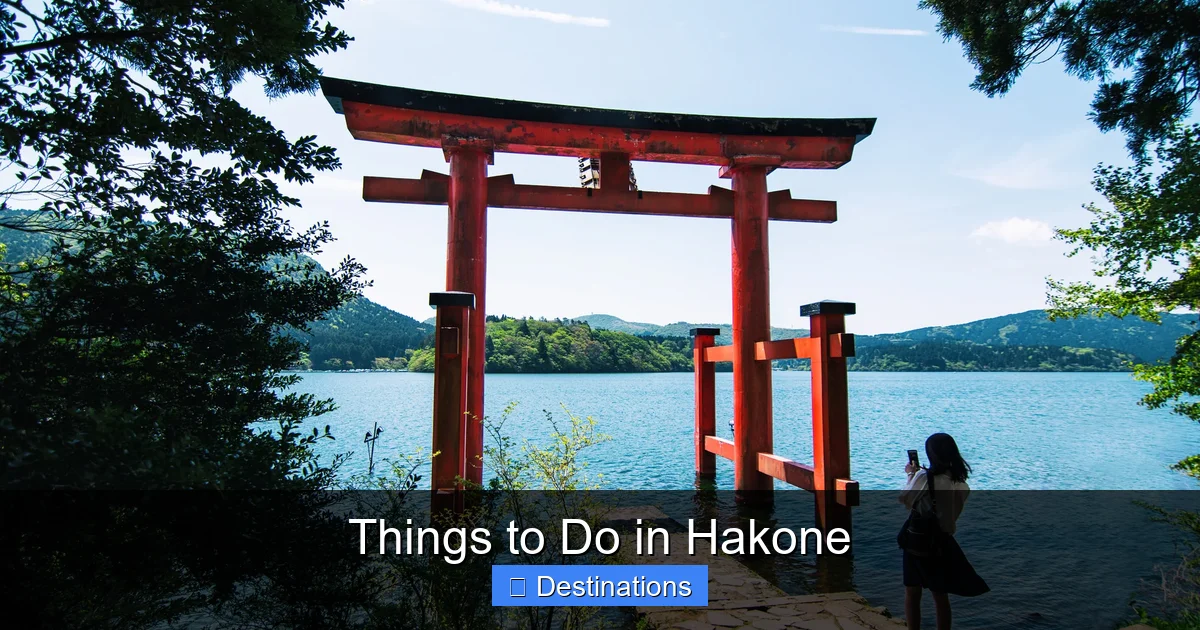
Perched on the shores of Lake Ashi, Hakone Shrine is one of the most photogenic spots in the area. The iconic red torii gate stands in the water, creating a postcard-perfect scene.
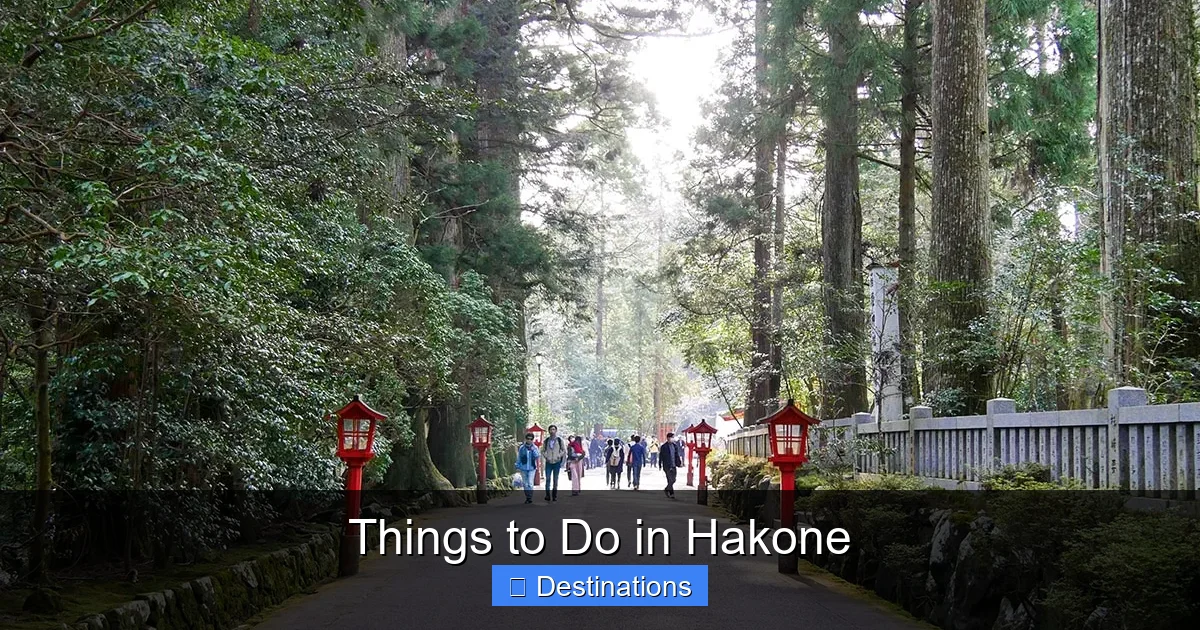
Accessible via a short walk from the lake’s edge, the shrine blends Shinto tradition with natural beauty. Visitors can ring the bell, toss a coin for good luck, and enjoy the tranquil atmosphere.
On clear days, the torii gate reflects beautifully in the lake — especially during sunrise or sunset. It’s a peaceful place to pause and reflect during your Hakone adventure.
8. Experience the Hakone Free Pass
To make the most of your time in Hakone, consider purchasing the Hakone Free Pass. This pass offers unlimited access to buses, the ropeway, Lake Ashi cruises, and more — all for a fixed price (around ¥5,140 for a two-day pass).
The pass also includes discounts at various attractions, making it a great value if you plan to explore multiple sites. It’s available at train stations and major hotels, and you can choose from one- to three-day options.
Tip: Activate your pass on your first day of use and plan your itinerary around the included transportation to save time and money.
9. Enjoy Local Cuisine and Tea
Hakone offers a taste of authentic Japanese dining, especially in traditional ryokan and local restaurants. Try Hakone soba — buckwheat noodles — which are said to be a local specialty. The soba is often served cold with a dipping sauce or in a hot broth.
For a sweet treat, visit a café near Lake Ashi or the Open-Air Museum. Many serve matcha-based desserts, wagashi (traditional sweets), and local fruit sorbets.
If you’re staying at a ryokan, don’t miss the chance to enjoy a kaiseki (multi-course) dinner — a culinary experience that highlights seasonal ingredients and local flavors.
10. Visit the Hakone Glass Forest Museum
For art lovers, the Hakone Glass Forest Museum is a hidden gem. This intimate museum features glass sculptures by renowned artist Kaoru Tsujihara, displayed in a tranquil forest setting.
Unlike the larger Open-Air Museum, this space is more serene and contemplative, with pieces like “Glass Tree” and “Floating Clouds” that interact beautifully with light and nature.
It’s a peaceful alternative to the busier museums, and the walk through the forest adds to the experience. Admission is included with the Hakone Free Pass.
Frequently Asked Questions
What is the Hakone Free Pass?
The Hakone Free Pass is a transportation pass that grants unlimited access to buses, the ropeway, Lake Ashi cruises, and more. It’s available for one to three days and includes discounts at attractions. It’s sold at major train stations and hotels.
Can I see Mount Fuji from Hakone?
Yes, on clear days you can see Mount Fuji from many spots in Hakone, including Lake Ashi, the Hakone Ropeway, and Owakudani. However, visibility depends on weather and season.
Are there vegetarian options in Hakone?
Many traditional ryokan serve kaiseki meals, which may include vegetarian dishes upon request. It’s best to inform your accommodation in advance about dietary restrictions.
Is Hakone suitable for solo travelers?
Yes, Hakone is a great destination for solo travelers. The area is safe, well-connected, and full of peaceful spots to relax and enjoy nature. Many onsen and cafés are welcoming to individuals.
How do I get to Hakone from Tokyo?
Take the Romancecar (a scenic JR train) from Tokyo Station, Shinjuku, or Odawara Station. The journey takes about 1.5 hours. Use a Japan Rail Pass or buy a round-trip ticket for convenience.
Are there any free things to do in Hakone?
While many attractions require admission, you can enjoy free walks around Hakone Shrine, Lake Ashi’s public paths, and scenic viewpoints along the Hakone Ropeway route. Nature hikes in the national park are also free and rewarding.