
Hiroshima is more than just history—it’s a city of resilience, beauty, and deep cultural meaning. Whether you’re visiting the Atomic Bomb Dome or strolling through the Shukkeien Garden, every corner tells a story. From sizzling street food to serene island escapes, things to do in Hiroshima blend reflection with adventure.
Welcome to Hiroshima—a city where history, nature, and culture come together in a powerful, moving way. Once devastated by the atomic bomb in 1945, Hiroshima has risen like a phoenix, transforming into a symbol of peace, resilience, and hope. Today, it’s a vibrant metropolis that invites travelers to explore its poignant past, savor its unique cuisine, and enjoy its lush green spaces and island escapes. Whether you’re walking through a memorial park or savoring a steaming plate of okonomiyaki, every moment in Hiroshima feels meaningful.
Check the latest prices and available rooms before they sell out.
What sets Hiroshima apart isn’t just its tragic history—it’s how the city has chosen to honor that past while building a bright future. From the haunting silence of the Peace Memorial Park to the joyful energy of Miyajima Island, things to do in Hiroshima offer a rare blend of reflection and renewal. This guide will walk you through the top experiences, hidden gems, and must-see spots that make a visit to Hiroshima unforgettable.
Key Takeaways
- Visit the Hiroshima Peace Memorial Park to honor history and reflect on peace—don’t miss the Peace Memorial Museum and the Atomic Bomb Dome.
- Take a ferry to Miyajima Island to see the iconic Itsukushima Shrine and spot wild deer roaming freely.
- Try Hiroshima-style okonomiyaki, a savory pancake layered with cabbage, noodles, and your choice of meat or seafood.
- Explore Shukkeien Garden for a peaceful escape with koi ponds, traditional tea houses, and seasonal beauty.
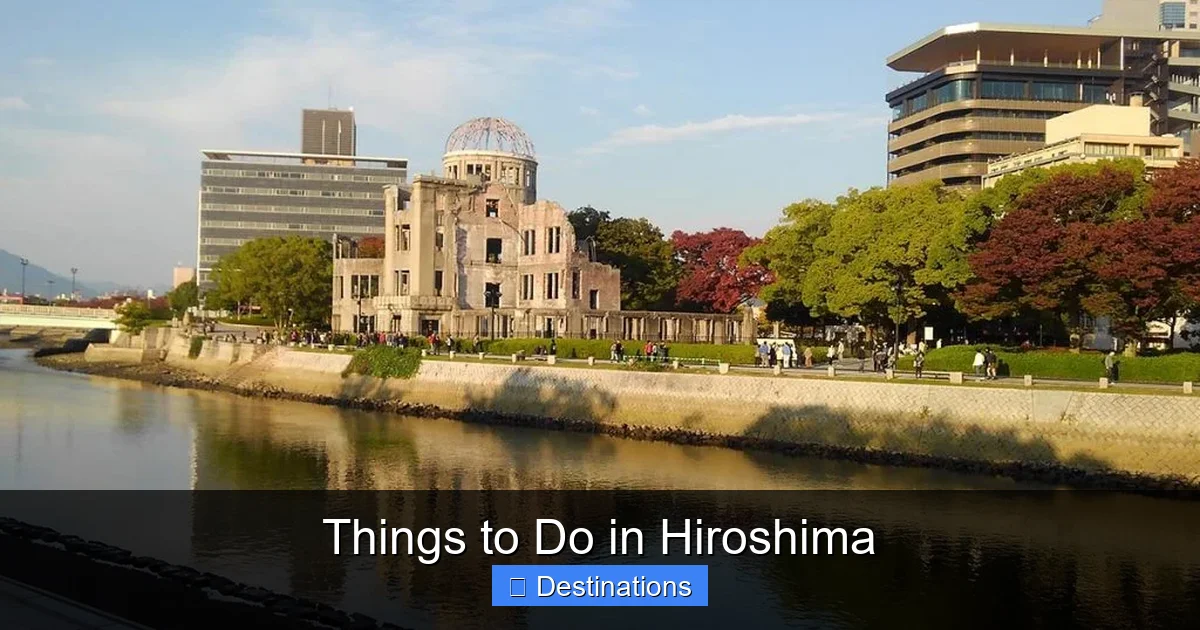
- Walk along the Peace Boulevard for a scenic riverside path with memorials and cherry blossoms in spring.
- Experience local culture by attending a matsuri (festival) or visiting a traditional sake brewery.
- Use the Hiroshima City Bus or JR Pass for easy travel between attractions and islands.
Quick Answers to Common Questions
What is the best time to visit Hiroshima?
Spring (March to May) and autumn (September to November) offer mild weather and beautiful scenery. Cherry blossoms bloom in April, and autumn leaves create stunning views at Shukkeien Garden.
How do I get to Miyajima Island from Hiroshima?
Take a ferry from Hiroshima Peace Memorial Park or Hiroshima Port. The journey takes about 30 minutes. Ferries run frequently, and you can use the JR Pass for convenience.
Is it respectful to take photos at the Peace Memorial Park?
Yes, but please be respectful. Avoid flash photography and refrain from loud conversations. Remember, you’re visiting a memorial for thousands of victims.
What should I eat in Hiroshima?
Try Hiroshima-style okonomiyaki, momiji manju, and fresh oysters. Visit Okonomimura for a variety of authentic options.
Can I visit Hiroshima Castle?
Yes! The castle has been reconstructed and features a museum, gardens, and a view from the top. Entry is affordable, and it’s a great photo spot.
📑 Table of Contents
Honor History at the Hiroshima Peace Memorial Park
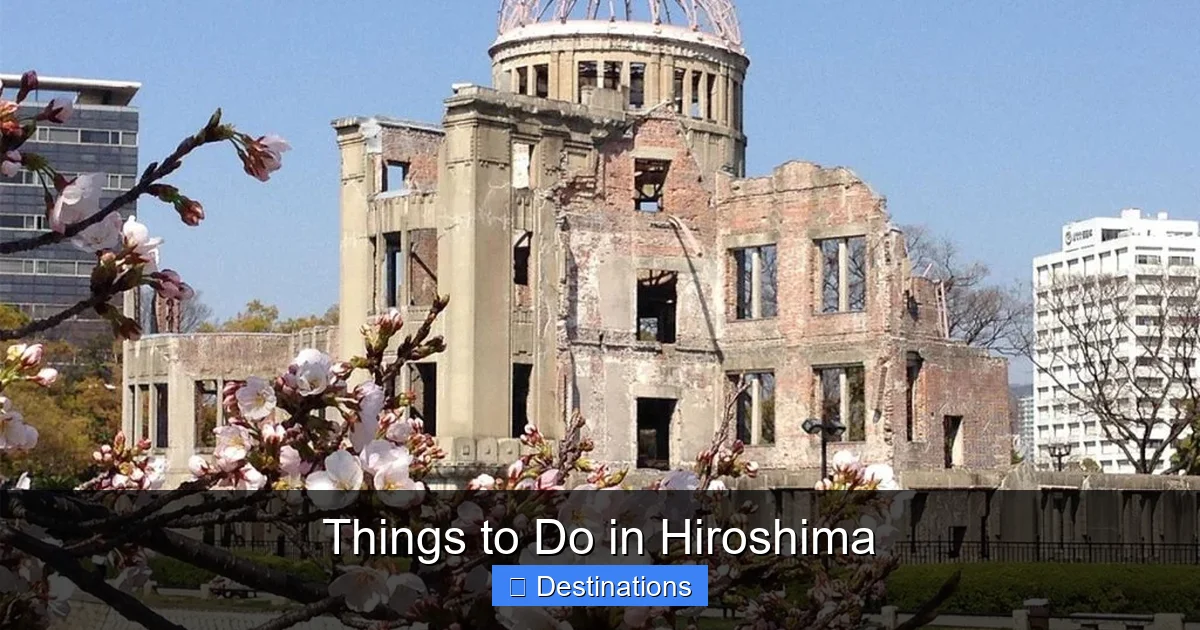
No visit to Hiroshima is complete without spending time at the Hiroshima Peace Memorial Park. This sprawling complex is dedicated to the memory of the atomic bombing on August 6, 1945, and serves as a powerful reminder of the horrors of war and the importance of peace. The park is home to several key monuments, each with its own story.
Find the Best Accommodation Deals
Compare prices from multiple booking platforms and find the best option for your stay.
Compare Hotel PricesThe Atomic Bomb Dome
One of the most iconic landmarks in Japan, the Atomic Bomb Dome (Genbaku Dōmu) is a UNESCO World Heritage Site. The building, originally the Hiroshima Prefecture Industrial Promotion Hall, stands preserved exactly as it did on the day of the bombing—its skeletal steel frame twisted and blackened by the blast. It’s a heartbreaking yet essential sight, offering a silent testimony to the lives lost and the devastation that followed.
The Peace Memorial Museum
Just steps away, the Peace Memorial Museum provides a deeply moving experience. Inside, you’ll find personal belongings of victims, photographs, and artifacts that document the bombing and its aftermath. The museum doesn’t shy away from the grim details, but it also emphasizes messages of peace, reconciliation, and global unity. Be sure to watch the short introductory video—it sets the tone for the emotional journey ahead.
Find the Best Accommodation Deals
Compare prices from multiple booking platforms and discover the best stay options available.
⭐ Trusted by thousands of travelers
💰 Budget to luxury options available
The Cenotaph and Flame of Peace
The Cenotaph for the A-Bomb Victims is a stark, black stone structure engraved with the names of all known victims. At its center flows the Flame of Peace, which has been burning since 1964 and will only be extinguished when the last survivor of the bombing passes away. It’s a solemn moment that leaves many visitors in quiet reflection.
Pro tip: Visit early in the morning or late afternoon to avoid crowds and enjoy a more peaceful experience. Photography is allowed, but please be respectful and avoid flash.
Escape to Miyajima Island: A Spiritual and Scenic Journey
Best Stay Deals Available
Compare prices across top booking platforms and find the best deal for your stay.
Check Available RoomsVisual guide about Things to Do in Hiroshima
Image source: itsyourjapan.com
Just a 30-minute ferry ride from central Hiroshima, Miyajima Island feels like a world away. Known as “Itsukushima,” this sacred island is famous for the Itsukushima Shrine, one of Japan’s most photographed landmarks. The shrine’s “floating” torii gate appears to rise from the sea during high tide, creating a breathtaking photo opportunity.
Witness the Floating Torii Gate
The torii gate is the centerpiece of the Itsukushima Shrine, and its reflection on the water is nothing short of magical. Best visited at sunrise or sunset, the scene is especially serene during the early morning. Be mindful of tides—if it’s low tide, you can walk around the island to see the gate from the other side.
Spot the Friendly Deer
Miyajima is home to around 100 shika deer, considered sacred messengers of the gods. These gentle creatures roam freely and often approach visitors for treats. Look for deer-shaped crackers (shika senbei) sold at shrines and shops—they’re a fun way to interact with the locals (literally!).
Hike or Take the Cable Car to Mt. Misen
For adventure seekers, the 2- to 3-hour hike up Mt. Misen rewards you with panoramic views of the Seto Inland Sea and surrounding islands. Alternatively, take the Miyajima Ropeway for a quicker ascent. The summit offers hiking trails, shrines, and even a small observatory.
Visit Itsukushima Shrine
Beyond the torii gate, explore the shrine’s five-story pagoda, prayer halls, and peaceful gardens. Don’t miss the Omotterrace, a wooden platform overlooking the sea where visitors can offer prayers and enjoy the view.
Pro tip: Purchase a round-trip ferry and cable car pass at the Hiroshima Peace Memorial Park for convenience and savings.
Indulge in Hiroshima’s Iconic Cuisine
Visual guide about Things to Do in Hiroshima
Image source: itsyourjapan.com
Hiroshima is a food lover’s paradise, and no trip is complete without trying its signature dishes. The city’s culinary reputation is built on two standout specialties: Hiroshima-style okonomiyaki and momiji manju.
Hiroshima-Style Okonomiyaki
Unlike the Kansai version, Hiroshima okonomiyaki is layered, not mixed. You’ll find thin noodles, cabbage, pork or seafood, and a savory sauce between layers, all cooked on a hot griddle. Top it with mayonnaise, aonori (green seaweed), and bonito flakes. It’s messy, delicious, and best enjoyed in a local restaurant like Okonomimura (Okonomi Street), a cluster of eateries near Hondori Station.
Momiji Manju
These steamed buns are filled with sweet red bean paste and shaped like maple leaves—a nod to the city’s autumn scenery. You’ll find them at traditional confectionery shops and street stalls, especially during the fall season.
Other Local Delights
Don’t miss trying Hiroshima-style oysters, yakitori, and jaga-imo (mashed sweet potato) sold at local markets. For a unique experience, visit a sake brewery like Sake Brewery Kiku Masamune, where you can sample local brews and learn about Japan’s brewing traditions.
Pro tip: Eat where the locals eat—look for busy restaurants with long lines. It’s a sign of freshness and authenticity.
Find Serenity at Shukkeien Garden
Visual guide about Things to Do in Hiroshima
Image source: itsyourjapan.com
If you’re looking for a peaceful retreat, Shukkeien Garden is one of Hiroshima’s most beautiful traditional gardens. Dating back to 1620, this stroll garden features winding paths, stone lanterns, koi ponds, and seasonal blooms.
Seasonal Beauty
In spring, the garden is blanketed in cherry blossoms—ideal for hanami (flower viewing). In autumn, the maple trees turn brilliant shades of red and gold, creating a photogenic landscape. The garden is especially stunning during the Shukkei-en Illumination Festival in December, when lanterns light up the pathways.
Tea House Experience
Stop by the Tea House Shukkei-en to enjoy matcha and a sweet wagashi (traditional confection) while overlooking the pond. The quiet atmosphere makes it perfect for reflection and relaxation.
Pro tip: Visit early or late in the day to avoid tourist crowds and enjoy a more intimate experience.
Walk Along Peace Boulevard and Explore the City
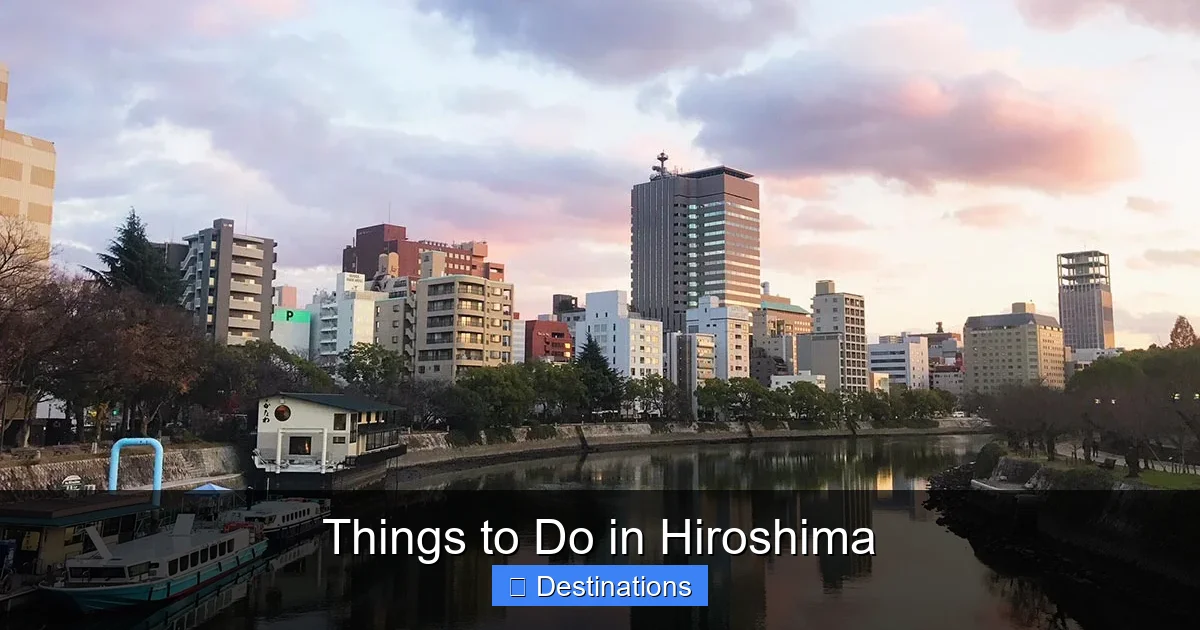
Peace Boulevard is a scenic riverside path that runs along the Motoyasu River, connecting several memorials and parks. Stretching from the Peace Memorial Park to the Hiroshima Port, it’s a great way to explore the city on foot.
Memorial Museums and Monuments
Along the boulevard, you’ll pass the Children’s Peace Monument, dedicated to Sadako Sasaki, a young girl who dreamed of peace after surviving the bombing. The monument features a thousand paper cranes, a symbol of hope and healing.
Cycling and Riverside Views
Rent a bike and cycle along the boulevard for a relaxing ride. In spring, the cherry trees line the path, creating a tunnel of pink blossoms. You can also take a short walk to the Hiroshima Castle (reconstructed), a symbol of the city’s rebirth.
Evening Illuminations
At night, the area is beautifully lit, especially during special events or festivals. It’s a peaceful way to end the day, with soft lights reflecting on the water and the sound of gentle waves.
Experience Local Culture and Festivals
Hiroshima is alive with cultural events throughout the year. The most famous is the Hiroshima Flower Festival in May, where over 100,000 flowers are displayed in Peace Memorial Park, symbolizing peace and renewal.
Other Festivals to Know
– Matsuyama Autumn Festival (October): Features a massive float parade.
– Hiroshima Sake Fair (November): Sample local brews at various venues.
– Hiroshima Peace Memorial Ceremony (August 6): A solemn event with international delegates and survivors.
For a deeper cultural experience, visit a local market like the Hiroshima Central Market, where you can sample fresh seafood, street food, and regional snacks.
Pro tip: Check local event calendars before your visit to catch a festival or cultural performance.
Frequently Asked Questions
What is Hiroshima best known for?
Hiroshima is best known for its role in World War II, the atomic bombing of 1945, and its powerful message of peace. It’s also famous for Hiroshima-style okonomiyaki and Miyajima Island.
How many days should I spend in Hiroshima?
Most travelers spend 2 to 3 days in Hiroshima. This allows time to visit the Peace Memorial Park, explore Miyajima Island, and enjoy local food and culture.
Is Hiroshima safe for tourists?
Yes, Hiroshima is very safe and welcoming to tourists. It’s one of Japan’s most visited cities and has excellent public transportation and English signage.
Can I visit the Hiroshima Peace Memorial Museum without going to the park?
Yes, but the museum is located within the Peace Memorial Park, so you’ll need to visit the park to access it. It’s a small area, so you can see both in one trip.
Are there any free things to do in Hiroshima?
Yes! You can walk along Peace Boulevard, visit Shukkeien Garden (entry fee applies, but the park around it is free), and explore local markets and temples at no cost.
Do I need a Japan Rail Pass to visit Hiroshima?
A Japan Rail Pass is useful if you plan to travel extensively by train, including to Miyajima via ferry. For day trips, a one-day Hiroshima City Loop Bus pass may be more cost-effective.