
Iceland is a land of fire and ice where dramatic landscapes meet endless adventure. From the thundering Skógafoss to the ethereal glow of the Northern Lights, this Nordic island offers something for every traveler. Whether you’re hiking across glaciers or soaking in a geothermal lagoon, Iceland promises unforgettable memories.
Welcome to Iceland—a place where the earth seems to split open with fire, where glaciers carve through black sand beaches, and where nature puts on a show you’ll never forget. Known as the “Land of Fire and Ice,” Iceland is a destination that blends raw, untamed beauty with surprisingly modern comforts. Whether you’re drawn by the chance to see the Northern Lights dance across the sky or the thrill of walking on a glacier, Iceland delivers on every promise.
Check the latest prices and available rooms before they sell out.
But Iceland isn’t just about postcard-perfect landscapes. It’s a country full of hidden gems, from steaming hot springs tucked into remote valleys to ancient sagas whispered by Viking settlers. With fewer than 400,000 people spread across a rugged island, Iceland feels vast, wild, and wonderfully uncrowded. And while it may be small, its impact on travelers is anything but.
In this guide, we’ll walk you through the top things to do in Iceland, from must-see natural wonders to unique cultural experiences. Whether you’re planning your first trip or returning for another adventure, we’ve got you covered. Let’s dive into the magic of this incredible Nordic island.
Key Takeaways
- Northern Lights Hunting: Best viewed between September and March in remote areas far from city lights.
- Explore Iconic Waterfalls: Skógafoss, Gullfoss, and Seljalandsfoss are must-see natural wonders.
- Glacier Adventures: Go ice climbing on Vatnajökull or take a guided glacier hike for a once-in-a-lifetime experience.
- Relax in Blue Lagoon: Soak in milky-blue geothermal waters surrounded by volcanic rock formations.
- Discover the Golden Circle: A day trip covering Þingvellir National Park, Geysir, and Gullfoss waterfall.
- Chase the Midnight Sun: In summer, enjoy 24-hour daylight perfect for hiking and exploring.
- Whale Watching: Head to Reykjavík or Akureyri for a chance to spot humpbacks, minke whales, and dolphins.
Quick Answers to Common Questions
When is the best time to see the Northern Lights in Iceland?
Between September and March, especially during the darkest months of October to February. The skies are clearer and nights are longer, increasing your chances of a sighting.
How long should I stay in Iceland?
At least 7 to 10 days is ideal to explore the Golden Circle, South Coast, and Ring Road. More time allows you to visit the Westfjords or Highlands.
Do I need a 4×4 to drive in Iceland?
Not always—most main roads are accessible with a regular car. But for highland or remote areas, a 4×4 is strongly recommended.
Is Iceland expensive?
Yes, Iceland is one of the most expensive countries in Europe. Budget carefully for accommodation, food, and activities, though free hiking and natural wonders are abundant.
Can I drive the Ring Road in one day?
No—it’s a 1,332-kilometer loop. Most travelers take 7 to 10 days to enjoy the journey without rushing.
Find the Best Accommodation Deals
Compare prices from multiple booking platforms and find the best option for your stay.
Compare Hotel Prices
📑 Table of Contents
1. Chase the Northern Lights
Few sights rival the Northern Lights (or Aurora Borealis) when they shimmer across the night sky. Iceland is one of the best places in the world to witness this natural light show, thanks to its clear skies and location near the Arctic Circle.
When to go: The best time to see the Northern Lights is between September and March, especially during the darkest months of October to February. The nights are long, and the skies are often clear.
Find the Best Accommodation Deals
Compare prices from multiple booking platforms and discover the best stay options available.
⭐ Trusted by thousands of travelers
💰 Budget to luxury options available
Where to go: Head away from city lights—try Thingvellir National Park, the Westfjords, or the Snæfellsnes Peninsula. These areas offer dark skies and stunning backdrops.
Tips for success:
– Check the aurora forecast (available on apps like My Aurora Forecast).
– Be patient—clear skies and solar activity are key.
– Dress warmly and bring a tripod for night photography.
Seeing the Northern Lights is a bucket-list moment for many travelers, and Iceland makes it possible year-round during peak viewing season.
Best Stay Deals Available
Compare prices across top booking platforms and find the best deal for your stay.
Check Available Rooms2. Explore the Golden Circle
Visual guide about Things to Do in Iceland
Image source: broganabroad.com
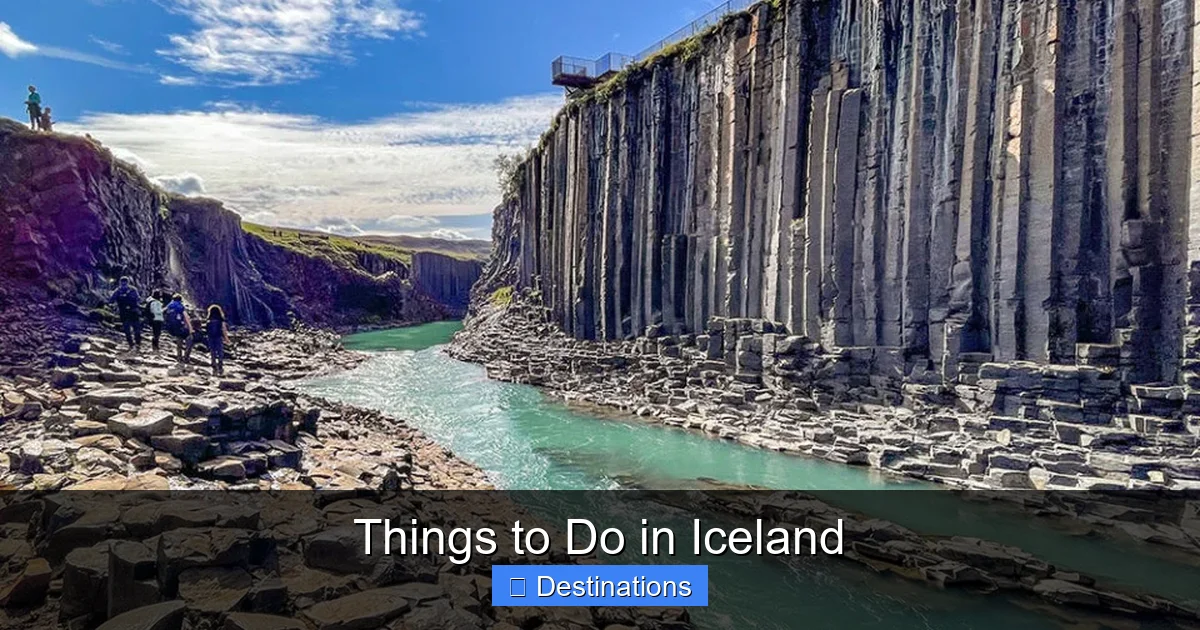
No trip to Iceland is complete without a drive along the Golden Circle, a route that takes you through some of the country’s most famous landmarks. This 300-kilometer loop starts and ends in Reykjavík and can be completed in a day.
Þingvellir National Park: A UNESCO World Heritage Site where the North American and Eurasian tectonic plates meet. Walk through history and geology in one of Iceland’s most sacred places.
Geysir: Watch Strokkur erupt every few minutes, shooting boiling water high into the air. Nearby, you’ll find other geothermal features bubbling up from the earth.
Gullfoss Waterfall: A powerful two-tiered waterfall that plunges into a deep canyon. It’s one of the most impressive sights in Iceland.
Pro tip: Combine your Golden Circle tour with a visit to Secret Lagoon in Flúðir for a relaxing soak in natural geothermal waters.
The Golden Circle is a perfect introduction to Iceland’s dramatic landscapes and is especially popular with first-time visitors.
3. Visit Iconic Waterfalls
Visual guide about Things to Do in Iceland
Image source: thefrugalexpat.com
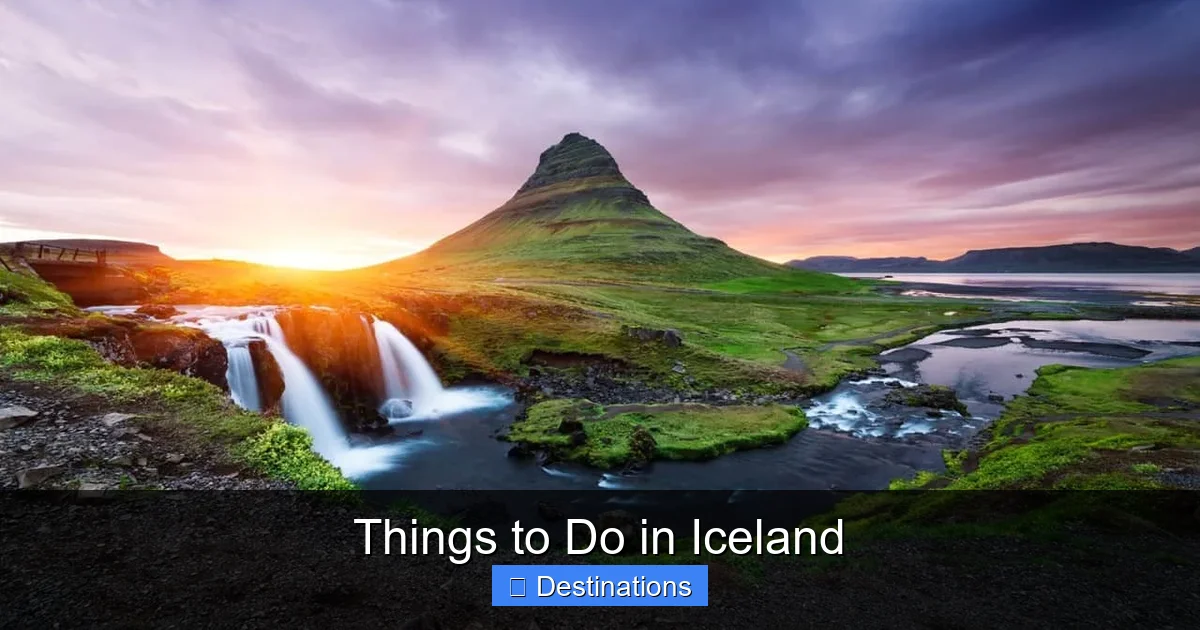
Iceland is home to more than 10,000 waterfalls, and while many are tucked away in remote areas, a handful are impossible to miss.
Skógafoss: A 60-meter-high waterfall that you can climb behind for a unique perspective. Legend says you’ll get rich if you catch a coin dropped from above.
Seljalandsfoss: Another stunning waterfall where you can walk behind the curtain of water—just be careful of the mist!
Gullfoss: Already mentioned in the Golden Circle section, this waterfall is both powerful and serene, surrounded by moss-covered cliffs.
Goðafoss: Known as the “Waterfall of the Gods,” this 30-meter cascade is said to have been abandoned by early settlers when they converted to Christianity.
These waterfalls aren’t just beautiful—they’re part of Iceland’s living landscape, shaped by glaciers and volcanic activity over thousands of years.
4. Walk on a Glacier
Visual guide about Things to Do in Iceland
Image source: wanderingwheatleys.com
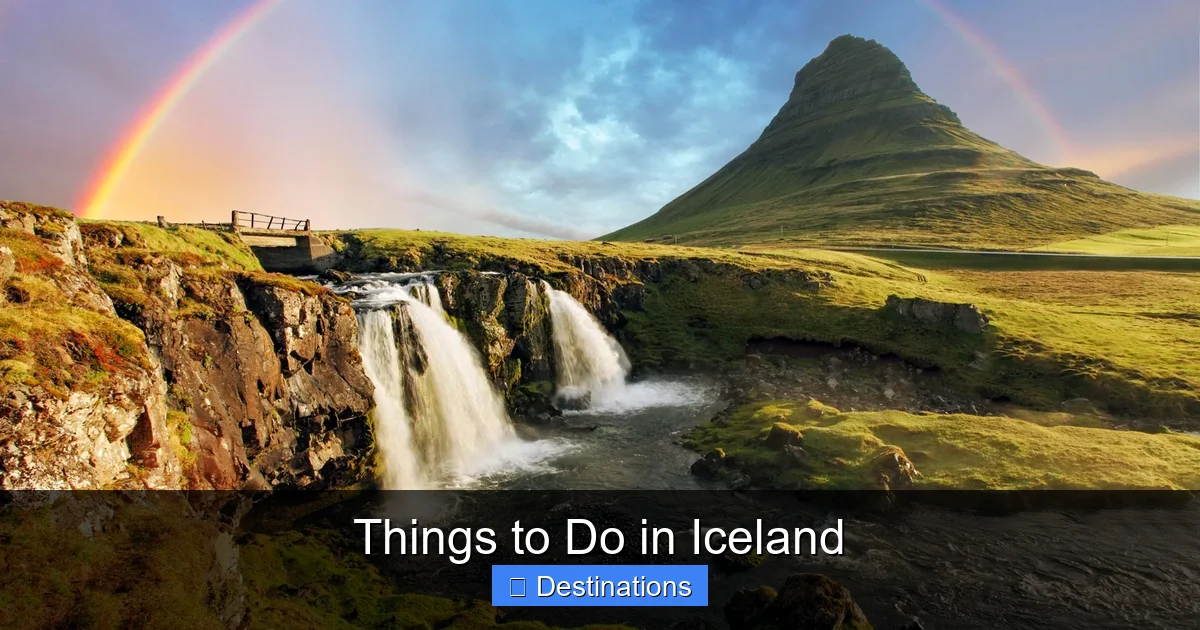
Glaciers cover about 11% of Iceland’s landmass, and exploring one is a once-in-a-lifetime adventure. Vatnajökull, Europe’s largest glacier, is a must-visit for thrill-seekers.
Glacier Hiking: Guided tours take you across ice tunnels, crevasses, and frozen ridges. You’ll use crampons and ice axes under the guidance of certified experts.
Ice Climbing: For the truly adventurous, ice climbing offers a new challenge on vertical ice walls. It’s physically demanding but incredibly rewarding.
Glacier Caves: In winter, meltwater carves stunning blue ice caves within the glacier. These are breathtaking but require a guided tour due to safety concerns.
Tip: Book your glacier tour in advance, especially during peak season. Most tours depart from Vík or Höfn.
Walking on a glacier connects you to Iceland’s ancient ice age history and gives you a rare glimpse into a world of blue ice and frozen time.
5. Relax in Geothermal Pools
After a day of exploring, nothing beats unwinding in a warm geothermal pool. Iceland has more hot springs per capita than any other country.
Blue Lagoon: The most famous geothermal spa in the world, located near the Reykjanes Peninsula. The milky-blue water is rich in minerals and offers stunning lava rock views.
Mývatn Nature Baths: A less crowded alternative in North Iceland, with warm, mineral-rich waters and views of volcanic landscapes.
Secret Lagoon: Nestled in Flúðir, this historic pool is family-friendly and offers a more rustic, authentic experience.
Public Pools: Don’t overlook Iceland’s local swimming pools—like the iconic Laugardalslaug in Reykjavík. They’re affordable, clean, and full of locals.
Soaking in a hot spring is more than relaxation—it’s a cultural tradition. Locals call it “plús” (“plus”) for life.
6. Go Whale Watching
Iceland’s cold, nutrient-rich waters are a haven for marine life. From June to September, you can go whale watching in the waters around Reykjavík, Akureyri, or Húsavík.
Húsavík: Known as the “Whale Watching Capital of Iceland,” this town offers some of the best sightings in the country. Humpback whales, minke whales, and even blue whales have been spotted here.
Reykjavík: Departures are frequent, and you might also see dolphins, porpoises, and sometimes even orcas.
Tips:
– Dress warmly and bring seasickness medication.
– Choose a small boat for a more intimate experience.
– Book in advance during summer months.
Whale watching connects you to Iceland’s rich marine ecosystem and offers a peaceful, awe-inspiring experience on the water.
7. Drive the Ring Road
For travelers with time, driving Iceland’s Ring Road (Route 1) is one of the best ways to experience the country’s full diversity.
Westfjords: A remote, rugged region with deep fjords, dramatic cliffs, and fewer tourists. Perfect for solitude and hiking.
Eastfjords: A quiet, scenic area with charming fishing villages and stunning coastal views.
Highlands: Accessible only by 4×4 vehicles in summer, this wild interior offers volcanic plateaus, hot springs, and untouched beauty.
South Coast: Includes waterfalls, black sand beaches, and glacier tongues. Stop at Reynisfjara for basalt columns and ocean waves.
Tip: Rent a 4×4 if you plan to explore the highlands. Check road conditions at road.is before heading out.
The Ring Road is an adventure in itself, winding through some of the most remote and beautiful parts of Iceland.
8. Visit Reykjavík
Iceland’s capital may be small, but it’s packed with culture, food, and charm. Reykjavík blends modern design with Viking heritage.
Hallgrímskirkja: A striking church with a modern spire. Climb to the top for panoramic views of the city.
Harpa Concert Hall: A stunning glass building that hosts music and cultural events.
National Museum: Learn about Iceland’s history, from the Viking Age to modern times.
Local Food Scene: Try fresh seafood, lamb, skyr (Icelandic yogurt), and a traditional “plokkfiskur” stew.
Shopping: Explore boutiques in the city center for handmade crafts, wool sweaters, and local art.
Even if you’re only passing through, spending a few hours in Reykjavík gives you a deeper connection to Icelandic culture.
9. Experience the Midnight Sun
Between May and July, Iceland enjoys nearly 24 hours of daylight. This phenomenon, called the Midnight Sun, is perfect for extended hiking, long road trips, and outdoor adventures.
Hiking: Trails like the one to Mount Esja or Landmannalaugar are even more magical in summer with endless daylight.
Camping: With no dark hours, camping is a great way to experience nature without rushing.
Photography: The soft, golden light of the midnight sun creates stunning photos—especially over glaciers and mountains.
Tip: Bring a sleep mask—even though it’s light outside, your body still needs rest.
The Midnight Sun turns Iceland into a land of endless possibility, where adventure never has to stop.
10. Try Local Cuisine
Icelandic food may not be what you expect—it’s fresh, simple, and deeply connected to the land and sea.
Lamb: Often raised on grass and mountain pastures, Icelandic lamb is tender and flavorful.
Skyr: A thick, creamy yogurt-like dairy product, often eaten for breakfast or as a snack.
Plokkfiskur: A traditional dish of flaked fish, potatoes, and cream, often served with rye bread.
Harðfiskur: Dried fish jerky, a popular snack or side dish.
New Nordic Cuisine: Reykjavík has embraced this modern culinary movement, with chefs using local ingredients in creative ways.
Tip: Visit a local market like Kaffi Vinyl or Bónus to sample fresh fish and skyr.
Eating like a local is a delicious way to connect with Iceland’s culture and traditions.
Conclusion
Iceland is more than a destination—it’s an experience. From the crackling energy of a geyser to the silent beauty of a glacier cave, every corner of this island tells a story. Whether you’re chasing the Northern Lights, hiking across ice fields, or sipping coffee in a Reykjavík café, Iceland leaves a lasting impression.
The things to do in Iceland are as diverse as they are unforgettable. Whether you’re an adventure seeker, a nature lover, or someone looking to relax in geothermal pools, this Nordic gem has something for everyone. With stunning landscapes, rich culture, and warm hospitality, Iceland truly is a land like no other.
Plan your trip wisely, respect the environment, and leave room for spontaneity. Because the best memories often come from the moments you didn’t plan.
Frequently Asked Questions
What are the must-see waterfalls in Iceland?
Skógafoss, Gullfoss, and Seljalandsfoss are among the most iconic. Each offers unique views and photo opportunities, with Seljalandsfoss allowing you to walk behind the falls.
Is it safe to hike on glaciers?
Yes, but only with a certified guide. Glacier hiking involves risks like crevasses, and proper safety gear and training are essential for a safe experience.
How do I book a Northern Lights tour?
Book through a reputable tour operator in advance, especially in winter. Many offer flexible cancellation policies and guarantee a return trip if the lights aren’t visible.
Can I visit Iceland in winter?
Absolutely. Winter brings the best chance to see the Northern Lights, snow-covered landscapes, and fewer crowds. Just be prepared for short days and possible road closures.
What should I pack for Iceland?
Layered clothing, waterproof outerwear, sturdy hiking boots, a warm hat, gloves, and a power adapter (Iceland uses European plugs). Don’t forget a reusable water bottle—tap water is safe to drink.
Are there any free things to do in Iceland?
Yes! Hiking, visiting black sand beaches like Reynisfjara, exploring lava fields, and watching waterfalls are all free. Many natural wonders don’t require entry fees.