
Japan is a magical blend of tradition and innovation that offers something for every traveler. Whether you crave serene temples, bustling city lights, or peaceful natural beauty, this country delivers unforgettable moments. From cherry blossoms in spring to snow monkeys in winter, Japan’s seasonal charm is unmatched.
Japan is a country where centuries-old traditions meet cutting-edge technology, and every corner tells a story. Imagine walking through a bamboo forest in Arashiyama, then hopping on a bullet train to Tokyo to experience the neon glow of Shibuya Crossing. From serene temples and tranquil gardens to bustling cities and delicious street food, Japan offers a rich tapestry of experiences that appeal to every type of traveler. Whether you’re a first-time visitor or a seasoned explorer, this guide will help you uncover the best things to do in Japan and make your trip truly unforgettable.
Check the latest prices and available rooms before they sell out.
One of the most magical aspects of Japan is its deep respect for nature and seasons. Cherry blossoms in spring, fiery autumn leaves, and snowy landscapes in winter each paint the country in a different light. These natural wonders are celebrated nationwide, from hanami (flower viewing) parties under blooming sakura trees to illuminated maple groves in fall. Pair these with Japan’s legendary hospitality (omotenashi), and you’ll find that every experience—whether dining at a Michelin-starred restaurant or staying in a countryside ryokan—feels thoughtfully crafted just for you.
To make the most of your adventure, plan ahead but stay flexible. Japan’s public transportation system is incredibly efficient, with the famous Shinkansen (bullet train) linking major cities like Tokyo, Kyoto, Osaka, and Hiroshima. Consider purchasing a Japan Rail Pass if you plan to travel extensively. Also, learn a few basic Japanese phrases—simple greetings go a long way in showing respect and earning smiles from locals.
Key Takeaways
- Explore ancient temples and shrines: Visit iconic sites like Fushimi Inari Shrine in Kyoto or Senso-ji in Tokyo for a deep dive into Japan’s spiritual heritage.
- Experience world-class cuisine: Savor sushi in Tsukiji, ramen in Fukuoka, and matcha desserts in Uji—Japan’s food scene is a journey in itself.
- Travel on the efficient Shinkansen: The bullet train connects major cities quickly and comfortably, making multi-city travel easy and scenic.
- Enjoy seasonal festivals: From cherry blossom viewing (hanami) in spring to autumn foliage and summer matsuri, timing your trip with local events enhances your experience.
- Stay in a traditional ryokan: Immerse yourself in Japanese hospitality with a stay in a countryside inn featuring tatami mats, kaiseki meals, and onsen baths.
- Shop and explore modern districts: Discover Harajuku’s quirky fashion, Ginza’s luxury boutiques, and Akihabara’s tech culture in Tokyo’s vibrant neighborhoods.
Quick Answers to Common Questions
What’s the best time to visit Japan?
The best time depends on what you want to experience. Spring (March–May) is ideal for cherry blossoms, while autumn (October–November) offers stunning fall colors. Summer is warm and festival-filled, but humid. Winter is cold but great for skiing and onsen.
Do I need to speak Japanese?
Not at all. Many signs are in English, and younger Japanese people often understand basic English. Learning a few key phrases like “arigatou” (thank you) and “sumimasen” (excuse me) is helpful and appreciated.
Is Japan expensive?
Japan can be expensive, especially in cities like Tokyo, but it’s manageable with planning. Stay in budget-friendly guesthouses, eat at convenience stores or ramen shops, and use public transport to save money.
Can I drink tap water in Japan?
Yes! Tap water in Japan is safe to drink and tastes fresh. Many locals do not drink it regularly, but it’s perfectly fine for travelers.
Do I need a visa to visit Japan?
It depends on your nationality. Citizens of many countries (like the U.S., Canada, Australia, and most EU nations) can visit for up to 90 days without a visa for tourism. Always check with your local Japanese embassy.
Find the Best Accommodation Deals
Compare prices from multiple booking platforms and find the best option for your stay.
Compare Hotel Prices
📑 Table of Contents
Explore Japan’s Ancient Temples and Shrines
Japan’s spiritual heart beats in its thousands of temples and shrines scattered across the country. These sacred spaces offer a peaceful escape from modern life and a chance to connect with centuries of Buddhist and Shinto traditions.
Visit Fushimi Inari Shrine in Kyoto
Fushimi Inari Taisha is famous for its thousands of red torii gates that form winding trails up the mountain. Climbing the path takes about two hours and rewards you with panoramic views of Kyoto. Start early to avoid crowds and bring water—it’s a steep but rewarding hike.
Find the Best Accommodation Deals
Compare prices from multiple booking platforms and discover the best stay options available.
⭐ Trusted by thousands of travelers
💰 Budget to luxury options available
Discover Kiyomizu-dera in Kyoto
Perched on a hill in eastern Kyoto, Kiyomizu-dera offers stunning views and a wooden stage that juts out over the forest. The temple is especially beautiful during autumn when the surrounding maple trees turn brilliant shades of red and orange.
Explore Todai-ji in Nara
Home to Japan’s largest bronze Buddha statue, Todai-ji is a UNESCO World Heritage Site and a must-see in Nara. The surrounding park is also home to friendly deer that bow for treats—a unique and delightful experience.
These sacred sites are more than just tourist attractions. They’re living parts of Japan’s culture, where visitors can participate in purification rituals, write wishes on ema (wooden plaques), or simply sit quietly in meditation.
Best Stay Deals Available
Compare prices across top booking platforms and find the best deal for your stay.
Check Available RoomsImmerse Yourself in Japanese Cuisine
Visual guide about Things to Do in Japan
Image source: shutterstock.com
Food is love in Japan. From street food stalls to Michelin-starred restaurants, every meal is a celebration of fresh ingredients, precise technique, and beautiful presentation.
Try Sushi in Tokyo
Start your culinary journey at Tsukiji Outer Market, where you can enjoy the freshest sushi for breakfast. For a more upscale experience, visit the Michelin-starred sushi bars in Ginza.
Slurp Ramen in Fukuoka
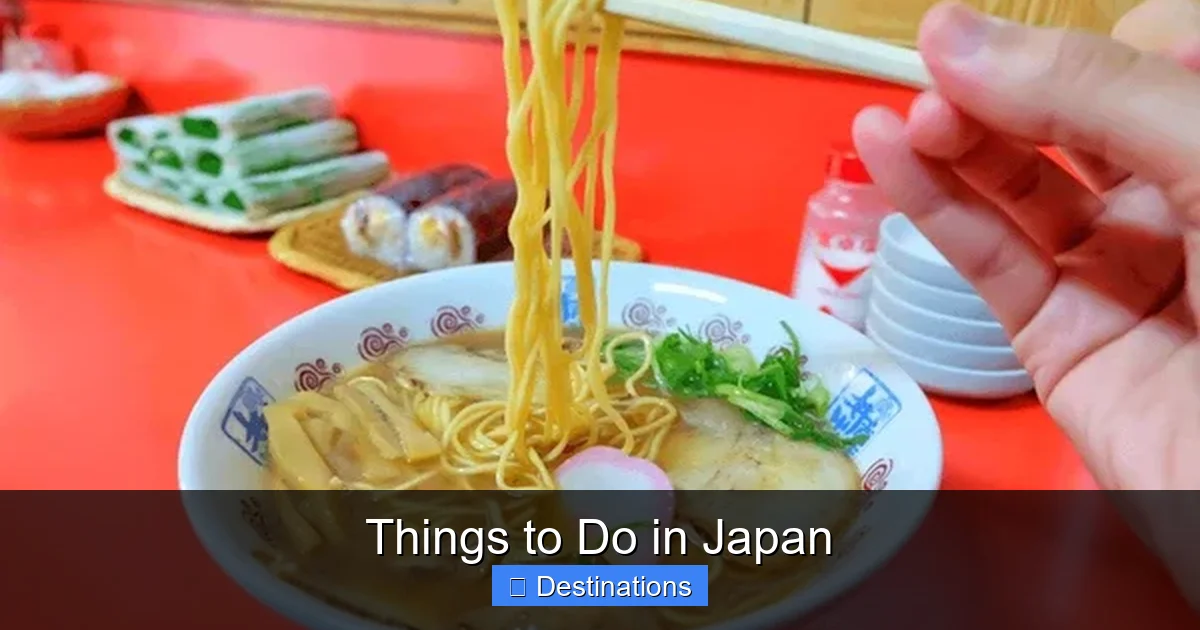
Known as the birthplace of tonkotsu ramen, Fukuoka offers some of the country’s best bowls. Try them at a standing bar for a quick, authentic meal.
Indulge in Matcha in Uji
Just outside Kyoto, Uji is famous for its high-quality matcha tea. Visit a traditional tea house to enjoy matcha with wagashi (Japanese sweets).
Don’t miss regional specialties like okonomiyaki in Osaka, kaiseki (multi-course meal) in Kyoto, and fresh seafood in Hokkaido. Street food at festivals or night markets, like those in Osaka’s Dotonbori, is also a must.
Experience Japan’s Modern Cities
Visual guide about Things to Do in Japan
Image source: shutterstock.com
While Japan is famous for its tradition, its cities are also global hubs of innovation, fashion, and entertainment.
Explore Tokyo’s Neighborhoods
Tokyo is a city of contrasts. In Harajuku, you’ll find colorful street fashion and crepes; in Shibuya, the world’s famous scramble crossing and trendy cafes; and in Akihabara, the heart of anime, manga, and electronics.
Shop in Osaka
Osaka’s Dotonbori district is perfect for shopping and eating. Try takoyaki (octopus balls) while browsing unique boutiques and quirky souvenir shops.
Visit Kyoto’s Modern Side
While Kyoto is known for its temples, it also has a vibrant modern culture. Check out the Kyoto International Manga Museum or explore the modern architecture in the Nakagyō district.
Japan’s cities are clean, safe, and easy to navigate. Use a Suica or Pasmo card for seamless public transport, and don’t hesitate to explore side streets—they often lead to hidden gems.
Relax in Onsen and Ryokan
Visual guide about Things to Do in Japan
Image source: shutterstock.com
For a truly immersive experience, stay in a traditional ryokan and soak in an onsen (hot spring).
Stay in a Ryokan
Ryokans are Japanese inns that offer tatami-matted rooms, futon beds, and gourmet kaiseki meals. Many also feature private or communal onsen. Popular spots include Gora Kadan in Hakone and Tawaraya in Kyoto.
Soak in Natural Hot Springs
Onsen are therapeutic mineral baths found in mountainous areas like Hakone, Beppu, and Kusatsu. Remember to wash thoroughly before entering the bath, and avoid tattoos if they’re a concern at public baths.
The combination of hot spring therapy, quiet surroundings, and thoughtful service makes onsen stays a highlight for many travelers.
Enjoy Nature and Seasonal Festivals
Japan’s natural beauty is as much a part of its culture as temples and tea ceremonies.
See Cherry Blossoms in Spring
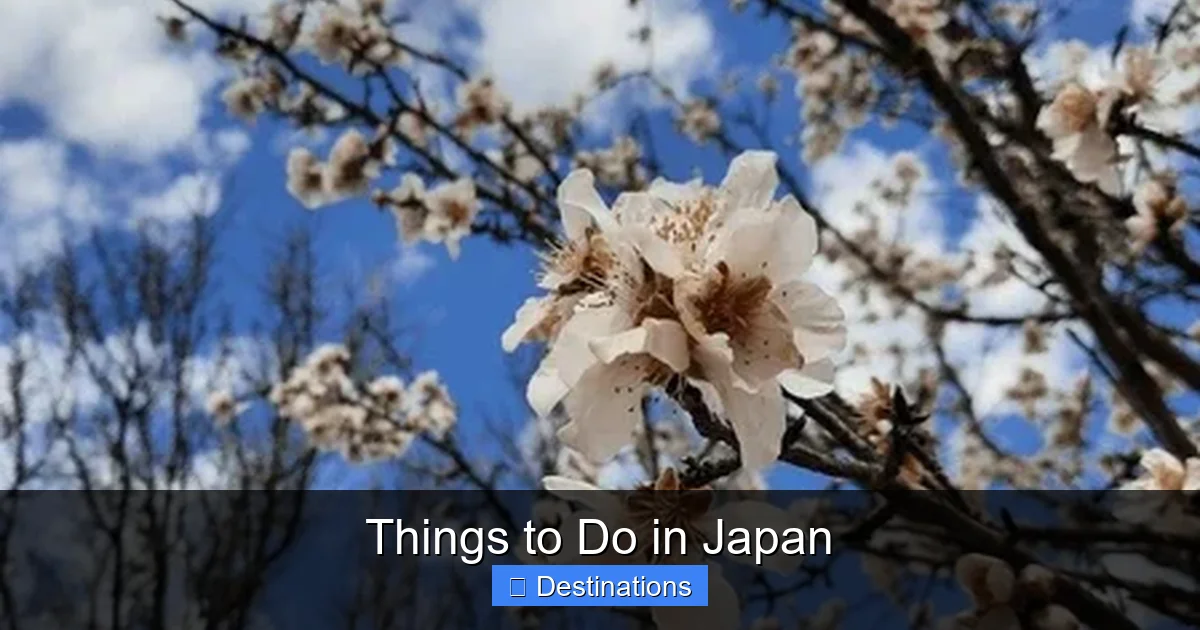
Hanami season typically runs from late March to early April. Popular spots include Ueno Park in Tokyo, Maruyama Park in Kyoto, and Hirosaki Castle in Aomori.
Witness Autumn Leaves in Fall
Autumn foliage peaks in November. Visit temples like Kinkaku-ji in Kyoto or hike in Nikko for breathtaking views.
Experience Summer Festivals
Summer matsuri (festivals) feature fireworks, dancing, and food stalls. Don’t miss the Nebuta Festival in Aomori or the Gion Matsuri in Kyoto.
Each season offers unique activities and events. Plan your trip around these natural and cultural rhythms for a richer experience.
Travel Like a Local
To truly enjoy things to do in Japan, embrace the local way of life.
Use Public Transportation
Japan’s trains, buses, and subways are punctual and efficient. The Japan Rail Pass is a great investment for long-distance travel.
Carry Cash
Many small shops and rural restaurants still prefer cash. ATMs at convenience stores (like 7-Eleven) accept foreign cards.
Respect Local Etiquette
Blow your nose in a restroom, not at the table. Don’t tip. And always remove your shoes when entering homes, ryokans, or certain temples.
Learning a few customs goes a long way. Locals appreciate when visitors make an effort to blend in respectfully.
Frequently Asked Questions
What are the must-see temples in Japan?
Top temples include Fushimi Inari in Kyoto, Kinkaku-ji (Golden Pavilion), and Todai-ji in Nara. These sites offer deep cultural insights and beautiful architecture.
How do I get around Japan?
Japan’s public transport is excellent. Use trains (including the Shinkansen), subways, and buses. A Japan Rail Pass is ideal for long-distance travel between cities.
What should I eat in Japan?
Try sushi, ramen, tempura, yakitori, and regional dishes like okonomiyaki and kaiseki. Don’t miss street food at markets and festivals.
Is it safe to travel alone in Japan?
Yes, Japan is one of the safest countries in the world. Crime rates are low, streets are well-lit, and locals are helpful to travelers.
Can I use credit cards in Japan?
Major credit cards are accepted in cities, but many small shops and rural areas prefer cash. Carry yen and use ATMs at convenience stores for withdrawals.
Are there English-speaking guides available?
Yes, especially in major cities and tourist areas. Many museums, temples, and attractions offer English audio guides or hire multilingual staff during peak seasons.