
Kyoto is a timeless destination where ancient traditions meet modern life. From exploring UNESCO World Heritage sites to strolling through bamboo forests and enjoying kaiseki cuisine, this city offers something for every traveler. Whether you’re a history buff, a food lover, or someone seeking inner peace, Kyoto’s blend of spiritual beauty and cultural richness creates an experience unlike any other.
Kyoto, once the heart of Japan’s imperial capital, is a city where time seems to slow down. Nestled in the Kansai region, this cultural powerhouse blends ancient traditions with subtle modern touches. With over 2,000 temples and shrines, lush gardens, and centuries-old streets, Kyoto offers travelers a deep dive into Japanese history, art, and spirituality. Whether you’re sipping matcha in a centuries-old tea house or wandering through a quiet bamboo forest, every moment feels intentional and meaningful. This is a city that invites you to pause, breathe, and connect—with nature, with history, and with yourself.
Check the latest prices and available rooms before they sell out.
From the moment you step off the train at Kyoto Station, you’re greeted by a city that honors its past while quietly evolving. The city’s layout still mirrors the Heian-era grid, and its neighborhoods—each with its own rhythm—preserve the soul of old Japan. Unlike Tokyo, which buzzes with urban energy, Kyoto feels more like a living museum. But don’t mistake calm for dullness. Kyoto pulses with life in its food markets, seasonal festivals, and the occasional glimpse of a geiko (Kyoto’s term for geisha) gliding down a lantern-lit alley. It’s a destination that rewards curiosity and presence, making it ideal for travelers seeking depth over speed.
Key Takeaways
- Explore iconic temples and shrines: Visit Fushimi Inari Taisha with its thousands of red torii gates and Kinkaku-ji, the golden pavilion.
- Experience traditional tea culture: Participate in a matcha tea ceremony and learn about the art of Japanese tea.
- Walk through serene gardens: Discover the meticulously designed Zen gardens like Ryoan-ji and the moss garden at Saiho-ji.
- Stroll through historic districts: Wander through Gion, Kyoto’s famous geisha district, and explore the narrow alleys of Arashiyama.
- Enjoy seasonal beauty: Witness cherry blossoms in spring or fiery autumn leaves, making Kyoto a year-round destination.
- Try authentic cuisine: Sample kaiseki (multi-course meal), tofu dishes, and street food at Nishiki Market.
- Take a bamboo forest walk: Immerse yourself in the peaceful atmosphere of Arashiyama’s bamboo grove.
Quick Answers to Common Questions
What is the best time to visit Kyoto?
The best times are spring (late March to early April) for cherry blossoms and autumn (mid-November) for fall foliage. These seasons offer mild weather and stunning natural beauty. Summer can be hot and humid, while winter is cold but peaceful with fewer crowds.
How many days should I spend in Kyoto?
At least 3 to 4 days is ideal to see major temples, neighborhoods, and take a day trip. With 5 to 7 days, you can explore at a relaxed pace, attend a festival, and visit nearby cities like Nara or Osaka.
Is Kyoto expensive to visit?
Kyoto can be moderately expensive, especially in areas like Gion. However, you can enjoy the city on a budget by staying in guesthouses, eating at local izakayas, and using public transport. Many temples offer free entry or low-cost donations.
Do I need to book tickets in advance?
Yes, for popular experiences like tea ceremonies, kaiseki dinners, and temple tours, bookings are often required. Some temples and attractions also limit daily visitors, so advance planning helps avoid disappointment.
Can I visit Kyoto temples for free?
Yes, many temples in Kyoto charge a small entrance fee (¥300–¥600), but some allow free entry. Check each temple’s website for details. Free walking tours and temple-hopping routes can also be a budget-friendly way to explore.
📑 Table of Contents
- Explore Kyoto’s Iconic Temples and Shrines
- Stroll Through Kyoto’s Bamboo Groves and Natural Wonders
- Experience Traditional Tea Culture in Kyoto
- Wander Through Historic Districts and Cultural Neighborhoods
- Enjoy Kyoto’s Culinary Delights
- Participate in Seasonal Festivals and Events
- Take a Day Trip from Kyoto
Explore Kyoto’s Iconic Temples and Shrines
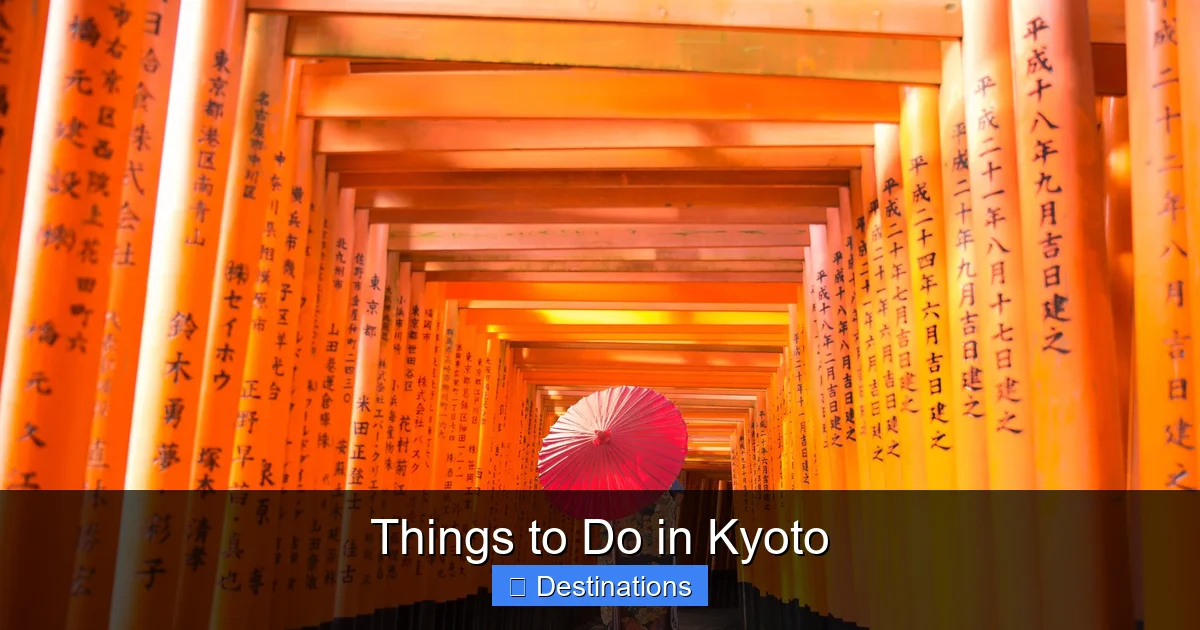
One of the best things to do in Kyoto is immerse yourself in its spiritual heart. The city is home to more than 2,000 temples and shrines, many of which are UNESCO World Heritage sites. Start your journey at Fushimi Inari Taisha, famous for its thousands of vermilion torii gates that snake up the forested slopes of Mount Inari. Hike the main trail early in the morning to avoid crowds and enjoy a peaceful walk through the tunnels of red gates. The hike takes about 2–3 hours and rewards you with panoramic views of Kyoto.
Find the Best Accommodation Deals
Compare prices from multiple booking platforms and find the best option for your stay.
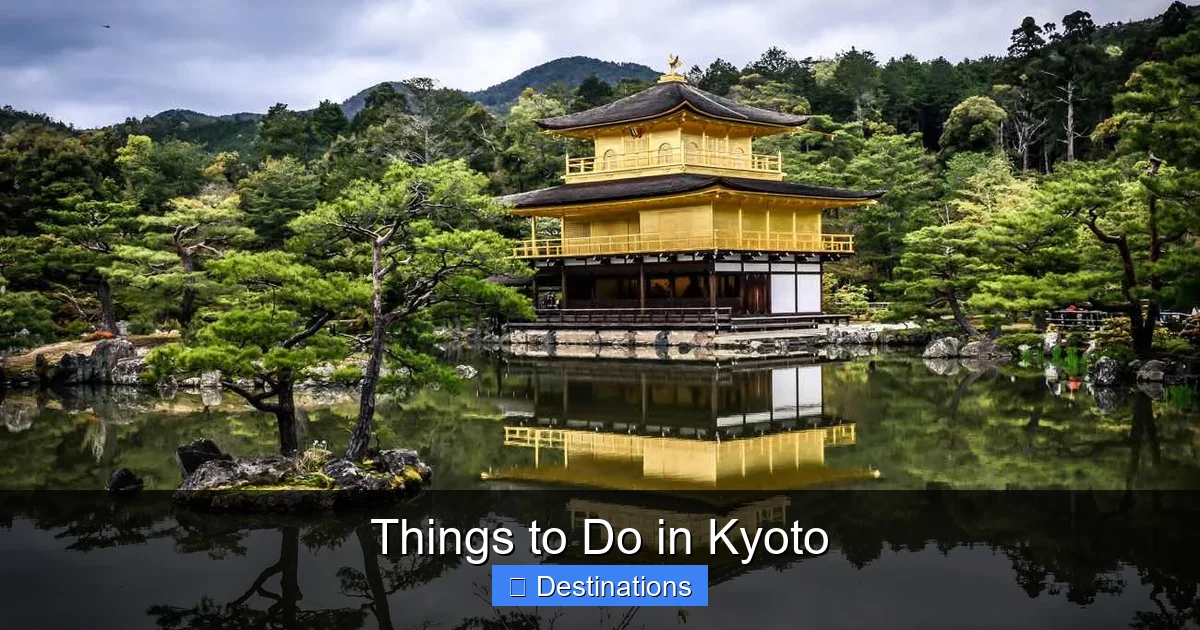
Compare Hotel PricesNext, visit Kinkaku-ji, the Golden Pavilion. This Zen temple covered in gold leaf reflects beautifully on the surrounding pond, especially during golden hour. Nearby, Ginkaku-ji, the Silver Pavilion, offers a quieter atmosphere with its moss gardens and walking paths. For a more meditative experience, head to Tofuku-ji in autumn, when its maple trees create a fiery canopy over the grounds.
If you’re visiting in spring, don’t miss Kiyomizu-dera, a wooden temple perched on a hillside with a wooden stage offering sweeping views of the city and the Higashiyama mountains. The temple’s proximity to Yasaka Shrine makes it easy to combine both in one walk through the historic Higashiyama district.
Find the Best Accommodation Deals
Compare prices from multiple booking platforms and discover the best stay options available.
⭐ Trusted by thousands of travelers
💰 Budget to luxury options available
Stroll Through Kyoto’s Bamboo Groves and Natural Wonders
Visual guide about Things to Do in Kyoto
Image source: geekyexplorer.com
Best Stay Deals Available
Compare prices across top booking platforms and find the best deal for your stay.
Check Available RoomsNo trip to Kyoto is complete without a visit to Arashiyama, a scenic district on the western edge of the city. The highlight here is the Arashiyama Bamboo Grove, where towering bamboo stalks sway gently in the breeze, creating a sound like a distant ocean. The walk is most magical early in the morning or late afternoon when the light filters through the canopy in golden shafts.
Beyond the bamboo, Arashiyama offers more natural beauty. Walk across the Hozugawa River on a seasonal boat ride (available from March to November), passing traditional thatched-roof farmhouses. Visit the Tenryu-ji Temple, a UNESCO site with a stunning rock garden and a moss-covered landscape. For a quieter experience, explore the Otagi Nenbutsu-ji Temple, home to over 1,200 unique stone statues of Buddhist monks.
In winter, the area transforms into a serene snowscape, and in autumn, the maple leaves paint the hills in vibrant reds and oranges. Whether you’re cycling along the river or picnicking in a quiet garden, Arashiyama offers a peaceful escape from the city’s rhythm.
Experience Traditional Tea Culture in Kyoto
Visual guide about Things to Do in Kyoto
Image source: geekyexplorer.com
Kyoto is the birthplace of the Japanese tea ceremony, a ritual that embodies harmony, respect, purity, and tranquility. Participating in a traditional matcha tea ceremony is one of the most authentic experiences you can have in the city. Many tea houses in Gion and near temples offer sessions for beginners, often including a short lesson on how matcha is prepared and served.
One of the best places to experience this is at Camellia Flower Tea House or En in the Gion district. These tea houses often feature tatami rooms, seasonal sweets, and quiet garden views. The ceremony typically lasts 30–60 minutes and costs between ¥3,000–¥5,000.
Beyond the ceremony, visit Nishiki Market, known as “Kyoto’s Kitchen,” to sample local teas, pickles, and sweets. Try matcha-flavored snacks like warabimochi or dorayaki, and pick up a bag of premium matcha to take home.
For a deeper understanding, consider taking a tea-making class. These hands-on workshops teach you how to whisk matcha, the history of the ceremony, and the philosophy behind each movement. It’s a calming, meditative experience that connects you to centuries of tradition.
Wander Through Historic Districts and Cultural Neighborhoods
Visual guide about Things to Do in Kyoto
Image source: tripsavvy.com
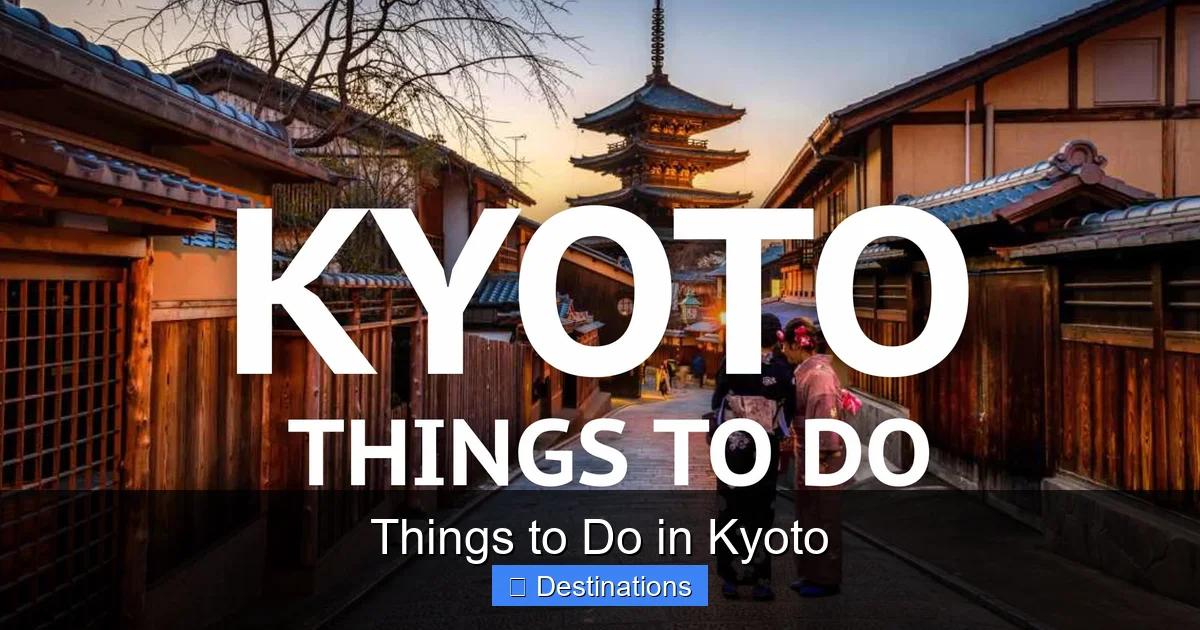
Kyoto’s neighborhoods each tell a unique story. Gion is the most famous, known for its preserved machiya (traditional wooden townhouses) and the possibility of spotting a geiko or maiko (apprentice geisha) in their kimono. Even if you don’t catch a glimpse, strolling through its lantern-lit alleys is enchanting. Visit Hanami-koji Street during cherry blossom season for a postcard-perfect scene.
Another must-see is Higashiyama, a district filled with temples, teahouses, and craft shops. Here, you’ll find Kodai-ji Temple, famous for its full moon view during autumn, and Sannenzaka and Ninenzaka, a slope lined with souvenir shops, cafes, and traditional sweets.
For a quieter vibe, head to Philosopher’s Path, a stone path along a canal lined with cherry trees. It’s especially beautiful during hanami (cherry blossom viewing) season. Along the way, you’ll pass several small temples and tea houses, making it a peaceful walk for reflection.
Don’t miss Kyoto’s geisha districts beyond Gion—like Pontocho Alley, a narrow lane along the Kamo River where geisha entertain guests in private rooms above restaurants. Evening is the best time to visit, when lanterns are lit and the atmosphere feels timeless.
Enjoy Kyoto’s Culinary Delights
Kyoto’s food scene is a celebration of seasonal ingredients and meticulous preparation. The city is especially known for its kaiseki cuisine, a multi-course meal that’s both an art form and a sensory experience. Each dish is carefully crafted to reflect the season, using local ingredients like tofu, wild vegetables, and river fish.
Try kaiseki at restaurants like Kikunoi or Hyotei, both located in the Gion district and offering unforgettable dining experiences. Reservations are essential and often require booking months in advance.
For a more casual yet equally delicious meal, visit Nishiki Market. This covered marketplace is a food lover’s paradise, with over 140 stalls selling everything from fresh seafood and pickles to matcha treats and handmade soba noodles. Don’t leave without trying yuba (tofu skin), katsuobushi (dried tuna flakes), and matcha soft serve.
Kyoto is also a tofu lover’s dream. Visit Fujinokuni or Shigetsu at Tenryu-ji Temple for a vegetarian kaiseki meal featuring local tofu. The temple’s garden views add to the serene atmosphere.
For street food, try yatsuhashi, a sweet rice cake shaped like a fish, or kuzumochi, a jelly-like dessert flavored with kudzu root. Wash it down with a cup of hojicha (roasted green tea) for a warm, comforting finish.
Participate in Seasonal Festivals and Events
Kyoto comes alive with festivals throughout the year, each celebrating something unique—nature, history, or community. The most famous is Aoi Matsuri in early May, a 1,500-year-old procession featuring floats, dancers, and participants in Heian-era costumes. The festival includes a grand parade from the Imperial Palace to Kitano Tenmangu Shrine.
In July, the Gion Matsuri takes over the city. This month-long festival includes massive floats (yamaboko), traditional music, and street performances. The highlight is the Yoiyama night before the main parade, when streets are closed for revelers and food stalls.
For nature lovers, hanami (cherry blossom viewing) in late March to early April is a must. Popular spots include Maruyama Park, Philosopher’s Path, and Heian Shrine. In autumn, between November and December, the city explodes in color. Visit Tofuku-ji, Eikando Temple, or Eikando’s autumn foliage** for the best views.
Smaller, more intimate events include lantern festivals at temples and local neighborhood matsuri. These are great for experiencing authentic, community-driven culture.
Take a Day Trip from Kyoto
While Kyoto is rich on its own, a day trip can add even more depth to your visit. One of the best is to Nara, just 45 minutes away by train. Nara was Japan’s first permanent capital and is home to Todai-ji Temple, which houses the world’s largest bronze Buddha statue. The city is also famous for its friendly deer that roam freely in Nara Park.
Another excellent option is Osaka, about 30 minutes away. Known as Japan’s kitchen, Osaka offers a vibrant food scene, modern attractions like Osaka Castle, and lively neighborhoods like Dotonbori. It’s a great contrast to Kyoto’s calm and perfect for a day of urban exploration.
For a spiritual retreat, consider a visit to Mount Hiei, home to the Enryaku-ji Temple complex. A cable car ride takes you to the summit, where you can hike, meditate, or enjoy panoramic views of the city.
If you’re traveling with kids, a trip to Uji is ideal. Famous for its green tea, Uji also has a historic temple district and a peaceful atmosphere. Try the matcha at Uji Hachibei and visit the Byodo-in Temple, a UNESCO site with a Phoenix Hall that’s a classic Japanese postcard image.
Frequently Asked Questions
What are the must-see temples in Kyoto?
Top temples include Fushimi Inari Taisha for its thousands of torii gates, Kinkaku-ji (Golden Pavilion) for its golden reflection, and Kiyomizu-dera for its wooden architecture and city views. Each offers a unique glimpse into Japan’s spiritual heritage.
Is it easy to get around Kyoto without a car?
Yes, Kyoto has an excellent public transport system. The subway and buses cover most attractions, and the city is also very walkable. Consider getting a one-day bus or subway pass for convenience.
What traditional foods should I try in Kyoto?
Must-try foods include kaiseki (multi-course meal), yuba (tofu skin), matcha sweets, and yatsuhashi (sweet rice cake). Nishiki Market is the best place to sample these delicacies.
Are there free things to do in Kyoto?
Absolutely. Many temples have free or low-cost entry, and there are plenty of free walking paths like the Philosopher’s Path. Parks, shrines, and public gardens offer peaceful spots to relax without spending a yen.
How do I experience a tea ceremony?
Look for tea houses in Gion or near temples that offer public or private ceremonies. Sessions usually last 30–60 minutes and include matcha, seasonal sweets, and a brief cultural explanation. Booking in advance is recommended.
Can I see geisha in Kyoto?
Yes, especially in the Gion and Pontocho districts, particularly in the evenings. While sightings aren’t guaranteed, these areas are best for experiencing the traditional geisha culture and architecture.