
Manila offers an incredible mix of history, culture, and modern energy. Whether you’re exploring Spanish-era landmarks, tasting world-class street food, or soaking up the nightlife, this city delivers unforgettable experiences for every traveler. Manila is more than just a transit hub—it’s a destination full of life and flavor.
Manila isn’t just a stopover—it’s a destination bursting with life, color, and culture. As the capital of the Philippines, this sprawling metropolis blends centuries-old Spanish architecture with modern skyscrapers and a pulse that never slows. From the cobblestone streets of Intramuros to the bustling sidewalks of Divisoria, Manila invites you to explore, taste, and connect. Whether you’re a history buff, a food lover, or someone looking to soak up the local vibe, Manila has something special waiting for you.
Check the latest prices and available rooms before they sell out.
One of the most exciting parts about visiting Manila is how accessible it feels. Despite its size, you can reach major attractions by foot, jeepney, or the city’s efficient public transit system. The mix of old and new creates a unique atmosphere—think vintage tricycles gliding past glass-walled office towers. And while Manila can be overwhelming at first, that’s part of its charm. Every corner offers a new discovery: a hidden chapel, a street vendor selling fresh mango slices, or a sunset view from a skybridge. If you’re planning your trip, this guide will help you uncover the best things to do in Manila so you can make the most of your time in this dynamic city.
Key Takeaways
- Rich Historical Heritage: Manila is home to over 300 years of Spanish colonial history, visible in its churches, forts, and museums.
- World-Class Cuisine: The city’s food scene is legendary—don’t miss adobo, halo-halo, and fresh seafood at local markets.
- Vibrant Nightlife: From rooftop bars in Bonifacio Global City to live music venues in Ermita, Manila comes alive after dark.
- Accessible Day Trips: Easy access to nearby destinations like Intramuros, Rizal Park, and the Cultural Center of the Philippines.
- Efficient Public Transit: Use the MRT and LRT systems to navigate the city quickly and affordably.
- Warm Local Culture: Filipinos are known for their hospitality—expect friendly smiles and welcoming attitudes everywhere.
Quick Answers to Common Questions
What is the best time to visit Manila?
October to April is ideal, when the weather is cooler and drier. Avoid May to September due to the rainy season and typhoons.
Is Manila safe for tourists?
Yes, but like any major city, it’s important to stay aware of your surroundings. Stick to well-lit, busy areas and avoid carrying large amounts of cash.
How do I get around Manila?
The MRT and LRT systems are efficient for long distances. For shorter trips, use ride-hailing apps like Grab or rent a motorcycle (with a license).
What should I wear in Manila?
Light, breathable clothing is best. For visiting churches or formal sites, bring a light jacket or shawl to cover your shoulders.
Can I drink tap water in Manila?
No, it’s not recommended. Always drink bottled or filtered water to avoid stomach issues.
📑 Table of Contents
- Explore Intramuros: Manila’s Historic Heart
- Indulge in Manila’s Street Food Scene
- Experience Modern Manila in Bonifacio Global City (BGC)
- Dive Into Culture at the National Museum and Cultural Center
- Relax at Manila Bay and Sunset Boulevard
- Shop Till You Drop in Divisoria and Quiapo
- Enjoy Nightlife in Ermita and Malate
Explore Intramuros: Manila’s Historic Heart
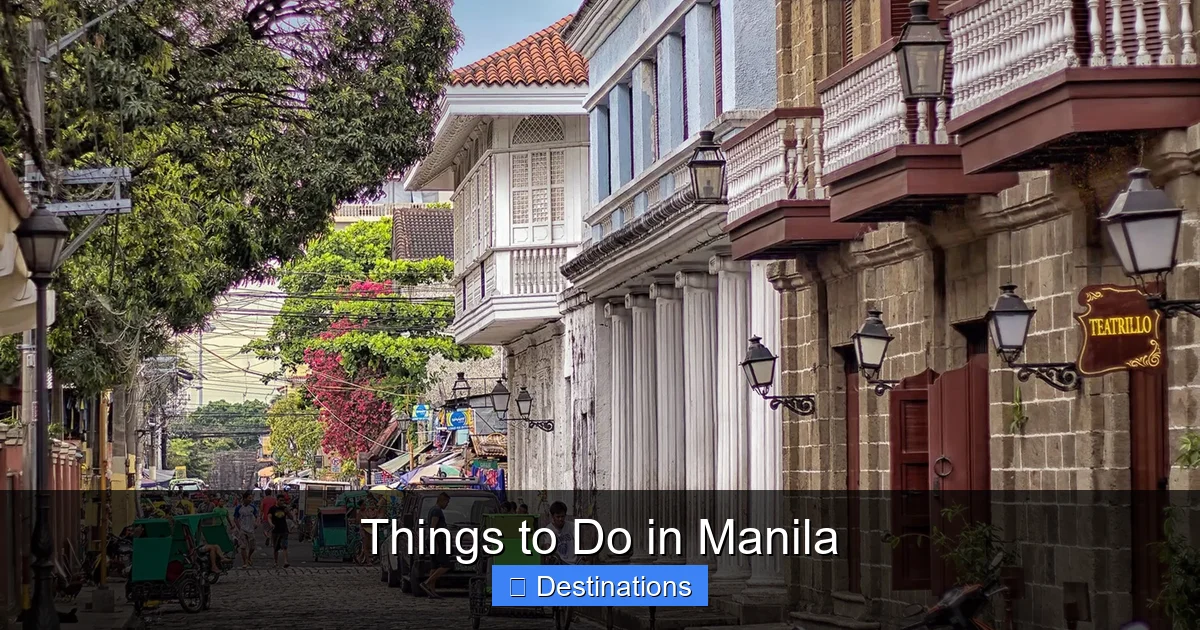
No visit to Manila is complete without stepping into Intramuros, the walled city built by the Spanish during their colonization of the Philippines. This UNESCO-recognized district feels like a time machine, transporting you back to the 16th century. Walking through its cobblestone streets, you’ll find centuries-old churches, military forts, and colonial-era buildings that still stand strong today.
Find the Best Accommodation Deals
Compare prices from multiple booking platforms and find the best option for your stay.
Compare Hotel PricesKey Attractions in Intramuros
- San Agustin Church: One of the oldest stone churches in the Philippines, it’s a masterpiece of Baroque architecture and a National Cultural Treasure.
- Fort Santiago: A historic military fortress where you can walk through the museum and even visit the Rizal Shrine, honoring the national hero José Rizal.
- Plaza de Roma: The oldest public square in the Philippines, lined with trees and perfect for a quiet stroll or a picnic.
Pro tip: Rent a bicycle or take a guided walking tour to fully appreciate the history and layout of Intramuros. It’s also a great place for photography—especially during sunrise or golden hour when the soft light hits the old walls.
Indulge in Manila’s Street Food Scene
Find the Best Accommodation Deals
Compare prices from multiple booking platforms and discover the best stay options available.
⭐ Trusted by thousands of travelers
💰 Budget to luxury options available
Visual guide about Things to Do in Manila
Image source: gettingstamped.com
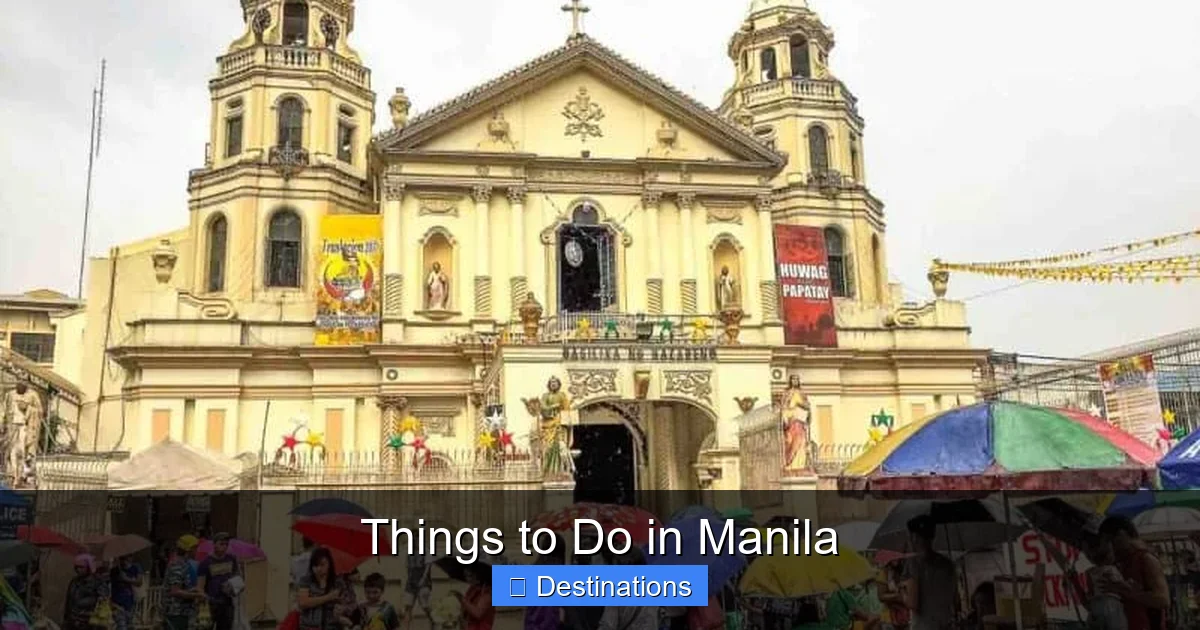
If you’re a foodie, Manila will blow your taste buds away. The city’s street food culture is world-renowned, offering everything from savory skewers to sweet tropical treats. You’ll find food carts lining the streets, especially in areas like Quiapo, Divisoria, and Binondo.
Best Stay Deals Available
Compare prices across top booking platforms and find the best deal for your stay.
Check Available RoomsMust-Try Filipino Dishes
- Adobo: The Philippines’ unofficial national dish—tender chicken or pork braised in vinegar, soy sauce, and garlic.
- Halo-Halo: A colorful dessert made with crushed ice, sweetened beans, fruits, and topped with leche flan and ube ice cream.
- Balut: For adventurous eaters, this is a fertilized duck egg with a partially developed embryo—best enjoyed with a splash of vinegar.
For the best street food experience, visit Quiapo Market or Manila’s night markets in Malate and Ermita. These areas come alive after 6 PM, with vendors selling everything from fresh fruit shakes to grilled squid. Just be sure to check the hygiene standards—look for busy stalls with long lines, as they often mean freshness and quality.
Experience Modern Manila in Bonifacio Global City (BGC)
Visual guide about Things to Do in Manila
Image source: a.cdn-hotels.com
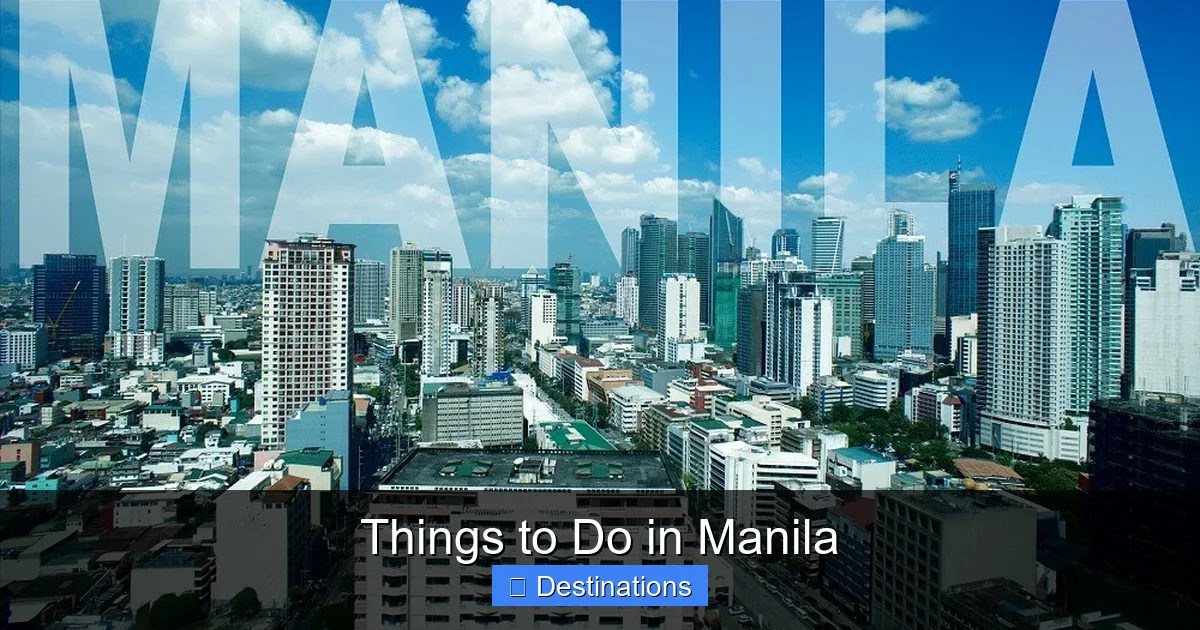
While Manila has deep historical roots, its modern side shines brightest in Bonifacio Global City, a sleek urban district known for its upscale dining, shopping, and nightlife. BGC is where locals go to relax, making it a great spot to experience Manila’s contemporary lifestyle.
Top Activities in BGC
- Shop at The Podium or Serendra: These malls offer international brands, artisanal goods, and beautiful indoor gardens.
- Enjoy Rooftop Drinks: Bars like High Society and Barrio Fiesta offer skyline views and creative cocktails.
- Walk the Mind Museum: A hands-on science museum that’s fun for all ages—perfect for families or curious minds.
BGC is also home to green spaces like Fort Bonifacio High Street, where you can sit at a sidewalk café, people-watch, and soak in the city vibe. It’s a peaceful escape from Manila’s chaos and a great example of how the city blends tradition with modernity.
Dive Into Culture at the National Museum and Cultural Center
Visual guide about Things to Do in Manila
Image source: taraletsanywhere.com
Manila is a treasure trove of art, history, and culture. The Cultural Center of the Philippines (CCP) and National Museum of Fine Arts are must-visits for anyone wanting to understand the Philippines’ rich heritage.
Highlights to Explore
- National Museum Complex: Includes the Natural History Museum, Anthropology Museum, and the National Art Gallery.
- CCP’s Performance Halls: Check the schedule for Filipino dance, theater, and music performances.
- Metropolitan Museum of Manila: Focuses on contemporary and modern Filipino art.
These institutions offer free or low-cost entry, making them accessible for travelers on any budget. Many also host rotating exhibitions, so even repeat visitors will find something new. Pro tip: Visit on weekdays to avoid crowds and enjoy a more relaxed experience.
Relax at Manila Bay and Sunset Boulevard
After a day of exploring, there’s no better way to unwind than at Manila Bay. The bayfront promenade, also known as Sunset Boulevard, is a popular gathering spot for locals and tourists alike. At sunset, the skyline glows with golden light, and you can watch the Manila Baywalk come alive with families, joggers, and street vendors.
Things to Do at Manila Bay
- Watch the Sunset: The best views are from the baywalk, especially near the SM Mall of Asia or Blue Marine Park.
- Try Local Snacks: Vendors sell kikiam, chicharon, and mangoes along the promenade.
- Visit Blue Marine Park: A floating restaurant and entertainment zone with live music and ocean views.
While the bay has faced environmental challenges, ongoing cleanup efforts are making it more welcoming. It’s still a great place to enjoy the city’s skyline and get a taste of Manila’s laid-back evening culture.
Shop Till You Drop in Divisoria and Quiapo
For bargain hunters and lovers of local goods, Manila’s shopping districts are unbeatable. Divisoria, often called the “Garri” of Manila, is the city’s largest marketplace, known for affordable clothing, electronics, and accessories. Nearby, Quiapo offers everything from religious items to fresh produce.
Shopping Tips
- Bargain Politely: Always negotiate—most prices are flexible, especially in Divisoria.
- Visit Early: The best deals are found in the morning when vendors are setting up.
- Try Local Brands: Look for handmade bags, jewelry, and clothing from Filipino designers.
While the environment can be crowded and chaotic, the energy of these markets is infectious. It’s a great way to experience local life and pick up unique souvenirs. Just be prepared for crowds and bring cash—most small vendors don’t accept cards.
Enjoy Nightlife in Ermita and Malate
Manila’s nightlife scene is vibrant and diverse, with options for every mood. The Ermita and Malate districts are the heart of Manila’s entertainment area, known for their bars, restaurants, and live music venues.
Nightlife Highlights
- Live Music at The Blackbird: A cozy bar with a great selection of craft beers and live bands.
- Dance at Club 808: A popular spot for local DJs and themed parties.
- Drink at a Rooftop Bar: Try Sky Garden in Makati for panoramic city views.
These areas are especially lively on weekends. Whether you’re into karaoke, cocktails, or just people-watching, Ermita and Malate offer a true taste of Manila’s night culture. Just be mindful of your surroundings and stick to well-lit, busy streets.
Frequently Asked Questions
What are the top attractions in Manila?
Intramuros, Rizal Park, Bonifacio Global City, and the Cultural Center of the Philippines are among the most popular. These sites offer a mix of history, culture, and modern fun.
Are there free things to do in Manila?
Yes! Rizal Park, Intramuros (some areas), and the National Museum offer free entry on certain days. Many parks and baywalks are also free to visit.
Is Manila expensive to visit?
Manila is relatively affordable compared to other major Asian cities. Street food costs as little as $1, while mid-range restaurants are around $5–$10 per meal.
How many days should I spend in Manila?
At least 3–4 days is ideal to explore major attractions, enjoy food, and experience both historic and modern Manila.
What is the best way to experience local culture?
Visit local markets, attend a cultural show at the CCP, and try home-cooked meals with locals or at a Filipino restaurant in Binondo or Quiapo.
Can I take photos in Manila?
Yes, but be respectful—ask before photographing people, especially in religious sites or local neighborhoods. Some museums may restrict photography.