
Nagano transforms into a winter wonderland during the colder months, offering a mix of outdoor adventures, cultural experiences, and relaxing retreats. Whether you’re hitting the slopes, soaking in onsen, or visiting ancient shrines, this prefecture delivers unforgettable moments in every season. From Mount Ontake hikes to Zenko-ji Temple visits, Nagano’s winter charm is unmatched. Plan your trip with insider tips and local secrets for a truly magical experience.
Nestled in the heart of Japan’s mountainous Chubu region, Nagano Prefecture is a winter paradise that blends natural beauty with rich cultural heritage. When the first snowflakes begin to fall, the landscape transforms into a serene, snow-dusted wonderland. Unlike the bustling ski destinations of Hokkaido, Nagano offers a more intimate and authentic winter experience—perfect for travelers seeking adventure, relaxation, and cultural immersion all in one trip.
Check the latest prices and available rooms before they sell out.
Whether you’re a thrill-seeker craving powder snow or a traveler looking to unwind in a tranquil onsen, Nagano delivers. The prefecture is especially famous for hosting the 1998 Winter Olympics, which put its world-class ski resorts on the map. But beyond the slopes, Nagano’s winter charm lies in its quiet temples, steaming hot springs, and cozy mountain villages where tradition meets the season’s magic.
Key Takeaways
- World-class skiing and snowboarding: Nagano is home to resorts like Hakuba and Shiga Kogen, offering slopes for all skill levels.
- Relax in natural hot springs: Onsen towns such as Nozawa Onsen and Yudanaka provide serene winter escapes with geothermal warmth.
- Explore historic temples and shrines: Visit Zenko-ji in Nagano City and the snow-laden trails of Myoko-Higashiyama.
- Enjoy winter festivals: Experience the famous Jigokudani Monkey Park snow monkeys and the Nagano Snow Festival.
- Try local winter cuisine: Savor dishes like soba noodles, hot pot, and sake paired with seasonal ingredients.
- Access via Tokyo: Easily reachable by train or bus, Nagano makes a perfect day trip or weekend getaway from Japan’s capital.
Quick Answers to Common Questions
Is Nagano easy to visit from Tokyo?
Yes, Nagano is just a 1.5-hour Shinkansen ride from Tokyo, making it a perfect weekend getaway for both locals and tourists.
What’s the best time to see snow monkeys?
Early morning or late afternoon in January and February offers the best chances to see Jigokudani Snow Monkeys soaking in hot springs.
Are there family-friendly ski areas?
Absolutely. Nozawa Onsen and Hakuba have slopes suitable for beginners and children, with gentle runs and ski schools for kids.
Can I visit onsen with tattoos?
It varies by location. Some onsen are tattoo-friendly, while others may require covering them. Check policies in advance or look for tattoo-friendly facilities.
What should I pack for a winter trip to Nagano?
Layered clothing, waterproof boots, thermal wear, gloves, a scarf, and a camera. Don’t forget warm socks and a reusable water bottle.
📑 Table of Contents
Hit the Slopes at World-Class Ski Resorts
If you’re dreaming of carving through fresh powder, Nagano is the place to be. The prefecture boasts some of Japan’s most renowned ski resorts, each offering stunning alpine scenery and top-notch facilities.
Find the Best Accommodation Deals
Compare prices from multiple booking platforms and find the best option for your stay.
Compare Hotel PricesHakuba Valley: The Winter Sports Hub
Just a two-hour train ride from Tokyo, Hakuba is a favorite among international visitors. With eight interconnected ski areas, Hakuba caters to beginners and experts alike. The resort hosted several events during the 1998 Winter Olympics, and today, it’s known for its wide, groomed runs and reliable snow conditions. Don’t miss the scenic chairlift ride to the top of Happo-One, where panoramic views of the Northern Alps await.
Shiga Kogen: Japan’s Largest Ski Area
Covering over 20 ski fields, Shiga Kogen is the biggest winter destination in Japan. Located near the town of Togakushi, it’s ideal for families and groups. The area is especially magical during the early morning hours, when the sun rises over the snow-covered peaks. For a unique experience, try night skiing at one of the smaller fields—there’s nothing quite like gliding through the quiet, moonlit slopes.
Find the Best Accommodation Deals
Compare prices from multiple booking platforms and discover the best stay options available.
⭐ Trusted by thousands of travelers
💰 Budget to luxury options available
Nozawa Onsen: Skiing with a Side of Onsen
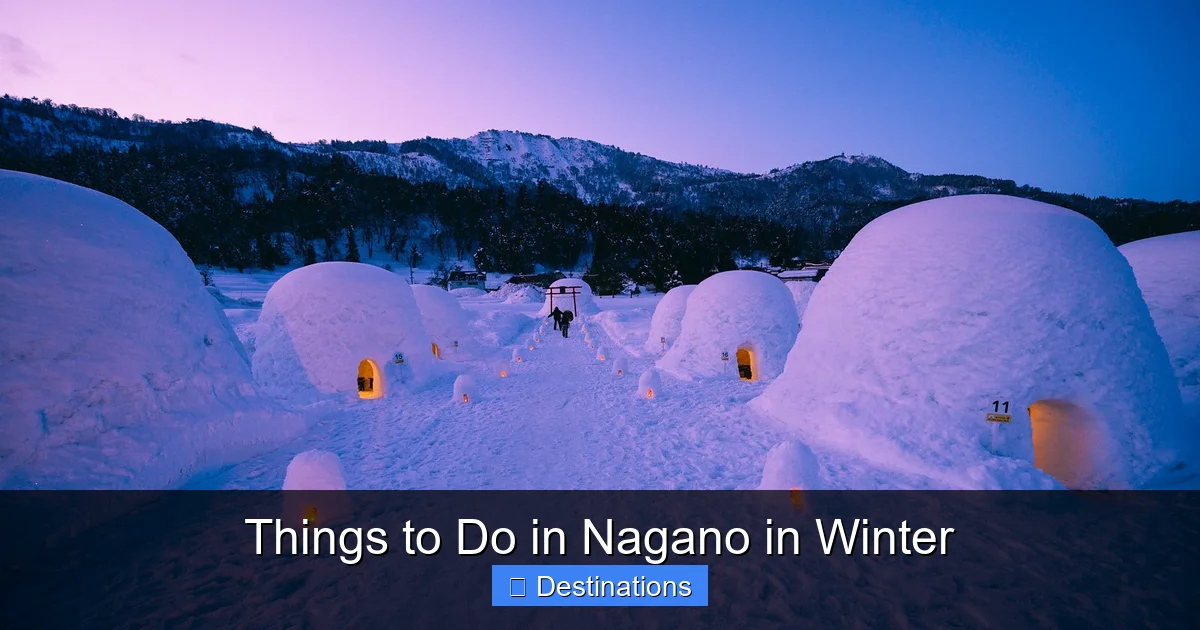
This charming village isn’t just for skiers—it’s also one of Japan’s most famous onsen towns. After a day on the slopes, soak in natural hot springs while watching snow fall gently outside your window. Nozawa Onsen is compact and walkable, with slopes suitable for all levels. Plus, the annual Snow Lantern Festival in February adds a touch of tradition and warmth to the winter landscape.
Soak in Natural Hot Springs (Onsen)
Visual guide about Things to Do in Nagano in Winter
Best Stay Deals Available
Compare prices across top booking platforms and find the best deal for your stay.
Check Available RoomsImage source: go-nagano.net
One of the most beloved winter activities in Nagano is relaxing in an onsen—a traditional Japanese hot spring bath. The prefecture is dotted with over 300 onsen sources, many nestled in peaceful mountain settings.
Jigokudani Monkey Park: Snow Monkeys in the Wild
Located near the town of Yudanaka, Jigokudani is home to wild Jigokudani Snow Monkeys, who famously bathe in hot springs even in freezing temperatures. Visit early in the morning or late afternoon for the best chance to see these adorable creatures soaking in the natural steam vents. The walk through the snow-covered forest trail is peaceful and Instagram-worthy.
Yudanaka Onsen: Traditional Ryokan Experience
Stay at a traditional ryokan in Yudanaka, where you can enjoy private or public onsen baths made from mineral-rich waters. Many ryokans offer all-inclusive packages with kaiseki dinners, allowing you to fully immerse yourself in Japanese hospitality. The cozy atmosphere, warm blankets, and steaming bowls of soba make this a winter must-do.
Nozawa Onsen: Village of Steam and Snow
Nozawa Onsen is unique because the entire village is built around natural hot springs. The water flows into public baths, private rooms, and even outdoor baths with mountain views. The onsen here is said to help with muscle pain and joint stiffness—perfect after a long day on the slopes.
Explore Historic Temples and Cultural Sites
Visual guide about Things to Do in Nagano in Winter
Image source: tripsavvy.com
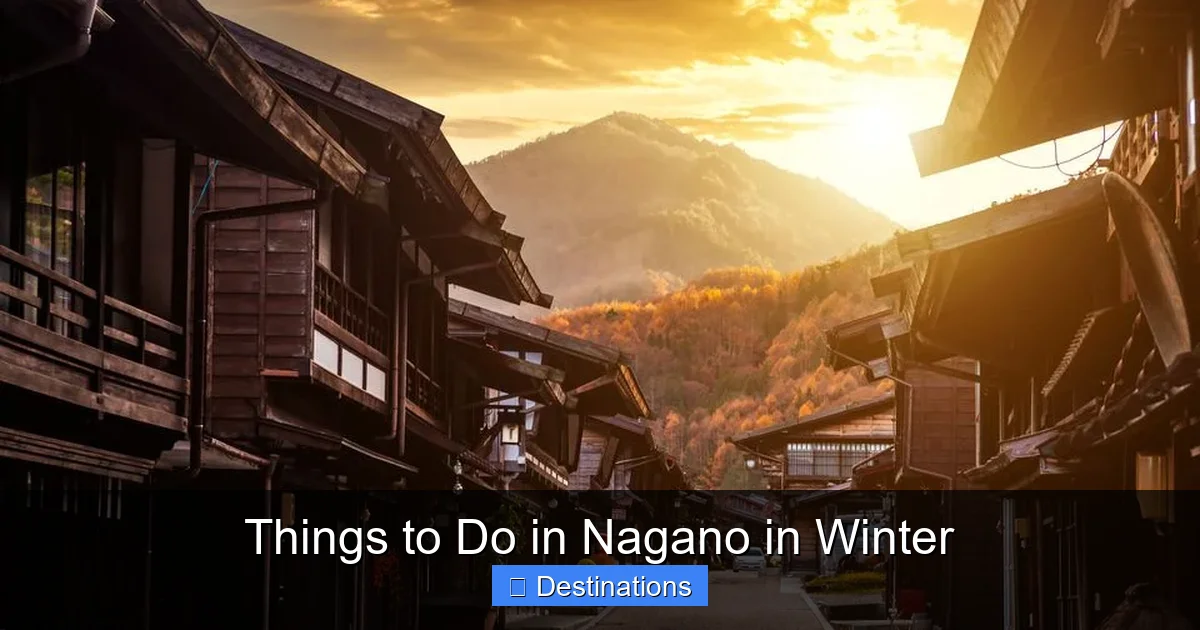
Nagano is steeped in history, with over 1,000 temples and shrines scattered across the prefecture. Winter adds a special mystique to these ancient sites, as snow blankets the rooftops and grounds in quiet beauty.
Zenko-ji Temple: The Heart of Nagano
Founded in the 7th century, Zenko-ji is one of Japan’s most important Buddhist temples. Located in Nagano City, it’s a spiritual center for locals and visitors alike. In winter, the temple grounds are especially serene, with snow-covered stone lanterns and quiet meditation halls. The temple also hosts the annual Zenkoji Festival in February, featuring traditional music, food stalls, and lantern lighting.
Myoko-Higashiyama: Snow-Capped Sacred Mountains
For a spiritual winter hike, visit Myoko-Higashiyama, a UNESCO World Heritage site. The trails are less crowded in winter, offering peaceful views of snow-laden cedar trees and frozen waterfalls. The highlight is the hike to Myokoji Temple, where you can enjoy panoramic views of the Northern Alps. Be sure to dress warmly and wear sturdy boots—winter hiking here is both challenging and rewarding.
Nagano Castle: A Fortress Frozen in Time
Built in the 16th century, Nagano Castle sits atop a hill in the city center. In winter, the castle’s stone walls and moat are dusted with snow, creating a picturesque scene. The surrounding park is perfect for a peaceful walk, and the castle museum offers insights into the region’s feudal history.
Enjoy Winter Festivals and Local Events
Visual guide about Things to Do in Nagano in Winter
Image source: tripsavvy.com
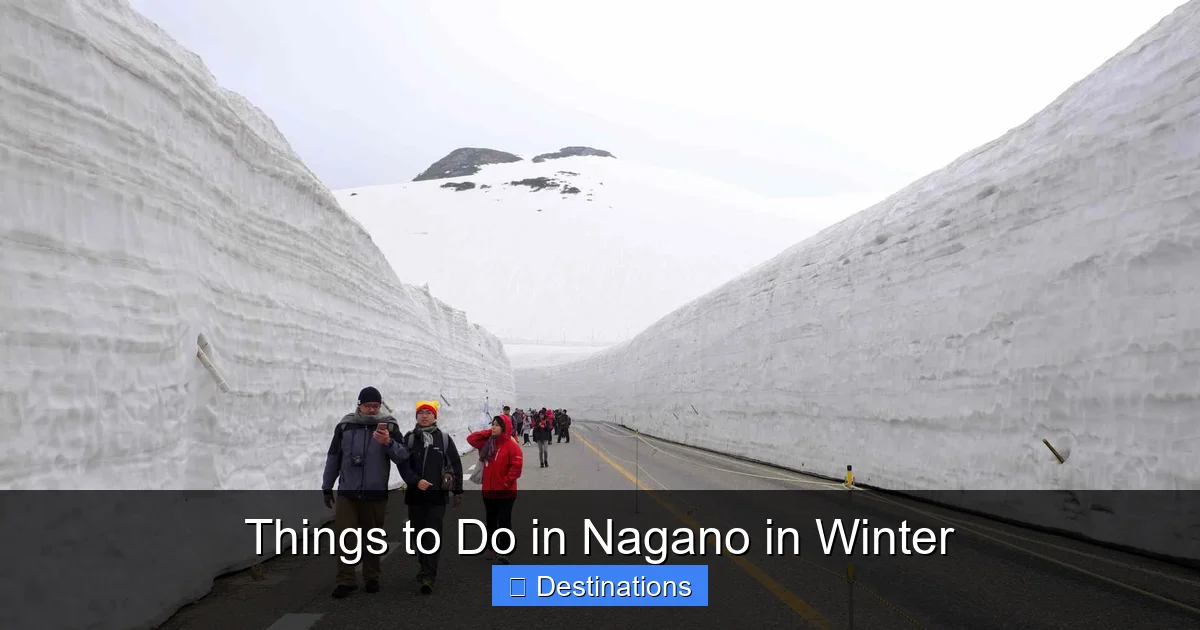
Nagano’s winter calendar is filled with vibrant festivals that celebrate the season’s beauty and traditions.
Jigokudani Snow Monkey Festival
Held every January, this festival celebrates the famous monkeys who bathe in the hot springs. Visitors can enjoy live music, local crafts, and warm sake while watching the snow monkeys go about their daily routines. It’s a family-friendly event that captures the spirit of winter in Nagano.
Nozawa Onsen Snow Lantern Festival
From late January to early February, Nozawa Onsen lights up with hundreds of hand-carved snow lanterns. The festival transforms the village into a magical winter wonderland, with lantern-lit streets and traditional performances. It’s a perfect romantic evening or a memorable experience for kids.
Zenkoji Temple Festival
One of Japan’s three great festivals, the Zenkoji Festival takes place in February and attracts thousands of visitors. The event features a grand procession of priests carrying sacred treasures, traditional dance, and food stalls serving local delicacies. It’s a deep dive into Shinto traditions and Nagano’s spiritual heart.
Indulge in Winter Cuisine
Winter in Nagano isn’t complete without trying the local cuisine, which is hearty, warming, and deeply rooted in seasonal ingredients.
Hot Soba Noodles
A winter staple, hot soba (buckwheat noodles) are served in a savory broth with green onions and tempura. In Nagano, you’ll find soba shops in almost every town, often run by local families. Pair it with a cup of sake for a truly authentic experience.
Yudofu: Tofu Hot Pot
Located near Jigokudani, Yudofu is a simple yet delicious dish made from simmered tofu in hot water, often with dipping sauces. It’s a healthy, warming meal that reflects Nagano’s agricultural heritage. Many onsen ryokans serve yudofu as part of their traditional kaiseki meals.
Wagyu Beef and Soba Bowl
For a luxurious winter meal, try a wagyu beef and soba bowl at a local restaurant. The rich, marbled beef paired with cold soba creates a perfect contrast of flavors and temperatures. It’s a favorite among foodies visiting Nagano.
Hot Sake and Local Sake
Nagano is famous for its high-quality sake, made from pure mountain water. Visit a local brewery in Nagano City or Nozawa Onsen to sample different varieties. Warm sake (atami-jouzu) is especially comforting on a cold day.
Plan Your Winter Trip to Nagano
Getting to Nagano is easy, thanks to Japan’s efficient rail network. The Hokuriku Shinkansen from Tokyo takes about 1.5 hours to Nagano Station, with onward connections to ski resorts and onsen towns.
Best Time to Visit
The best time for skiing and snow activities is from December to March. For fewer crowds and lower prices, consider visiting in late January or February. If you’re interested in festivals, plan around the Zenkoji Festival in February.
Where to Stay
Choose from luxury ryokans, budget-friendly guesthouses, or ski-in/ski-out lodges. Popular areas include Hakuba, Nozawa Onsen, and Nagano City. Book early, especially during peak season.
Packing Tips
Layer up! Bring thermal underwear, waterproof boots, gloves, a warm hat, and a scarf. Even in winter, Nagano can be dry and cold, so moisture-wicking fabrics are essential. Don’t forget your camera—winter in Nagano is picture-perfect.
Safety and Etiquette
When visiting onsen, remember to wash thoroughly before entering the bath. Tattoos may be frowned upon in some public baths, so check policies in advance. Always follow trail signs during hikes, and be cautious on icy roads.
Transportation Tips
Consider purchasing a Nagano Wide Pass or a JR Pass for unlimited train travel. Local buses connect major ski resorts and onsen towns, but advance booking is recommended during winter.
Language and Communication
While English is spoken in tourist areas, learning a few basic Japanese phrases can go a long way. Download a translation app and carry a phrasebook just in case.
Sustainable Travel
Support local businesses by buying from family-run soba shops, staying at family-owned ryokans, and respecting natural sites. Avoid littering and follow Leave No Trace principles on hikes.
Travel Insurance
Always carry travel insurance that covers winter sports and medical emergencies. Check if your policy includes onsen-related injuries or altitude sickness.
Currency and Payments
The Japanese yen is the local currency. While many places accept credit cards, it’s wise to carry cash, especially in smaller onsen towns. ATMs at convenience stores and post offices accept foreign cards.
Weather Preparedness
Winter temperatures in Nagano range from -5°C to 5°C (23°F to 41°F), but wind chill can make it feel colder. Check the forecast before heading out, especially for hikes or ski trips.
Connectivity
Free Wi-Fi is available in many ryokans, hotels, and tourist spots. Consider renting a pocket Wi-Fi device for seamless navigation and sharing your adventures.
Local Customs
Remove your shoes when entering homes, ryokans, and some temples. Bow slightly when greeting, and avoid loud behavior in onsen and temples. Tipping is not expected in Japan.
Health and Wellness
Stay hydrated and warm. Onsen baths are relaxing, but don’t stay in too long if you’re not used to high temperatures. If you have heart conditions, consult a doctor before visiting high-altitude areas.
Photography Tips
Golden hour offers the best lighting for winter landscapes. Use a polarizing filter to enhance snow reflections and bring a tripod for long-exposure shots of frozen waterfalls or temple lanterns.
Family-Friendly Activities
Nagano is great for families. Kids can enjoy sledding in Nozawa Onsen, feeding snow monkeys, and visiting the Nagano Prefectural Museum. Many ryokans offer child-friendly meals and activities.
Pet-Friendly Options
Check with your accommodation—some ryokans and hotels allow pets. Bring supplies like food, bedding, and waste bags. Not all trails and onsen are pet-friendly, so plan accordingly.
Accessibility
Many major attractions are wheelchair accessible, but some mountain trails may be challenging. Contact facilities in advance for assistance.
Nightlife
Winter nights in Nagano are quiet and cozy. Enjoy warm drinks at a local bar, attend a traditional performance, or stargaze from your ryokan balcony.
Shopping
Pick up local souvenirs like soba noodles, sake, handcrafted lanterns, and regional sweets. The Nagano Prefectural Government Building offers free admission and a view of the city.
Volunteer Opportunities
Consider joining a local clean-up or conservation project during your stay. Many organizations welcome short-term volunteers in winter.
Emergency Contacts
Dial 119 for ambulance or fire services, and 110 for police. Save the local tourism hotline number for assistance.
Local News and Updates
Check websites like Nagano Tourism or the official prefecture site for weather alerts, trail conditions, and festival updates.
Digital Detox
Embrace the slower pace. Unplug and enjoy the quiet beauty of winter in Nagano—it’s a great way to recharge.
Final Thoughts
Nagano in winter is more than just snow and slopes. It’s about connection—to nature, culture, and yourself. Whether you’re skiing under the Northern Alps, sipping hot sake by a crackling fire, or meditating in a snow-dusted temple, every moment feels intentional and meaningful.
Plan your trip with care, respect the local customs, and leave room for spontaneity. Nagano doesn’t rush—it invites you to slow down and savor the season.
Frequently Asked Questions
What is the best time to visit Nagano in winter?
December to March is ideal for skiing and snow activities. Late January and February offer fewer crowds and reliable snow conditions. If you want to attend festivals, plan around the Zenkoji Festival in February.
How do I get to Nagano from Tokyo?
Take the Hokuriku Shinkansen from Tokyo Station to Nagano Station in about 1.5 hours. From there, local trains and buses connect to ski resorts and onsen towns. A Japan Rail Pass can save money if you plan to travel extensively.
Are there any free things to do in Nagano in winter?
Yes! Visit Zenko-ji Temple, walk through Nagano Castle grounds, or explore the snow-laden trails around Myoko-Higashiyama. Many public baths in onsen towns are affordable or free for residents, and some festivals offer free admission to certain events.
Is it safe to hike in Nagano during winter?
Yes, but with precautions. Trails like those at Myoko-Higashiyama are safe if you wear proper boots and dress in layers. Check weather and trail conditions beforehand. Avoid hiking alone and always carry emergency supplies.
What local foods should I try in Nagano?
Don’t miss hot soba noodles, yudofu (tofu hot pot), wagyu beef, and local sake. Many ryokans serve traditional kaiseki meals featuring seasonal ingredients. Soba is especially popular in winter for its warming effect.
Can I ski and soak in onsen on the same day?
Absolutely! Nozawa Onsen and Yudanaka are perfect examples. After a morning or afternoon of skiing, relax in natural hot springs just minutes away. Many ryokans offer ski storage and shuttle services.