
Qinghai is a hidden gem in China’s northwest, offering stunning natural landscapes, rich Tibetan culture, and unforgettable outdoor adventures. Whether you’re hiking the shores of Qinghai Lake or exploring ancient monasteries, this region delivers a unique blend of spirituality and scenery. From wildlife spotting to hot spring soaks, Qinghai promises an experience unlike any other.
Nestled in the northeastern part of the Tibetan Plateau, Qinghai is a region of dramatic contrasts—where endless grasslands meet towering snow-capped mountains, and turquoise lakes shimmer under the vast blue sky. Known as the “Source of the Three Rivers,” Qinghai is home to the headwaters of the Yellow, Yangtze, and Lancang (Mekong) Rivers, making it a vital ecological zone. This remote yet stunning province in China offers travelers a chance to step off the beaten path and into a world of natural wonder and cultural depth.
Check the latest prices and available rooms before they sell out.
Unlike the bustling cities of eastern China, Qinghai remains largely untouched by mass tourism. Here, you’ll find serene monasteries nestled in mountain valleys, herds of wild yaks grazing on alpine meadows, and skies so clear you can see for miles. Whether you’re an adventure seeker, a culture enthusiast, or someone simply looking to disconnect from the modern world, Qinghai delivers an experience that’s both humbling and exhilarating.
Key Takeaways
- Visit Qinghai Lake: The largest saltwater lake in China, perfect for cycling, birdwatching, and witnessing mesmerizing sunrises.
- Explore the Qilian Mountains: Ideal for trekking, climbing, and discovering alpine lakes like Chaka Salt Lake.
- Experience Tibetan Culture: Discover vibrant monasteries such as Kumbum and attend traditional festivals like Shoton.
- Spot Rare Wildlife: Look for wild yaks, Tibetan antelopes, and black-necked cranes in their natural habitat.
- Relax in Natural Hot Springs: Unwind in therapeutic waters near places like Datong Hot Springs.
- Photograph Dramatic Landscapes: Capture the surreal beauty of salt flats, grasslands, and snow-capped peaks.
Quick Answers to Common Questions
What is the best time to visit Qinghai?
June to September is ideal, with mild weather, blooming grasslands, and clear skies perfect for outdoor activities.
Is it safe to travel in Qinghai as a solo traveler?
Yes, Qinghai is generally safe for solo travelers, especially around major sites like Xining and Qinghai Lake. Just stay informed about local conditions.
Can I see wild animals in Qinghai?
Absolutely. Look for wild yaks, Tibetan antelopes, and black-necked cranes, especially around Qinghai Lake and the Qilian Mountains.
Do I need a guide to explore Qinghai?
Not always, but hiring a local guide can enhance your experience, especially for wildlife spotting, cultural insights, and navigating remote areas.
Are there any cultural restrictions to be aware of?
Yes. When visiting monasteries, dress modestly, avoid pointing feet at religious objects, and ask permission before photographing people or rituals.
📑 Table of Contents
Explore Qinghai Lake: Nature’s Grand Canvas
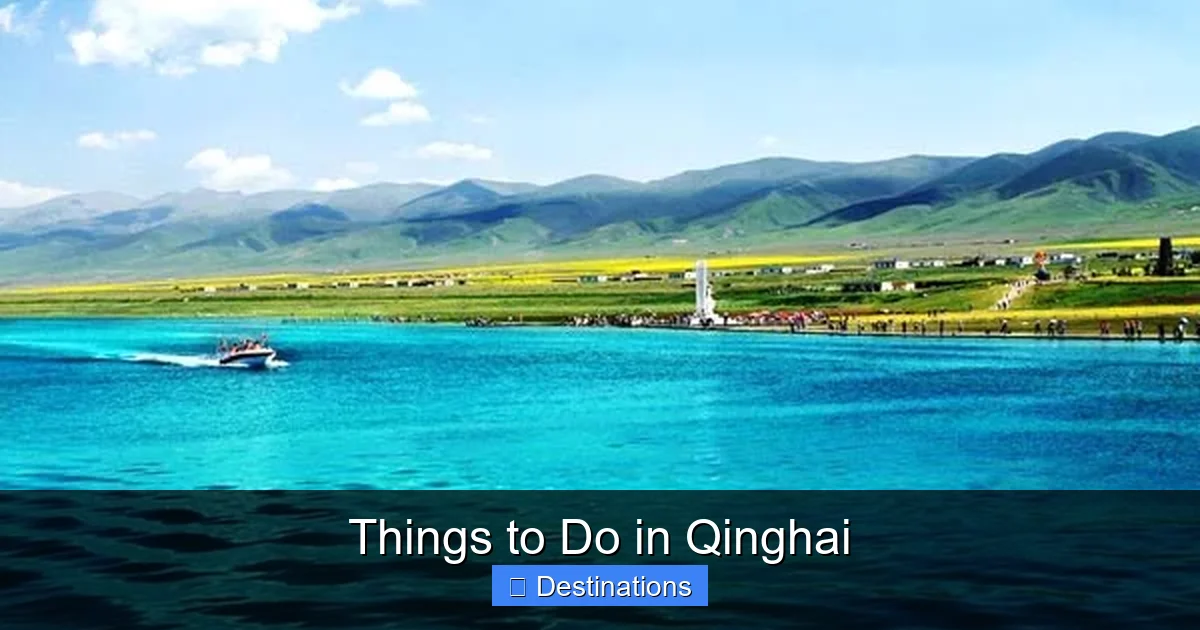
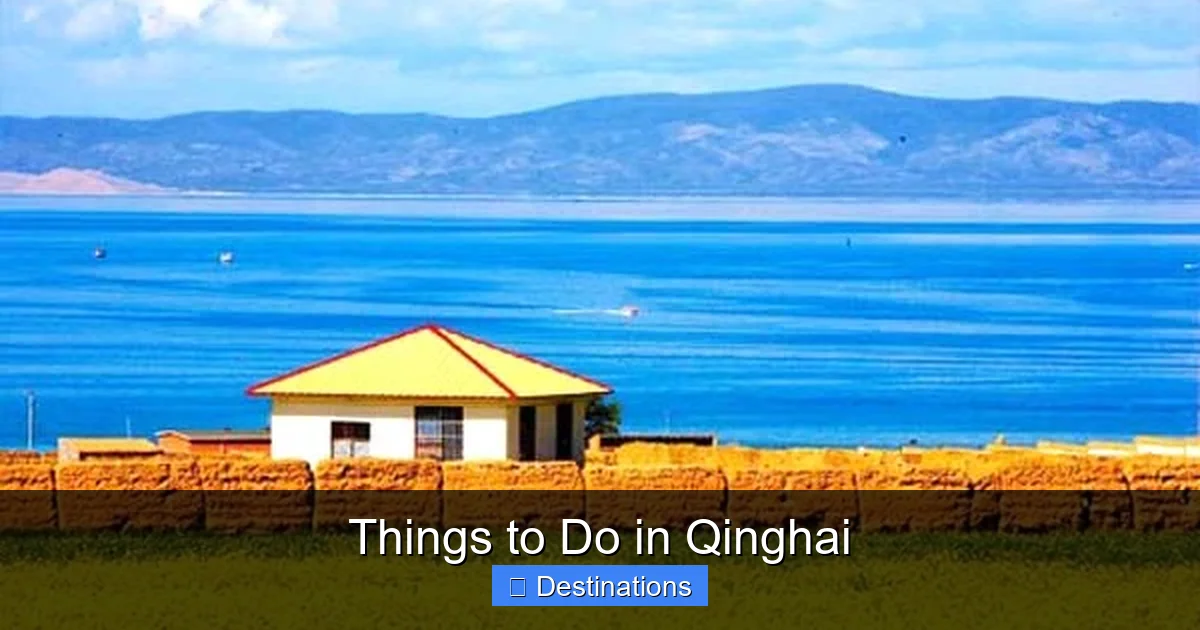
No visit to Qinghai is complete without experiencing the majesty of Qinghai Lake. As the largest saltwater lake in China, it stretches over 1,600 square kilometers and lies at an altitude of 3,200 meters. The lake’s cobalt-blue waters reflect the surrounding snow-capped mountains and endless skies, creating a scene that feels almost otherworldly.
Find the Best Accommodation Deals
Compare prices from multiple booking platforms and find the best option for your stay.
Compare Hotel PricesOne of the best ways to experience Qinghai Lake is by cycling around its perimeter. The 360-kilometer route takes you through rolling grasslands, small villages, and past grazing yaks. Early mornings are ideal for spotting rare black-necked cranes, which migrate here from Siberia each spring. Don’t miss the chance to watch the sunrise from Xihai Mila Mountain, where the first rays of light illuminate the lake in golden hues.
Best Time to Visit
The best time to visit Qinghai Lake is from June to September, when the weather is mild and wildflowers blanket the grasslands. Summer is also when the annual Qinghai Lake International Cycling Race takes place, drawing athletes from around the world.
Find the Best Accommodation Deals
Compare prices from multiple booking platforms and discover the best stay options available.
⭐ Trusted by thousands of travelers
💰 Budget to luxury options available
Local Tip
Bring layers—temperatures can drop dramatically at night, even in summer. Also, consider hiring a local guide to help you spot wildlife and navigate the less-traveled routes.
Trek Through the Qilian Mountains
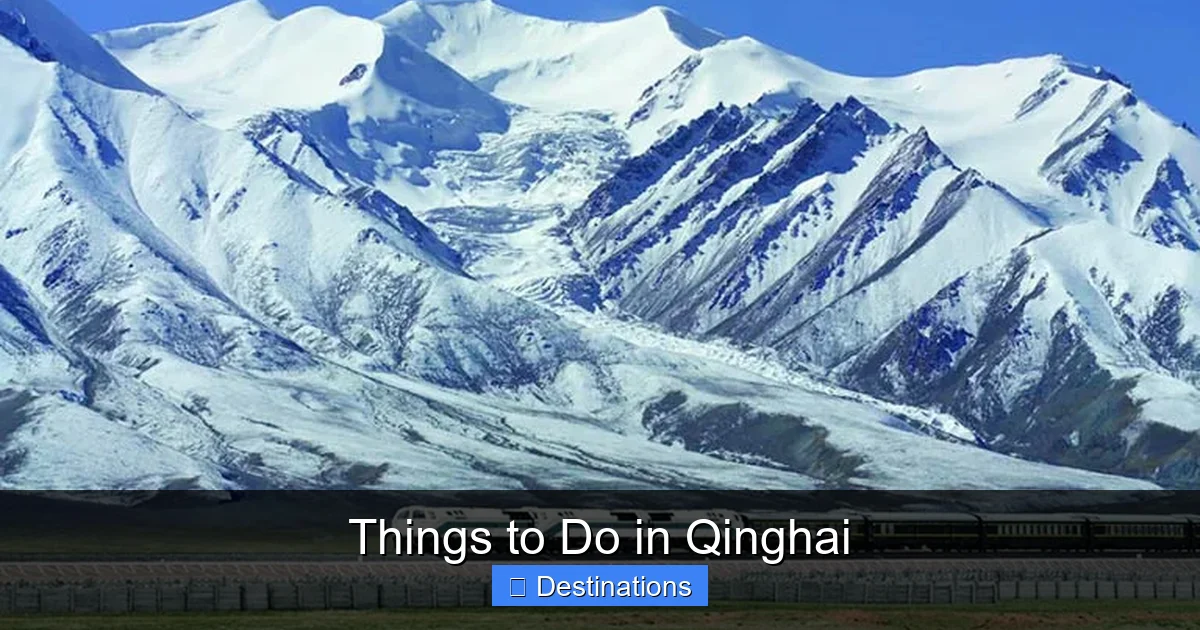
The Qilian Mountains form a natural border between Qinghai and neighboring Gansu province. These rugged peaks rise sharply from the plateau, creating a dramatic backdrop for hiking, climbing, and photography. The mountains are dotted with alpine lakes, glacial streams, and ancient forests, offering endless opportunities for exploration.
A popular trekking route leads to Qinghai Lake’s northern shore, where you can hike to scenic viewpoints and camp under the stars. For a shorter adventure, try the trail to Chaka Salt Lake, a surreal mirror lake that reflects the sky like a giant glass surface. The journey from Xining takes about 2–3 hours by car, and the surreal beauty makes it a favorite among photographers.
Best Stay Deals Available
Compare prices across top booking platforms and find the best deal for your stay.
Check Available RoomsWildlife Spotting
Keep your eyes peeled for wild yaks, Tibetan gazelles, and even the elusive snow leopard in remote areas. Birdwatchers will love spotting bar-headed geese and swans migrating over the high-altitude lakes.
Visual guide about Things to Do in Qinghai
Image source: chinadiscovery.com
Discover Tibetan Culture in Ancient Monasteries
Qinghai is deeply intertwined with Tibetan Buddhism, and its monasteries are centers of spiritual life and cultural heritage. Kumbum Monastery, also known as Ta’er Temple, is one of the most important religious sites in the region. Founded in the 1580s, it houses stunning murals, thangka paintings, and a sacred statue of Buddha.
Another must-visit is Xiahe Monastery in Tongren, which dates back over 600 years. Its distinctive red-and-white buildings blend harmoniously with the surrounding mountains. Visitors can witness monks chanting prayers, participate in prayer flag ceremonies, or simply soak in the peaceful atmosphere.
Cultural Etiquette
When visiting monasteries, dress modestly and avoid pointing your feet toward religious objects. Always ask for permission before taking photos of monks or religious rituals.
Visual guide about Things to Do in Qinghai
Image source: chinadiscovery.com
Wander Through Endless Grasslands
Qinghai’s grasslands, known as maquis, stretch as far as the eye can see. These high-altitude meadows are blanketed with wildflowers in summer and dotted with yak herds year-round. The Huangyuan Grassland near Xining is a favorite among locals and travelers alike, offering panoramic views and horseback riding opportunities.
For a deeper cultural experience, visit a Tibetan nomad family. Many families welcome guests into their traditional tents, where you can enjoy tsampa (roasted barley flour), yak butter tea, and stories about nomadic life. This is a rare chance to step into a world that has remained largely unchanged for centuries.
Seasonal Highlights
- Spring: Wildflowers bloom, and migratory birds return to Qinghai Lake.
- Summer: The grasslands are lush, and temperatures are mild.
- Autumn: Crisp air and golden hues make it ideal for photography.
- Winter: Snow-covered landscapes offer a serene, quiet beauty.
Relax in Natural Hot Springs
After days of hiking and exploring, there’s no better way to unwind than in Qinghai’s natural hot springs. Datong Hot Springs near Xining are especially popular, with mineral-rich waters believed to have healing properties. The springs are nestled in a forested area, offering privacy and tranquility.
Another option is the Huangyuan Hot Springs, located near the grasslands. These sulfur-rich waters are perfect for soaking tired muscles while enjoying views of grazing yaks in the distance.
Health Benefits
The high mineral content in these waters may help with joint pain, skin conditions, and circulation. Just be sure to stay hydrated and avoid soaking too long.
Visual guide about Things to Do in Qinghai
Image source: chinadiscovery.com
Photography and Stargazing in the High Plateau
Qinghai’s low light pollution and high altitude make it one of the best places in China for stargazing. On clear nights, the Milky Way arcs across the sky like a shimmering river. The Qaidam Basin near Golmud is a favorite spot for astrophotographers.
For landscape photography, early morning and late afternoon light—known as the “golden hour”—transforms the grasslands and lakes into a painter’s dream. The Mirror Lake (Chaka Salt Lake) is especially magical during these times, with its perfect reflections creating the illusion of floating on clouds.
Photography Tips
- Use a tripod for long-exposure shots of lakes and skies.
- Bring a polarizing filter to reduce glare on water surfaces.
- Dress in layers—cold temperatures can affect camera batteries.
Conclusion
Qinghai is a destination that rewards curiosity and a sense of adventure. From the shimmering shores of Qinghai Lake to the spiritual serenity of ancient monasteries, every corner of this province tells a story. Whether you’re cycling through grasslands, trekking in the mountains, or simply watching the sunset over a salt flat, Qinghai offers moments of awe that stay with you long after you leave.
What sets Qinghai apart is its untouched beauty and deep cultural roots. Unlike more commercialized tourist destinations, it invites you to slow down, breathe deeply, and connect with nature and tradition in equal measure. Whether you’re planning a short trip or a longer expedition, Qinghai promises an experience that’s as enriching as it is unforgettable.
Frequently Asked Questions
What is the main attraction in Qinghai?
Qinghai Lake is the crown jewel of the region, offering stunning scenery, cycling routes, and wildlife viewing opportunities. It’s the largest saltwater lake in China and a must-see.
How do I get to Qinghai from other parts of China?
The easiest way is by flight to Xining Caojiabao International Airport, which connects to major cities like Beijing, Shanghai, and Chengdu. From there, trains and buses serve most major destinations in Qinghai.
Is the altitude a concern for visitors?
Yes. Many areas in Qinghai are over 3,000 meters above sea level. Visitors should allow time to acclimate, stay hydrated, and avoid overexertion during the first few days.
What should I pack for a trip to Qinghai?
Pack layers, a warm jacket, sunscreen, sunglasses, and sturdy hiking shoes. Don’t forget a camera, power bank, and altitude sickness medication if you’re prone to it.
Are there vegetarian food options in Qinghai?
While traditional Tibetan cuisine is meat-heavy, most towns have restaurants offering Chinese and Western dishes, including vegetarian options. Tsampa and yak butter tea are staples, but you can find noodles and rice too.
Can I visit nomad families and stay in their tents?
Yes, many nomadic families welcome visitors into their yak-hair tents for cultural exchanges. It’s a unique way to experience Tibetan hospitality and learn about nomadic life.