
Reykjavik blends dramatic landscapes with a lively urban vibe. Whether you’re chasing the Northern Lights, soaking in geothermal pools, or exploring quirky art galleries, this compact capital offers unforgettable experiences. From midnight sun hikes to Viking history tours, every corner reveals something magical. Don’t miss the chance to sip local craft beer in a candlelit pub or wander the streets lined with pastel-colored houses. Reykjavik proves that even in winter, warmth and wonder go hand in hand.
Reykjavik, the capital of Iceland, is a city that surprises at every turn. Compact yet full of personality, it mixes cutting-edge design with ancient traditions, all set against a backdrop of dramatic mountains and the North Atlantic Ocean. Unlike many European capitals, Reykjavik feels intimate—you can walk from the city center to the edge of the Arctic Circle in just over an hour. This makes it not only a cultural hub but also the perfect base for exploring Iceland’s wild beauty.
Check the latest prices and available rooms before they sell out.
Whether you’re arriving in summer or winter, Reykjavik offers something special. In the summer, the midnight sun allows for endless daylight adventures. In winter, the Northern Lights dance across the sky, and the city transforms into a cozy winter wonderland. From vibrant art galleries to steaming geothermal pools, every moment here feels both local and extraordinary.
Key Takeaways
- Explore natural wonders: Reykjavik serves as a gateway to Iceland’s breathtaking landscapes, including geysers, waterfalls, and volcanic terrain just minutes away.
- Experience unique culture: The city blends modern creativity with deep Viking roots, reflected in its street art, music scene, and historic sites.
- Enjoy geothermal relaxation: Soak in the Blue Lagoon or local hot springs for a truly Icelandic wellness experience.
- Witness the Northern Lights: With clear skies and minimal light pollution, Reykjavik offers prime viewing opportunities for this celestial phenomenon.
- Savor local flavors: From fresh seafood to Skyr yogurt, Reykjavik’s food scene highlights sustainable, seasonal ingredients.
- Walk the colorful streets: The city’s pastel buildings, quirky shops, and cozy cafes make it one of Europe’s most photogenic capitals.
- Access nearby adventures: Day trips to Thingvellir National Park, Golden Circle, and the South Coast are easily arranged from the city center.
Quick Answers to Common Questions
What is the best time to visit Reykjavik?
Late spring (May–June) and early autumn (September) offer mild weather, long daylight, and fewer crowds. Winter is ideal for Northern Lights and winter activities, while summer provides the midnight sun and extended hiking opportunities.
How do I get around Reykjavik?
Reykjavik is very walkable, especially in the city center. Public buses are reliable, and bike rentals are available. Taxis and ride-sharing apps like Bolt operate widely. For day trips, consider joining a guided tour or renting a car.
Is Reykjavik expensive?
Yes, Iceland is one of the most expensive countries in Europe. However, many attractions like parks, museums, and outdoor activities are free or low-cost. Eating out can be pricey, but grocery shopping and self-catering help reduce expenses.
Can I see the Northern Lights in Reykjavik?
Yes, Reykjavik offers excellent viewing conditions due to its clear skies and low light pollution. The best months are September to March, and guided tours often take you to darker locations just outside the city for optimal viewing.
Are there any free things to do in Reykjavik?
Absolutely. You can walk along the harbor, explore the city’s colorful streets, visit public museums on free admission days, hike nearby trails like Mount Esja, and enjoy the midnight sun without spending a euro.
📑 Table of Contents
1. Soak in the Blue Lagoon or Local Hot Springs
One of the most iconic experiences in Iceland is relaxing in a geothermal spa. The Blue Lagoon, just a short drive from Reykjavik, is world-famous for its milky-blue waters rich in silica and minerals. While it’s popular, it’s worth booking in advance—especially during peak season. The water temperature is a soothing 37–39°C (99–102°F), and the surrounding lava fields add to the otherworldly atmosphere.
Find the Best Accommodation Deals
Compare prices from multiple booking platforms and find the best option for your stay.
Compare Hotel PricesIf you prefer something more local and less touristy, consider visiting the Secret Lagoon in Fludir or the Fontana Spa in Reykjavik. These natural pools offer a similar experience without the crowds. Many locals head to the Laugardalslaug public pool, where you can relax in warm outdoor waters while watching the city lights shimmer nearby. Pro tip: Bring a towel or rent one at the spa, and don’t forget to try the algae mask—it’s a Reykjavik staple!
2. Chase the Northern Lights
Find the Best Accommodation Deals
Compare prices from multiple booking platforms and discover the best stay options available.
⭐ Trusted by thousands of travelers
💰 Budget to luxury options available
Visual guide about Things to Do in Reykjavik
Image source: localadventurer.com
Few sights rival the magic of the Northern Lights, or Aurora Borealis. Reykjavik is one of the best places in Europe to see this natural light show, especially during the darker months from September to March. The city’s low light pollution and clear winter skies make it ideal for viewing.
Best Stay Deals Available
Compare prices across top booking platforms and find the best deal for your stay.
Check Available RoomsTo maximize your chances, sign up for a guided tour that takes you just outside the city. Many operators offer pickup from Reykjavik and travel to darker, more remote locations. Bring warm clothing—layers are essential! If you’re feeling adventurous, try a Northern Lights photography tour or book a spot on a glass-roofed bus for a unique viewing experience. Even if the lights don’t appear on your first night, Iceland’s skies are often clear enough to see faint green curtains dancing high above.
3. Explore the City’s Colorful Streets and Quirky Shops
Visual guide about Things to Do in Reykjavik
Image source: campingiceland.com
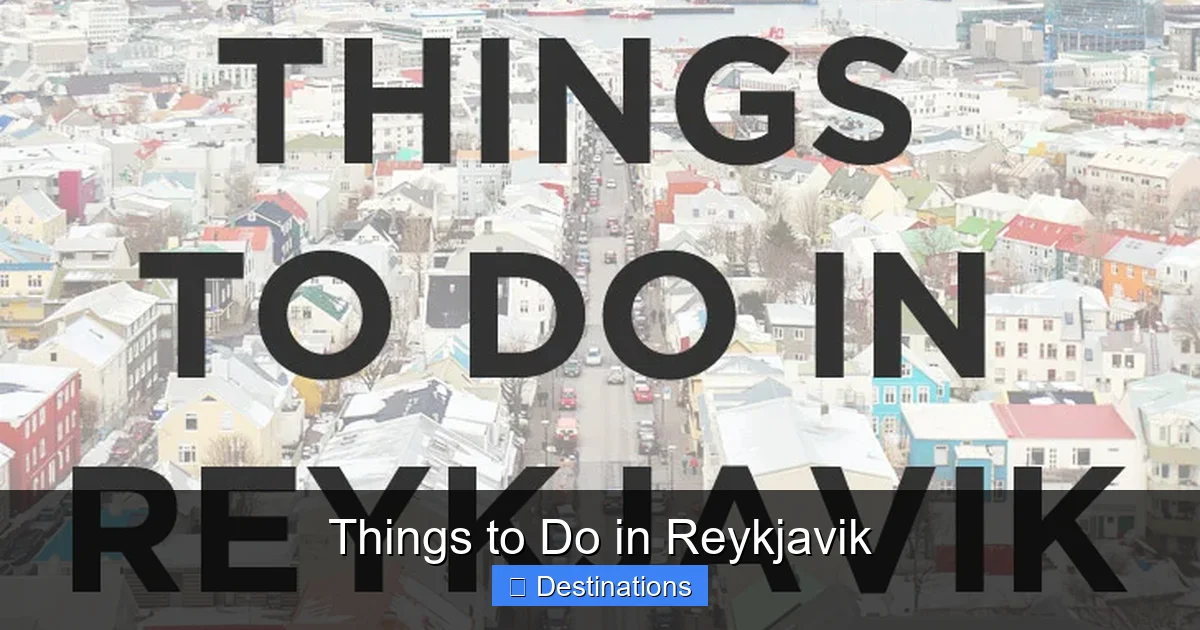
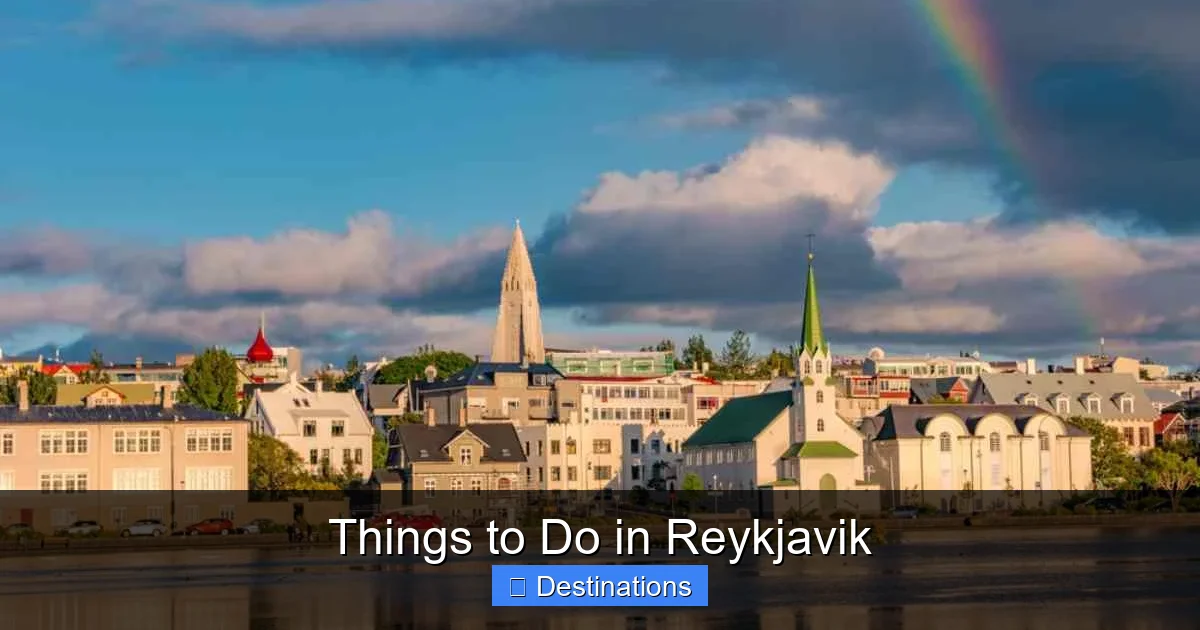
Wander through Reykjavik’s downtown area, and you’ll notice something unusual: the buildings are painted in bright, cheerful colors. From electric blue to sunny yellow, the city feels like a Scandinavian version of a storybook. This cheerful aesthetic extends to its shops, cafes, and street art.
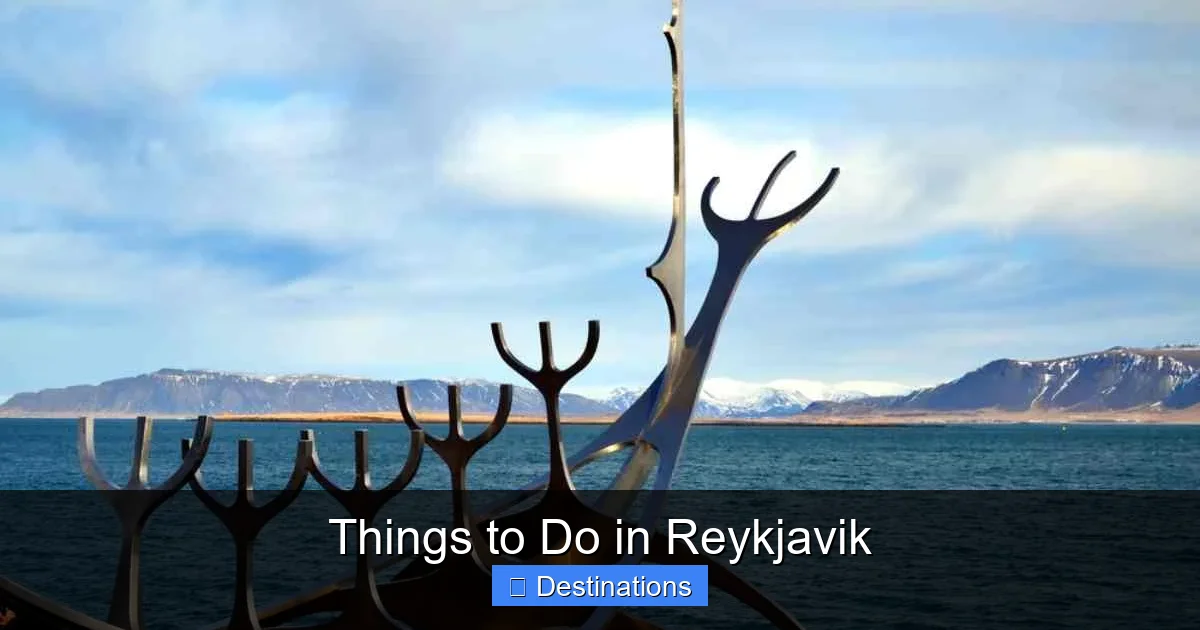
Start your walk on Laugavegur, the main shopping street. Here, you’ll find everything from vintage boutiques to independent bookstores. Don’t miss the opportunity to browse the quirky items at Grafarvogur or pick up handmade jewelry from local designers. The Sun Voyager sculpture near the harbor is another must-see—a sleek, futuristic metal boat symbolizing dreams of the future.
For a deeper dive into local culture, visit the Reykjavik Art Museum, which features works by Icelandic artists across different eras. The museum rotates exhibits regularly, so even repeat visitors find something new. And if you’re curious about Viking history, head to the Settlement Exhibition, which recreates the original turf houses of Iceland’s first settlers.
4. Take a Day Trip Along the Golden Circle
Visual guide about Things to Do in Reykjavik
Image source: campingiceland.com
Just an hour’s drive from Reykjavik, the Golden Circle packs in Iceland’s most famous natural attractions. This route includes three main stops: Thingvellir National Park, Geysir, and Gullfoss waterfall.
Thingvellir is a UNESCO World Heritage Site and the birthplace of Iceland’s parliament. Here, you can walk between tectonic plates and learn about both geological and historical significance. Next, visit Strokkur, a geyser that erupts every few minutes, shooting boiling water high into the air. Finally, Gullfoss waterfall plunges into a rugged canyon—powerful, dramatic, and humbling.
Many tour operators in Reykjavik offer guided Golden Circle trips that include pick-up, lunch, and stops at additional sites like the Kerid Crater. If you prefer to drive yourself, the roads are well-maintained, and parking is available at each location. This day trip is perfect for first-time visitors and offers a full taste of Iceland’s landscape.
5. Savor Icelandic Cuisine and Craft Beer
Food in Reykjavik is fresh, seasonal, and deeply connected to the island’s resources. Start your culinary journey with a visit to a local market like Kaffi Vín or Grafarvogur Market. Here, you can sample Skyr (a thick, creamy yogurt-like dairy product), fresh lamb, smoked salmon, and rye bread.
For a unique dining experience, try a traditional Icelandic dish like Harðfiskur (dried fish with butter) or Plokkfiskur (a fish stew). Many restaurants also serve modern interpretations of local flavors, blending Nordic techniques with global influences.
And of course, no trip to Iceland is complete without trying the local beer. Reykjavik has a booming craft beer scene, with breweries like Borg and Einstök offering bold, flavorful brews. Visit a cozy pub like Kaffibarinn or Lamb for live music and a warm atmosphere. If you’re feeling adventurous, book a beer tasting tour that visits several microbreweries across the city.
6. Experience the Midnight Sun or Polar Night
Reykjavik sits just below the Arctic Circle, which means it experiences extreme variations in daylight. In summer (April to August), the midnight sun means the sun never fully sets—ideal for hiking, cycling, or relaxing in a café well past midnight. In winter, the polar night brings long, dark days, perfect for Northern Lights viewing and cozy indoor activities.
Take advantage of the summer sun by hiking up Mount Esja for panoramic views or paddling on the calm waters of Faxaflói Bay. In winter, explore museums, attend a concert at Harpa Concert Hall, or warm up with a hot chocolate at a local café. The contrast between seasons makes Reykjavik a year-round destination.
Frequently Asked Questions
What should I pack for a trip to Reykjavik?
Pack layers, a waterproof jacket, sturdy shoes, and warm accessories like gloves and a hat. Even in summer, evenings can be chilly, and rain is common year-round. Waterproof gear is essential for outdoor activities.
How safe is Reykjavik?
Reykjavik is one of the safest capitals in Europe. Petty crime is rare, and the city has low crime rates. As with any destination, keep an eye on your belongings in crowded areas and avoid walking alone in very remote spots at night.
Do I need to speak Icelandic to get around?
No. English is widely spoken in Reykjavik, especially in tourist areas, restaurants, and shops. Many locals also speak Danish, German, and some French or Spanish. Translation apps can help in more remote areas.
Is Reykjavik family-friendly?
Yes, Reykjavik is very welcoming to families. Parks, playgrounds, museums with interactive exhibits, and outdoor adventures like glacier hikes or puffin watching (seasonal) make it great for kids. Many cafes have high chairs and kid-friendly menus.
Can I visit Reykjavik without a car?
Definitely. The city is compact, public transport is efficient, and many attractions are within walking or biking distance. Guided tours and taxis make day trips easy. Only if you plan to explore beyond Reykjavik might renting a car be helpful.
What’s the weather like in Reykjavik?
Reykjavik has a cool maritime climate. Summers are mild (10–15°C / 50–59°F), with long days. Winters are cold (0–4°C / 32–39°F), with short days but frequent Northern Lights. Rain occurs year-round, so waterproof clothing is essential.