
Ever wondered what makes your camping tent stand strong in the wind or keep you dry during a rainstorm? Camping tents are built from a combination of specialized materials—each serving a unique purpose. The outer shell is usually made from ripstop nylon or polyester, treated with waterproof coatings like PU (polyurethane) or DWR (durable water repellent). The inner tent often features breathable mesh to reduce condensation while allowing airflow. Poles are typically crafted from aluminum or fiberglass for flexibility and strength, and the floor is reinforced with heavy-duty fabric to resist punctures and moisture.
These materials work together to create a reliable, weather-resistant shelter. Whether you’re backpacking through mountains or setting up camp in a forest, understanding what your tent is made of helps you choose the right one for your adventure. Plus, knowing how to care for these materials extends your tent’s lifespan and keeps it performing at its best.
Check the latest prices and available rooms before they sell out.
Camping is more than just sleeping under the stars—it’s about comfort, safety, and being prepared for whatever Mother Nature throws your way. And at the heart of every great outdoor experience? Your tent. But have you ever stopped to think about what your tent is actually made of? Understanding the materials used in tent construction doesn’t just satisfy curiosity—it helps you make smarter choices when shopping, maintain your gear properly, and even troubleshoot common issues.
Whether you’re a weekend warrior or a full-time adventurer, knowing what goes into your shelter can mean the difference between a cozy night by the fire and a soggy morning in the woods. Let’s dive into the fascinating world of camping tent materials and uncover the science (and craftsmanship) behind your portable home away from home.
Key Takeaways
- Tent Fabrics: Most tents use ripstop nylon or polyester, both lightweight and durable, with waterproof coatings to resist rain.
- Waterproofing Treatments: PU (polyurethane) and DWR (durable water repellent) coatings prevent water absorption and improve longevity.
- Mesh Panels: Breathable mesh in inner tents reduces condensation and keeps bugs out while maintaining airflow.
- Pole Materials: Aluminum poles are strong and lightweight; fiberglass offers affordability but is heavier and less rigid.
- Floor Construction: Heavy-duty PVC or coated fabrics protect against ground moisture and sharp objects.
- Sustainability Trends: Eco-conscious brands now use recycled materials and non-toxic treatments to reduce environmental impact.
- Maintenance Matters: Proper cleaning, drying, and storage preserve fabric integrity and extend tent life.
📑 Table of Contents
The Outer Shell: Protecting You from the Elements
The outer shell of your tent is your first line of defense against wind, rain, snow, and UV rays. Most modern camping tents are made from two primary types of fabric: **ripstop nylon** and **polyester**. Each has its strengths, and the choice often depends on your budget, weight needs, and intended use.
Ripstop Nylon: Lightweight and Tear-Resistant
Ripstop nylon is a favorite among backpackers and ultralight campers. Its name comes from its unique weaving technique—small threads are woven across the fabric in a grid pattern, creating “ripstop” points that prevent small tears from spreading. This makes it incredibly durable for its weight.
But durability isn’t the only advantage. Ripstop nylon is also **lightweight**, which is crucial when every ounce counts on long hikes. Many high-end tents use this material because it balances strength with portability.
To make it waterproof, manufacturers apply a **PU (polyurethane) coating** or a **DWR (durable water repellent)** treatment. PU creates a seamless, waterproof barrier, while DWR repels light rain and helps water bead up and roll off instead of soaking in. Over time, however, DWR wears off and needs reapplication—a simple fix with a $10 spray from any outdoor store.
Polyester: Budget-Friendly and UV Resistant
If you’re looking for a more affordable option without sacrificing too much performance, polyester is a solid choice. It’s heavier than nylon but offers excellent resistance to **UV degradation**, meaning it won’t break down as quickly when exposed to sunlight.
Find the Best Accommodation Deals
Compare prices from multiple booking platforms and find the best option for your stay.
Compare Hotel PricesPolyester tents are common in family tents and car camping setups, where weight isn’t as big a concern. They’re also easier to clean and maintain. However, they tend to absorb slightly more water than treated nylon, so always check the hydrostatic head rating (the measure of waterproof pressure) before buying.
For example, a 3000mm hydrostatic head rating means the fabric can withstand 3000mm of water pressure before leaking. That’s plenty for light rain—but not ideal for heavy storms unless paired with a footprint (an extra groundsheet).
Find the Best Accommodation Deals
Compare prices from multiple booking platforms and discover the best stay options available.
⭐ Trusted by thousands of travelers
💰 Budget to luxury options available
The Inner Layer: Breathability and Comfort
Visual guide about What Are Camping Tents Made Of
Image source: i.ytimg.com
Best Stay Deals Available
Compare prices across top booking platforms and find the best deal for your stay.
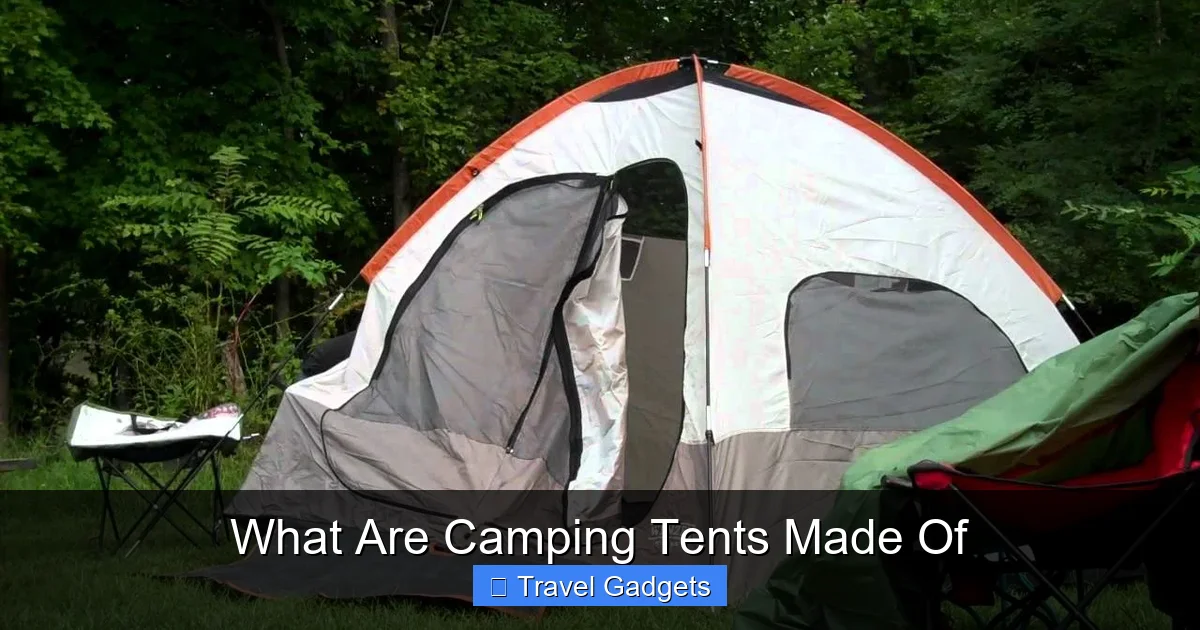
Check Available RoomsMost tents today feature a **double-wall design**: an outer shell and an inner tent. While the outer wall handles weather protection, the inner layer focuses on **breathability** and **condensation control**.
Mesh Panels and Ventilation
Inside your tent, you’ll often find large sections made of **mesh fabric**. These panels allow fresh air to circulate while keeping bugs out. Mesh is especially useful in warmer climates, where airflow keeps you cool and reduces the risk of overheating.
But here’s a pro tip: don’t rely solely on mesh for ventilation. In damp conditions, cold air can still enter through mesh panels, making you uncomfortable. Instead, open the outer flysheet slightly to let air move from bottom to top—this creates a natural convection current that pulls moisture up and out.
Also, be aware that some cheaper tents use **non-breathable plastic liners**. These trap moisture inside, leading to condensation buildup—a surefire way to wake up shivering in the middle of the night. Always choose tents with **battened mesh doors** and **adjustable vents** for better airflow control.
Condensation Control Tips
Condensation is one of the biggest challenges in tent camping. When warm, moist air meets the cooler tent walls, it turns back into liquid—often dripping directly onto your sleeping bag. Here’s how to minimize it:
– Use a **siliconized tent floor** or place a tarp underneath.
– Avoid cooking inside your tent—steam adds extra moisture.
– Open vents fully at night, even if it’s chilly.
– Sleep with a small gap near the head or foot of the tent open.
With proper airflow and smart habits, you can stay dry and comfortable all night long.
Poles: The Backbone of Your Tent
Visual guide about What Are Camping Tents Made Of
Image source: m.media-amazon.com
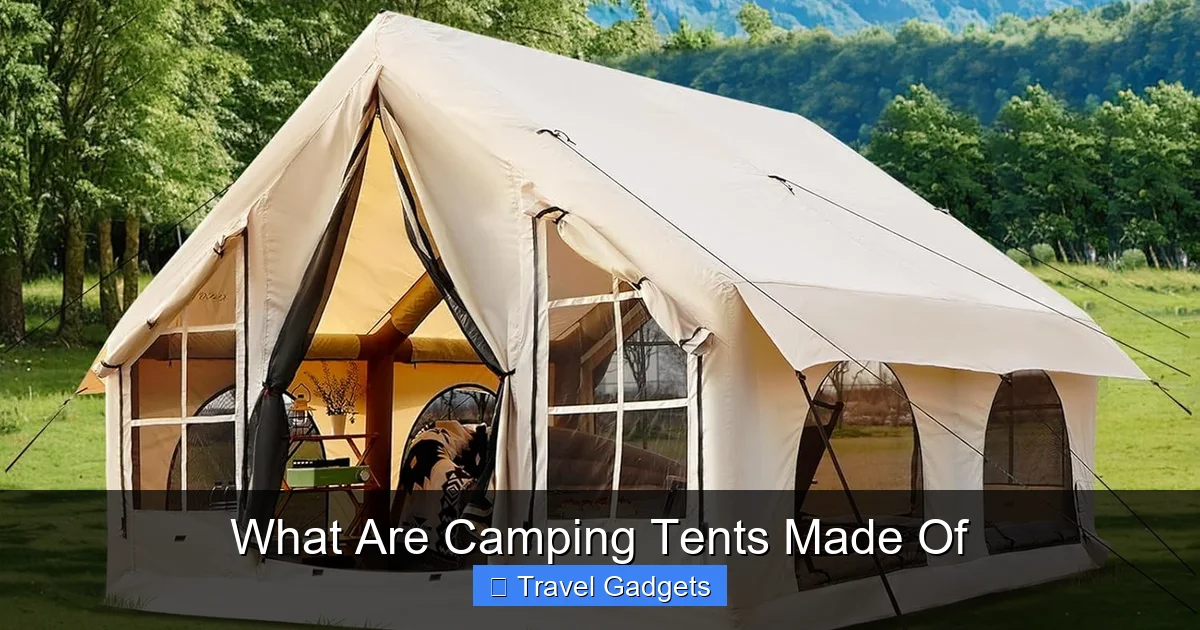
No matter how good your fabric is, your tent won’t stand without poles. These support structures come in two main materials: **aluminum** and **fiberglass**. Each has trade-offs in terms of weight, cost, and durability.
Aluminum Poles: Strong and Lightweight
Aluminum is the go-to choice for most serious campers and backpackers. It’s **lighter than fiberglass** and **stiffer**, meaning it holds its shape better in windy conditions. Aluminum poles also last longer and resist corrosion.
Modern tents often use **DAC Featherlite NSL poles**—lightweight, strong, and trusted by mountaineering teams worldwide. While they cost more upfront, their reliability makes them worth the investment.
Fiberglass Poles: Affordable but Fragile
Fiberglass is cheaper and more flexible, making it common in budget tents and youth camping gear. The downside? It’s heavier and more prone to breaking under stress or repeated bending. If you drop your tent pole, there’s a good chance it’ll snap instead of flexing back into shape.
That said, fiberglass poles are fine for occasional use in calm weather. Just avoid strong winds and don’t expect them to handle rough terrain well.
The Floor: Ground-Level Protection
Visual guide about What Are Camping Tents Made Of
Image source: s3.amazonaws.com
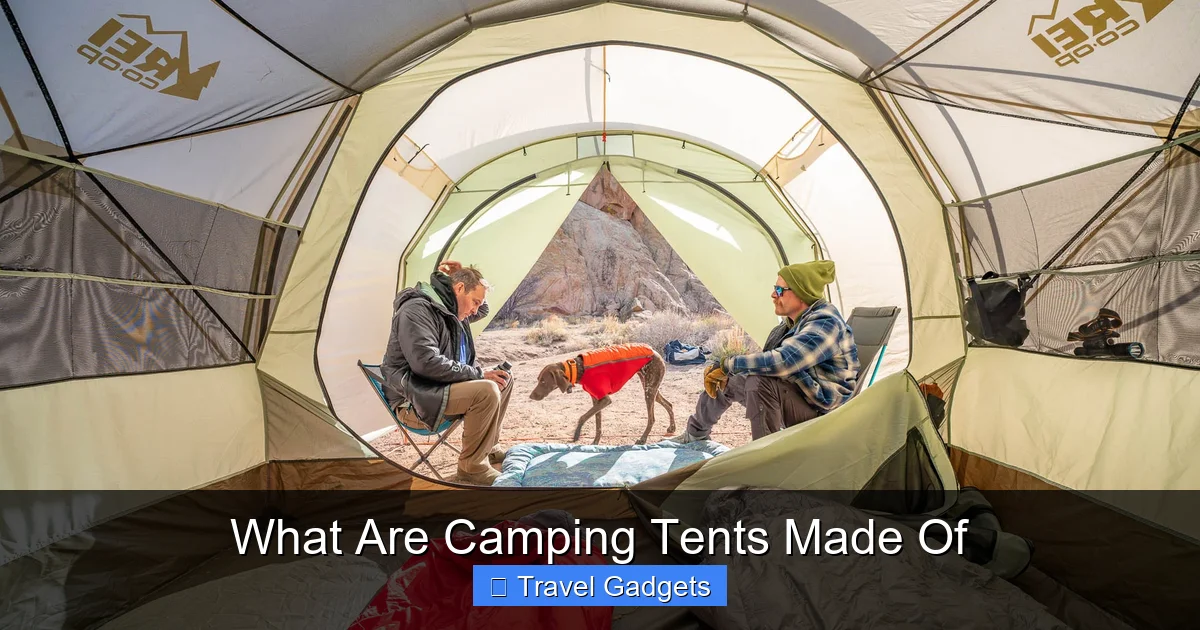
The floor of your tent takes the brunt of moisture, dirt, and sharp rocks. Most tent floors are made from **coated polyester** or **PVC-backed fabric**. These materials are **impermeable** and **puncture-resistant**, crucial for keeping you dry and safe.
Some premium tents use **Taped Seams**—where the stitching is sealed with waterproof tape—to prevent leaks around seams, which are often the weakest point. Always check for this feature if you’re camping in wet environments.
Another smart upgrade? A **footprint**—an extra piece of fabric you lay under your tent. It protects the floor from abrasion and extends the tent’s lifespan significantly. Many manufacturers sell matching footprints, or you can make your own from a heavy-duty tarp.
Zippers, Zippers, Everywhere
You might not think much about zippers, but they’re critical to your tent’s functionality. High-quality tents use **self-repairing zippers** with metal teeth and smooth glides. Cheap zippers get stuck, break, or let in drafts—ruining the whole experience.
Look for **double-zipper doors** on doors and vestibules. They allow you to open just the top half for ventilation while keeping the lower part closed to block wind and rain. Some even have **zipper pulls with toggles** for easy operation with gloves on.
Pro tip: Lubricate zippers occasionally with a bit of wax or soap to keep them sliding smoothly. Never force a stuck zipper—you’ll damage the track.
Eco-Conscious Innovations in Tent Materials
As sustainability becomes a priority in outdoor gear, many brands are turning to **recycled materials** and **eco-friendly treatments**. For example, some companies now use **recycled PET bottles** to create polyester fabric. Others offer **PFC-free DWR coatings**, which are non-toxic and safer for the environment.
While these options may cost more, they reflect a growing demand for responsible camping practices. As a consumer, supporting sustainable brands encourages innovation and helps protect the very nature we love to explore.
When shopping, look for certifications like **Bluesign** or **OEKO-TEX**, which ensure materials meet strict environmental and health standards.
How to Care for Your Tent Materials
Even the best materials lose effectiveness over time if not cared for properly. Here’s how to keep your tent in top shape:
– **Clean gently:** Use mild soap and water. Avoid harsh detergents that strip waterproof coatings.
– **Dry completely:** Never pack a wet tent. Hang it in a shaded, ventilated area until bone dry.
– **Store flat or loosely:** Don’t stuff it into a stuff sack while damp. Roll it loosely in a breathable bag.
– **Reapply DWR:** Every 6–12 months, depending on use. Follow the product instructions carefully.
– **Inspect regularly:** Check for holes, torn seams, or cracked pole joints before each trip.
Taking 10 minutes to clean and store your tent after a trip can add years to its life.
Frequently Asked Questions
What does “ripstop” mean in tent fabric?
Ripstop refers to a special weaving technique that prevents small tears from spreading. This makes the fabric more durable and resistant to damage from snags or wind, even though it’s lightweight.
Is polyester or nylon better for camping tents?
It depends on your needs. Nylon is lighter and more tear-resistant, ideal for backpacking. Polyester is more UV-resistant and affordable, better suited for car camping or casual use.
How do I know if my tent is waterproof?
Check the hydrostatic head rating (measured in mm) and look for PU or DWR coatings. A rating above 2000mm is considered waterproof for light rain. Also, inspect taped seams and quality zippers.
Can I wash my tent in a washing machine?
Not recommended. Machine agitation can damage the fabric, warp poles, or ruin coatings. Hand-wash gently in a bathtub or shower using mild soap, then rinse and air dry.
Why does my tent get so damp inside?
Condensation forms when warm, moist air meets cold tent walls. Improve airflow by opening vents, using a footprint, and avoiding cooking inside. Mesh panels help, but balanced ventilation is key.
Should I buy a footprint for my tent?
Yes! A footprint protects the tent floor from abrasions, moisture, and sharp objects. It extends the tent’s life and is especially useful in rocky or wet terrain.