
The Tent of Meeting was a sacred, portable structure used by the Israelites during their journey through the wilderness. Built according to divine instructions, it symbolized God’s presence among His people and served as a central place for worship and sacrifice. Though no physical remains exist today, biblical descriptions and archaeological insights help us visualize this ancient sanctuary.
Key Takeaways
- Divine Blueprint: The Tent of Meeting was built exactly as described in Exodus 25–31, with precise measurements and sacred materials.
- Symbolic Layout: Its interior had two main sections: the Holy Place and the Most Holy Place (Ark of the Covenant), each with specific furnishings.
- Movable Sanctuary: Unlike permanent temples, the Tent was carried during Israelite migrations, emphasizing God’s mobile presence.
- Sacred Materials: Gold, silver, acacia wood, fine linen, and precious stones were used, reflecting holiness and beauty.
- Luxurious Interior: The inner tent featured golden lampstands, table of showbread, incense altar, and the Ark of the Covenant.
- Priestly Role: Only Aaron and his sons could enter certain areas, highlighting the importance of ritual purity.
- Archaeological Clues: While no exact replica exists, artifacts from Sinai and Canaan offer clues about construction and appearance.
📑 Table of Contents
What Did the Tent of Meeting Look Like?
The Tent of Meeting—often called the Tabernacle in English translations—was more than just a tent. It was the heart of Israelite worship during their 40 years in the wilderness. For the ancient Hebrews, this structure wasn’t merely a shelter; it was a moving temple, a visible sign that God dwelled among them. Imagine walking through the desert, setting up camp, and knowing that directly above you, unseen yet present, was the throne of the Almighty. That’s what the Tent of Meeting represented: intimacy, holiness, and divine guidance.
Check the latest prices and available rooms before they sell out.
Though we can’t see it today, the Bible gives incredibly detailed blueprints. From Exodus 25 onward, God instructs Moses to build this sacred space with exact dimensions, materials, and arrangements. Scholars, artists, and historians have pieced together what it might have looked like using those texts, along with archaeological evidence. Today, modern replicas in churches and museums help us visualize this ancient wonder. Whether you’re curious about biblical history or spiritual symbolism, understanding the Tent of Meeting opens a window into one of humanity’s oldest concepts: the sacred meeting place between God and His people.
Origins and Divine Instructions
The Tent of Meeting didn’t come from human design. Instead, God gave Moses a full set of instructions while they were still at Mount Sinai. After receiving the Ten Commandments, Moses returned to the people and shared God’s vision: “Make for me a sanctuary, and I will dwell among them” (Exodus 25:8). This wasn’t just a suggestion—it was a divine mandate.
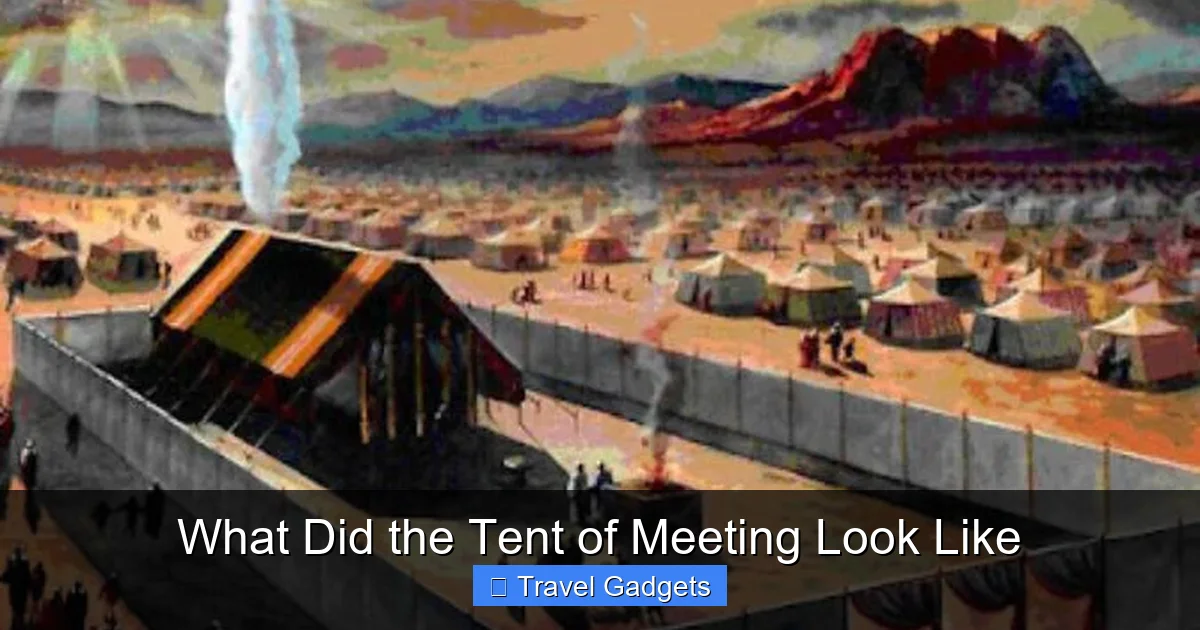
Visual guide about What Did the Tent of Meeting Look Like
Image source: thoughtfulcatholic.com
A Sacred Blueprint
God provided a step-by-step guide, specifying not only the size and shape but also the types of materials to use. The outer frame was made of acacia wood, covered in gold. The walls were crafted from finely woven linen dyed blue, purple, and scarlet—colors often associated with royalty and holiness in the ancient world. Even the floor was covered with a rich fabric, making the entire structure feel both majestic and intimate.
One of the most fascinating aspects is the precision. Every detail mattered. The length, width, and height were all multiples of 10 cubits (about 1.5 meters), suggesting a deliberate symbolic order. This wasn’t random construction—it reflected cosmic harmony and divine perfection.
Find the Best Accommodation Deals
Compare prices from multiple booking platforms and find the best option for your stay.
Compare Hotel PricesWhy a Portable Structure?
Unlike later temples in Jerusalem, which became permanent homes for God’s presence, the Tent of Meeting traveled. As the Israelites marched across the desert, priests would dismantle the sacred space, load it onto carts, and carry it ahead of the people. Once they reached a new campsite, they rebuilt it within hours.
This mobility had deep theological meaning. It emphasized that God wasn’t tied to a single location. He moved with His people, guiding them, protecting them, and meeting them wherever they went. In an era before smartphones or GPS, this portable sanctuary was their spiritual compass.
Find the Best Accommodation Deals
Compare prices from multiple booking platforms and discover the best stay options available.
⭐ Trusted by thousands of travelers
💰 Budget to luxury options available
The Exterior Design and Construction
When you first approached the Tent of Meeting, what would you see? The outer shell was a marvel of craftsmanship and symbolism. Made of acacia wood overlaid with pure gold, it gleamed under the desert sun. The poles were sturdy enough to support heavy fabrics, yet lightweight enough to transport.
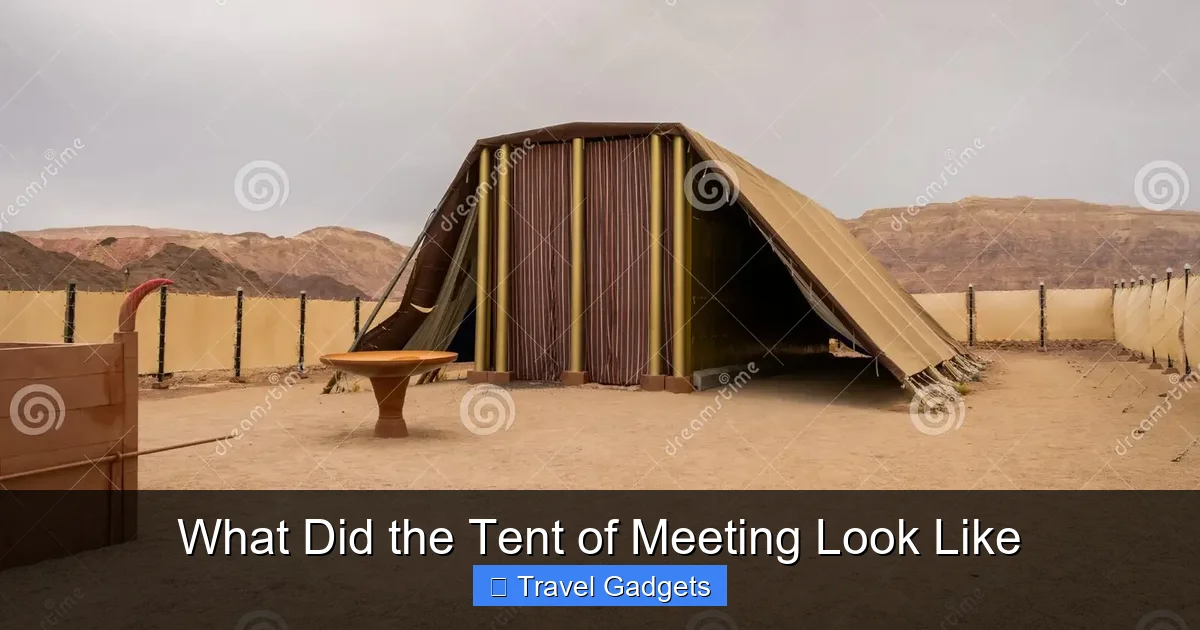
Visual guide about What Did the Tent of Meeting Look Like
Best Stay Deals Available
Compare prices across top booking platforms and find the best deal for your stay.
Check Available RoomsImage source: thumbs.dreamstime.com
The Outer Curtain and Coverings
Surrounding the wooden frame were several layers of protective coverings:
- First layer: A series of rams’ skins dyed red—symbolizing sacrifice and atonement.
- Second layer: Goats’ hair woven into a thick, durable fabric—representing strength and resilience.
- Third layer: Covers of tanned leather—offering waterproof protection against sandstorms.
These layers weren’t just practical—they mirrored the spiritual journey of the Israelites. Each covering added depth, security, and beauty, much like faith builds upon faith.
The Courtyard Entrance
In front of the main tent stood a courtyard, enclosed on all sides by hanging curtains. At the center was the altar of burnt offering—a bronze platform where animals were sacrificed daily. Surrounding it were basins made of bronze (called lavers) for washing hands and feet—a ritual act of purification before approaching God.
This open-air courtyard functioned as a transition zone. Here, the community gathered for morning and evening sacrifices. It was a public space, accessible to all tribes, reinforcing unity and shared identity.
The Interior Layout: The Holy Places
Once inside the main tent, visitors entered a dimly lit, awe-inspiring space divided into two chambers: the Holy Place and the Most Holy Place. Light came from a golden lampstand (menorah), casting flickering shadows that danced across the walls—a visual reminder of God’s eternal light.
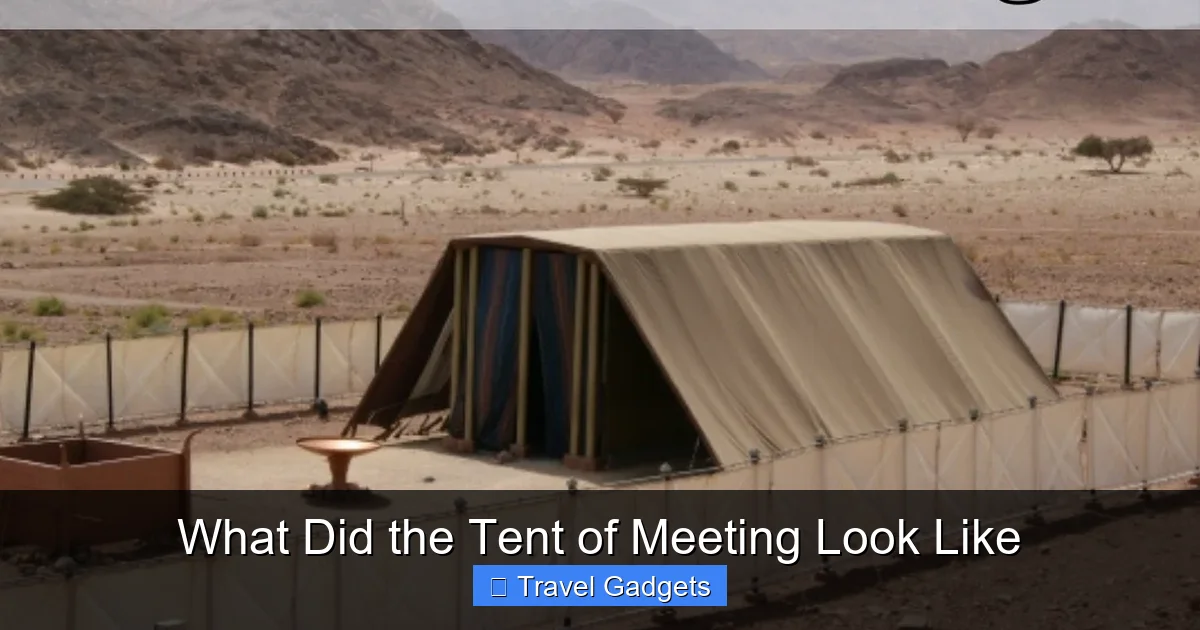
Visual guide about What Did the Tent of Meeting Look Like
Image source: i0.wp.com
The Holy Place: Where Ordinary Priests Served
The first room housed three key pieces of furniture:
- The Table of Showbread: On this silver-topped table sat twelve loaves of bread representing the twelve tribes of Israel. They were replaced weekly, symbolizing God’s continual provision.
- The Golden Lampstand (Menorah): Seven branches illuminated the room night and day, never extinguished. This mirrored the eternal flame of God’s presence.
- The Altar of Incense: Located near the entrance, this small golden altar held sweet-smelling incense burned every morning and evening. Its smoke ascended like prayers reaching heaven.
Only Aaron and his sons—the Levitical priests—could enter this area. Laypeople were kept outside, underscoring the need for holiness even within the sacred space.
The Most Holy Place: The Ark of the Covenant
Beyond a heavy curtain lay the innermost chamber—the Most Holy Place. This was the most restricted area of all.
- The Ark of the Covenant: A solid gold chest containing the stone tablets of the Ten Commandments, Aaron’s rod, and a jar of manna. Covered with a lid called the mercy seat, it symbolized God’s throne.
- Only once a year: On Yom Kippur (Day of Atonement), the high priest would enter alone, sprinkle blood on the mercy seat to atone for the nation’s sins.
This separation wasn’t about exclusion—it was about reverence. Just as heaven has levels of glory, so too did the Tent reflect degrees of holiness. The closer one got to God, the greater the requirements for purity.
Materials and Symbolism
Every material used in the Tent of Meeting carried deep meaning. Let’s break down some of the most significant ones:
Gold: Divine Glory
Gold was reserved for the inner sanctuary and its furnishings. Why? Because gold doesn’t rust, tarnish, or decay—it lasts forever. By covering everything in gold, God communicated His enduring nature. The golden altar, golden lampstand, and golden table all pointed back to Him.
Acacia Wood: Strength and Permanence
Though humble in appearance, acacia wood is exceptionally strong and resistant to rot. Used for the frame, it grounded the structure in reality. No matter how many times it was moved, it remained solid—just like God’s covenant with Israel.
Blue, Purple, Scarlet, and White Linen: Royalty and Purity
The curtains and vestments used these colors intentionally:
- Blue: Associated with the sky and heaven.
- Purple: Reserved for kings and priests—symbolizing authority.
- Scarlet: Linked to sacrifice and atonement.
- White linen: Represented purity and righteousness.
Even the priests wore special robes woven with these colors, blending earthly roles with heavenly purposes.
Modern Replicas and Archaeological Insights
While no original Tent of Meeting survives, several faithful reconstructions exist worldwide. The most famous is probably the Tabernacle at the Church of Jesus Christ of Latter-day Saints in Salt Lake City. Built in the 1970s, it’s based strictly on biblical specifications and serves as both a museum and worship site.
Other notable replicas include those in Jerusalem, New York, and even smaller models found in Sunday school classrooms. These aren’t guesswork—they follow every detail from Scripture, including pole lengths, curtain widths, and furniture arrangements.
Archaeology adds another layer. Excavations in Sinai and Egypt have uncovered similar portable shrines and altars, confirming that movable sanctuaries were common in ancient Near Eastern cultures. However, nothing matches the specificity of the biblical account—making the Tent of Meeting unique.
For travelers visiting religious sites today, seeing a replica can be transformative. Walking through the courtyard, imagining the smoke rising from the incense altar, hearing the echo of psalms sung in ancient Hebrew—it brings history alive in a way textbooks never can.
Spiritual Lessons We Can Learn
Though thousands of years old, the Tent of Meeting offers timeless truths for modern believers. Consider these applications:
- God desires closeness: He didn’t demand a fixed temple but chose to dwell among His people—wherever they were.
- Holiness requires preparation: Ritual washing, clean linens, and consecrated priests remind us that access to God comes through right living.
- Beauty honors the divine: The Tent wasn’t plain—it was designed to inspire awe and reverence.
- Community matters: The courtyard allowed everyone to participate, showing that worship isn’t just for elites.
Today, we don’t need a physical tent. But we do need places—physical and metaphorical—where God feels near. A quiet chapel, a sunrise hike, or even a backyard prayer circle can become our own version of the Tent of Meeting if approached with humility and intention.
Conclusion: More Than Stone and Timber
The Tent of Meeting wasn’t just wood, cloth, and metal—it was a living expression of God’s love and presence. Every stitch, every bolt of gold, every loaf of bread on the table spoke volumes about who He is: holy, faithful, and intimately involved in human lives.
As we explore what it looked like—from its gleaming exterior to its shadowy inner chamber—we’re reminded that sacred spaces aren’t defined by size or expense. They’re defined by devotion. Whether you’re planning a trip to see a biblical replica or simply seeking a deeper connection with God, remember this truth: the best tents are the ones built on faith.
So next time you set up a tent in the wilderness—whether literally or spiritually—consider the legacy of the original Tent of Meeting. May it inspire you to create a space where God feels welcome, where hearts are lifted, and where the divine and human truly meet.
Frequently Asked Questions
Where was the Tent of Meeting located?
The Tent of Meeting was located in the center of the Israelites’ wilderness camp, directly in front of the tabernacle. It served as the focal point for worship and sacrifices during their 40-year journey.
Who could enter the Most Holy Place?
Only the high priest could enter the Most Holy Place, and only once a year—on the Day of Atonement (Yom Kippur). He brought blood for a sin offering and sprinkled it on the mercy seat atop the Ark of the Covenant.
How long did it take to build the Tent of Meeting?
The construction began after the Israelites left Egypt and received instructions at Mount Sinai. It took about seven months to complete, from Exodus 36 onward, as volunteers donated materials and skilled workers assembled it.
Was the Tent of Meeting used after the Temple was built?
Yes, the Tent of Meeting continued to function until King Solomon built the First Temple in Jerusalem around 950 BCE. After that, sacrifices and worship shifted to the temple, though the tabernacle remained in use for some time as a backup.
Are there any real photos or drawings of the original Tent of Meeting?
No authentic photographs or drawings exist because the original was dismantled centuries ago. However, modern replicas based on biblical descriptions are displayed in museums and churches worldwide, such as the Tabernacle in Salt Lake City.
What does the name “Tent of Meeting” mean?
The name reflects its primary purpose: to serve as a place where God met with His people. In Hebrew, it’s called *Mishkan*, meaning “dwelling place,” emphasizing God’s presence among Israel.