
Planning your first or next tent camping trip? You’re not alone—and you don’t have to overpack. With the right gear, you can stay warm, dry, and comfortable while exploring nature. From a quality tent and sleeping bag to cooking supplies and safety items, we’ll walk you through every essential step so you’re fully prepared. Whether you’re heading into the mountains or just to your backyard, this guide covers what you truly need to enjoy a worry-free camping experience.
Camping in a tent is one of life’s most rewarding experiences. There’s nothing quite like waking up to the sound of birds chirping, stepping outside to greet the morning sun, and feeling completely disconnected yet deeply connected to nature. Whether you’re a seasoned camper or a first-timer, having the right gear makes all the difference. But let’s be honest—figuring out what you actually need for camping in a tent can feel overwhelming. Do you really need that fancy camping pillow? Is a camp stove worth the space it takes?
Check the latest prices and available rooms before they sell out.
Don’t worry. We’ve got you covered. This comprehensive guide walks you through every essential item you’ll need to pack, from shelter to safety, food to footwear. By the end, you’ll know exactly what to bring and why—so you can focus on making memories instead of stressing about missing supplies.
Key Takeaways
- Choose the right tent: Pick based on weather, group size, and setup ease. A good tent keeps you dry, ventilated, and protected from wind.
- Sleep comfortably: Invest in a warm sleeping bag rated for expected temperatures and pair it with a sleeping pad for insulation and comfort.
- Pack smart: Use organized storage like dry bags or packing cubes to keep gear accessible and prevent moisture damage.
- Stay safe: Always bring a first-aid kit, headlamp with extra batteries, and a reliable fire-starting tool.
- Cook outdoors: A compact stove, fuel, utensils, and reusable cookware make meal prep simple and eco-friendly.
- Protect your gear: Use ground tarps and avoid placing your tent directly on wet grass to prevent dampness and mold.
- Leave no trace: Bring trash bags, biodegradable soap, and practice responsible waste disposal to preserve nature.
📑 Table of Contents
- 1. Choosing the Right Tent: Your Shelter from the Wild
- 2. Sleeping Gear: Comfort Starts Under the Stars
- 3. Cooking and Eating Supplies: Fuel Your Adventure
- 4. Clothing and Footwear: Dress for the Elements
- 5. Safety and Navigation: Be Prepared, Not Cautionary
- 6. Lighting and Power: See Clearly, Stay Connected
- 7. Personal Items and Extras: The Small Things That Matter
- Conclusion: Pack Smart, Stay Safe, Have Fun
1. Choosing the Right Tent: Your Shelter from the Wild
Your tent is your home away from home, so choosing the right one is crucial. It needs to keep you dry, protect you from insects and wind, and be easy to set up—especially if you’re camping solo or with kids.
Tent Types for Different Camping Styles
There are several types of tents, each suited for different needs. A four-season tent is built for harsh winter conditions with strong poles and waterproof fabric. If you’re backpacking, a lightweight backpacking tent is ideal—it’s compact and designed to fit inside a pack. For family trips, a large cabin tent offers more room and often features a vestibule for gear storage.
Always check the tent’s floor area and peak height. Can two people stand side-by-side? Will your sleeping bags fit comfortably? Also, look for features like mesh panels for ventilation and rainfly coverage for full protection during sudden showers.
Weatherproofing and Setup Tips
Before buying, test the tent at home. Practice setting it up once or twice to avoid frustration at the campsite. Make sure you understand how to pitch it correctly—many tents come with detailed instructions and color-coded poles.
Once you arrive at your destination, choose a flat, dry spot away from dead trees (which could fall) and low-lying areas (where water might collect). Use a groundsheet or footprint beneath your tent to protect the floor from abrasion and moisture.
2. Sleeping Gear: Comfort Starts Under the Stars
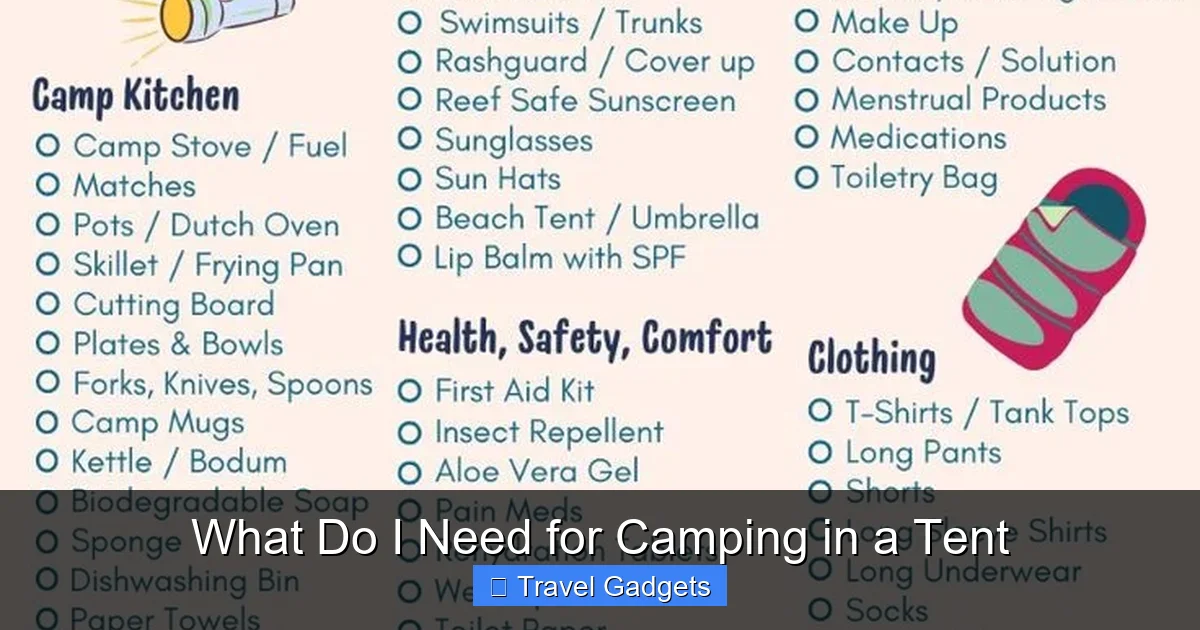
Find the Best Accommodation Deals
Compare prices from multiple booking platforms and find the best option for your stay.
Compare Hotel PricesVisual guide about What Do I Need for Camping in a Tent
Image source: i.pinimg.com
Find the Best Accommodation Deals
Compare prices from multiple booking platforms and discover the best stay options available.
⭐ Trusted by thousands of travelers
💰 Budget to luxury options available
After a long day of hiking or exploring, there’s nothing better than slipping into a warm sleeping bag and listening to the forest hum. But comfort starts with the right sleep system.
Sleeping Bags: Warmth Meets Weight
Your sleeping bag is your insulation against the cold. Look for one rated for the lowest temperature you expect to encounter. A mummy-style bag traps heat better and is lighter, ideal for backpackers. Down bags offer excellent warmth-to-weight ratios but lose insulating power when wet—so avoid damp environments unless using a waterproof down bag.
Synthetic bags are more affordable and retain some insulation even when damp, making them great for beginners or humid climates.
Best Stay Deals Available
Compare prices across top booking platforms and find the best deal for your stay.
Check Available RoomsSleeping Pads: The Unsung Hero
Even the flattest campsite can have cold ground. A sleeping pad adds critical insulation between you and the earth. Choose between foam pads (cheap and durable) or inflatable pads (lighter and more comfortable). Some models include air channels that follow your body shape for better support.
If you’re backpacking, consider a closed-cell foam pad because it doesn’t require inflation and is nearly indestructible.
Optional Extras
For added comfort, bring a camping pillow, a blanket liner (which can add 5–10°F of warmth), or even a hammock if you’re near trees. Just remember: more weight means longer hikes—so balance comfort with portability.
3. Cooking and Eating Supplies: Fuel Your Adventure
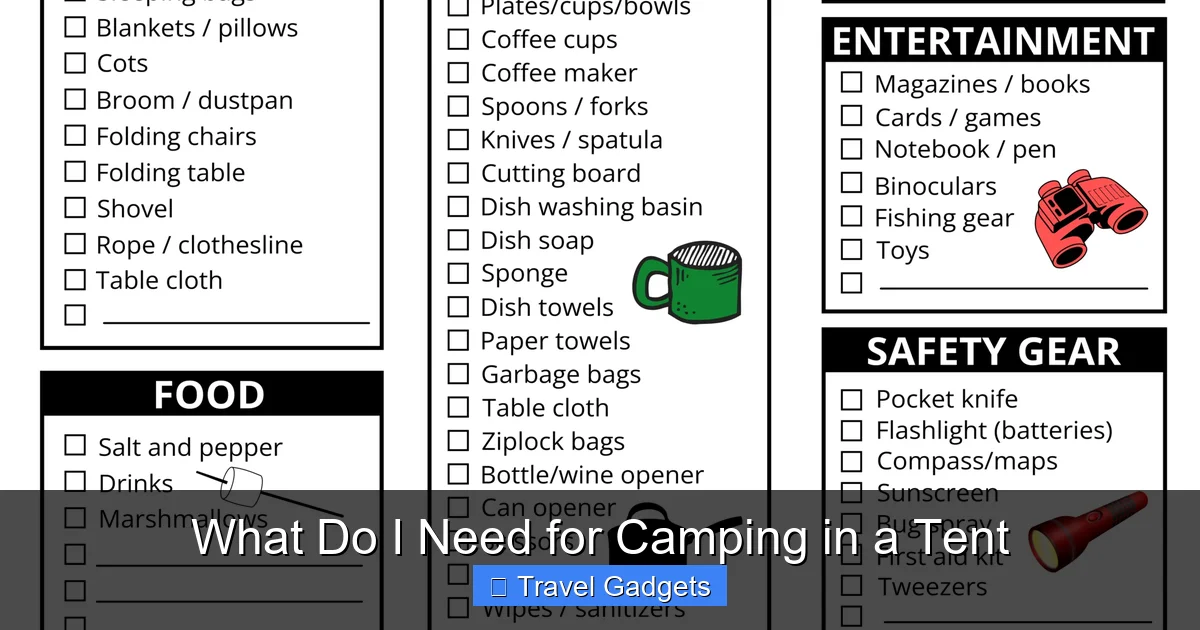
Visual guide about What Do I Need for Camping in a Tent
Image source: suncatcherstudio.com
Meals in the wilderness should be simple, nutritious, and delicious. With the right tools, you can whip up campfire feasts or quick stovetop meals without hassle.
Camp Stoves and Fuel
A portable stove gives you flexibility—whether you’re in bear country (no open flames) or just want to avoid gathering wood. Canister stoves are quiet, easy to use, and great for boiling water fast. Liquid fuel stoves work in extreme cold but take longer to light. Wood-burning stoves are eco-friendly and don’t require fuel, but they’re bulkier and need dry wood.
Always carry extra fuel and know how to safely store it—keep it away from sleeping areas and secure it upright to prevent leaks.
Cookware and Utensils
Bring lightweight pots, pans, sporks, and bowls. A single pot that works for boiling, frying, and stewing saves space. Reusable utensils and plates reduce waste and are easier to clean than disposable options.
Don’t forget a can opener, bottle opener, and a spatula. If you’re cooking over a fire, a cast-iron skillet can double as a grill pan.
Meal Planning and Snacks
Pack non-perishable foods like oatmeal, pasta, rice, canned beans, peanut butter, and trail mix. Pre-chop vegetables if possible, or use vacuum-sealed bags to save space. Hydration is key—bring a water filter or purification tablets, especially if you’re relying on streams or lakes.
4. Clothing and Footwear: Dress for the Elements
Visual guide about What Do I Need for Camping in a Tent
Image source: i.pinimg.com
What you wear affects your comfort and safety more than any other factor. Layering is your best defense against changing weather.
The Camping Layers System
Use the three-layer system: base layer (moisture-wicking), mid-layer (insulation), and outer shell (protection from wind and rain). For base layers, merino wool or synthetic fabrics keep you dry. Mid-layers include fleece jackets or down vests. Outer shells should be waterproof and breathable—like a soft-shell jacket or rain pants.
Footwear Essentials
Invest in a pair of broken-in hiking boots or trail shoes. Never wear new boots on your first trip—they’ll cause blisters. Bring camp shoes like sandals or lightweight sneakers for relaxing around the tent. Don’t forget extra socks—wool or synthetic blends wick moisture and reduce foot fatigue.
Packing Clothes Smartly
Roll clothes instead of folding to save space and reduce wrinkles. Pack underwear, sleepwear, and extra shirts in a separate dry bag. Avoid cotton—it holds moisture and takes forever to dry. Instead, choose quick-dry materials.
5. Safety and Navigation: Be Prepared, Not Cautionary
Safety isn’t about fear—it’s about preparedness. Knowing how to handle emergencies turns potential disasters into manageable situations.
First-Aid Kit: Your Medical Backup
A well-stocked first-aid kit should include bandages, antiseptic wipes, adhesive tape, tweezers, pain relievers, antihistamines, blister treatment, and any personal medications. Consider adding a CPR face shield and a tourniquet for added safety.
Keep it in an easily accessible spot and know how to use each item. Learn basic first aid before your trip.
Navigation Tools
Never rely solely on your phone. Bring a topographic map and a compass—even if you’re camping in a park. Know how to read contour lines and use the compass to orient yourself. GPS devices and apps are helpful, but they can die from cold or low battery.
Emergency Preparedness
Carry a whistle to signal for help, a multi-tool, and a survival blanket. Let someone know your itinerary and expected return time. In remote areas, a satellite communicator like a Garmin inReach can send SOS signals if needed.
6. Lighting and Power: See Clearly, Stay Connected
Darkness brings challenges—but the right lighting solves them.
Headlamps vs. Flashlights
A headlamp is hands-free and perfect for nighttime bathroom runs or checking gear. Choose one with adjustable brightness and red-light mode to preserve night vision. Always carry extra batteries or rechargeable packs.
Flashlights are useful for general illumination but take up hand space.
Power Solutions
Solar chargers, power banks, and portable solar panels let you charge phones and GPS devices. If you’re car-camping, bring extension cords and power strips. For off-grid trips, consider a small inverter or USB-powered lantern.
Candles and Lanterns
While candles add ambiance, they’re a fire hazard. Use LED candles or battery-powered lanterns instead. They’re safer, brighter, and last longer.
7. Personal Items and Extras: The Small Things That Matter
Sometimes it’s the little details that make a big difference.
Toiletries and Hygiene
Pack biodegradable soap, toothbrush, toothpaste, toilet paper, hand sanitizer, and a small trowel for digging catholes. Follow Leave No Trace principles by burying waste at least 6–8 inches deep and 200 feet from water sources.
Entertainment and Comfort
Bring a book, deck of cards, or journal. A small camp chair makes lounging more enjoyable. Don’t forget sunglasses, sunscreen, and bug spray—especially in wooded or marshy areas.
Repair Kits
A small repair kit with duct tape, paracord, safety pins, and seam sealer can fix torn tents, loose zippers, or broken straps. It’s peace of mind in a pouch.
Conclusion: Pack Smart, Stay Safe, Have Fun
Camping in a tent doesn’t have to be complicated. With the right preparation, you can enjoy nature without sacrificing comfort or safety. Start by assessing your trip—how long will you stay? What’s the weather forecast? How many people are coming?
Focus on essentials: shelter, sleep, food, clothing, and safety. Then, add personal touches that enhance your experience. Remember, overpacking leads to unnecessary weight and stress. When in doubt, leave it behind.
The goal isn’t to bring everything—it’s to bring what matters. So grab your gear, lace up your boots, and get ready for an unforgettable adventure under the stars. After all, the best part of camping isn’t the equipment—it’s the memories you create along the way.
Frequently Asked Questions
Do I need a sleeping bag rated colder than the expected temperature?
Yes, it’s recommended to choose a sleeping bag rated at least 10–15 degrees lower than the lowest temperature you expect. This gives you a safety buffer and ensures you stay warm even if conditions are colder than forecasted.
Can I sleep in my tent without a footprint?
Technically yes, but it’s not advised. A footprint protects your tent’s floor from sharp rocks, roots, and moisture. Most come with one, but if yours doesn’t, buy a compatible one separately.
How do I keep bugs out of my tent?
Use a tent with fine mesh vents and ensure the rainfly overlaps properly. Apply insect repellent, avoid scented lotions, and never bring food into the tent. If bugs are severe, consider bringing a mosquito net or using citronella candles nearby.
Is a camp stove necessary if I can gather firewood?
It depends on location and regulations. In many parks, open fires are banned due to wildfire risk. Even if allowed, a stove is faster, cleaner, and more reliable. Plus, gathering wood takes time and may not be permitted in certain areas.
How much food should I bring for a weekend trip?
Plan for about 2,000–2,500 calories per person per day. That’s roughly 2–3 pounds of food depending on type. Pack high-energy snacks like nuts, granola bars, and dried fruit to keep energy levels steady.
Can I reuse my tent year after year?
Yes, but inspect it annually. Check for tears, mold, mildew, or frayed seams. Clean the tent after each use and store it in a dry place. Proper care extends its lifespan significantly.