
Planning your first or next tent camping trip? Knowing what do you need to tent camp can make all the difference between a smooth adventure and a stressful one. From a reliable tent to proper clothing and cooking tools, having the right gear ensures comfort, safety, and peace of mind in nature. Whether you’re heading into the woods or setting up at a campsite, this guide walks you through every essential item—and shares pro tips to help you pack smarter and enjoy the great outdoors without worry.
Camping under the stars sounds like pure magic—rolling green hills, crackling firelight, and the soft rustle of trees at dusk. But before you zip up your sleeping bag and gaze at the Milky Way, there’s something crucial to figure out: what do you need to tent camp? It’s not just about tossing a backpack in the trunk and heading out. Tent camping demands thoughtful preparation. You need gear that keeps you dry, warm, and safe while letting you fully immerse yourself in nature.
Check the latest prices and available rooms before they sell out.
Whether you’re a seasoned camper or a weekend warrior dipping your toes into the wild, knowing the essentials makes the difference between a memorable escape and a tangled mess of forgotten supplies. The good news? Most of the gear is lightweight, affordable, and easy to find. This guide walks you through everything from shelter and sleep systems to cooking and safety—so you can focus on what really matters: enjoying the fresh air and quiet moments that only the outdoors can offer.
Key Takeaways
- Choose the right tent: Select a tent based on weather conditions, group size, and setup ease. Look for waterproof materials, ventilation, and durability.
- Prioritize shelter and insulation: A quality sleeping bag and sleeping pad are non-negotiable for warmth and comfort, especially in cold or damp environments.
- Pack smart with a camping stove: A portable stove lets you cook meals safely away from open flames, giving you flexibility and control over your food prep.
- Don’t skip navigation tools: Bring a map, compass, or GPS device—even if you think your phone will work. Batteries die, and cell service fades fast.
- Stay prepared with first aid and lighting: A well-stocked first aid kit and reliable light sources like headlamps or lanterns are vital for emergencies and nighttime use.
- Bring versatile clothing layers: Pack moisture-wicking base layers, insulating mid-layers, and a waterproof outer shell to adapt to changing weather.
- Plan your water and waste systems: Carry enough water or know how to purify it, and pack biodegradable toilet paper and a small shovel for digging catholes.
📑 Table of Contents
1. Choosing the Right Tent
The foundation of any successful tent camping trip is, well, your tent. So when people ask, “What do you need to tent camp?” the answer always starts here. Your tent isn’t just a roof—it’s your home away from home. It needs to protect you from wind, rain, and wildlife while staying comfortable inside.
Start by considering the season. A three-season tent is perfect for spring, summer, and early fall—lightweight, breathable, and roomy. But if you’re venturing into colder months, go for a four-season model with stronger poles, better insulation, and snow load resistance. For group trips, look for models with multiple rooms or vestibules to store gear out of the elements.
Size matters too. A two-person tent might feel cozy solo, but with two people plus packs, it quickly becomes cramped. Aim for a tent that fits everyone with space left over for backpacks and boots. Always check the floor area and peak height—especially if you’re tall or want to sit up comfortably inside.
Weatherproofing is non-negotiable. Choose tents made with polyurethane-coated fabric and taped seams to keep water out. Mesh panels help with airflow but may reduce privacy. If you’re camping in humid areas, consider a tent with a built-in bug net or invest in separate ones. Finally, practice setting it up at home before your trip—nothing ruins morale faster than fumbling with poles and zippers in the dark.
Pro Tip:
Bring extra stakes and guylines. Wind can sneak up fast, and loose corners mean rain gets in. A few spare bungee cords or paracord also come in handy for securing tarps or organizing gear.
2. Sleeping Gear: Comfort Under the Stars
After choosing your shelter, the next big question is: what do you need to tent camp to sleep well? Spending eight hours in a sleeping bag on the ground isn’t exactly cozy—unless you have the right system in place.
Find the Best Accommodation Deals
Compare prices from multiple booking platforms and find the best option for your stay.
Compare Hotel PricesYour sleep setup has three parts: the sleeping bag, the sleeping pad, and the pillow (optional but nice). Let’s break them down.
The sleeping bag is your personal climate control. Down bags are ultra-lightweight and compressible, ideal for summer or warm nights. Synthetic bags are heavier but work better in damp conditions and retain insulation when wet. Match your bag’s temperature rating to your expected night temps—add a liner for extra warmth or cooling.
Find the Best Accommodation Deals
Compare prices from multiple booking platforms and discover the best stay options available.
⭐ Trusted by thousands of travelers
💰 Budget to luxury options available
But here’s the catch: bags alone won’t stop heat loss to the ground. That’s where the sleeping pad comes in. R-value measures insulation—R-3 or higher is solid for most conditions. Closed-cell foam pads are cheap and durable; inflatable ones offer more comfort but risk punctures. Pair it with a stuff sack so you can roll it tight and fit it into your pack.
Pillows aren’t required, but they make a huge difference. Use a stuff sack filled with clothes, a small inflatable pillow, or even a bandana rolled up. Even a folded jacket works in a pinch.
Example Setup:
A family of four might bring two double-wide sleeping bags rated for 30°F, four high-R-value pads, and two inflatable pillows. Each person packs their own gear into labeled stuff sacks for quick access.
Best Stay Deals Available
Compare prices across top booking platforms and find the best deal for your stay.
Check Available Rooms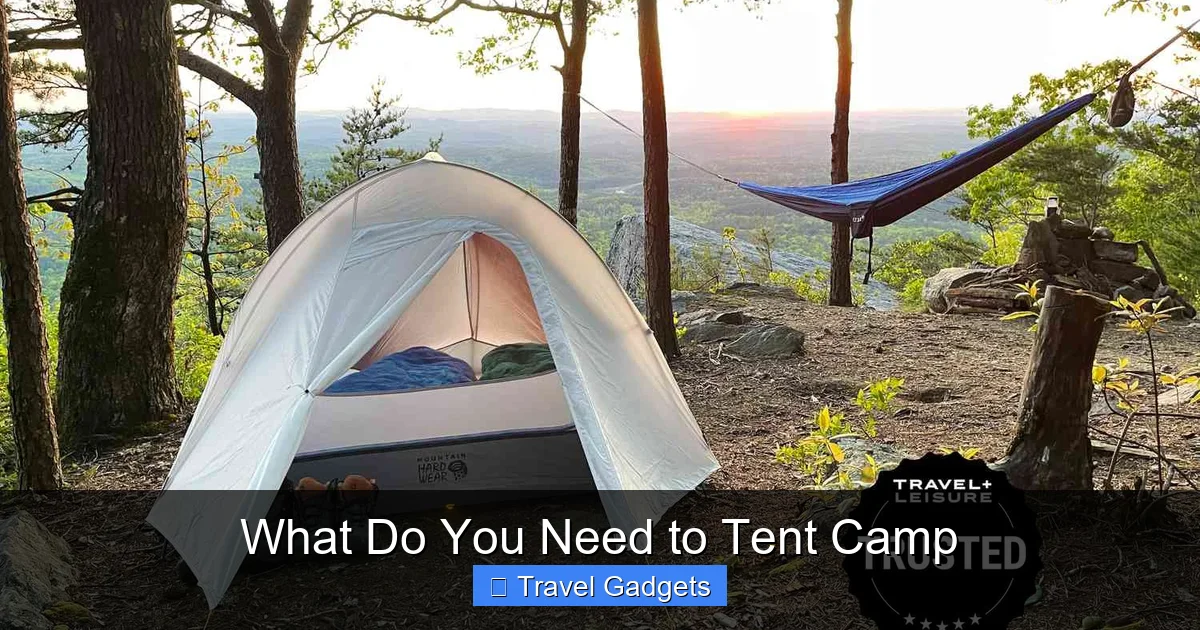
Visual guide about What Do You Need to Tent Camp
Image source: travelandleisure.com
3. Cooking and Food Essentials
Now, let’s talk fuel—not gas, but calories. When you ask, “What do you need to tent camp?” food prep is a major part of the equation. You don’t need a full kitchen, but you do need the basics to cook safely and deliciously.
A portable camping stove is a game-changer. Canister stoves (like those using white gas or propane) are reliable and efficient. Liquid fuel stoves work well in cold weather but require more maintenance. Whichever you choose, bring extra fuel and a windscreen to protect the flame.
Next, gather cookware: a pot with a lid, a pan, utensils, and a spork. A lightweight Dutch oven is great for campfire cooking too. Don’t forget a spatula, tongs, and a ladle. A collapsible bowl and cup set saves space.
Food storage is key. Use airtight containers to keep smells from attracting animals. Freeze meat and dairy the night before to prevent spoilage. Plan simple, repeatable meals—like pasta with sauce, eggs, or foil packet dinners—to save time and reduce cleanup.
Water purification can’t be overlooked. Bring a filter, tablets, or a UV purifier. Boiling water over your stove is another foolproof method. Always carry more water than you think you’ll need.
Quick Meal Idea:
One-pot chili: Brown ground turkey or beans, add canned tomatoes, corn, and spices. Serve with tortilla chips or rice. It cooks fast, feeds a crowd, and uses minimal dishes.
Visual guide about What Do You Need to Tent Camp
Image source: wifibum.com
4. Clothing and Footwear
Clothes are easy to underestimate—until it rains. When people wonder, “What do you need to tent camp?” they often forget that your wardrobe determines comfort more than any other gear.
Follow the layering system: base, mid, and outer layers. Start with moisture-wicking fabrics like merino wool or synthetic blends. Avoid cotton—it holds sweat and takes forever to dry. Mid-layers include fleece jackets or down vests for warmth. Outer shells should be waterproof and breathable, like Gore-Tex.
Footwear is critical. Hiking boots or trail shoes provide support and protection on uneven terrain. Break them in before your trip! Pack extra socks—wool or synthetic blends last longer and reduce blisters. Consider gaiters if you’re in muddy or snowy areas.
Don’t forget hats, gloves, and sunglasses. A beanie helps retain body heat at night. Sun protection during the day is just as important as warmth at night.
What Not to Pack:
- Cotton underwear: Stays wet, causes chafing.
- Jeans: Heavy, slow-drying, restrict movement.
- Synthetic pajamas: Unless you love feeling sticky at night.
5. Navigation and Safety Tools
Even if you’re camping near a trailhead, nature doesn’t care about your phone signal. When you ask, “What do you need to tent camp?” navigation and safety can’t be an afterthought.
Bring a physical map of the area and a compass. Learn basic orienteering skills—it’s empowering and practical. A GPS device or app (with offline maps downloaded ahead of time) adds backup confidence.
First aid kits are must-haves. Include bandages, antiseptic wipes, tweezers, pain relievers, blister treatment, and any personal medications. Know how to use each item before you need it.
Lighting is another safety priority. A headlamp frees your hands for setting up camp or finding your way in the dark. Bring extra batteries. A small lantern provides ambient light for reading or socializing.
Fire safety rules vary by location, so check regulations before lighting a fire. If fires are allowed, bring matches, a lighter, or fire starters. Never leave a fire unattended.
Emergency Tip:
Share your itinerary with someone at home—who, where, and when you plan to return. That way, rescuers have a starting point if something goes wrong.
Visual guide about What Do You Need to Tent Camp
Image source: wandererguru.com
6. Personal Care and Hygiene
Yes, you can shower at a campsite, but when you’re deep in the backcountry, hygiene still matters. When people ask, “What do you need to tent camp?” they often overlook the small but vital items that keep you healthy and comfortable.
Pack biodegradable soap for washing dishes and your body. Use a trowel to dig a shallow hole 200 feet from water sources for waste. Never bury toilet paper—pack it out or use a small trowel to cover it lightly.
Toothbrushes, toothpaste, and feminine hygiene products should all be packed out. Sunscreen, lip balm, and hand sanitizer are non-negotiable. A small towel or sponge works for drying off.
If you have sensitive skin, bring unscented lotion—moisturizers help prevent dryness from wind and cold.
Eco-Friendly Practice:
Follow Leave No Trace principles. Pack out all trash, including food scraps. Stick to established trails and minimize campfire impact.
7. Bonus: Smart Extras That Make Life Easier
Once you’ve covered the essentials, consider adding a few extras to elevate your experience. When people ask, “What do you need to tent camp?” sometimes the answer includes comfort upgrades that make the difference between roughing it and truly relaxing.
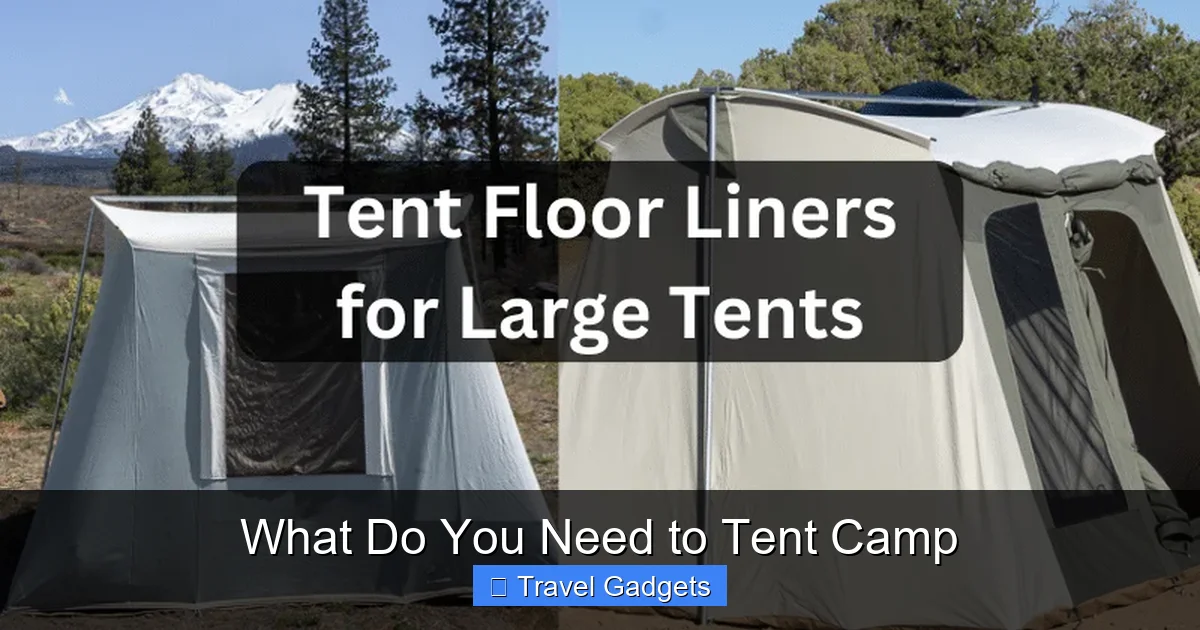
A camp chair with a cup holder is worth its weight in gold. A tarp or footprint protects your tent floor from abrasion. A multi-tool simplifies repairs. A solar charger keeps devices powered. A book, journal, or deck of cards adds downtime fun.
For families, games like cards, frisbee, or a soccer ball extend playtime. For couples, a string of fairy lights turns your tent into a cozy retreat.
Remember: every item should earn its spot in your pack. Ask, “Do I really need this?” before adding it. Overpacking leads to fatigue and regret.
Sample Packing List:
- Tent + stakes + mallet
- Sleeping bag + pad + pillow
- Camping stove + fuel + cookware
- Headlamp + batteries
- First aid kit
- Map + compass + phone
- Water bottles + filter
- Clothing layers + rain gear
- Biodegradable soap + trowel
- Snacks + coffee maker (optional)
Conclusion
So, what do you need to tent camp? More than you might expect—but less than you probably think at first glance. It’s not about owning the most expensive gear. It’s about being prepared, thoughtful, and flexible. With a reliable tent, warm sleeping system, safe cooking setup, and a few smart additions, you’ll create lasting memories without the stress.
Tent camping is more than just sleeping outside—it’s about disconnecting from distractions and reconnecting with yourself and the world around you. Every item you pack plays a role in that journey. By focusing on function, safety, and comfort, you set yourself up for success.
Start small. Pick a weekend trip close to home. Test your gear. Learn from each experience. Soon, you’ll know exactly what you need—because you’ll have tried it all.
And when someone asks, “What do you need to tent camp?” you’ll smile and say, “Just the basics… and maybe a little magic.”
Frequently Asked Questions
What’s the most important thing to bring when tent camping?
The most important item is a reliable tent with a waterproof floor and sturdy poles. Without proper shelter, you risk getting soaked or exposed to wind and cold, which can ruin your entire trip.
Can I camp without a sleeping bag?
Technically, yes—but not comfortably. A sleeping bag provides insulation and warmth. Without it, you’ll likely wake up shivering, especially in temperatures below 60°F. Always bring a bag rated for your expected conditions.
How much water should I bring for tent camping?
Plan for at least 2 liters per person per day for drinking, cooking, and cleaning. If you’re unsure of water sources, carry extra. Purification methods like filters or tablets allow you to refill safely from natural sources.
Is it safe to cook inside a tent?
No, never cook inside your tent. Carbon monoxide buildup or accidental fires can be deadly. Always use a stove outside the tent, away from flammable materials, and follow local fire regulations.
Should I bring my dog when tent camping?
Dogs can enhance your trip, but they must be leashed at all times and kept away from wildlife. Bring extra water, poop bags, and a dog-friendly first aid kit. Some campsites prohibit pets, so check beforehand.
How do I keep bugs away while tent camping?
Use a tent with a built-in mesh screen or bring a separate bug net. Apply insect repellent containing DEET or picaridin. Avoid sweet-smelling lotions and wear long sleeves in wooded areas. Setting up camp away from stagnant water also helps.