
Planning your camping menu doesn’t have to be stressful. Whether you’re grilling over an open fire or heating up a camp stove, choosing the right foods makes all the difference. From quick snacks to hearty dinners, this guide covers everything you need to know about what food to bring when camping in a tent—keeping it simple, tasty, and mess-free.
Camping in a tent is one of the most rewarding ways to connect with nature, breathe fresh air, and unplug from daily distractions. But let’s be honest—without the right food plan, a beautiful campsite can quickly turn into a hungry, cranky ordeal. Whether you’re pitching your tent in a national forest, by a serene lake, or under a canopy of stars, knowing what food to bring when camping in a tent can make your adventure smooth, enjoyable, and unforgettable.
Check the latest prices and available rooms before they sell out.
The key to successful outdoor eating lies not just in flavor, but in practicality. You want meals that are easy to prepare, require minimal equipment, and don’t demand constant refrigeration. Think about how long your trip lasts, what cooking tools you’ll have access to (like a camp stove or fire pit), and how much storage space you can manage. With a little planning, even the simplest ingredients can become gourmet campfire feasts.
From breakfast that fuels your morning hikes to snacks that keep your energy up, every bite should support your adventure. In this guide, we’ll walk you through smart food choices, meal ideas, and pro tips to help you pack like a pro. Let’s get started!
Key Takeaways
- Pack lightweight, non-perishable foods: Choose items that won’t spoil quickly and are easy to carry without adding extra weight to your pack.
- Prioritize one-pot meals: Dishes like pasta, chili, or skillet recipes cook fast with minimal cleanup—perfect for tight camping schedules.
- Don’t skip breakfast favorites: Oatmeal, pancakes, and eggs offer energy to start your day strong, even in the wilderness.
- Bring easy-to-consume snacks: Trail mix, jerky, and fruit are great for quick energy between meals without needing utensils.
- Plan for hydration and seasoning: Pack salt, pepper, oil, and electrolyte drinks to enhance flavor and maintain energy levels.
- Consider dietary needs: Include vegetarian, gluten-free, or allergy-friendly options to ensure everyone enjoys the trip.
📑 Table of Contents
Why Food Planning Matters When Camping in a Tent
When you’re deep in the woods with limited facilities, food becomes more than fuel—it’s comfort, convenience, and confidence. Without a solid plan, you risk running out of essentials, dealing with spoiled food, or spending too much time worrying about meals instead of enjoying the outdoors. Knowing what food to bring when camping in a tent means you spend less time cooking and more time exploring, relaxing, or stargazing.
One of the biggest challenges campers face is balancing nutrition with portability. Heavy canned goods or perishables might seem tempting, but they can weigh down your pack and spoil if left in the sun. Instead, focus on lightweight, compact foods that deliver big flavor and energy. Think dried fruits, nuts, energy bars, and dehydrated meals. These options save space, resist spoilage, and are often ready to eat straight from the bag.
Another factor to consider is meal timing and variety. Eating three balanced meals a day keeps your body energized during physical activities like hiking or fishing. Skipping meals or relying only on junk food leads to fatigue and low mood. A well-planned menu includes carbohydrates for energy, proteins for muscle repair, and healthy fats for sustained fuel. Plus, having a few favorite treats—like chocolate or marshmallows—makes the experience feel special.
Best Types of Foods to Bring When Camping in a Tent
Visual guide about What Food to Bring When Camping in a Tent
Find the Best Accommodation Deals
Compare prices from multiple booking platforms and find the best option for your stay.
Compare Hotel PricesImage source: i.pinimg.com
Not all foods are created equal when it comes to camping. Some are perfect for the great outdoors, while others belong in your kitchen pantry. Here’s a breakdown of the best categories to include in your packing list.
Find the Best Accommodation Deals
Compare prices from multiple booking platforms and discover the best stay options available.
⭐ Trusted by thousands of travelers
💰 Budget to luxury options available
Non-Perishable Staples
These are the backbone of any camping meal plan. They don’t need refrigeration and can withstand heat and humidity. Examples include:
- Dehydrated or freeze-dried meals (easy to rehydrate with hot water)
- Canned beans, tuna, and vegetables (use a manual can opener)
- Pasta, rice, quinoa, and oats (quick-cooking grains)
- Crackers, tortillas, and bread (choose whole grain for extra nutrients)
Protein-Rich Options
Protein helps repair muscles and keeps you full longer. Bring:
- Dry or vacuum-sealed meats like jerky, salami, or beef sticks
- Chicken or turkey slices (great in sandwiches or wraps)
- Tuna or salmon packets (convenient and packed with omega-3s)
- Eggs (boil them at home and store in a cooler if possible)
- Lentils or chickpeas (add to soups or salads)
Snacks for Energy and Mood Boosts
Keep energy levels steady with these portable picks:
Best Stay Deals Available
Compare prices across top booking platforms and find the best deal for your stay.
Check Available Rooms- Trail mix with nuts, seeds, and dried fruit
- Granola or protein bars
- Dark chocolate (melts slowly and satisfies sweet cravings)
- Rice cakes with nut butter
- Fruit leather or dried mango
Beverages That Hydrate and Refresh
Don’t forget to pack drinks beyond just water. Include:
- Electrolyte powders or tablets (help prevent cramps and fatigue)
- Instant coffee or tea bags (a warm drink feels luxurious after a hike)
- Flavored water or powdered drink mixes (keep hydration interesting)
- Hot chocolate packets (perfect for chilly evenings)
Meal Ideas for Every Time of Day
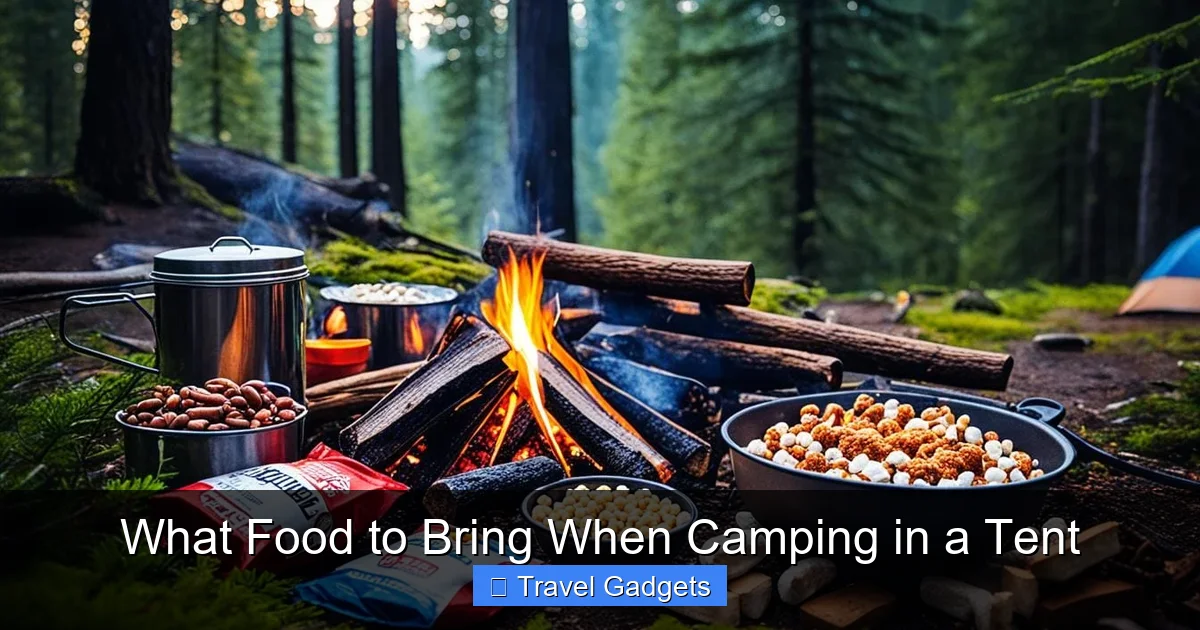
Visual guide about What Food to Bring When Camping in a Tent
Image source: verdanttraveler.com
Having go-to recipes saves time and reduces decision fatigue when you’re tired from setting up camp. Here are some foolproof meals for breakfast, lunch, and dinner.
Breakfast: Fuel for Your Adventure
Start the day right with these easy options:
- Overnight oats: Mix rolled oats with milk or plant-based alternative, chia seeds, and fruit. Store in jars overnight—ready to grab in the morning.
- Pancakes on a stick: Make small batter portions on skewers or foil pans. Cook over a camp stove and serve with syrup.
- Scrambled eggs with veggies: Whisk eggs with diced peppers and onions in a foil pan. Add cheese for extra flavor.
- Yogurt parfait: Layer Greek yogurt with granola and berries. Use a thermos to keep cool.
Lunch: Light, Satisfying, and Fast
Lunch should be filling but not heavy. Try:
- Tuna or chicken salad wraps: Mix canned fish with mayo, celery, and spices. Wrap in tortillas with lettuce.
- Quinoa or rice bowls: Combine cooked grains with black beans, corn, avocado, and salsa.
- Vegetable soup: Simmer carrots, potatoes, and broth over the stove. Season with herbs and lemon juice.
- Cheese and cracker plates: Pair hard cheeses with whole-grain crackers and apple slices.
Dinner: Hearty and Memorable
Evenings call for comforting meals. Consider:
- One-pot pasta: Sauté garlic and onions, add marinara, pasta, and spinach. Simmer until tender.
- Campfire chili: Brown ground meat with onions, then simmer with beans, tomatoes, and spices.
- Foil packet dinners: Wrap salmon, potatoes, and broccoli in foil with olive oil and herbs. Cook over coals.
- Grilled cheese and tomato soup: A nostalgic favorite that’s surprisingly easy at camp.
Smart Packing Tips for Camp Food
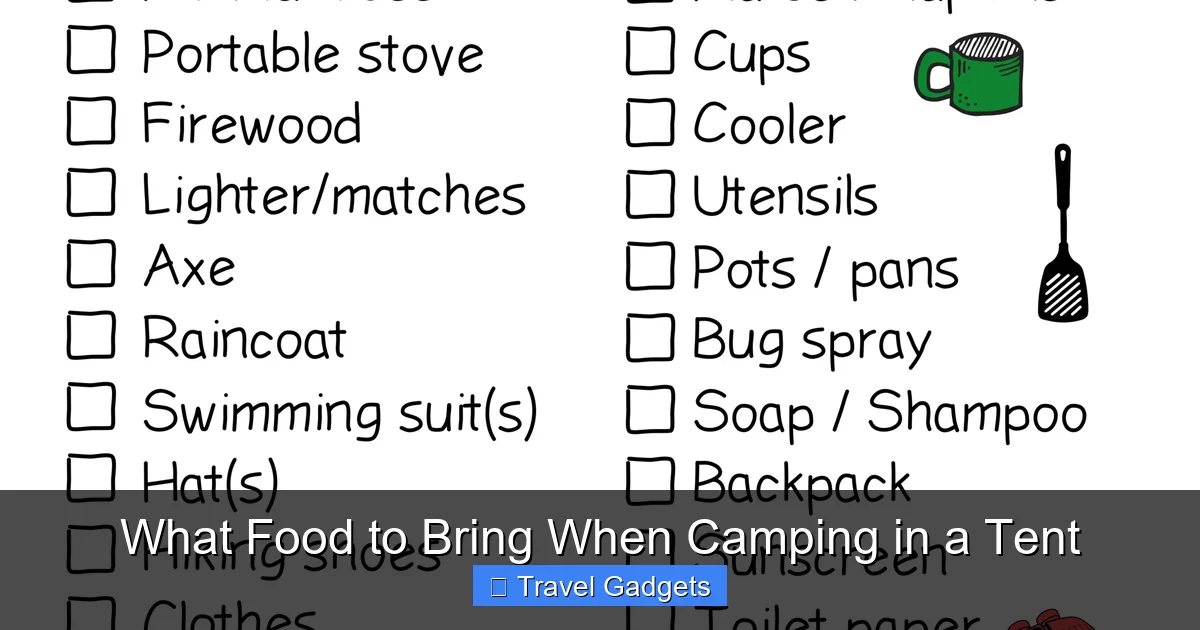
Visual guide about What Food to Bring When Camping in a Tent
Image source: suncatcherstudio.com
Packing food efficiently ensures you have what you need without overloading your gear. Here’s how to do it right.
Use Reusable Containers and Bags
Instead of single-use plastic, invest in silicone bags or glass containers. They’re reusable, eco-friendly, and keep food fresh. Label them so you know what’s inside without opening each one.
Prep Ahead When Possible
Wash and chop veggies, marinate meats, or assemble trail mix at home. This saves time at camp and reduces waste. Just remember to keep perishables cold with a portable cooler and ice packs.
Organize by Meal and Activity
Group your food by type—breakfast items here, snacks there, dinner supplies in another container. This makes meal prep faster and reduces confusion.
Pack Utensils and Extras
Don’t forget:
- Portable cutting board
- Collapsible colander
- Sporks or multi-tools
- Paper towels or biodegradable wipes
- Ziplock bags for leftovers or trash
Plan for Leftovers and Waste
Bring a sealable container for leftovers and pack out all trash—including food scraps. Follow Leave No Trace principles to protect the environment.
Special Dietary Needs and Allergies
Whether you’re camping solo or with family, it’s important to accommodate dietary restrictions. Here’s how to handle common needs.
Vegetarian and Vegan Options
Skip the meat with:
- Hummus and veggie wraps
- Stir-fried tofu with rice
- Black bean tacos
- Avocado toast on whole grain bread
Gluten-Free Choices
Replace wheat-based items with:
- Gluten-free pasta or rice noodles
- Corn tortillas
- Quinoa or millet
- GF crackers and breads
Nut Allergy Alternatives
For safety, avoid cross-contamination. Use sunflower seed butter instead of peanut butter, and choose snacks labeled “nut-free.”
Kids and Picky Eaters
Include familiar favorites like PB&J sandwiches, fruit cups, and cheese cubes. Keep portions small and fun—like mini pizzas in foil.
Final Thoughts: Enjoy the Journey, Not Just the Meals
At the end of the day, the goal of camping isn’t just about eating—it’s about connection. Sharing a meal around a crackling fire, watching the sunrise with a warm cup of coffee, or laughing over a slightly burnt pancake are memories that last far longer than any recipe. So while it’s smart to plan what food to bring when camping in a tent, don’t forget to leave room for spontaneity, joy, and the simple act of tasting something delicious in nature.
With the right mindset and a well-stocked pantry, your next camping trip will be as satisfying as it is scenic. Pack wisely, eat well, and most importantly—enjoy every bite.
Frequently Asked Questions
What are the easiest foods to cook when camping in a tent?
Simple meals like pasta, scrambled eggs, and foil packet dinners require minimal setup and cleanup. These dishes use basic tools and ingredients, making them ideal for camping.
Can I bring perishable food in a tent?
Yes, but only if you have a cooler with ice packs. Perishables like cheese, yogurt, and pre-cooked meals stay safe for short trips. Plan accordingly based on how long you’ll be camping.
How do I keep food safe from bugs and animals?
Store all food in sealed containers or bear-proof cans. Hang food away from your tent if needed, and never leave crumbs or wrappers behind.
What’s the best way to store food in a tent?
Keep food in airtight containers inside a cooler or insulated bag. Avoid storing food directly in your sleeping area to prevent odors and pests.
Are dehydrated meals worth bringing?
Absolutely. Dehydrated meals are lightweight, take up little space, and only need hot water. They’re perfect for quick, satisfying dinners with minimal effort.
Can I eat fresh fruit while camping?
Yes, but choose durable varieties like apples, oranges, or bananas. Peel them carefully to avoid attracting animals, and wash fruit if possible using filtered or bottled water.