
Planning a camping trip in a tent? You don’t need to overpack or underprepare. This guide breaks down exactly what you need—from shelter and sleeping gear to food and safety tools—so you can enjoy nature without stress. With the right essentials, your tent becomes more than just a roof—it’s your home away from home.
There’s something magical about waking up to the sound of birds chirping, the smell of pine trees, and the sight of mist rolling over mountain peaks. Camping in a tent connects us to nature in a way that few other experiences can. But before you step into the great outdoors, it helps to know exactly what you need for camping in a tent—no guesswork, no last-minute panic, and definitely no cold nights shivering in the dark.
Check the latest prices and available rooms before they sell out.
Whether you’re pitching your first tent at a weekend festival or heading deep into the backcountry, having the right gear makes all the difference. The good news? You don’t need a full army to have a great trip. With a solid list of essentials, you can focus on what really matters: exploring, relaxing, and making memories.
Let’s walk through everything you truly need for camping in a tent—broken down into practical categories so you can pack smarter and camp safer.
Key Takeaways
- Shelter is key: A reliable tent protects you from wind, rain, and wildlife—choose one suited to your environment and group size.
- Sleeping systems matter: A quality sleeping bag, pad, and pillow ensure comfort and warmth through the night.
- Pack smart with a backpack: Use a durable, well-fitted backpack to carry all your gear efficiently.
- Light up the night: Headlamps and lanterns provide hands-free lighting and improve visibility after dark.
- Food prep is essential: Bring lightweight stoves, cookware, and easy-to-prepare meals that fuel your adventures.
- Safety comes first: Carry a first aid kit, map, fire starter, and emergency whistle for peace of mind.
- Don’t forget personal items: Sunscreen, insect repellent, toiletries, and clothing layers round out your must-haves.
📑 Table of Contents
1. Tent and Setup Essentials
The tent is the centerpiece of your campsite. It’s not just shelter—it’s your bedroom, living room, and emergency bunker all rolled into one.
Choosing the Right Tent
Start by picking a tent based on how many people will sleep in it (your group size) and where you’ll be setting up. For solo trips, a 1-person ultralight model works great. For couples or families, a 2- or 4-person tent offers more space. Look for features like:
– Weather resistance (waterproof seams, bathtub floors)
– Ventilation (mesh panels reduce condensation)
– Easy setup (color-coded poles and clips save time)
Pitching Supplies
Even the best tent needs the right tools to go up smoothly. Bring:
– Stakes and guylines: Keep your tent secure in windy conditions.
– Tarp or footprint: Place this underneath your tent to protect the floor from abrasion and moisture.
– Mallet or rock: To drive stakes into hard ground.
– Repair kit: Includes spare poles, patches, and duct tape for quick fixes.
Pro tip: Practice setting up your tent at home before you leave. Nothing ruins morale like struggling with tangled ropes in the dark.
2. Sleeping Gear for Comfort
Find the Best Accommodation Deals
Compare prices from multiple booking platforms and find the best option for your stay.
Compare Hotel PricesVisual guide about What I Need for Camping in a Tent
Image source: static.vecteezy.com
Find the Best Accommodation Deals
Compare prices from multiple booking platforms and discover the best stay options available.
⭐ Trusted by thousands of travelers
💰 Budget to luxury options available
After a long day of hiking or exploring, nothing beats sinking into a soft bed—even if it’s on the forest floor.
Sleeping Bag
Your sleeping bag keeps you warm, but only if it matches the season. Choose an EN rating (European Norm) to compare warmth levels. For example:
– 0°F to 32°F: Ideal for winter camping
– 32°F to 50°F: Great for shoulder seasons
– 50°F and above: Perfect for summer
Down bags are lighter and compress better, but synthetic ones dry faster if wet—important near waterfalls or rainy climates.
Best Stay Deals Available
Compare prices across top booking platforms and find the best deal for your stay.
Check Available RoomsSleeping Pad
Bodies lose heat fast to cold ground. A sleeping pad acts as insulation and cushioning. Options include:
– Inflatable pads (lightweight, adjustable firmness)
– Foam pads (durable, no air leaks, great for backpacking)
– Self-inflating hybrid models (combine comfort and convenience)
Roll out your pad inside the tent before lights out—this prevents drafts and keeps you cozy.
Pillow and Linen
Bring a small inflatable pillow or stuff an extra shirt into a stuff sack for head support. Even a lightweight sleeping bag liner can add warmth and extend your bag’s life.
3. Backpack: Your Trusty Sidekick
Visual guide about What I Need for Camping in a Tent
Image source: i.pinimg.com
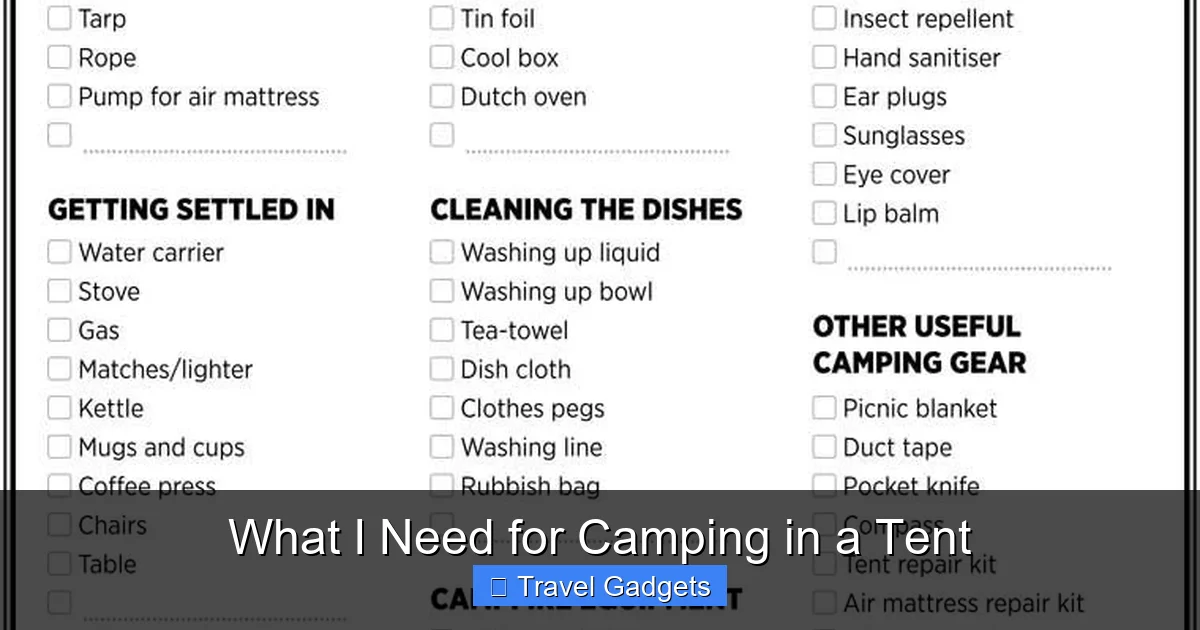
All your gear needs a home, and that’s where a good backpack comes in.
What Makes a Great Camping Backpack?
Look for:
– Adjustable straps and torso length for comfort
– Multiple compartments for organization
– Rain cover (usually stored in a side pocket)
– Frame design: Internal frames offer support; external frames suit heavy loads
For weekend trips, a 40–60L pack usually suffices. For multi-day hikes, go for 60–80L.
How to Pack Like a Pro
Use the “bottom-heavy” method:
– Put heavier items (stove, fuel, food) at the bottom
– Place sleeping bag and pad at the top or in a separate compartment
– Keep frequently used items (snacks, flashlight, rain jacket) in outer pockets
– Balance weight evenly to avoid strain
Pro tip: Dry-fit your pack at home with all your gear. If it doesn’t fit, adjust your list—or upgrade your pack.
4. Lighting and Power Solutions
Visual guide about What I Need for Camping in a Tent
Image source: gluesticksgumdrops.com
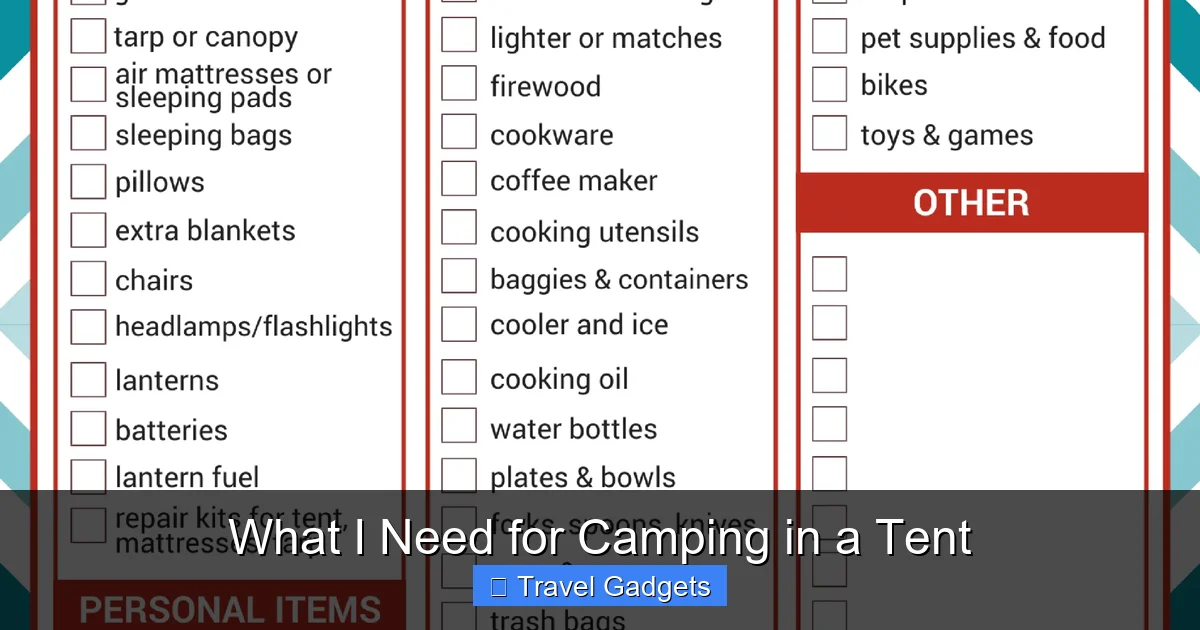
When the sun goes down, visibility drops fast—and so does safety.
Headlamps Are Non-Negotiable
Hands-free lighting lets you read, cook, or navigate without dropping everything. Choose one with:
– Bright LED light (at least 200 lumens)
– Red-light mode (preserves night vision)
– Long battery life (or rechargeable)
Always carry extra batteries or a portable charger.
Camp Lanterns
For ambient light around the campsite, a lantern adds atmosphere. Solar-powered or USB-rechargeable options are eco-friendly and convenient. Avoid open flames when possible—they attract bugs and pose fire risks.
Power Banks and Chargers
Keep your phone charged for navigation and emergencies. A compact power bank with multiple ports can charge phones, GPS units, and even small devices like e-readers.
5. Cooking and Eating Gear
Meals on the trail don’t have to be complicated. With the right tools, you can whip up hearty breakfasts, quick dinners, and satisfying snacks.
Camping Stove
Portable stoves come in three main types:
– Canister stoves (easy, quiet, good for calm weather)
– Liquid fuel stoves (works in extreme cold, refuelable)
– Wood-burning stoves (eco-friendly, no fuel needed—but check local regulations)
Choose one compatible with your destination’s climate and fuel availability.
Cookware Set
Bring lightweight pots, pans, sporks, and bowls. A nesting set saves space. Don’t forget a lid—it doubles as a plate!
Food Storage
Use bear-resistant containers or hang food in a bear bag if you’re in bear country. Store odorous foods (cheese, fish) separately to avoid attracting animals.
Hydration and Snacks
Carry enough water—or a water filter/purifier—for your trip. Bring high-energy snacks like nuts, granola bars, and dried fruit. Dehydrated meals are also a hit: just add hot water and wait 10 minutes.
6. Safety and Emergency Items
Preparation isn’t just about comfort—it’s about survival.
First Aid Kit
A compact kit should include:
– Bandages, gauze, adhesive strips
– Antiseptic wipes and ointment
– Blister treatment (like moleskin)
– Pain relievers and antihistamines
– Any personal medications
Tailor it to your group’s needs—kids might need child-safe meds, for example.
Navigation Tools
Even if you use GPS, carry a physical map and compass. Electronics die, but paper doesn’t. Learn basic map-reading skills before you go.
Fire Starters
Waterproof matches, a lighter, and tinder (dry leaves, cotton balls soaked in petroleum jelly) help you start fires safely. Never burn plastic or treated wood.
Emergency Whistle and Signal Mirror
These tiny tools could save your life. Use the whistle (international distress signal is three blasts) and mirror to signal rescuers.
Weather-Appropriate Clothing
Layering is your best defense against temperature swings. Include:
– Moisture-wicking base layer
– Insulating mid-layer (fleece or down)
– Waterproof outer shell
– Warm hat and gloves (even in summer, nights get chilly)
Don’t forget extra socks—moisture kills warmth fast.
7. Personal Care and Extras
Small details make big differences in comfort and hygiene.
Sun Protection
Apply broad-spectrum sunscreen (SPF 30+), wear a wide-brimmed hat, and use UV-protective sunglasses. Reapply every few hours, especially after swimming or sweating.
Insect Repellent
Ticks and mosquitoes aren’t just annoying—they carry diseases. Use EPA-approved repellents containing DEET, picaridin, or oil of lemon eucalyptus.
Toiletries and Waste Disposal
Pack biodegradable soap, hand sanitizer, toothbrush, and toilet paper. Follow Leave No Trace principles: bury human waste 6–8 inches deep, at least 200 feet from water sources.
Entertainment and Extras
Bring a book, deck of cards, or journal. A small camp chair adds luxury. Binoculars enhance wildlife viewing. Just keep extras minimal to avoid overpacking.
Frequently Asked Questions
Do I really need a separate tent footprint?
Yes! A footprint protects your tent floor from sharp rocks, roots, and moisture. Most tents come with one, but if yours doesn’t, buy a generic one slightly smaller than your tent. It’s a small investment for long-term care.
Can I sleep in my tent without a sleeping pad?
It’s possible, but not recommended. Ground conducts heat, so you’ll lose body heat quickly, especially in cold or damp conditions. A pad adds insulation and comfort—worth the extra pound.
How much water should I bring for a two-day camping trip?
Aim for 2 liters per person per day. That means 4 liters total for two people. Always carry more than you think you’ll need, and consider a water filter if natural sources are available.
Is it safe to cook inside my tent?
Never! Carbon monoxide buildup from stoves is deadly. Always cook outside, downwind, and away from your tent. Keep flammable materials like tents and clothes clear.
What’s the most important item I shouldn’t forget?
Ahead of all else, a reliable flashlight or headlamp. Without light, you can’t see trails, read maps, or move safely after dark. Make sure it’s fully charged—and bring backups.
Should I bring a portable Wi-Fi hotspot?
Only if you absolutely need it. Cell service is rarely available in remote areas, and hotspots drain battery fast. Instead, download offline maps, podcasts, or books beforehand. Enjoy the digital detox!