
A bivy tent is a compact, minimalist shelter designed for overnight camping in harsh or remote environments. It offers protection from wind, rain, and cold while weighing just a few pounds—perfect for ultralight travel. Think of it as a cozy, portable cocoon that keeps you dry and warm without taking up space in your pack.
Key Takeaways
- Understanding what is a bivy tent: Provides essential knowledge
📑 Table of Contents
What Is a Bivy Tent?
Imagine hiking through a remote mountain pass at dawn, the air crisp and the sky painted in shades of orange. You’ve packed light—no bulky tent, no heavy stove. Just your sleeping bag, a thin pad, and something small, breathable, and tough: a bivy tent. That’s exactly what a bivy tent is—a tiny, streamlined shelter built for adventure without the bulk.
Check the latest prices and available rooms before they sell out.
A bivy tent, often called a “bivy sack” or “bivvy,” is essentially a one-person waterproof shell that slips over your sleeping bag. Unlike traditional tents, it doesn’t require poles or complex assembly. Instead, it’s a sealed, weather-resistant cover that protects you from rain, snow, wind, and even insects. Think of it like wearing a raincoat while you sleep—except this coat is made of durable nylon or silicone-coated fabric and zips open at the bottom for easy entry.
Originally developed for military use and later adopted by mountaineers, bivy tents have become a staple among ultralight backpackers who prioritize weight savings over comfort. They’re also used by emergency responders and survivalists because they can be deployed quickly in life-threatening conditions. But don’t let their simplicity fool you—modern bivies come in all shapes, sizes, and technologies to suit different environments.
The Evolution of the Bivy Tent
From Military Origins to Backpacker Favorite
The concept of a portable, compact shelter isn’t new. During World War II, British commandos carried lightweight ponchos and emergency blankets into battle zones. These early versions were basic—just a sheet of plastic or foil to trap body heat. Over time, these evolved into more functional designs, especially in extreme environments like arctic expeditions or high-altitude climbs where space and weight were non-negotiable.
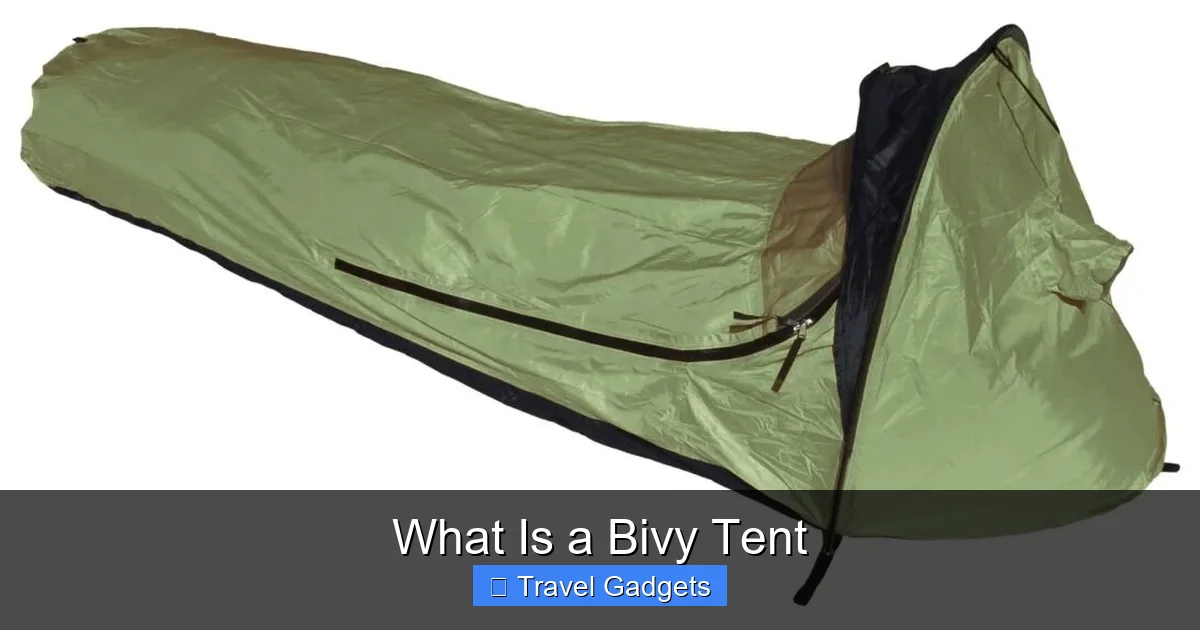
In the 1980s and 1990s, outdoor brands began experimenting with synthetic fabrics and improved sealing techniques. The goal? To create something both durable and packable. By the 2000s, the rise of ultralight backpacking culture brought bivy tents into the mainstream. Now, brands like Mountain Hardwear, Zpacks, and Hilleberg offer models that balance protection, breathability, and minimalism.
Find the Best Accommodation Deals
Compare prices from multiple booking platforms and find the best option for your stay.
Compare Hotel PricesHow Bivy Tents Compare to Traditional Tents
Let’s compare apples to apples. A standard two-person tent might weigh 4–6 pounds and take 5–10 minutes to set up. A bivy tent, by contrast, weighs between 1–2 pounds and unfolds in seconds. That’s not just lighter—it’s faster, quieter, and easier to carry.
But here’s the catch: bivy tents aren’t meant to replace your main tent in most campsites. They lack windows, room for gear, and full ventilation systems. Instead, they’re best used as a backup shelter, an emergency option, or as your primary home on multi-day treks where setup speed matters.
Find the Best Accommodation Deals
Compare prices from multiple booking platforms and discover the best stay options available.
⭐ Trusted by thousands of travelers
💰 Budget to luxury options available
How a Bivy Tent Works: Design & Features
Core Components Explained
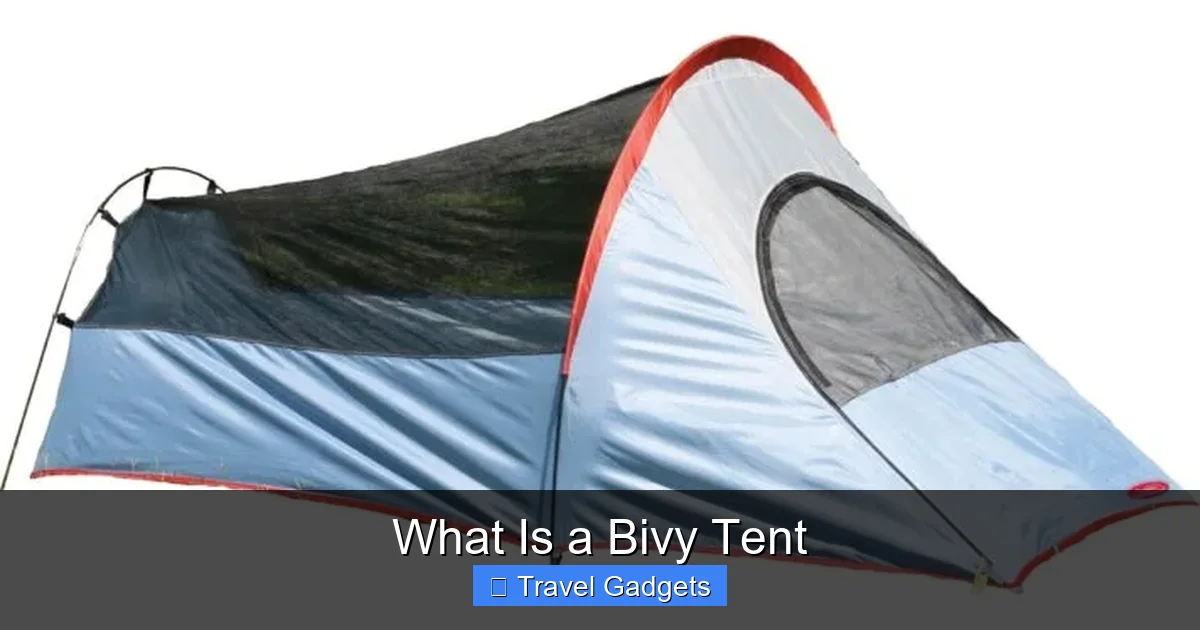
At its heart, a bivy tent is deceptively simple. It has three main parts:
Visual guide about What Is a Bivy Tent
Best Stay Deals Available
Compare prices across top booking platforms and find the best deal for your stay.
Check Available RoomsImage source: expocafeperu.com
- The Shell: Made from waterproof, breathable fabric (usually ripstop nylon with a DWR coating or silicone finish). This repels rain and blocks wind.
- The Floor: A separate waterproof layer sewn underneath to prevent ground moisture from seeping in. Some models include a foot vent for airflow.
- The Entrance: A zippered flap that opens downward for easy access while keeping weather out.
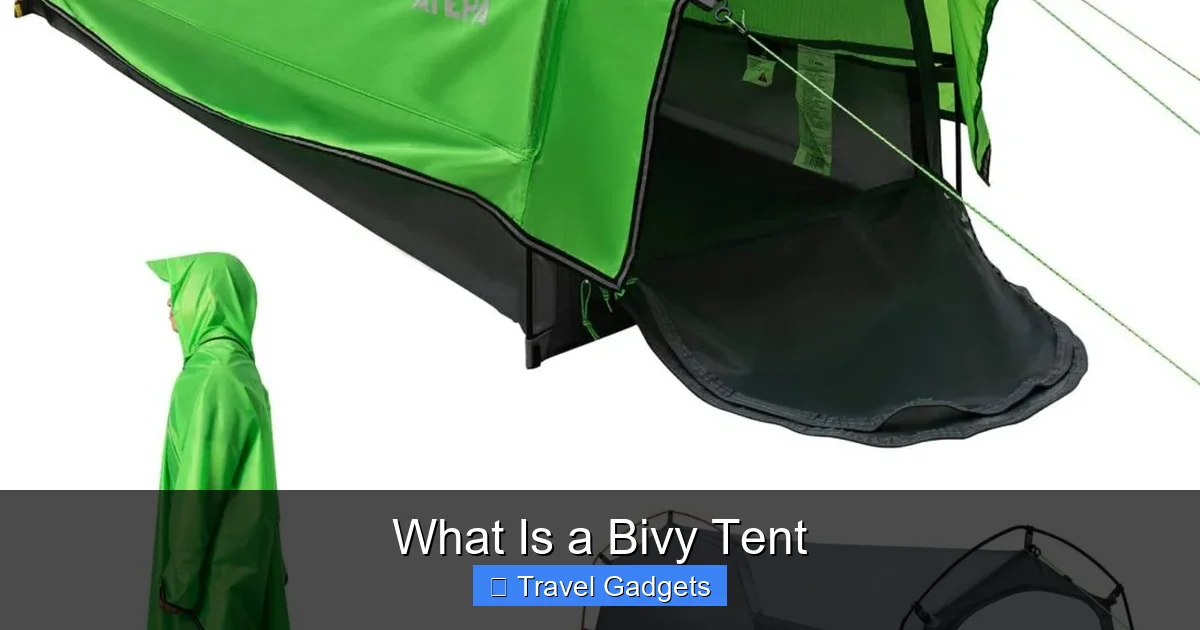
Some advanced models add features like mosquito netting, reflective strips, or integrated bug screens. Others come with guy lines and buckles so you can secure them to rocks or trees for extra stability.
Ventilation vs. Weather Protection
This is where bivy tents get tricky. Because they’re sealed like a bag, they can trap condensation—especially in cold, damp climates. To combat this, many bivies have small mesh panels near the head or a partial zipper that lets in airflow without letting rain in.
For example, the Zpacks Duplex uses dual layers of fabric with an inner breathable membrane and outer storm barrier. In hot weather, you can unzip the bottom and tuck it under your feet to reduce heat buildup. But remember: bivies aren’t designed for tropical climates. If you’re sweating heavily, consider a ventilated tarp instead.
When to Use a Bivy Tent: Pros & Cons
Best Scenarios for a Bivy Tent
Bivy tents shine in specific situations:
Visual guide about What Is a Bivy Tent
Image source: expocafeperu.com
- Ultralight Backpacking: When every gram matters—like thru-hiking the Pacific Crest Trail or climbing Denali.
- Winter Camping: In snowy or icy conditions where insulation and wind protection are critical.
- Emergency Situations: As a last-resort shelter after a broken tent or sudden storm.
- Minimalist Travelers: For those who prefer sleeping directly under the stars (with a little insurance).
Limitations You Should Know
Don’t expect luxury. Bivy tents:
- Offer no storage space for boots, jackets, or food.
- Can feel claustrophobic if you’re tall or restless sleeper.
- Require a closed-cell foam pad to avoid melting the floor with body heat.
- May not handle prolonged wet weather as well as a full tent.
If you camp frequently in mild weather and value comfort, a small footprint tent might serve you better. But if you’re serious about reducing pack weight or preparing for emergencies, a bivy is a smart investment.
Choosing the Right Bivy Tent for Your Needs
Factors to Consider Before Buying
Not all bivy tents are created equal. Here’s what to look for:
- Weight: Ultralighters aim for under 14 oz (400g). Budget models can be twice that.
- Weather Rating: Check the hydrostatic head rating (e.g., 3000mm = good for moderate rain; 10,000mm+ = alpine-grade).
- Pack Size: Most fit inside a 7×10-inch stuff sack. If you bike-pack, size matters more.
- Ventilation System: Mesh vents, partial zippers, or dual-layer designs help manage condensation.
- Durability: Look for taped seams, reinforced floors, and abrasion-resistant materials.
Top Picks Across Categories
Here’s a quick guide:
- Ultralight Enthusiasts: Zpacks Arc Bivy (13.6 oz) – ultra-strong Dyneema.
- All-Weather Performance: Hilleberg Anjan 2 (1 lb 12 oz) – legendary durability.
- Value Pick: REI Co-op Flash Air Dome ($79) – great balance of price and quality.
- Emergency Use: SOL Emergency Bivvy ($15) – reflective thermal blanket style.
Pro tip: Always test your bivy at home first. Set it up on your bed, pour water on it, and see how it performs. Nothing beats real-world prep!
Setting Up & Maintaining Your Bivy Tent
Step-by-Step Setup Tips
- Unfold the bivy on a flat, clean surface (like your sleeping pad).
- Slide your sleeping bag inside, ensuring the hood aligns with the bivy’s head area.
- Zip the entrance closed except for a small gap for ventilation.
- Use guy lines if provided—tension helps stabilize the structure in wind.
- Place a closed-cell foam pad directly on the ground before laying down.
Remember: unlike tents, bivies don’t stand up alone. You’ll always be sleeping inside them, so comfort starts with your sleeping system.
Care & Longevity
To keep your bivy in top shape:
- Dry it thoroughly after each use—moisture invites mold.
- Store uncompressed to preserve the DWR coating.
- Avoid dragging it over sharp rocks; use a groundsheet if needed.
- Wash only if dirty—use mild soap and air dry.
With proper care, a quality bivy can last 5–10 years, even with heavy use.
The Future of Bivy Tents: Innovation on the Horizon
As outdoor tech advances, so do bivy tents. Recent innovations include:
- Self-Inflating Mats Integrated with Bivies: Brands are exploring hybrid designs that combine shelter and mattress.
- Solar-Powered Ventilation Fans: Tiny fans that run off solar panels to improve airflow.
- Smart Materials: Fabrics that adapt permeability based on humidity levels.
While we’re not quite at sci-fi territory yet, the trend is clear: lighter, smarter, and more adaptable. And for backpackers, that’s music to their ears.
Frequently Asked Questions
Is a bivy tent suitable for beginners?
Yes, but with caveats. Beginners should practice setting up their bivy at home and understand its limitations—like poor ventilation in warm weather. It’s best used as a secondary shelter until you’re comfortable with ultralight camping.
Can you cook inside a bivy tent?
No, never. Cooking indoors creates dangerous fumes and fire risk. Always cook outside using a dedicated camp stove.
Do bivy tents keep bugs out?
Most modern bivies have fine mesh or no mesh at all to maximize weatherproofing. If mosquitoes are a concern, choose a model with an insect screen or use a separate bug net.
How do you stay warm in a bivy tent at night?
Layer up! Use a high-loft sleeping bag, wear a hat, and place a hand warmer inside the bivy. Avoid cotton clothing—it retains moisture and loses insulating power.
Are bivy tents waterproof?
They’re highly water-resistant but not 100% waterproof. Rain will eventually seep through seams or over time as the DWR coating wears off. Pair with a ground tarp for extra protection.
Can you use a bivy tent without a sleeping bag?
Technically yes, but it defeats the purpose. The bivy is designed to work with your sleeping bag to retain body heat. Without it, you’ll lose warmth rapidly.