
A camping tent footprint is a protective ground cloth placed under your tent to shield the floor from abrasion, moisture, and damage. It’s one of the most underrated gear items—yet it can make or break your comfort and tent longevity on the trail. Think of it as a silent guardian beneath your shelter, quietly preserving your investment while keeping you dry and cozy.
Have you ever set up your tent only to realize the floor is damp, torn, or covered in pine needles? Or maybe you’ve woken up to a soggy sleeping bag because the ground was too wet? If so, you’re not alone. Many campers overlook one simple piece of gear that could prevent these common headaches: the camping tent footprint.
Check the latest prices and available rooms before they sell out.
At first glance, it might seem like just another small accessory—something to toss in your pack and forget about. But trust me, once you understand what a footprint really does, you’ll wonder how you ever camped without one. It’s the unsung hero of outdoor gear, quietly doing the heavy lifting so you can enjoy a dry, comfortable night under the stars. In this article, we’ll dive deep into everything you need to know about camping tent footprints—what they are, why they matter, how to choose the right one, and how to use them like a pro.
Whether you’re a weekend warrior, a thru-hiker, or someone who just loves weekend getaways in the woods, understanding footprints will change the way you think about tent setup. Let’s get started!
Key Takeaways
- What it is: A camping tent footprint is a durable, waterproof cover designed to fit precisely under your tent, protecting the floor from ground moisture and wear.
- Why it matters: Using a footprint extends your tent’s lifespan by preventing tears, punctures, and fabric degradation caused by sharp rocks, roots, and wet conditions.
- Types available: Footprints come in custom-fit (best option), generic sizes, or DIY options like heavy-duty tarps—each offering different levels of protection and convenience.
- Weather protection: While not a full rainfly, some footprints add extra water resistance and help keep condensation off the tent floor during humid nights.
- Easy setup: Most footprints are lightweight, packable, and quick to deploy—ideal for backpackers and campers who value efficiency and durability.
- Cost-effective upgrade: At a fraction of the price of a new tent, a footprint is a smart, affordable way to upgrade your camping experience without breaking the bank.
📑 Table of Contents
What Exactly Is a Camping Tent Footprint?
At its core, a camping tent footprint is a thin, durable layer of material placed directly under your tent’s floor. Think of it as a protective mat—similar to a doormat, but built tough for the wilderness. Its primary job is to act as a barrier between your tent’s floor and the ground, shielding it from dirt, moisture, sharp objects, and wear and tear.
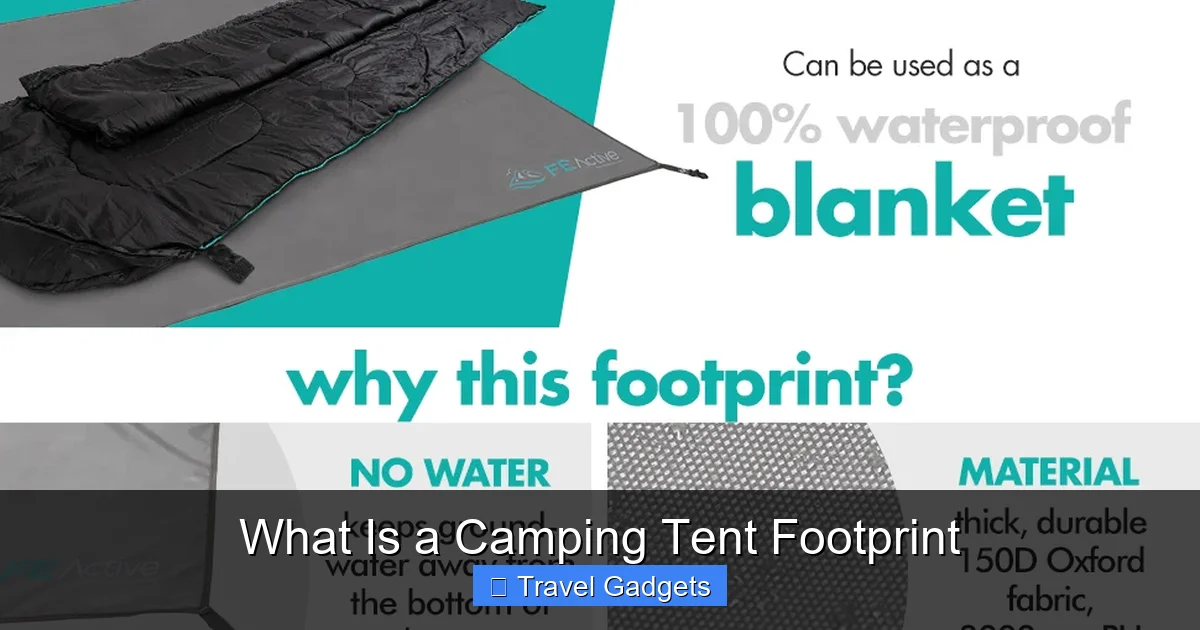
Most footprints are made from waterproof materials like ripstop nylon or polyester coated with polyurethane (PU) or silicone. These materials resist tearing, resist water absorption, and hold up well to repeated use. Unlike regular tarps or sheets, footprints are specifically cut and shaped to match the dimensions and shape of your tent, ensuring full coverage without excess material.
Now, you might be wondering: “Can’t I just use an old tarp or a piece of cardboard instead?” Sure, you *could*, but that’s like using a paper plate as a laptop stand—it works in a pinch, but it won’t last. A proper footprint is engineered for performance. It’s lightweight enough to carry, yet rugged enough to handle rocky trails, muddy campsites, and everything in between.
The Science Behind Footprint Protection
The science is simple: nature is tough on tents. Every time you pitch your shelter, the floor rubs against rough terrain. Roots poke through seams. Rocks scrape against fabric. Rain seeps up from damp soil. Over time, all of this adds up—leading to premature wear, leaks, and even structural damage.
A footprint interrupts this process. By creating a smooth, clean surface beneath your tent, it prevents direct contact between the floor and the elements. This means less friction, fewer punctures, and no water soaking through into your tent. In short, it’s like giving your tent a crash pad—keeping it safe so you don’t have to worry about repairs mid-trip.
Find the Best Accommodation Deals
Compare prices from multiple booking platforms and find the best option for your stay.
Compare Hotel PricesWhy Should You Use a Tent Footprint?
Let’s talk practicality. Why bother with a footprint when your tent already has a floor? Great question—and here’s why the answer is “yes, absolutely.”
First and foremost, a footprint protects your tent’s floor. Most tent floors are made of thin, delicate materials like ripstop nylon or polyester. While strong, they’re not designed to withstand constant abrasion. Without a footprint, the floor can develop small holes, rips, or thinning spots—especially if you’re camping on uneven or rocky ground. Once damaged, the floor becomes prone to leaks, and replacing a tent floor isn’t cheap.
Find the Best Accommodation Deals
Compare prices from multiple booking platforms and discover the best stay options available.
⭐ Trusted by thousands of travelers
💰 Budget to luxury options available
Second, footprints improve comfort. Ever tried sleeping on damp grass or gravel? Not ideal. A footprint keeps the inside of your tent dry by blocking ground moisture. This is especially important in spring or fall when dew forms overnight. Plus, it creates a cleaner, flatter sleeping surface—no more digging out your sleeping bag from under leaves!
Third, they extend the life of your gear. Investing in a footprint is like buying insurance for your tent. For less than the cost of a new pair of boots, you’re adding years to your shelter’s usability. That’s smart camping.
Finally, footprints help maintain hygiene. They keep mud, bugs, and animal droppings away from your tent floor—making cleanup easier and reducing the risk of contamination.
Best Stay Deals Available
Compare prices across top booking platforms and find the best deal for your stay.
Check Available RoomsReal-World Examples
Imagine you’re camping at a popular site with packed-down dirt and occasional puddles. Without a footprint, your tent floor gets soaked from below. With one, you wake up dry.
Or picture a backpacker hiking through dense forest with roots everywhere. Without protection, their tent floor develops tiny holes after just a few trips. With a footprint, those holes stay intact—even after years of use.
These aren’t hypotheticals. They’re everyday realities for campers who skip this simple step.
Types of Camping Tent Footprints
Not all footprints are created equal. There are several types, each suited to different needs and budgets. Let’s break them down.
1. Custom-Fit Footprints
These are the gold standard. Manufacturers design them to match the exact dimensions and shape of specific tent models. For example, REI sells a footprint made for the Kelty Cosmic 2, while MSR makes one for the Hubba Hubba NX.
Pros: Perfect coverage, maximum protection, often includes grommets for stake points.
Cons: More expensive, only compatible with certain tents.
If you own a high-end tent, a custom footprint is worth every penny. It’s the easiest way to ensure full protection.
2. Generic or Universal Footprints
These are larger mats that can fit multiple tent sizes. Brands like Sea to Summit and Outdoor Research offer universal options that work with many dome or tunnel tents.
Pros: Affordable, versatile, good for multi-tent owners.
Cons: May leave gaps around the edges, requiring tape or extra stakes.
They’re a solid middle-ground choice if you camp with different tents or don’t want to buy multiple custom pieces.
3. DIY Footprints
Some campers repurpose materials like heavy-duty tarps, old sleeping pads, or even canvas sheets. While creative, this approach has drawbacks.
Pros: Free or low-cost, customizable size.
Cons: Not always waterproof, hard to secure, may sag or shift during storms.
If you go the DIY route, make sure the material is fully waterproof and cut it slightly smaller than your tent floor so water doesn’t pool underneath.
4. Tarp-Style Footprints
These are large, flat tarps meant to cover the entire area under your tent. Often used by car campers or basecamp setups.
Pros: Covers more space, great for group shelters.
Cons: Bulky, harder to fold, not ideal for backpacking.
Perfect if you’re setting up in a fixed location and prioritize space over portability.
How to Choose the Right Footprint for Your Tent
Picking the right footprint isn’t complicated—but it does require attention to detail. Here’s what to consider:
Size Matters
Measure your tent floor carefully. The footprint should be slightly smaller than the tent floor—about half an inch on all sides. This ensures water runs off instead of pooling underneath. If it’s too big, you’ll have excess material flapping in the wind and potential leaks at the edges.
Material Quality
Look for footprints made from durable, waterproof fabrics. Ripstop nylon with PU coating is standard and reliable. Avoid thin plastics or non-coated fabrics—they won’t hold up long-term.
Pockets and Grommets
Many high-quality footprints include built-in pockets or reinforced grommets where you can attach stakes. This helps anchor the footprint securely and prevents it from shifting when you pitch your tent.
Weight and Packability
For backpackers, weight is crucial. A typical footprint weighs between 6–12 ounces. Make sure it packs down small enough to fit comfortably in your tent bag or side pocket.
Price vs. Value
You don’t need to spend $50 on a footprint. But skipping protection entirely costs more in the long run. Aim for something in the $15–$30 range—that’s where most reliable options live.
How to Use and Maintain Your Tent Footprint
Using a footprint is straightforward—but doing it correctly makes all the difference.
Step-by-Step Setup
- Spread the footprint flat on the ground before placing your tent.
- Align it perfectly with the tent floor—edges should match.
- Pitch your tent directly onto the footprint.
- Stake out both the tent and footprint (if it has its own stake points).
- Ensure no wrinkles or folds remain under the tent.
Pro tip: Lay the footprint on a clean surface first. Shake out any debris or sharp objects before pitching.
Maintenance Tips
After each trip, wipe down the footprint with a damp cloth to remove dirt and moisture. Let it air dry completely before storing—never roll it wet! Store it in a breathable stuff sack to prevent mildew.
Avoid dragging it over abrasive surfaces when packing. Treat it like you would your favorite pair of shoes.
Common Myths About Tent Footprints Debunked
Despite their benefits, there are still misconceptions about footprints. Let’s clear them up.
Myth 1: “My tent floor is strong enough—why do I need extra protection?”
Reality: Even high-quality tent floors wear down over time. A footprint adds a buffer that prevents early damage, saving you money and frustration.

Visual guide about What Is a Camping Tent Footprint
Image source: m.media-amazon.com

Visual guide about What Is a Camping Tent Footprint
Image source: m.media-amazon.com
Visual guide about What Is a Camping Tent Footprint
Image source: m.media-amazon.com
Myth 2: “Footprints are only for wet weather.”
Reality: They protect year-round—from dry heat (preventing sun damage) to cold snow (blocking moisture). Every season benefits.
Myth 3: “I can use any old tarp instead.”
Reality: Untested materials may fail unexpectedly. A proper footprint is designed for reliability under pressure.
Myth 4: “Footprints make tents heavier and harder to pack.”
Reality: At under 1 pound, footprints add minimal bulk. Most pack into dedicated sleeves or side pockets.
Conclusion: Don’t Sleep Without One
A camping tent footprint may not be the sexiest piece of gear on the market, but it’s one of the most valuable. It’s the quiet defender that keeps your tent dry, clean, and lasting longer. Whether you’re a seasoned hiker or a casual camper, adding a footprint to your kit is a no-brainer.
Think of it this way: you wouldn’t drive your car without oil or wear running shoes without insoles. Why would you pitch your tent without a footprint?
From protecting against sharp rocks to blocking morning dew, the footprint does the dirty work so you don’t have to. And the best part? It’s affordable, easy to use, and makes a noticeable difference in comfort and durability.
So next time you’re shopping for camping gear, don’t overlook this little mat. Grab a footprint—your future self will thank you.
Frequently Asked Questions
Do all tents come with a footprint?
No, most modern tents do not include a footprint. Some premium models (like those from REI or Big Agnes) may offer optional or included footprints, but generally, you’ll need to purchase one separately.
Can I use a footprint in snowy conditions?
Yes! A footprint helps keep your tent floor dry by preventing meltwater from seeping through. Just make sure it’s fully waterproof and securely staked to avoid shifting under snow loads.
Will a footprint fit any tent size?
Only universal or oversized footprints can fit multiple sizes. Custom footprints are designed for specific tents. Always check compatibility before purchasing.
How often should I replace my footprint?
With proper care, most footprints last 5+ years. Replace it if you notice holes, delamination, or loss of waterproofing.
Are footprints worth the cost?
Absolutely. A footprint costs far less than repairing or replacing a damaged tent floor—and it improves comfort and durability significantly.
Can I make my own footprint at home?
It’s possible, but not recommended unless you use fully waterproof, durable material and cut it to the exact size needed. DIY versions lack the precision and reliability of commercial options.