
A camping tent is a portable shelter designed to protect you from weather, insects, and the elements while you’re outdoors. Whether you’re backpacking or car camping, understanding what is a camping tent helps you pick the best model for safety, comfort, and durability. From single-wall designs to family-sized domes, every tent has its strengths depending on your needs.
Have you ever wondered what is a camping tent? It’s more than just a flimsy sheet of canvas—it’s your home away from home, your shield against rain, wind, and bugs, and your base camp for unforgettable adventures. Whether you’re planning a weekend hike through the woods or a week-long family camping trip by the lake, choosing the right tent makes all the difference. But with so many options out there—dome tents, cabin tents, tunnel tents, ultralight backpacking models—it can feel overwhelming to figure out which one actually fits your needs. In this guide, we’ll break down everything you need to know about camping tents: what they are, how they work, and how to pick the perfect one for your next escape into nature.
Check the latest prices and available rooms before they sell out.
The truth is, not all tents are created equal. Some are built for speed and minimal weight when you’re hiking 20 miles a day. Others prioritize space and comfort for car camping or backyard glamping. And then there are those rugged, storm-ready models designed for mountaineers braving high-altitude winds. So before you head to the store or click “buy now” online, let’s explore what makes each type unique and why knowing what is a camping tent goes beyond just shelter—it’s about safety, comfort, and peace of mind in the wild.
Key Takeaways
- Definition: A camping tent is a lightweight, portable shelter made of fabric and poles that provides protection from rain, wind, and wildlife during outdoor stays.
- Types: Common styles include dome, cabin, tunnel, and backpacking tents—each suited for different activities like hiking, glamping, or family trips.
- Key Features: Look for waterproof ratings (like 3000mm), ventilation, easy setup, and UV resistance to ensure comfort and reliability.
- Sizing Matters: Tents are rated by occupancy (1-person, 4-person, etc.), but real comfort depends on gear packed inside and personal space preferences.
- Materials: Polyester and nylon are common fabrics; aluminum poles offer strength without weight, ideal for backcountry use.
- Setup & Maintenance: Practice at home, avoid setting up on wet ground, and always dry and store your tent properly to extend its life.
- Safety First: Always pitch your tent away from hazards like dead trees, fast-moving water, or low-lying fog areas.
📑 Table of Contents
What Exactly Is a Camping Tent?
At its core, a camping tent is a temporary structure designed to provide shelter from environmental elements such as rain, snow, wind, and sun. Made typically from durable, waterproof fabrics supported by flexible poles, these tents come in a wide variety of shapes, sizes, and configurations. Most modern tents feature a double-wall design: an outer shell that repels water and blocks wind, and an inner tent that provides condensation control and sleeping space. Some also include a footprint or groundsheet to protect the bottom from abrasion and moisture.
Understanding what is a camping tent means recognizing its key components. The main parts include:
– Outer Fly: The top layer that sheds rain and wind.
– Inner Tent: Where you sleep; often mesh panels allow airflow.
– Poles: Aluminum or fiberglass rods that give the tent its shape.
– Rainfly: Usually part of the outer fly, it adds extra waterproofing over doors and windows.
– Floor: Waterproof base that sits on the ground.
– Doors & Vents: Allow entry/exit and help reduce condensation.
While basic tents might lack some of these features, most serious campers look for tents that include all or most of them—especially if they plan to camp in variable weather.
Types of Camping Tents Explained
Visual guide about What Is a Camping Tent
Find the Best Accommodation Deals
Compare prices from multiple booking platforms and find the best option for your stay.
Compare Hotel PricesImage source: crossoverlodge.com
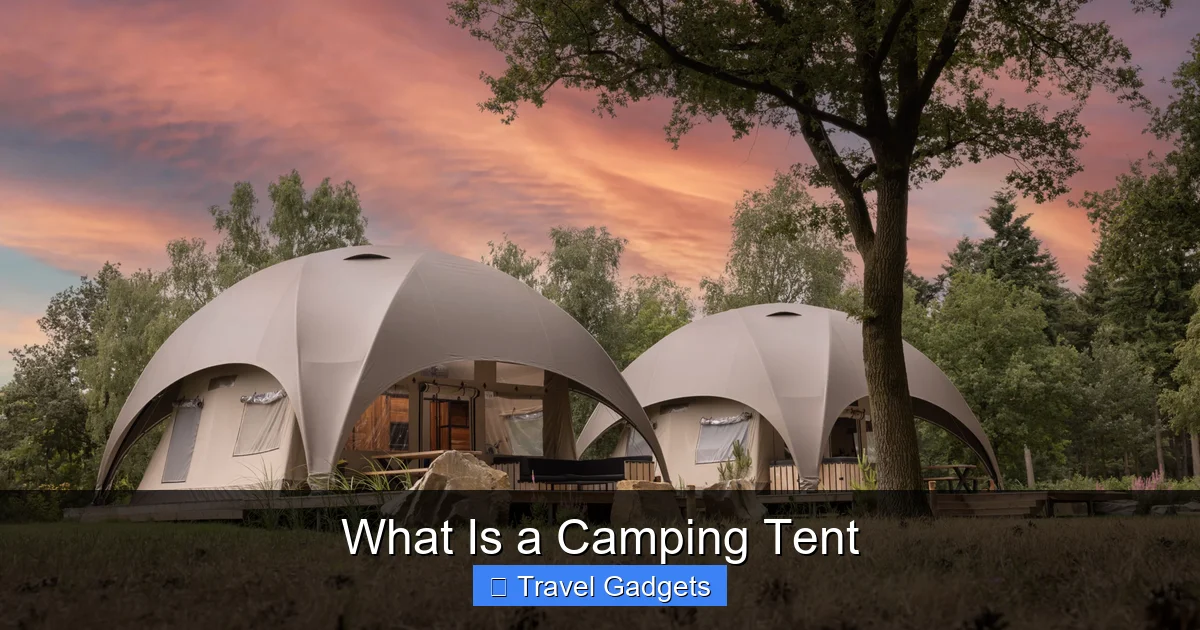
Not all tents serve the same purpose. Depending on your activity, terrain, and group size, you’ll want a different kind of shelter. Let’s walk through the most popular types so you can match the right tent to your adventure style.
Find the Best Accommodation Deals
Compare prices from multiple booking platforms and discover the best stay options available.
⭐ Trusted by thousands of travelers
💰 Budget to luxury options available
Dome Tents
These are probably the most common tents found in national parks and backyard campsites. Dome tents get their name from their arched pole structure that resembles a dome. They’re strong in high winds, quick to set up, and efficient in terms of material use. Brands like REI and Coleman offer reliable dome models suitable for families or solo adventurers alike. Because they don’t have vertical walls, they take up less space inside—though you lose some headroom near the center.
Cabin Tents
If you love room to move, cabin tents are your go-to. These feature tall, vertical walls that give you plenty of standing space and expandable floor plans. Perfect for car camping or group trips, they often include dividers, large vestibules, and even gear closets. Think of them as mini cabins—great for comfort, but heavier and bulkier than other styles.
Tunnel or All-Weather Tents
Made popular in Europe, tunnel tents consist of long, cylindrical sections connected by flexible fabric. They offer excellent interior space relative to their footprint and handle wind well due to their aerodynamic shape. However, they require more poles and setup time, making them less ideal for backpacking.
Best Stay Deals Available
Compare prices across top booking platforms and find the best deal for your stay.
Check Available RoomsBackpacking Tents
Ultralight and compact, backpacking tents are engineered for hikers who carry everything on their backs. Models like the Zpacks Duplex or Big Agnes Copper Spur use advanced materials like silnylon to cut weight without sacrificing durability. Setup can be tricky, and space is limited—but for thru-hikers or alpine climbers, every ounce counts.
Pop-Up and Instant Tents
For beginners or casual campers, pop-up tents are a lifesaver. With no poles to assemble, these tents literally snap open in seconds. While convenient, they’re usually smaller, less wind-resistant, and harder to repair if damaged. Still, they’re great for tailgating, festivals, or emergency shelter.
Each type answers a different version of what is a camping tent: lightweight and fast? Choose backpacking. Need space for gear and people? Cabin or tunnel wins. Prefer simplicity? Dome or pop-up.
Choosing the Right Size and Capacity
Visual guide about What Is a Camping Tent
Image source: explorationsquared.com
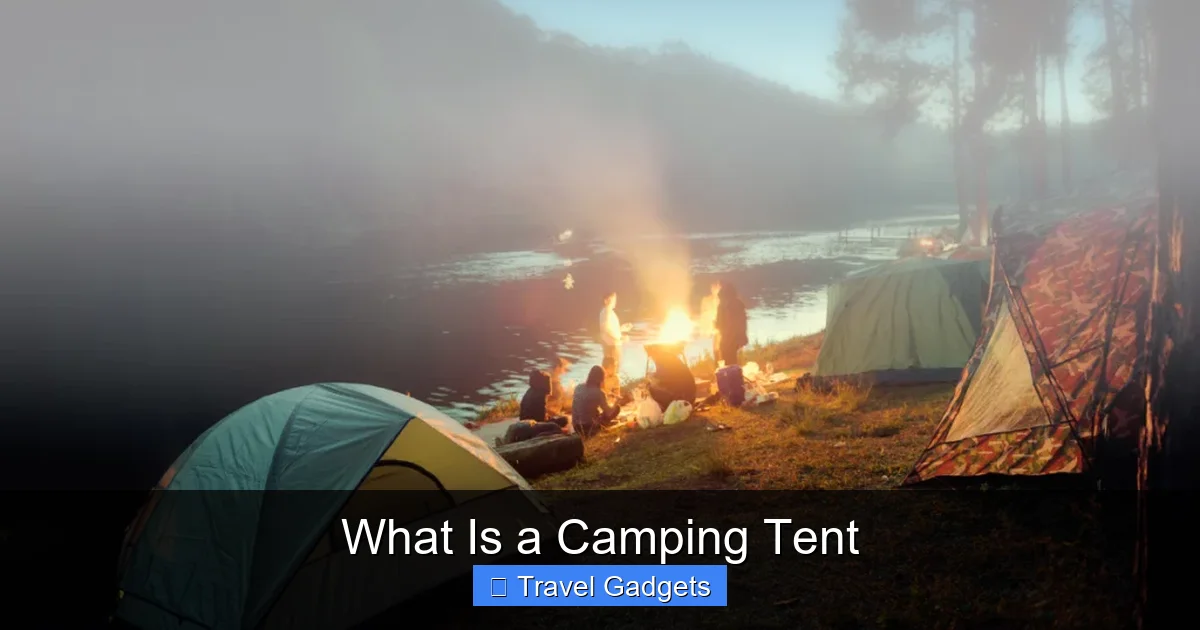
One of the biggest mistakes new campers make is picking a tent based solely on advertised capacity. A “4-person tent” isn’t always big enough for four adults with full gear. Realistically, a 4-person tent works best for two adults and two kids—or three adults sleeping close together.
Here’s how to think about sizing:
– Occupancy Rating: This number tells you how many people the manufacturer says it can comfortably fit.
– Gear Storage: Many tents include vestibules—small enclosures outside the main door—for storing backpacks, boots, and cooking gear. More vestibule space = better organization.
– Headroom: Check the peak height if you want to stand inside. Domes usually max out around 5 feet; cabins go higher.
– Floor Area: Measured in square feet, this shows how much room you have to spread out. Aim for at least 20–30 sq ft per person for comfort.
Pro tip: If you’re taller than average or plan to cook inside, add 1–2 people to your required capacity. Also, consider whether you’ll bring a dog or extra blankets—they eat up space too!
Essential Features to Look For
Visual guide about What Is a Camping Tent
Image source: dreamingartsus.com
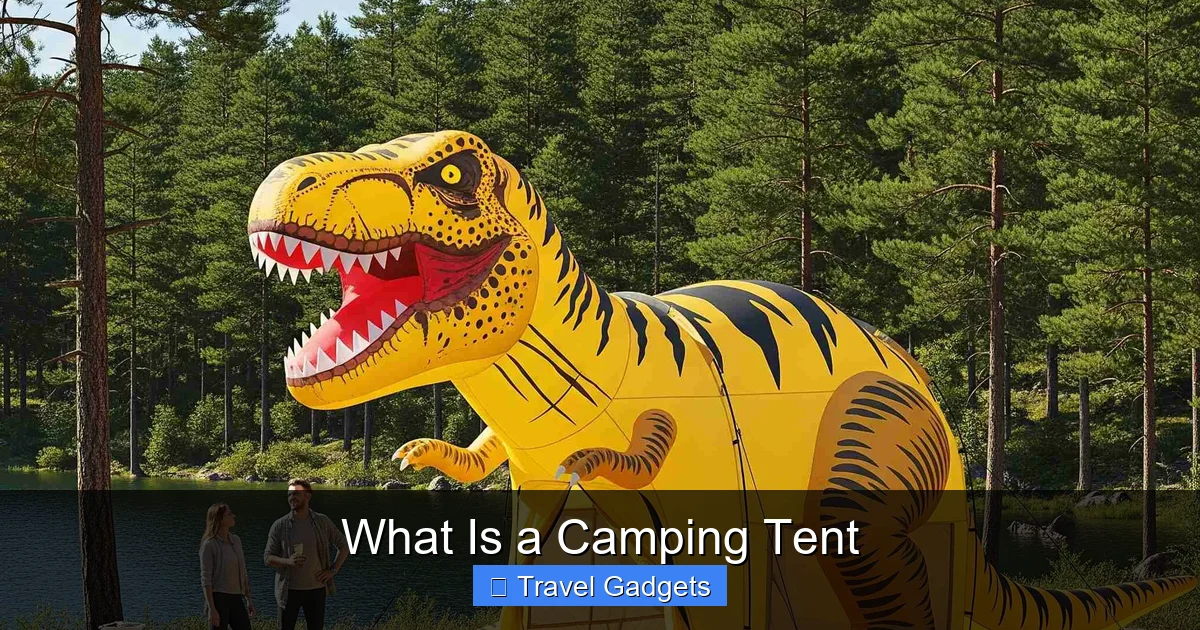
Knowing what is a camping tent isn’t complete without understanding what makes it functional. Here are must-have features to evaluate before buying:
Waterproofing
Look for a hydrostatic rating of at least 2000mm, meaning it can handle moderate rain. Higher ratings (3000mm+) are better for storms. Ensure seams are taped and the rainfly overlaps the floor to prevent leaks.
Ventilation & Condensation Control
Mesh panels and adjustable vents keep air flowing, reducing dampness inside. Double-wall tents help by directing condensation onto the outer fly instead of dripping onto your sleeping bag.
Ease of Setup
Test the tent at home before your trip. Pole clips, color-coded hubs, and freestanding designs simplify assembly. Ultralight tents may use complex clip systems—practice until it takes under 10 minutes.
Durability & Weight
Aluminum poles are lighter and stiffer than fiberglass. Fabric choices matter too: polyester resists UV damage better, while nylon packs smaller. Balance weight and strength based on how far you’ll carry the tent.
UV Resistance
Especially important in desert or high-altitude environments, UV-resistant coatings extend fabric life and prevent fading.
Additional Accessories
Many tents include stuff sacks, stakes, guylines, and even LED light loops. Some brands offer compatible footprint sheets sold separately for added floor protection.
Setting Up Your Tent Like a Pro
Even the best tent falls apart if it’s poorly pitched. Follow these steps to avoid common pitfalls:
1. Choose Flat, Dry Ground: Avoid depressions, rocks, or slopes. Use a tarp or footprint underneath.
2. Assemble Poles Outside: Lay out all parts first—poles, clips, stakes.
3. Pitch the Inner Tent: Stretch fabric evenly; don’t over-tighten.
4. Attach Rainfly Last: Make sure it’s taut and covers all openings.
5. Secure with Stakes & Lines: Angle stakes at 45 degrees for maximum hold.
6. Adjust for Wind: Add extra guylines if it’s blustery.
Remember: never set up your tent directly on wet grass or snow—it weakens the floor and traps moisture. And always pack out what you pack in, including stakes and guy lines!
Maintaining Your Tent for Longevity
Your tent is an investment. To keep it working well for years:
– Clean After Each Trip: Wipe off mud and debris. Spot-clean mildew with vinegar.
– Dry Completely: Never store a damp tent—it breeds mold and degrades fabric.
– Store Rolled, Not Folded: Roll loosely in the included sack; don’t compress it tightly.
– Avoid Sharp Objects: Keep scissors, knives, and stoves away from the floor.
– Repair Promptly: Fix tears with seam sealer or patch kits before they worsen.
With proper care, a quality tent can last 5–10 years—even longer with silicone treatment reapplied annually.
Final Thoughts: What Makes a Great Camping Tent?
So, what *is* a camping tent, really? It’s not just a piece of fabric held up by sticks—it’s confidence in the wilderness. It’s knowing you’ll stay dry when it pours, safe when the wind howls, and cozy beneath starlit skies. Whether you’re chasing sunrises on a mountain trail or teaching kids how to pitch a tent in the backyard, the right shelter transforms an outdoor experience from stressful to magical.
When shopping, remember: there’s no one-size-fits-all answer to what is a camping tent. Your ideal model depends on where you’re going, how long you’ll stay, and what you value most—speed, space, or simplicity. Read reviews, watch setup videos, and don’t rush the decision. After all, your tent is your anchor in the great outdoors.
Now go forth—and happy camping!
Frequently Asked Questions
What exactly is a camping tent made of?
A typical camping tent consists of waterproof fabric (usually polyester or nylon), metal or aluminum poles, and reinforced stitching. Many also include mesh panels for ventilation, rubberized floors for water resistance, and polyester rainflies to block wind and rain.
How do I know if my tent is waterproof?
Check the hydrostatic rating printed on the label—ideally 2000mm or higher for general use. Also inspect seams: taped seams and overlapping rainflies indicate better waterproofing. During setup, ensure the rainfly fully covers the inner tent and doors.
Can I sleep in a tent during winter?
Yes, but only if it’s designed for cold weather. Look for tents with full-coverage rainflies, low condensation zones, and compatibility with 4-season poles. Insulation comes from sleeping bags and pads—not the tent itself—so pair it with proper gear.
Are cheaper tents worth buying?
Entry-level tents can work for occasional camping, but they often sacrifice durability, weather resistance, and ease of setup. If you camp frequently or in harsh conditions, investing in a mid-range model pays off in reliability and longevity.
How often should I replace my camping tent?
A well-maintained tent lasts 5–10 years. Replace it if you notice persistent leaks, torn fabric, broken poles, or if repairs become too frequent. Signs of wear include frayed seams, discolored material, or weak pole connections.
Do I need a footprint for my tent?
A footprint (an extra ground cloth) protects your tent floor from abrasion and extends its life. While not mandatory, most experts recommend using one—especially on rocky or uneven terrain. Some tents include one, others sell them separately.