
A hot tent is an insulated, freestanding shelter designed for cold-weather camping, often heated with wood-burning stoves or portable heaters. Unlike traditional tents, hot tents use advanced insulation and ventilation to retain warmth while minimizing condensation—making them ideal for snowy, sub-zero conditions. If you’re planning a winter adventure, understanding what is a hot tent can change your outdoor experience forever.
Picture this: It’s 15 below zero, snow drifts up to your knees, and the wind howls like a wolf outside your shelter. You’re snug inside, sipping hot cocoa, wearing just a t-shirt—no bulky layers, no shivering. How? You’re in a hot tent, and today we’re diving deep into exactly what that means, how it works, and why it might be the game-changer for your next winter adventure.
Check the latest prices and available rooms before they sell out.
Most people think of tents as simple fabric shells that offer shelter from rain and wind. But when temperatures plummet, even the sturdiest tent becomes a cold box. That’s where the hot tent comes in. Built specifically for extreme cold, a hot tent isn’t just a tent—it’s a climate-controlled retreat designed to keep you warm, dry, and comfortable in the harshest winter conditions.
Whether you’re into backcountry skiing, winter hiking, or simply want to camp through a snowstorm without freezing, understanding what is a hot tent can open up a whole new world of possibilities. Let’s explore everything you need to know about these revolutionary shelters.
Key Takeaways
- What Is a Hot Tent: A hot tent is a specially designed shelter built for cold weather, offering superior insulation and heating options to maintain warmth in freezing temperatures.
- Insulated Design: These tents feature thick walls, vapor barriers, and often double-layer construction to trap heat and reduce wind chill.
- Heating Options: Most hot tents use wood-burning stoves, propane heaters, or electric systems to generate internal warmth safely and efficiently.
- Ventilation Control: Proper airflow is critical—hot tents include adjustable vents to manage moisture and prevent dangerous buildup of carbon monoxide.
- Best For Winter Camping: Ideal for snowy climates, backcountry trips, and extended cold-weather stays where traditional tents fail.
- Safety First: Always use a stove guard, install CO detectors, and follow manufacturer guidelines to avoid fire and poisoning risks.
- Popular Brands: Top-rated models include the Outsider Firefly, Hilleberg Hot Tent, and Klymit Cold Snap—each offering unique features for different needs.
📑 Table of Contents
- The Evolution of Winter Camping Gear
- What Exactly Is a Hot Tent?
- Why Choose a Hot Tent Over a Regular Tent?
- Top Features to Look For in a Hot Tent
- Real-World Example: A Week in the Rockies
- Safety Tips for Using a Hot Tent
- Maintenance & Longevity
- Are Hot Tents Worth the Cost?
- The Future of Hot Tents
- Final Thoughts
The Evolution of Winter Camping Gear
Camping in winter used to mean bundling up under a thin nylon shell, hoping the wind didn’t steal your body heat. Early explorers and military units learned quickly that survival in snow meant more than just staying dry—it meant staying warm. Over time, tents evolved from basic canvas lean-tos to sophisticated, insulated structures capable of handling sub-zero temps.
Today’s hot tents are the result of decades of innovation. Materials like 40D ripstop nylon, closed-cell foam insulation, and vapor-permeable membranes allow these tents to trap heat while wicking away moisture. The result? A cozy, livable space that feels like a heated cabin—even in the middle of a blizzard.
What Exactly Is a Hot Tent?
Visual guide about What Is a Hot Tent
Image source: cdn.shopify.com
Find the Best Accommodation Deals
Compare prices from multiple booking platforms and find the best option for your stay.
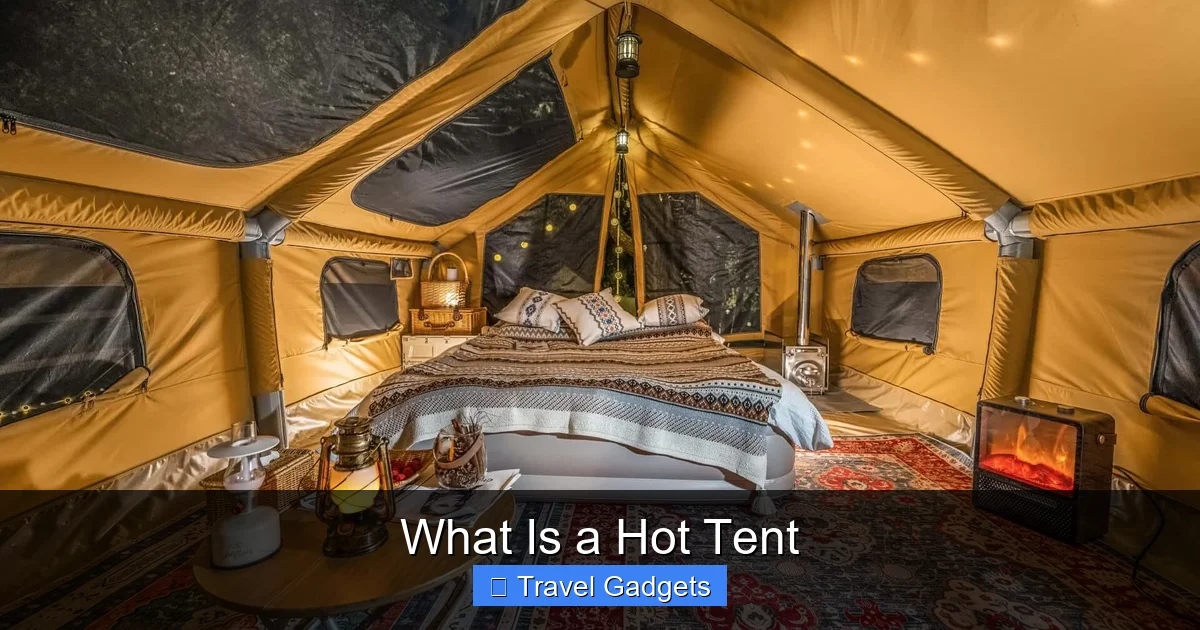
Compare Hotel PricesAt its core, a hot tent is a specialized shelter designed for cold-weather use. Unlike standard tents that rely on your body heat to stay warm, a hot tent generates and retains warmth through an internal heat source—usually a wood stove, propane heater, or electric unit.
But not all tents labeled “hot tents” are created equal. True hot tents meet specific criteria:
– High R-Value Insulation: Thick walls and floors that resist heat transfer.
– Freestanding Structure: No need for guy lines or stakes that could freeze or snap.
– Vapor Barrier & Ventilation: Prevents condensation while allowing fresh air exchange.
– Stove Compatibility: Built-in stove jacks or external ports for safe heating.
Find the Best Accommodation Deals
Compare prices from multiple booking platforms and discover the best stay options available.
⭐ Trusted by thousands of travelers
💰 Budget to luxury options available
Think of it like a tiny, portable igloo with modern engineering. The goal? To create a microclimate inside where you can remove your outer layers and still stay warm.
How Does a Hot Tent Stay Warm?
The magic lies in the combination of insulation, heat source, and airflow management. Here’s how it works:
First, the tent’s walls and floor are lined with insulating materials—like closed-cell foam or reflective Mylar—that block cold from seeping in. Then, a stove (usually wood-burning) sits inside, pumping heat into the space. Because the tent is sealed well but has controlled vents, warm air circulates while moisture doesn’t build up.
Best Stay Deals Available
Compare prices across top booking platforms and find the best deal for your stay.
Check Available RoomsThis balance is key. Too much heat = condensation = dampness. Too little = shivering. A good hot tent design manages this perfectly.
Types of Hot Tents
Not all hot tents are shaped alike. They come in various styles to suit different needs:
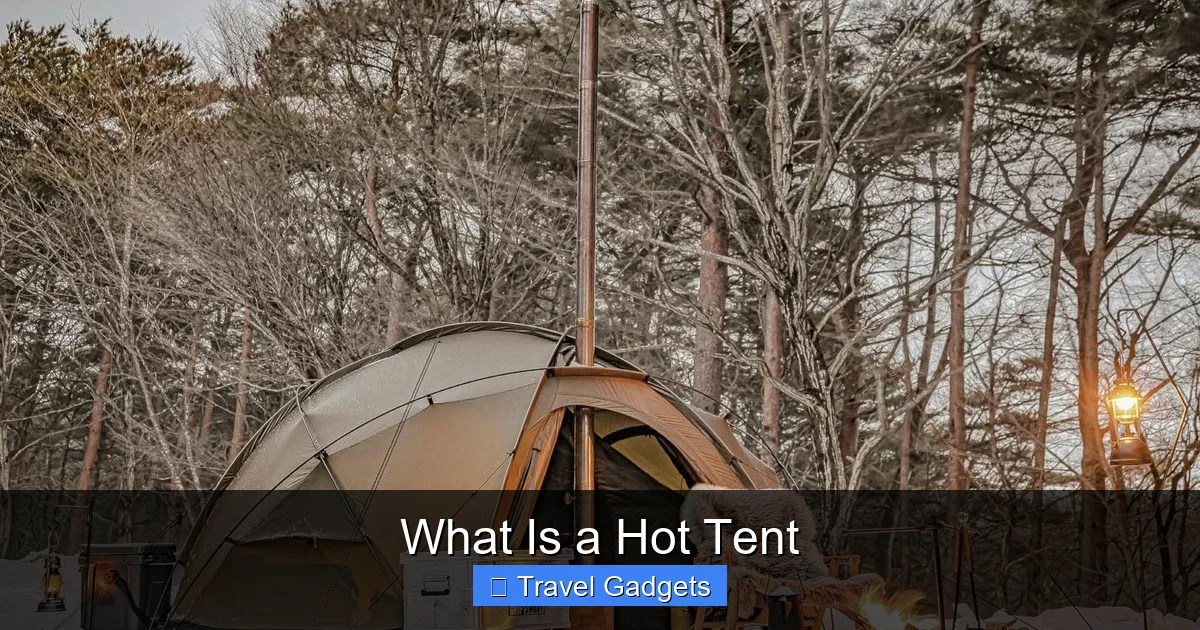
– Round Hot Tents: Dome-shaped, like the Outsider Firefly. Great for wind resistance and easy setup.
– Rectangular Hot Tents: Longer and wider, ideal for couples or group camping.
– Semi-Cylindrical Models: Blend dome and tunnel designs for stability and space.
– Pop-Up Hot Tents: Faster to assemble, often lighter, but may lack durability.
Each style has trade-offs. Round tents handle wind better; rectangular ones give more room. Choose based on your trip length, group size, and terrain.
Why Choose a Hot Tent Over a Regular Tent?
Visual guide about What Is a Hot Tent
Image source: c8.alamy.com
You might wonder: why not just use a regular four-season tent with a sleeping bag rated for -20°F? While possible, it’s inefficient and uncomfortable.
Here’s why hot tents win:
– No Need for Extreme Sleeping Bag Ratings: With a hot tent, you can sleep in a 30°F bag comfortably.
– Less Clothing Required: Sleep in long underwear instead of puffy parkas.
– Faster Setup & Takedown: Many are freestanding and require fewer stakes.
– Battery-Free Heating: Wood stoves work indefinitely if you carry fuel.
– Better Air Quality: Proper ventilation reduces CO risk and keeps the air breathable.
For example, imagine camping in Yellowstone in January. A regular tent would leave you frozen. A hot tent lets you enjoy hot meals, read by candlelight, and wake up to steaming coffee—all while bundled under a fleece blanket.
Top Features to Look For in a Hot Tent
Visual guide about What Is a Hot Tent
Image source: hottentstove.com
Not every tent marketed as a “hot tent” delivers real warmth. To get value, check for these must-have features:
1. High-Quality Insulation
Look for tents with 1–2 inches of closed-cell foam or reflective insulation panels. Some high-end models use aerogel or vacuum-sealed layers for even better performance.
2. Stove Jack & Heat Shield
A secure stove jack prevents leaks and protects the tent fabric from direct flame. Bonus: some come with built-in heat shields made of ceramic or metal.
3. Adjustable Ventilation
Top and bottom vents let you control airflow. This prevents CO buildup and reduces condensation. Look for zippers or flaps you can open/close easily.
4. Snow Skirt or Ground Insulation
A skirt around the base blocks cold drafts. Some tents include removable foam mats or air mattresses to further insulate the floor.
5. Durable, Weather-Resistant Fabric
Use tents with ≥3000mm waterproof ratings and taped seams. UV-resistant coatings help too, especially if you’re camping in sun-heavy snowfields.
6. Easy Setup & Portability
Choose lightweight frames (aluminum poles) and compact storage. Some models collapse into backpacks.
Real-World Example: A Week in the Rockies
Let’s say you’re planning a solo ski touring trip in Colorado during peak winter. You pack a 2-person hot tent, a wood stove, and a bundle of seasoned birch logs.
On Day 1, you set up near a tree line. After skiing all day, you’re exhausted but warm. Inside the tent, you boil water over the stove, eat dinner, and read by lantern light. The air stays clear, the floor doesn’t freeze, and you sleep soundly.
By Day 7, your regular tent would have been a miserable, icy prison. Instead, you enjoyed seven nights of comfort, warmth, and connection to nature—without sacrificing safety or efficiency.
Safety Tips for Using a Hot Tent
Even with great design, hot tents come with risks—mainly fire and carbon monoxide (CO). Follow these guidelines:
– Always Use a Stove Guard: Prevents sparks from flying out and protects the tent fabric.
– Install a CO Detector: Place it inside the tent, away from the stove.
– Never Leave the Tent Unattended: Especially when burning wood—watch the flame constantly.
– Use Only Approved Fuels: Dry, seasoned wood or clean-burning propane.
– Avoid Synthetic Fabrics Near Heat: Nylon melts. Keep curtains and gear away from the stove.
– Check Vents Daily: Ensure they’re unobstructed and functional.
Also, never sleep in a hot tent with unventilated gas heaters. Propane can leak or explode. Stick to wood stoves or vented propane units.
Maintenance & Longevity
Hot tents last longer than regular tents because they’re built tougher. Still, proper care extends life:
– Clean After Each Trip: Remove ash, soot, and moisture.
– Store in a Dry Place: Mold thrives in damp conditions.
– Inspect Poles & Seams: Replace cracked poles or torn fabric promptly.
– Reapply Waterproof Coating: Every 1–2 years, depending on use.
With care, a quality hot tent can serve you for 10+ years—making it a smart investment for serious winter adventurers.
Are Hot Tents Worth the Cost?
Hot tents range from $300 to over $1,000. That’s steep compared to $100 tents. But consider the value:
– Comfort: Sleep in relative luxury during brutal cold.
– Efficiency: Less fuel needed per night.
– Versatility: Can double as a workshop, shelter, or emergency home.
– Longevity: Built to last decades.
If you camp in cold weather regularly, the cost pays off fast. Casual campers might borrow or rent one first.
The Future of Hot Tents
Innovation continues. New materials like graphene-infused fabrics improve conductivity and durability. Solar-powered fans help circulate air without batteries. Smart tents with temperature sensors alert you via Bluetooth when it’s time to add wood.
We’re also seeing hybrid models—combining pop-up ease with full insulation. And yes, some brands are experimenting with heated sleeping pads that sync with tent thermostats.
One thing’s certain: hot tents are here to stay. As climate change brings unpredictable winters, more people will seek reliable ways to enjoy cold-weather adventures.
Final Thoughts
So, what is a hot tent? It’s not just a shelter—it’s a statement. A declaration that winter doesn’t have to mean suffering. With the right design, safety practices, and mindset, a hot tent turns freezing nights into cozy retreats.
Whether you’re chasing auroras in Alaska, exploring Nordic trails, or just want to try something new, stepping into a hot tent changes everything. You’ll sleep warmer, eat better, and connect deeper with nature—without the frostbite.
Ready to upgrade your camping game? Research models, practice setup at home, and maybe start with a rental. Before you know it, you’ll be telling stories of snow-covered mornings and toasty evenings inside your very own heated sanctuary.
Frequently Asked Questions
Can I use any stove in a hot tent?
No. Only approved stoves like wood-burning models or vented propane units are safe. Never use unventilated gas heaters—they risk carbon monoxide poisoning.
How cold can a hot tent survive?
Most high-quality hot tents perform down to -40°F (-40°C), provided they’re well-insulated and properly ventilated.
Do hot tents get wet inside?
Condensation can occur if ventilation is poor or humidity builds up. Use adjustable vents and avoid boiling water directly under the stove.
Are hot tents heavy?
They’re heavier than regular tents due to insulation and frame strength, but many are backpack-friendly with compact designs.
Can I use a hot tent in summer?
Yes, but it’s unnecessary. Their insulation makes them too warm for mild weather unless you’re using them as a bug-free shelter or workspace.
How do I choose between a round and rectangular hot tent?
Round tents offer better wind resistance and faster setup; rectangular ones provide more interior space. Pick based on your primary use—backcountry vs. basecamp.