
A tent is a portable shelter designed for outdoor use, offering protection from weather, insects, and the elements. Whether you’re backpacking through mountains or setting up camp at a festival, understanding what a tent is—and how to choose the right one—can make all the difference in comfort and safety.
What Is a Tent?
Imagine stepping into the quiet stillness of a forest at dusk. The stars begin to blink above, and a gentle breeze rustles the trees. In that moment, you pull out your trusty tent—your mobile home away from home. But what exactly is a tent? At its core, a tent is a portable, temporary shelter designed to offer protection and comfort outdoors. Whether you’re pitching it on a rocky summit, a sandy beach, or a grassy meadow, a tent gives you a dry, private space no matter where your adventure takes you.
Check the latest prices and available rooms before they sell out.
From family camping trips to solo backpacking journeys, tents are one of the most essential travel gadgets in the modern explorer’s toolkit. They’re not just for sleeping, either—tents can serve as command centers during festivals, emergency shelters after disasters, or even artistic installations in urban parks. But before you rush off to buy the first one you see, it helps to understand what makes a good tent, how they work, and why they’ve been a cornerstone of human exploration for thousands of years.
Key Takeaways
- Definition: A tent is a temporary, freestanding shelter made of fabric and poles, used primarily for camping, hiking, and outdoor events.
- Purpose: It provides shelter from rain, wind, sun, and wildlife while offering privacy and a dry sleeping area.
- Types: Tents come in various styles like dome, cabin, tunnel, and pop-up, each suited for different environments and group sizes.
- Materials: Modern tents use waterproof fabrics like polyester or nylon with coatings such as silicone or polyurethane to resist moisture.
- Setup: Most tents require assembly using aluminum or fiberglass poles and stakes, though some feature quick-pitch designs.
- Accessories: Essential add-ons include footprint sheets, rainflys, lantern hooks, and gear lofts to enhance comfort and longevity.
- Safety: Proper site selection, ventilation, and anchoring are crucial to prevent condensation, collapse, or injury.
📑 Table of Contents
The Evolution of the Tent
Tents have come a long way since their earliest forms. Ancient civilizations like the Egyptians and Romans used simple animal skins or woven grasses tied to wooden frames. These early versions were heavy, difficult to transport, and offered limited protection. Fast forward to the 19th century, when canvas tents became popular among explorers and military personnel. These were sturdy but bulky—perfect for soldiers on long campaigns but impractical for casual campers.
The real revolution came in the mid-20th century with the invention of lightweight synthetic materials. Nylon and polyester replaced heavy cotton, making tents easier to carry and quicker to dry. Today’s tents are engineered for performance: they’re breathable, waterproof, and built to withstand high winds and heavy snow. Advances in pole systems, seam sealing, and color-coded setup guides have turned tent pitching from a chore into a quick, almost effortless process.
Core Components of a Tent
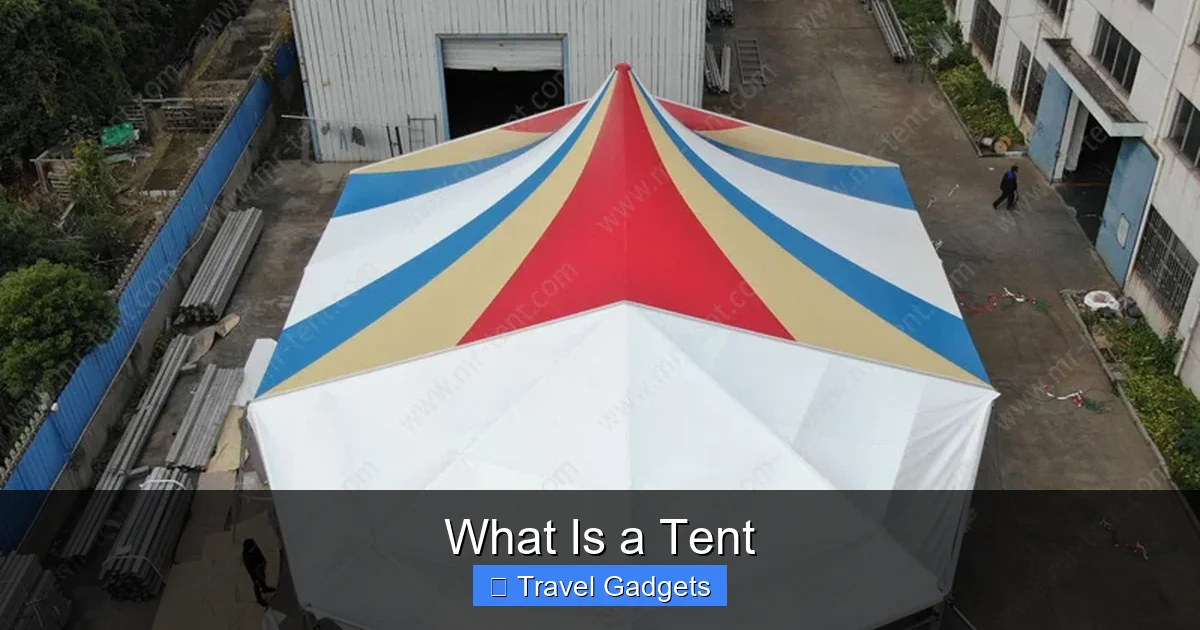
To truly understand what a tent is, let’s break down its main parts:
Find the Best Accommodation Deals
Compare prices from multiple booking platforms and find the best option for your stay.
Compare Hotel Prices1. Outer Shell (Rainfly)
This is the top layer of the tent, usually made of waterproof nylon or polyester. It protects against rain and UV rays. Some models have mesh panels for ventilation while still keeping bugs out.
2. Inner Tent
This is where you sleep. It’s typically made of breathable mesh to reduce condensation and often includes a built-in floor liner. Many modern inner tents double as a bug barrier.
Find the Best Accommodation Deals
Compare prices from multiple booking platforms and discover the best stay options available.
⭐ Trusted by thousands of travelers
💰 Budget to luxury options available
3. Floor
The bottom layer is always waterproof and attached to the inner tent. It prevents water from seeping up from the ground. Some campers add a separate “footprint” sheet underneath for extra protection.
4. Poles
Aluminum or fiberglass rods that give the tent its shape. Most tents use a series of interconnected poles—called a frame—that snap or slide together.
5. Stakes and Guy Lines
Stakes anchor the tent to the ground, while guy lines (ropes) add stability in windy conditions. Stronger tents come with multiple guy points to secure the rainfly.
Best Stay Deals Available
Compare prices across top booking platforms and find the best deal for your stay.
Check Available RoomsUnderstanding these components helps you evaluate quality and durability—especially important when choosing your first or next tent.
Types of Tents Explained

Visual guide about What Is a Tent
Image source: impress.ie
Not all tents are created equal. The type you choose depends on your activity, climate, and group size.
Dome Tents
These are the most common type, shaped like a half-sphere. Lightweight and easy to pitch, they perform well in moderate weather. Great for beginners and families.
Cabin Tents
Taller and wider than dome tents, cabin tents offer more headroom and interior space. Ideal for car camping or groups who want room to move around.
Tunnel Tents
Long and cylindrical, tunnel tents are excellent for cold weather because they trap heat well. Their curved walls also handle strong winds better than straight-walled designs.
Pop-Up Tents
Made famous by music festivals, pop-ups are pre-assembled frames that unfold instantly. Perfect for short-term use but less durable than traditional models.
Backpacking Tents
Ultra-lightweight and compact, these are designed for hikers who need minimal weight. Often single-wall or double-wall, they sacrifice some comfort for portability.
Each style serves a purpose. For example, if you’re trekking across deserts, you might choose a reflective silver tent to deflect sunlight. If you’re skiing in the Alps, a snow-load-rated tunnel tent would be safer. Knowing what kind of tent fits your needs ensures comfort and security.
How to Choose the Right Tent
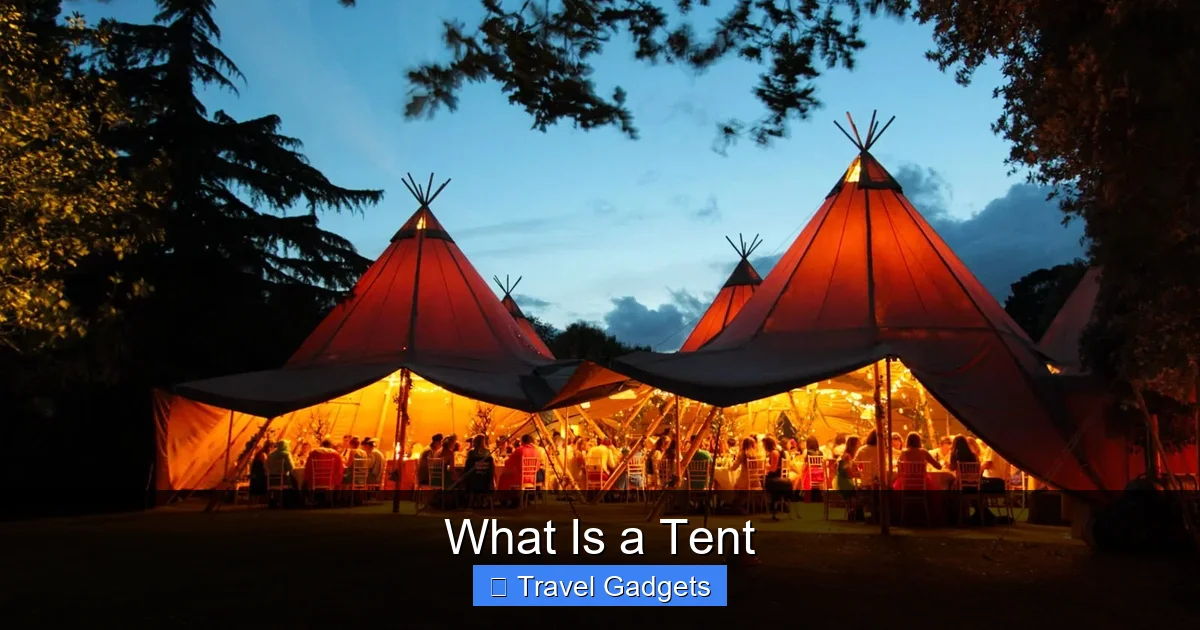
Visual guide about What Is a Tent
Image source: stars-glamping.com
Picking the perfect tent can feel overwhelming—there are dozens of brands, weights, and features. Here’s how to narrow it down:
Start with your primary use. Are you car camping with a big SUV and a cooler full of snacks? Or are you backpacking with a strict 10-pound limit? That decision shapes everything else.
Consider the number of people. A 2-person tent isn’t just for two people—it’s meant for two people plus gear. If you’re buying for a couple who likes to pack light, a 3-person tent gives you breathing room.
Weather resistance matters. Look for tents rated for the wind and rain you expect. Check the hydrostatic head rating (how much water pressure the fabric can withstand). A rating above 1,500mm is solid for casual use; mountaineers need 3,000mm or more.
Ventilation is key to avoiding condensation. Mesh doors, windows, and vents help airflow. Poor ventilation leads to damp floors and sleepless nights.
Ease of setup is underrated. If you’re new to camping, look for tents with color-coded poles and intuitive instructions. Nothing kills a campsite vibe faster than struggling with tangled ropes at midnight.
Setting Up Your Tent Like a Pro
Even the best tent falls apart without proper setup. Here’s a simple step-by-step:
Choose a flat, dry spot away from dead trees, rocks, or low-lying areas where water pools. Clear debris so you don’t poke a hole in the floor.
Lay the footprint (if you have one) first, then unroll the tent over it. Smooth out wrinkles—this helps with drainage and airflow.
Assemble the poles according to the diagram. Slide them through the sleeves or attach at connection points. Don’t force anything; misaligned poles can weaken the structure.
Stake down the corners firmly. Use U-shaped stakes for better grip in soft soil. Angle them outward so they pull taut.
Attach guy lines to the corners or midpoints of the rainfly. Adjust tension so the tent doesn’t flap in the wind.
Inside, organize your gear. Keep wet items outside, use a stuff sack as a makeshift shelf, and avoid sitting directly on the floor.
Pro tip: Practice at home before your trip. Nothing builds confidence like knowing exactly how your tent goes up in 90 seconds.
Maintaining Your Tent for Longevity
A well-cared-for tent lasts years. Neglect it, and it may fail when you need it most.
Always clean your tent before storing it. Dirt and oils degrade waterproof coatings. Use a damp cloth and mild soap—never machine wash or wring it out.
Dry it completely before folding. Mold thrives in moisture. Hang it in a shaded, ventilated area.
Store it loosely in a breathable bag—no vacuum-sealed compression bags! This keeps the fabric flexible and prevents cracking.
Inspect seams regularly. Use seam sealer if you notice leaks. A small repair now saves a disaster later.
Avoid dragging your tent across rough terrain. Roll it up instead, and keep sharp objects away from the fabric.
With proper care, your tent becomes a reliable companion through seasons of rain, sun, and adventure.
Why Every Traveler Needs a Tent
In today’s world of instant hotels and Airbnb rentals, you might wonder: do I really need a tent? Absolutely. Because sometimes, the best experiences happen off the grid. A tent lets you wake up to mountain views, fall asleep to ocean waves, or camp under the Northern Lights. It’s freedom wrapped in nylon.
Beyond recreation, tents are vital in emergencies. After hurricanes or wildfires, lightweight emergency tents provide immediate shelter. They’re also used in humanitarian aid, disaster relief, and scientific fieldwork.
For digital nomads and van lifers, a compact tent offers a private retreat when parked in public spaces. And let’s not forget festivals—where else would you sleep without getting rained on?
In short, a tent isn’t just a piece of gear. It’s a symbol of curiosity, resilience, and the joy of exploring the world raw and unfiltered.
Frequently Asked Questions
What is the main purpose of a tent?
A tent provides a portable, weather-resistant shelter for outdoor activities like camping, hiking, or festivals. It protects users from rain, wind, insects, and ground moisture while offering privacy and a safe place to sleep.
Can a tent be used in bad weather?
Yes, but only if it’s designed for it. Look for tents with strong pole systems, fully taped seams, and high wind ratings. Always stake down guy lines and avoid low-lying areas during storms.
How do I prevent condensation inside my tent?
Improve airflow by opening vents, using mesh panels, and avoiding cooking inside. Never store wet clothes inside. If condensation forms, wipe it down and increase ventilation.
Are single-wall tents better than double-wall tents?
It depends. Single-wall tents are lighter and pack smaller, ideal for ultralight backpacking. Double-wall tents offer better condensation control and durability but add weight. Choose based on your priorities.
How many people can fit in a tent?
A tent’s capacity is listed by the manufacturer and refers to the number of occupants it’s designed for. A 2-person tent should only hold 2 people for comfort—adding gear reduces usable space significantly.
Do I need a separate tarp or footprint for my tent?
While not mandatory, a footprint protects the tent floor from abrasion and extends its life. Tarps can also be used under the tent to block moisture from rising into the inner fabric.