
A camping tent is a portable shelter designed to protect you from weather, wildlife, and ground elements while you’re outdoors. Whether you’re backpacking or car camping, choosing the right tent makes all the difference in comfort and safety. From lightweight designs for hikers to spacious family models, understanding what makes a good camp tent helps you make smarter choices for every adventure.
Have you ever stared up at a starry sky from inside a flapping nylon shell, wondering how something so simple yet so vital works? That “shell” is a camping tent—a compact, portable haven that transforms rugged trails and open fields into safe, comfortable homes away from home. Whether you’re pitching it on mountain ridges, forest clearings, or beachfront sands, a camping tent does more than just block wind and rain. It offers sanctuary, privacy, and peace of mind when you’re far from civilization. In this guide, we’ll unpack exactly what a camping tent is, how it works, and why it’s one of the most essential travel gadgets for anyone who loves the great outdoors.
Check the latest prices and available rooms before they sell out.
At its core, a camping tent is a temporary shelter built to withstand nature’s unpredictability. Made primarily of waterproof fabric stretched over flexible poles, it stands upright and self-supporting—no trees or rocks required (though they help). Think of it as nature’s version of an RV, but lightweight enough to hike with. Over centuries, tents evolved from animal hides and woven grasses to modern synthetic marvels that weigh less than five pounds yet resist heavy downpours. Today’s camping tents are engineered for speed, strength, and adaptability, making them indispensable for everything from weekend getaways to multi-week expeditions.
But not all tents are created equal. The ideal camping tent depends on your trip type, climate, group size, and personal preferences. A solo hiker needs something ultralight and compact, while a family of four might prioritize space, storage, and quick setup. Weather matters too—some tents excel in storms, others in dry heat. Understanding these differences helps you avoid common pitfalls like condensation buildup, poor ventilation, or collapsing in strong winds. With the right knowledge, your camping tent becomes not just shelter, but a reliable companion that enhances every moment under the open sky.
Key Takeaways
- Definition: A camping tent is a temporary, freestanding structure made of fabric and poles that provides shelter during outdoor activities like hiking, camping, and festivals.
- Types: Common types include dome tents, cabin tents, tunnel tents, and pop-up tents—each suited to different terrains, group sizes, and weather conditions.
- Materials: Most tents use polyester or nylon fabrics with waterproof coatings like PU or silicone; aluminum poles offer durability without added weight.
- Setup & Portability: Modern tents are designed for quick assembly, often using color-coded poles and clips; many come with carry bags for easy transport.
- Weather Protection: Key features include rainflys, seam sealing, bathtub floors, and ventilation systems to handle rain, wind, snow, and condensation.
- Safety & Comfort: Proper tent placement, stake-out techniques, and gear organization inside the tent enhance safety and livability on the trail.
- Purpose: Beyond shelter, a good camping tent supports rest, privacy, and protection—making it a must-have travel gadget for any adventurer.
📑 Table of Contents
What Exactly Is a Camping Tent?
A camping tent is a portable, freestanding structure designed to provide temporary shelter during outdoor activities such as camping, hiking, festivals, or emergency situations. Typically constructed from durable, water-resistant fabric—often polyester or nylon—it’s supported by internal or external aluminum or fiberglass poles. Unlike lean-tos or tarps, which rely on natural features for support, most modern camping tents are fully self-contained and can be set up on flat, uneven, or even slightly sloped terrain.
The primary purpose of a camping tent is protection. It shields occupants from rain, wind, sun, insects, and ground moisture. But beyond basic shelter, today’s tents also offer comfort features like mesh panels for airflow, vestibules for gear storage, and room dividers (in larger models). Many include advanced technologies like welded seams, taped floor liners, and reflective guy lines—all aimed at improving reliability and usability in harsh conditions.
The Anatomy of a Typical Camping Tent
Understanding how a camping tent works starts with knowing its main parts:
– Rainfly: The outer cover that sheds rain and blocks wind. Often includes vents and adjustable flaps.
– Inner Tent: The breathable, usually mesh-lined interior where people sleep. Keeps bugs out while allowing airflow.
– Bathtub Floor: A raised, watertight base sewn up around the edges to prevent water from seeping in.
– Poles: Rigid rods (aluminum or fiberglass) that form the tent’s frame. Color-coded for easy assembly.
– Guy Lines & Stakes: Ropes and metal pegs that secure the tent to the ground, adding stability in windy conditions.
– Vestibule: A covered porch area outside the main door, perfect for storing boots, backpacks, or cooking gear without bringing it inside.
When assembled correctly, these components work together to create a sealed yet ventilated environment that balances protection and comfort.
Find the Best Accommodation Deals
Compare prices from multiple booking platforms and find the best option for your stay.
Compare Hotel PricesHow Does a Camping Tent Stay Up?
Contrary to popular belief, camping tents don’t need trees to stay upright. Instead, they use tension from poles and guy lines anchored into the earth. Here’s how it works:
1. Pole Setup: Aluminum or fiberglass poles slide through sleeves or connect at joints to form arches across the tent’s roof.
2. Fabric Stretching: As poles expand, they pull the fabric taut, creating a stable dome or tunnel shape.
3. Ground Anchoring: Guy lines attach to loops on the tent and stretch to stakes driven into the soil, adding lateral support.
4. Weight Distribution: The combination of pole tension and ground anchors distributes force evenly, preventing collapse.
Find the Best Accommodation Deals
Compare prices from multiple booking platforms and discover the best stay options available.
⭐ Trusted by thousands of travelers
💰 Budget to luxury options available
Even in strong winds, a well-pitched tent can remain standing—provided it’s properly staked and the design accounts for wind loads (many high-end tents are tested in wind tunnels).
Types of Camping Tents
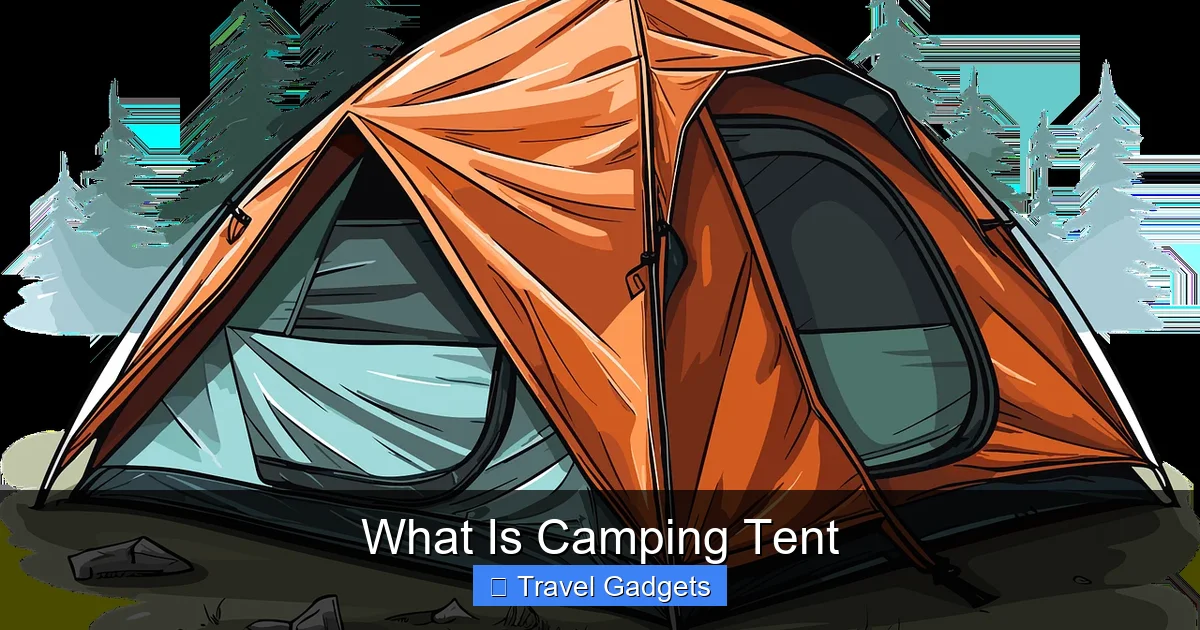
Visual guide about What Is Camping Tent
Best Stay Deals Available
Compare prices across top booking platforms and find the best deal for your stay.
Check Available RoomsImage source: cdn.pixabay.com
Not every camping tent fits every adventure. Choosing the right style depends on your needs, but here are the most common types:
Dome Tents
Dome tents are the most popular choice among campers due to their simplicity, strength, and versatility. Their curved shape allows wind to flow smoothly over the top rather than catching and lifting the fabric. Ideal for backpackers and families alike, dome tents come in single-wall or double-wall designs. Lightweight versions use nylon, while heavier-duty models feature polyester for extra durability.
Best for: Most camping scenarios—backpacking, car camping, festivals.
Cabin Tents
Cabin tents mimic the look of a real house, with vertical walls and high peaks that maximize headroom and interior space. They’re perfect for families or groups who want room to move around, store gear, or even stand up inside. However, their bulkier design makes them less suitable for backpacking.
Best for: Family camping, glamping, extended trips.
Tunnel Tents
Tunnel tents consist of two or more connected domes, creating long, continuous interiors. They offer generous living space and are highly customizable with add-on rooms or vestibules. Because they have multiple points of attachment for poles and guy lines, they’re exceptionally stable in windy conditions.
Best for: Groups, winter camping, storm-prone areas.
Pop-Up Tents
Pop-up tents use pre-bent springs embedded in the fabric that snap into place when unfolded—no poles needed. They’re incredibly fast to set up and great for beginners or casual campers. However, they tend to be less durable, offer limited space, and aren’t ideal for serious outdoor adventures.
Best for: Beach trips, tailgating, short-term use.
Three-Season vs. Four-Season Tents
Not all tents handle snow and ice. Three-season tents are lighter and ventilate well for spring, summer, and fall. Four-season tents, however, are reinforced with stronger poles, thicker fabrics, and enclosed designs to resist heavy snow and blustery winds.
Note: Even four-season tents aren’t rated for extreme alpine environments—those require specialized mountaineering shelters.
Key Features to Look For
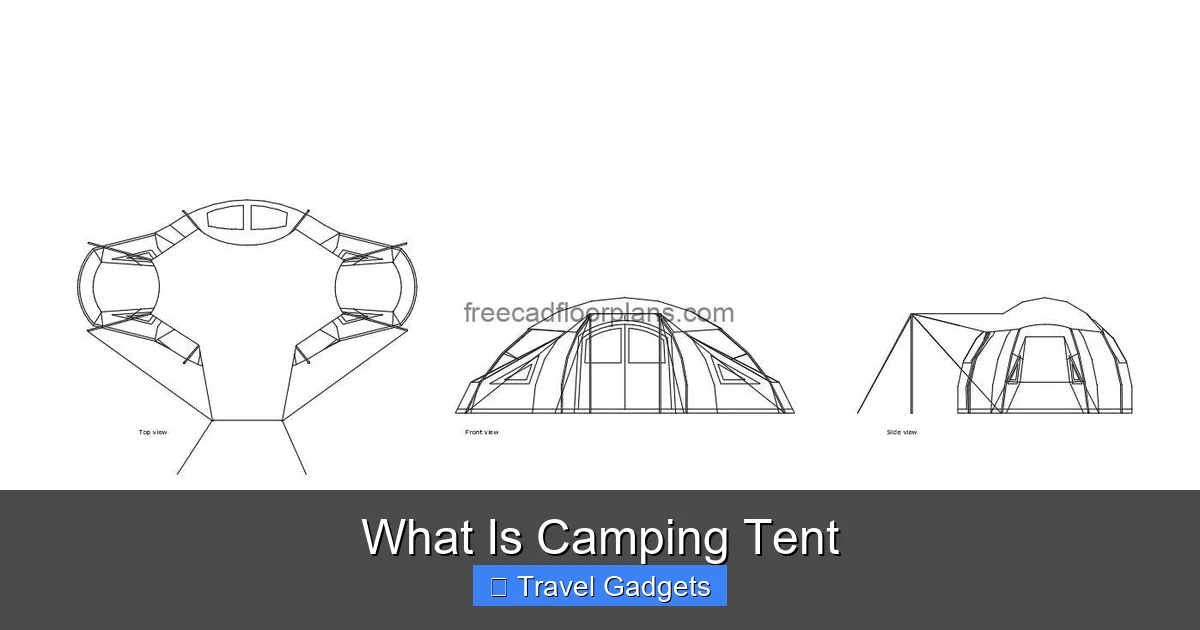
Visual guide about What Is Camping Tent
Image source: freecadfloorplans.com
Choosing the right camping tent means evaluating several critical features. Here’s what to consider:
Waterproofing & Seams
Look for tents with polyurethane (PU) or silicone-coated fabrics and fully taped seams. Waterproof ratings (measured in millimeters, e.g., 1500mm–3000mm) indicate how much pressure water can withstand before leaking. Higher numbers mean better rain resistance.
Tip: Always pitch your tent with the rainfly overlapping the inner tent slightly—this creates a drip line that keeps the floor dry.
Ventilation & Condensation Control
Poor airflow leads to condensation buildup, especially in humid or cold weather. Top-quality tents include mesh panels, adjustable vents, and breathable fabrics that allow moist air to escape without letting rain in.
Example: During a summer night in the Rockies, a well-ventilated tent kept us cool and dry despite rising dew points.
Ease of Setup
Modern tents use color-matched pole sleeves or clips for quick assembly. Practice setting yours at home before your trip—nothing kills enthusiasm faster than fumbling with tangled ropes in the dark.
Pro Tip: Lay out all components in order before starting: stakes, guy lines, poles, inner tent, rainfly.
Weight & Pack Size
Backpackers prioritize lightweight tents under 3–4 pounds. Ultralight models use thinner fabrics and fewer reinforcements but may sacrifice durability. Car campers can afford heavier options for added comfort.
Floor Area & Peak Height
Measure floor dimensions and peak height to ensure enough room to sit, stand, or store gear. A 2-person tent should offer at least 28–30 square feet; a family tent needs 50+ square feet.
Setting Up Your Camping Tent Like a Pro
Mastering tent setup takes practice, but following these steps ensures success every time:
1. Choose Flat Ground: Clear debris, rocks, and roots. Use a footprint or tarp underneath to protect the tent floor.
2. Unpack Components: Separate poles, stakes, and fabrics. Match color codes if available.
3. Pitch the Inner Tent: Spread it flat and attach poles through designated sleeves or clips.
4. Stake Down Corners: Drive stakes at a 45-degree angle for maximum hold. Add midpoints for extra security.
5. Attach the Rainfly: Overlap it over the inner tent to create a weather barrier.
6. Tension Guy Lines: Stretch ropes diagonally from the rainfly to stakes, keeping fabric tight.
7. Test Stability: Gently shake the tent—if it wobbles, reinforce weak points.
Common mistakes include skipping the footprint (risking tears), under-tensioning guy lines, or pitching on slopes without proper drainage.
Maintaining Your Camping Tent
A well-maintained tent lasts years. After each trip:
– Shake out dirt and pack it tightly to prevent mold.
– Wash mildewed areas with vinegar or specialized cleaner.
– Dry completely before storing—moisture invites rot and odors.
– Store in a cool, dry place away from direct sunlight (UV degrades fabric).
Avoid folding wet tents or leaving them compressed for long periods. Regular care pays off in reliability and longevity.
Why Every Traveler Needs a Good Camping Tent
Beyond shelter, a quality camping tent elevates the entire outdoor experience. It gives you uninterrupted sleep, protects valuables from dampness, and creates a private space amid chaos. For digital nomads who “work from the wild,” it’s a mobile office. For parents introducing kids to nature, it’s a safe bubble in the woods. And for solo explorers, it’s courage made tangible.
As a travel gadget, the camping tent stands out because it’s reusable, versatile, and deeply rewarding. You’ll find yourself reaching for it not just in forests, but in deserts, mountains, and even backyard campsites. With innovations like solar-compatible LED lights, USB charging ports, and eco-friendly materials, today’s tents blend function with forward-thinking design.
In an age where convenience often trumps authenticity, the humble camping tent reminds us that true adventure lies not in avoiding discomfort, but in embracing it—with dignity, safety, and style.
Frequently Asked Questions
What makes a good camping tent?
A good camping tent is waterproof, easy to set up, well-ventilated, and sized appropriately for your group. It should also be durable, lightweight (if needed), and resistant to wind and rain. Features like taped seams, sturdy poles, and multiple doors enhance usability and comfort.
Can I use a camping tent in the rain?
Yes! Most modern camping tents are designed specifically for rainy conditions. Look for models with high waterproof ratings (3000mm+), full-coverage rainflies, and bathtub-style floors to keep you dry. Always pitch with the rainfly overlapping the inner tent for optimal protection.
How do I stop my tent from getting wet inside?
Condensation builds when warm, moist air meets cooler tent surfaces. To reduce it, ensure proper ventilation using mesh panels and adjustable vents. Avoid hanging wet clothes inside, and never cook directly under the tent—use the vestibule instead.
Are pop-up tents worth buying?
Pop-up tents are convenient for quick setups at beaches, festivals, or short trips. However, they’re generally less durable, offer less space, and aren’t ideal for serious backpacking or harsh weather. Save them for casual use unless you prioritize speed over performance.
How tall should my camping tent be?
Peak height determines how much space you have to move around. For solo or duo tents, 4–5 feet is sufficient. If you plan to sit up or store gear, opt for a taller model—cabin or tunnel tents often exceed 6 feet at the center.
Can I sleep in a tent during winter?
Yes, but only if you have a four-season tent designed for snow and cold. These models have stronger poles, thicker fabrics, and fully enclosed designs. Pair your tent with a good sleeping bag rated for low temperatures and always check forecasts before heading out.