
Camping without a tent isn’t just possible—it’s a growing trend among backpackers and minimalist travelers. Known by names like bivouacking, wild camping, or car camping depending on the setup, this style strips away gear for a more immersive nature experience. Whether you’re sleeping under the stars in a lightweight shelter or simply pulling over for a quick rest, skipping the traditional tent offers freedom, simplicity, and a deeper connection with the outdoors. This guide explores what it’s called, when it’s safe, and how to enjoy it responsibly.
There’s something magical about falling asleep to the sound of wind through pines or waking up to a sunrise over mountain peaks—without the rustle of a tent zipper or the weight of heavy gear. For many adventurers, camping without a tent isn’t just a budget hack; it’s a philosophy. It represents a return to basics: sheltering from the elements with just what you truly need. Whether you’re a seasoned backpacker shedding pounds or a weekend warrior looking to simplify your setup, going tentless opens doors to new kinds of outdoor experiences.
Check the latest prices and available rooms before they sell out.
But before you toss your tent into the donation bin, let’s clarify: what exactly do we call this practice? And more importantly, how do you stay warm, dry, and safe without that cozy fabric cocoon? From ancient nomadic traditions to modern ultralight trends, “camping without a tent” has many names and meanings depending on context, culture, and gear choices. In this guide, we’ll explore every angle—from the terminology to practical tips—so you can decide if tentless adventures are right for you.
Key Takeaways
- Bivouac camping: A military-style term often used for short-term shelterless stays, typically involving only a tarp, sleeping bag, and ground pad.
- Wild camping: Legal in many areas, this refers to camping outside designated campsites—common in the UK and parts of Europe but regulated differently worldwide.
- Car camping: Involves sleeping in or near your vehicle; no tent needed, just proper ventilation and safety precautions.
- Tentless trekking: Popular among thru-hikers who use ultra-lightweight shelters like bivy sacks or tarps instead of full tents.
- Safety first: Always check local regulations, weather conditions, and carry emergency gear even if you’re not using a tent.
- Minimalism appeal: Going tent-free reduces weight, setup time, and environmental impact while increasing mobility.
📑 Table of Contents
What Is Camping Without a Tent Called?
The simple answer is: it depends. The term varies based on location, gear used, and intent. Here are the most common labels:
Bivouac Camping
Originating from military jargon, “bivouac” describes an improvised overnight camp with minimal shelter—usually just a tarp, bivy sack, or emergency blanket. Backpackers love this term because it conveys efficiency and preparedness. A true bivouac might involve no tent at all, relying instead on natural cover (like dense trees) and lightweight protection against rain and dew.
Wild Camping
This phrase is widely used in the UK, Australia, and New Zealand to describe sleeping outdoors away from official campgrounds—often without a tent. While legal in some regions, wild camping is prohibited in others (notably England and Wales). Always research local laws! Wild camping emphasizes solitude, self-sufficiency, and harmony with nature.
Car Camping (or Auto Camping)
When you park your vehicle and sleep inside or beside it—using a portable cot, mattress, or sleeping bag—you’re engaging in car camping. No tent required! This method is ideal for families, RV owners, or those who prioritize comfort and convenience. Just remember: never leave valuables visible, ensure proper airflow, and avoid sleeping in unsafe areas.
Ultralight or Tentless Trekking
Popular among thru-hikers on trails like the Appalachian or Pacific Crest, this approach strips down gear to essentials. Instead of a tent, hikers use a tarp, trowel tent, or even just a space blanket paired with a high-quality sleeping bag. The goal? Reduce pack weight by 5–10 pounds while maintaining safety and comfort.
Shelterless or Ground Sleeping
Sometimes, people simply choose to sleep directly on the ground using a closed-cell foam pad and insulated sleeping bag—no tent, no tarp. This works best in mild climates with dry ground and clear skies. It’s the ultimate test of minimalist camping: trusting your gear and instincts over structure.
Find the Best Accommodation Deals
Compare prices from multiple booking platforms and find the best option for your stay.
Compare Hotel PricesNo matter the name, the core idea remains the same: embracing freedom, reducing complexity, and deepening your bond with the wilderness.
Why Go Tentless?
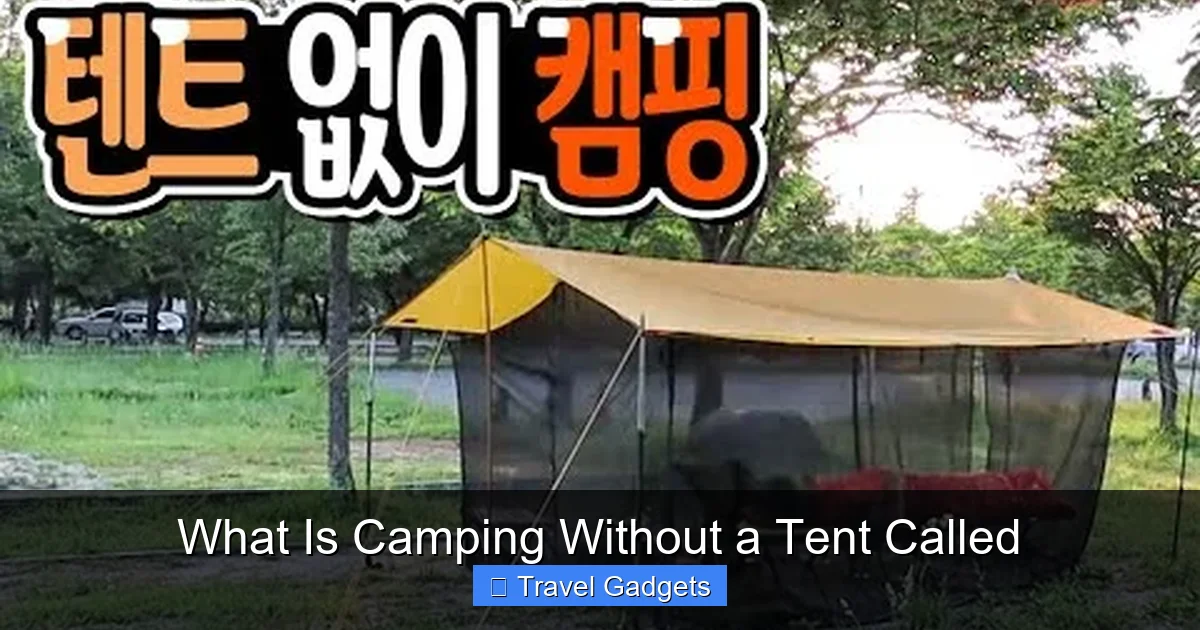
Find the Best Accommodation Deals
Compare prices from multiple booking platforms and discover the best stay options available.
⭐ Trusted by thousands of travelers
💰 Budget to luxury options available
Visual guide about What Is Camping Without a Tent Called
Image source: i.ytimg.com
Let’s face it—setting up a tent takes time, energy, and often a frustrating struggle with stakes and poles. But beyond convenience, going tentless offers real advantages:
Best Stay Deals Available
Compare prices across top booking platforms and find the best deal for your stay.
Check Available RoomsWeight Savings
A standard tent weighs 4–6 pounds. Swap it for a 1-pound tarp or bivy, and you’ve cut nearly a pound per person—critical for long-distance hikes. Every ounce shaved off your pack means less fatigue and more enjoyment.
Faster Setup and Teardown
In a storm or sudden downpour, minutes matter. A tarp tied between two trees deploys in seconds. Ditto for unzipping a bivy sack and rolling out your sleeping pad. No fumbling with clips or poles—just grab, go, sleep.
Enhanced Mobility
Without a bulky tent, you can hike farther, climb steeper terrain, and reach remote vistas faster. Ultralighters often cite this as their #1 reason for ditching the tent.
Lower Environmental Impact
Tents require materials, manufacturing emissions, and eventual disposal. Minimalist setups use fewer resources and leave lighter footprints—especially important in fragile alpine zones or protected wilderness areas where Leave No Trace principles apply.
Greater Flexibility
Need to change your route last minute? Carry a small tarp instead of a rigid tent, and you can adapt quickly. Want to nap mid-hike? Pull off the trail, drape your tarp over branches, and recharge—no site reservation needed.
Of course, there are trade-offs. Tentless camping demands better preparation, situational awareness, and higher-quality gear. But for many, the benefits far outweigh the risks.
Essential Gear for Tentless Camping
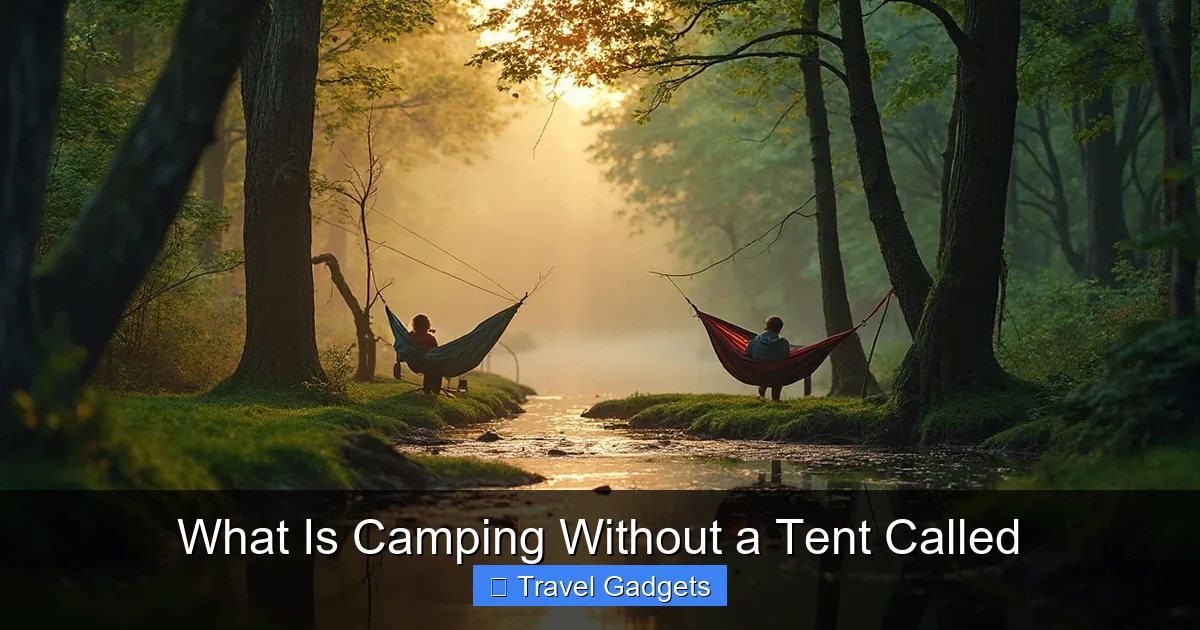
Visual guide about What Is Camping Without a Tent Called
Image source: motorhomehirenottingham.co.uk
You don’t need much—just the right stuff. Here’s what every tentless camper should carry:
Sleeping Bag & Pad
Your foundation. Choose a bag rated for expected temperatures plus 10°F buffer. A closed-cell foam pad ($15–$30) provides reliable insulation without compressing. Avoid inflatable pads—they’re heavier and prone to punctures.
Bivy Sack or Emergency Shelter
A bivy wraps around you like a cocoon, offering protection from wind, rain, and insects. Lightweight options weigh under 1 pound. Alternatively, a waterproof tarp ($20–$50) gives more room and versatility.
Headlamp & Backup Power
Evenings without a tent mean navigating in low light. Bring a bright headlamp and spare batteries—or a solar charger—to avoid fumbling in the dark.
Water Purification System
Natural water sources aren’t always safe. Carry a filter, UV purifier, or tablets to treat streams and lakes.
First-Aid Kit & Navigation Tools
Accidents happen. Include bandages, antiseptic wipes, tweezers, and a map/compass (plus GPS device). Never assume cell service will save you.
Weather-Appropriate Clothing
Layering is key. Moisture-wicking base layers, insulating mid-layers (fleece or down), and a waterproof shell keep you dry. Wool socks and a warm hat make cold nights tolerable.
Bonus tip: Pack everything in a drybag or roll-top backpack to protect gear from rain—even if you’re not using a tent.
Safety Tips for Going Tentless
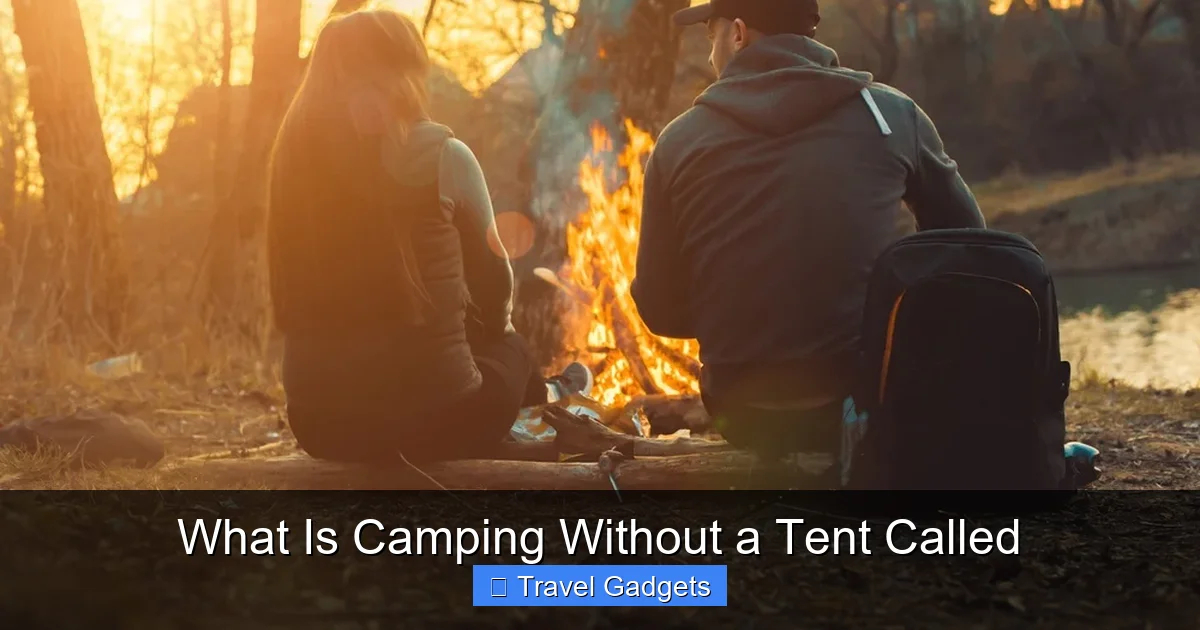
Visual guide about What Is Camping Without a Tent Called
Image source: campingmind.com
Freedom comes with responsibility. Follow these rules to stay safe:
Know Your Environment
Research elevation, wildlife activity, avalanche risk, and seasonal weather patterns. Avoid floodplains, dead trees (fall risk), and bear habitats unless properly equipped.
Check Local Regulations
Wild camping laws vary wildly. In the U.S., national forests usually allow dispersed camping within ¼ mile of roads; in the UK, it’s illegal in most places except Scotland. When in doubt, ask rangers or landowners.
Tell Someone Your Plans
Leave a detailed itinerary with a trusted friend—including where you’ll camp each night. If you don’t return on schedule, they can alert authorities.
Practice Leave No Trace
Minimize impact by packing out all trash, burying waste at least 6–8 inches deep, and using biodegradable soap sparingly. Even without a tent, respect nature.
Dress for the Night
Hypothermia kills faster than bears. Bring extra layers, hand warmers, and a reflective emergency blanket. Test your gear in cool weather before committing to a trip.
Stay Visible and Audible
If lost, stay put. Use bright clothing, whistle blasts (three = help!), and a signal mirror. Avoid wandering off-trail—even for photos.
Remember: comfort shouldn’t compromise safety. Going tentless is empowering, but only if done wisely.
Real-World Examples of Tentless Adventures
Curious how others do it? Here are authentic scenarios:
The Solo Thru-Hiker
On a 2,200-mile journey along the AT, Maria carries only a 1.2-pound tarp, 1.5-pound sleeping bag, and 0.8-pound pad. She pitches her tarp between rocks during storms and sleeps under the open sky on clear nights. “I feel closer to the land,” she says. “No walls between me and the world.”
The Road Tripper
Jake and his family drive cross-country in a minivan. They sleep inside with blackout curtains installed, using portable cots and thermal blankets. “We save money on campgrounds,” he explains. “Plus, we wake up to deer grazing right outside the window.”
The Weekend Nomad
Lena, a digital nomad, packs light for spontaneous hikes. Her “camp” is a bivy sack and a tarp she drapes over bushes after sunset. “It’s not glamorous,” she admits, “but it’s free, quiet, and unforgettable.”
Each story proves: tentless camping isn’t just for hardcore adventurers. With the right mindset and tools, anyone can try it.
Common Misconceptions About Tentless Camping
Let’s bust some myths:
Myth: You’ll freeze without a tent
False. A good sleeping bag + pad traps body heat just fine. Many tentless campers report warmer nights due to airflow and absence of condensation buildup inside fabric enclosures.
Myth: It’s only for experts
Not true. Beginners can start with car camping or short bivvy trips. Gradually increase exposure to weather and terrain as confidence grows.
Myth: Wildlife won’t bother you
Actually, animals may be curious—or threatened. Store food properly (bear canisters or hang), make noise while hiking, and avoid surprising creatures.
Myth: You need expensive gear
Not necessarily. Secondhand bivys, repurposed tarps, and budget pads work well. Focus on functionality over brand names.
Myth: It’s unhygienic
With proper hygiene practices (hand sanitizer, quick rinses, clean sleeping bags), tentless camping is perfectly sanitary. Just wash gear regularly!
By dispelling these myths, we hope to encourage more people to explore this rewarding style of travel.
How to Start Tentless Camping Today
Ready to give it a shot? Follow this simple plan:
1. **Begin small**: Try sleeping in your backyard or a nearby park with just a pad and bag. Test your comfort level.
2. **Choose mild conditions**: Pick calm, dry nights with temperatures above freezing. Avoid monsoon season or blizzard warnings.
3. **Pack smart**: Use the gear list above. Prioritize reliability over novelty.
4. **Respect boundaries**: Stay on legal sites, follow Leave No Trace, and never trespass.
5. **Document your experience**: Keep a journal or photos. Note what worked, what didn’t, and how you felt.
6. **Iterate**: Adjust gear, timing, and locations based on lessons learned.
Before long, you’ll discover why countless explorers swear by the open sky—and why going tentless feels less like deprivation and more like liberation.
Frequently Asked Questions
Is camping without a tent legal everywhere?
No—wild camping laws vary significantly by country and region. In the US, dispersed camping is allowed on public lands in many states. In the UK, it’s mostly illegal except in Scotland. Always verify local regulations before setting up camp.
Can I sleep comfortably without a tent?
Absolutely! With proper gear like a quality sleeping bag, insulated pad, and lightweight shelter (tarp or bivy), you’ll stay warm and dry. Comfort depends more on preparation than tent presence.
What’s the difference between bivouac and wild camping?
Bivouac refers to any temporary outdoor shelter with minimal gear, often military-inspired. Wild camping specifically means sleeping outdoors away from designated sites. All wild camps could be bivouacs, but not vice versa.
Do I need special skills for tentless camping?
Basic outdoor knowledge helps—navigation, weather reading, and first aid are essential. However, beginners can start safely with guided practice or short trips in familiar areas.
Is car camping considered tentless?
Yes! Car camping involves sleeping in or near your vehicle without a tent. It’s one of the safest ways to try minimalist camping, especially for families or those new to the concept.
What if it rains without a tent?
Use a waterproof tarp or bivy sack to stay dry. Pitch your tarp low with good drainage, and avoid ground contact by elevating yourself slightly. Modern gear handles rain beautifully—just avoid low-lying areas prone to pooling.