
Hot tent camping is an innovative way to enjoy winter camping by heating your tent using portable stoves or electric heaters. Unlike traditional cold-weather tents, hot tents trap heat inside while allowing snowmelt for water, making them ideal for snowy climates. This method turns freezing nights into warm, cozy retreats without sacrificing the magic of sleeping under the stars.
Key Takeaways
- What is hot tent camping? It’s a type of winter camping where you heat the tent interior using fuel-burning stoves or electric systems to stay warm in sub-zero temperatures.
- How it works: Heat is generated from a stove inside the tent, melting snow for water while maintaining a comfortable indoor temperature—often between 40°F and 70°F (4°C to 21°C).
- Safety is critical: Proper ventilation, carbon monoxide detectors, and fire-resistant materials are essential to prevent dangerous gas buildup or fire hazards.
- Best gear includes: A well-insulated tent with mesh panels, a reliable heating source, and a safe stove setup—like a wood-burning or propane heater.
- Ideal conditions: Hot tent camping shines in snowy, cold environments like alpine regions or northern forests, but requires careful planning and skill.
- Environmental impact: While eco-friendly options exist (e.g., wood stoves), overuse of fossil fuels can harm the environment—balance warmth with sustainability.
- It’s not just for pros: Beginners can start with electric-powered hot tents or pre-made kits designed for safety and ease of use.
📑 Table of Contents
Introduction: Why Warm Up Your Tent?
Imagine stepping outside in -15°F (-26°C) to gather firewood, only to return to a tent that feels like a sauna. That’s the magic of hot tent camping. Once considered a niche survival tactic, this method has evolved into a popular winter adventure style that blends comfort with the raw beauty of snow-covered landscapes. But what exactly is hot tent camping, and how does it differ from regular winter camping?
Check the latest prices and available rooms before they sell out.
In traditional winter camping, tents are built to withstand cold—not to generate warmth. You bundle up in layers, sleep in down bags rated for extreme temps, and rely on body heat. In contrast, hot tent camping uses an internal heat source—usually a stove—to create a warm microclimate inside your shelter. The result? You can wear lighter clothing at night, melt snow for water, and enjoy evenings by a crackling fire without shivering through the night. It’s like bringing your living room outdoors, wrapped in a waterproof shell and starlight.
How Does Hot Tent Camping Work?
At its core, hot tent camping relies on one simple principle: heat generation inside a sealed but ventilated structure. Most hot tents are modified versions of standard camping tents, often made with thicker fabrics, double walls, or special insulation. They feature mesh panels instead of solid doors to allow airflow while keeping snow out.
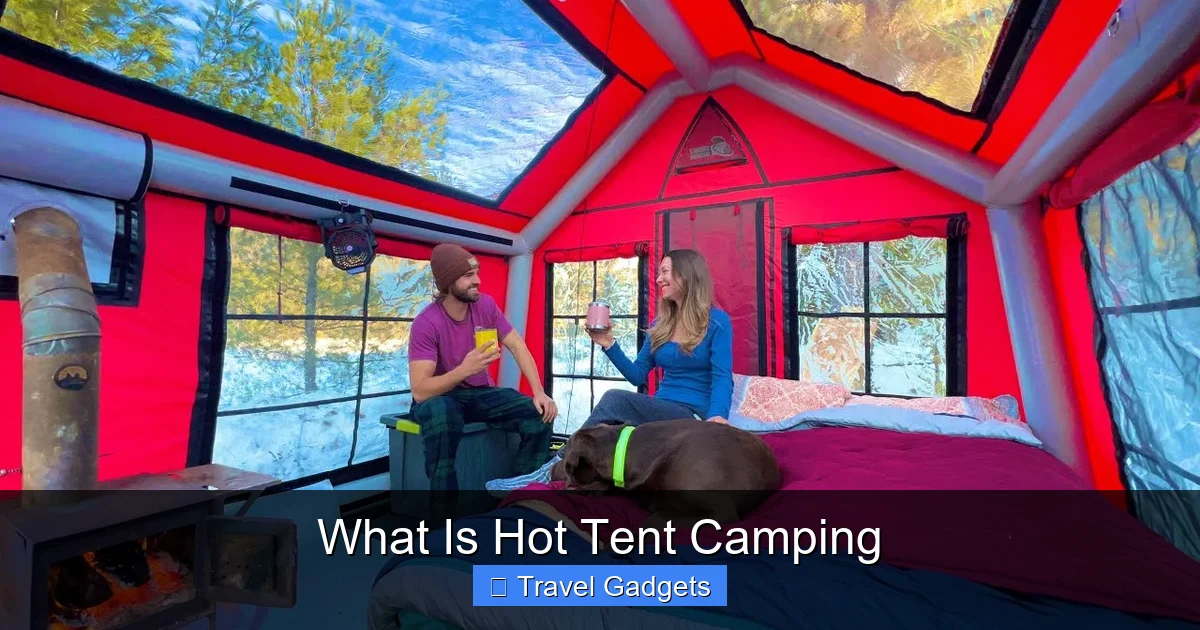
The Heating Process
Inside the tent, you place a small stove—typically a wood-burning model, propane heater, or even an electric radiant heater. Wood stoves are popular because they’re efficient and don’t require batteries. As the stove burns fuel, it emits radiant heat that warms the air and surfaces in the tent. This warmth is then trapped by the insulated walls, creating a cozy environment.
One clever trick? Using melted snow as a water source. Since the stove produces steam and condensation, you can hang a tarp or bag above it to collect meltwater. This means no need to carry heavy bottles—just find clean snow, melt it safely, and drink up.
Find the Best Accommodation Deals
Compare prices from multiple booking platforms and find the best option for your stay.
Compare Hotel PricesVentilation Is Key
Even in a “hot” tent, proper airflow prevents carbon monoxide buildup and keeps the air breathable. Most hot tents have two vents: one near the floor (for cold air intake) and one near the top (for hot air exhaust). This creates a natural convection current that circulates fresh air without letting all the heat escape.
Modern hot tents also come with CO detectors or alarm systems. These devices sound if dangerous gas levels rise, giving campers peace of mind during long winter nights.
Find the Best Accommodation Deals
Compare prices from multiple booking platforms and discover the best stay options available.
⭐ Trusted by thousands of travelers
💰 Budget to luxury options available
Essential Gear for Hot Tent Camping
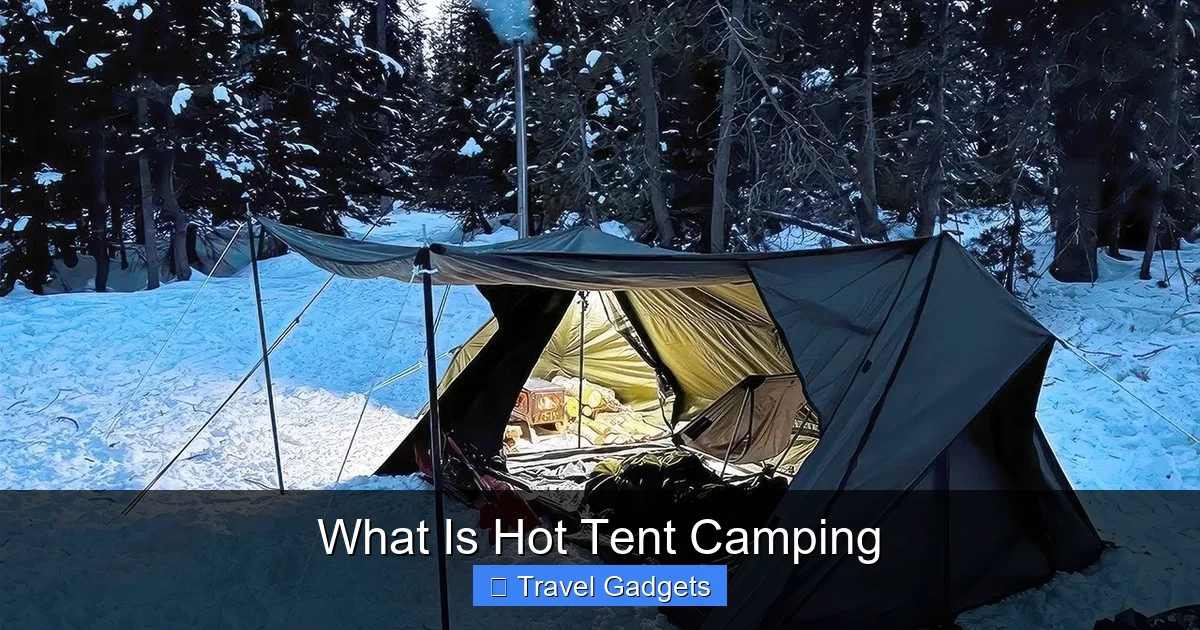
Unlike standard camping, hot tent setup requires specialized equipment. Here’s what every camper needs:
Visual guide about What Is Hot Tent Camping
Best Stay Deals Available
Compare prices across top booking platforms and find the best deal for your stay.
Check Available RoomsImage source: i.ytimg.com
- A durable, insulated tent: Look for models with thick polyester or canvas walls, double zippers, and reinforced seams. Brands like Outdoor Research, Kammok, and Snow Peak offer excellent options.
- A reliable stove: Wood stoves (like the Primus Koka) work well because they burn slowly and provide steady heat. Propane heaters (such as the Camp Chef Buddy) offer instant ignition but need fuel canisters.
- Fire-resistant flooring: Always place your tent on a non-combustible surface—like a metal sheet or stone platform—to protect the ground beneath.
- Sleeping gear: Even in a warm tent, use a sleeping bag rated for 20°F (-7°C) for extra comfort. Consider a foam pad to insulate from the cold ground.
- Safety tools: Include a carbon monoxide detector, fire extinguisher, and emergency blanket. Never leave the stove unattended.
Where Can You Do Hot Tent Camping?
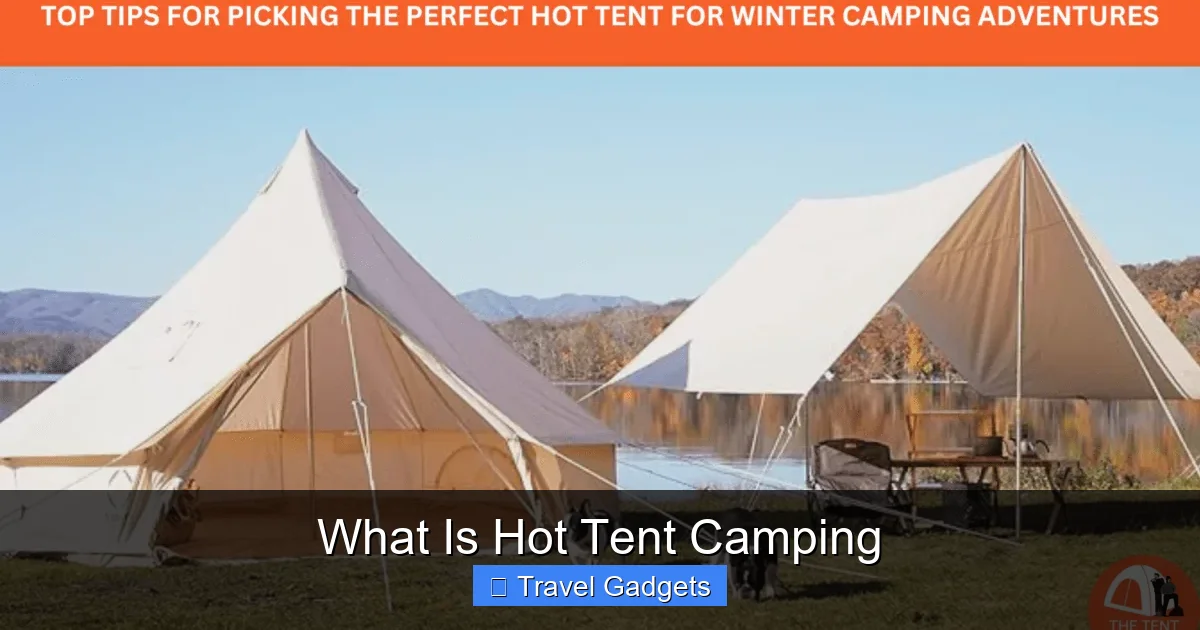
Hot tent camping isn’t limited to backyard backyards—it thrives in remote, snowy wilderness areas. Popular destinations include:
Visual guide about What Is Hot Tent Camping
Image source: thetentadvisor.com
- National forests in Colorado or Montana: Places like Rocky Mountain National Park allow dispersed camping and offer stunning alpine scenery.
- Canadian boreal forests: Think Northern Ontario or Quebec—ideal for solitude and deep snow coverage.
- European ski resorts (off-season): Some mountain towns permit overnight camping outside peak ski months, especially in designated zones.
Always check local regulations. Many parks require permits for winter camping, and some ban open fires entirely. When in doubt, contact park rangers or visit official government websites.
Safety Tips: Stay Warm, Stay Alive
While hot tent camping sounds fun, it carries real risks if safety rules are ignored. Follow these guidelines to protect yourself:
- Never sleep with the stove running unattended. If you must leave briefly, turn it off and let the tent cool slightly.
- Ensure adequate ventilation. Blocked vents = deadly fumes. Keep the tent clear of flammable items near the stove.
- Use only approved fuels. Avoid gasoline or kerosene—they produce toxic smoke and increase fire risk.
- Test your gear before departure. Check stove function, tent seams, and battery life for electronics.
- Dress appropriately: Wear moisture-wicking base layers and avoid cotton, which retains dampness.
Remember: comfort shouldn’t cost your safety. A warm tent is useless if you end up in the hospital due to hypothermia or poisoning.
Is Hot Tent Camping Eco-Friendly?
This is a common concern. On one hand, burning wood releases carbon dioxide—but so do cars and power plants. The key is responsible sourcing. Use fallen branches, avoid live trees, and burn dry wood efficiently. Electric heaters powered by solar-charged batteries are even greener alternatives.
Also, hot tents reduce waste: less reliance on disposable propane canisters and single-use gear. Plus, shorter trips mean lower overall environmental impact. Just pack out everything you bring in—including used matches and food wrappers.
Can Beginners Try Hot Tent Camping?
Absolutely! While experienced winter campers dominate the scene, beginners can start small. Rent gear, join guided tours, or practice in milder climates first. Some companies now sell “beginner hot tents” with integrated stoves and safety features. These kits simplify setup and minimize learning curves.
Online communities like Reddit’s r/WinterCamping or Facebook groups offer advice, gear reviews, and trip reports. Don’t hesitate to ask questions—most enthusiasts love sharing tips.
Conclusion: Embrace the Cozy Adventure
So, what is hot tent camping? It’s more than just a trend—it’s a lifestyle choice that redefines how we connect with nature in harsh conditions. By combining engineering ingenuity with outdoor passion, hot tent camping turns freezing nights into warm, memorable experiences.
Whether you’re chasing Northern Lights in Norway, hiking through Canadian Rockies, or simply escaping city life for a weekend in the woods, this method offers unmatched comfort. With proper preparation, respect for nature, and a sense of adventure, you too can transform a frigid night under the stars into a snug, glowing sanctuary.
Ready to give it a try? Pack your insulated tent, light the stove, and step into a world where warmth meets wild beauty. After all, winter camping doesn’t have to be brutal—sometimes, it just needs a little heat.
Frequently Asked Questions
Is hot tent camping dangerous?
Yes, if safety protocols aren’t followed. Carbon monoxide poisoning, fires, and hypothermia are real risks. Always use proper ventilation, install CO detectors, and never leave the stove unattended. With precautions, it’s safe and rewarding.
Can I use any tent for hot tent camping?
No. Standard tents lack insulation and may not handle high heat or condensation. Use tents specifically designed for hot tent camping, with thick walls, mesh panels, and reinforced floors. Check manufacturer guidelines before use.
Do I need special permits?
It depends on location. Some national forests allow dispersed winter camping without permits; others require reservations or fire bans. Always research local laws and obtain necessary permissions beforehand.
How warm can a hot tent get?
Most hot tents maintain temperatures between 40°F and 70°F (4°C to 21°C), depending on stove output, insulation quality, and outside conditions. High-end models can reach up to 85°F (29°C) in extreme cold.
What’s the best fuel for hot tent stoves?
Wood is popular for its availability and efficiency. Propane offers convenience and consistent heat. Electric heaters work indoors or with solar power. Choose based on trip length, climate, and personal preference.
How do I prevent condensation in my hot tent?
Maintain airflow with open vents, avoid sealing the tent completely, and use moisture-wicking bedding. Condensation is normal—just wipe surfaces gently and ensure proper ventilation to prevent mold.