
Choosing the best tent for camping means balancing size, weather resistance, and ease of setup. Whether you’re backpacking or car camping, a reliable tent keeps you dry, comfortable, and safe under the stars. In this guide, we’ll walk you through everything you need to know to pick the perfect shelter—so you can focus on making memories, not troubleshooting gear.
Key Takeaways
- Size matters: Choose a tent based on how many people will sleep inside, plus extra room for gear—don’t forget peak height if you’re tall.
- Weatherproofing is non-negotiable: Look for tents with full-coverage rainflys, seam sealing, and durable materials like polyester or ripstop nylon.
- Setup speed saves time: Freestanding designs and color-coded poles make pitching easier, especially when it’s raining or dark.
- Vents and airflow prevent condensation: Mesh panels and multiple vents help keep your tent cool and dry in humid conditions.
- Weight vs. durability: Ultralight tents are great for backpackers, but family campers may prioritize sturdiness over featherweight specs.
- Add-ons enhance comfort: Consider vestibules for gear storage, lantern loops, and interior pockets for small essentials.
- Read real reviews: Don’t just go by star ratings—check user feedback for durability, customer service, and long-term performance.
📑 Table of Contents
What Is the Best Tent for Camping?
There’s nothing quite like the crackle of a campfire, the whisper of wind through pine trees, and the soft glow of headlamps outside your tent. But before you can enjoy those magical moments, you need shelter—and not just any shelter will do. The best tent for camping does more than keep off the rain; it protects you from the elements, gives you space to relax, and makes setup feel effortless. With so many options on the market, picking the right one can feel overwhelming. That’s why we’ve broken down everything you need to know to choose the ideal tent for your adventures—whether you’re heading out solo, with a partner, or the whole family.
Check the latest prices and available rooms before they sell out.
From lightweight backcountry shelters to spacious cabin-style models, the “best” tent depends entirely on your needs. Are you hiking deep into the wilderness or parking your car at a national park? Do you need room for two or four? Will you be camping in summer heat or winter snow? These questions shape every decision—from material to weight to design. In this guide, we’ll explore the top contenders, highlight must-have features, and share practical tips so you can find a tent that fits your lifestyle, terrain, and budget. Because when you finally climb into your cozy, bug-free shelter at night, you should feel confident—not confused.
Types of Camping Tents: Which One Fits You?
Not all tents are created equal—and neither are campers. Understanding the main types of camping tents helps narrow down your choices based on your trip style. Let’s break them down.
Visual guide about What Is the Best Tent for Camping
Image source: s35564.pcdn.co
Backpacking Tents
Designed for minimalists who hike miles each day, backpacking tents are ultra-lightweight and compact. They use advanced materials like Dyneema or silnylon to save ounces without sacrificing strength. Most feature single-wall construction to reduce weight, though they may trap condensation more easily. If you’re planning multi-day treks or scrambling up mountain trails, a lightweight backpacking tent is your best bet. Just remember—comfort often takes a backseat (literally) to portability.
Car Camping Tents
These are the big guys—roomy, heavy, and built for comfort. Car camping tents come in dome, cabin, and A-frame styles and can fit 4–10+ people. They offer generous headroom, large vestibules, and plenty of storage space. Think of them as your mobile home away from home. Perfect for families or basecamps where you don’t mind hauling extra gear. Brands like Coleman and REI Co-op dominate this category with durable, easy-to-setup models.
Find the Best Accommodation Deals
Compare prices from multiple booking platforms and find the best option for your stay.
Compare Hotel PricesFamily Tents
Somewhere between backpacking and car camping lies the family tent. Designed for groups, these shelters prioritize space and convenience. Features like multiple doors, high ceilings, and ample living area make them ideal for weekend getaways. Many include pre-attached poles, color-coded clips, and even built-in gear lofts. While heavier than ultralights, they strike a great balance between usability and performance.
Four-Season Tents
Don’t let the name fool you—four-season tents aren’t just for mountaineering. They’re engineered to handle snow, wind, and freezing temps. Look for steep rooflines to shed snow, reinforced poles, and battened-down guylines. These tents often sacrifice breathability for stormworthiness, so they’re best reserved for alpine trips or cold-weather camping. Unless you’re braving icy peaks, most campers won’t need this level of ruggedness.
Find the Best Accommodation Deals
Compare prices from multiple booking platforms and discover the best stay options available.
⭐ Trusted by thousands of travelers
💰 Budget to luxury options available
Top Features to Look for in the Best Tent for Camping
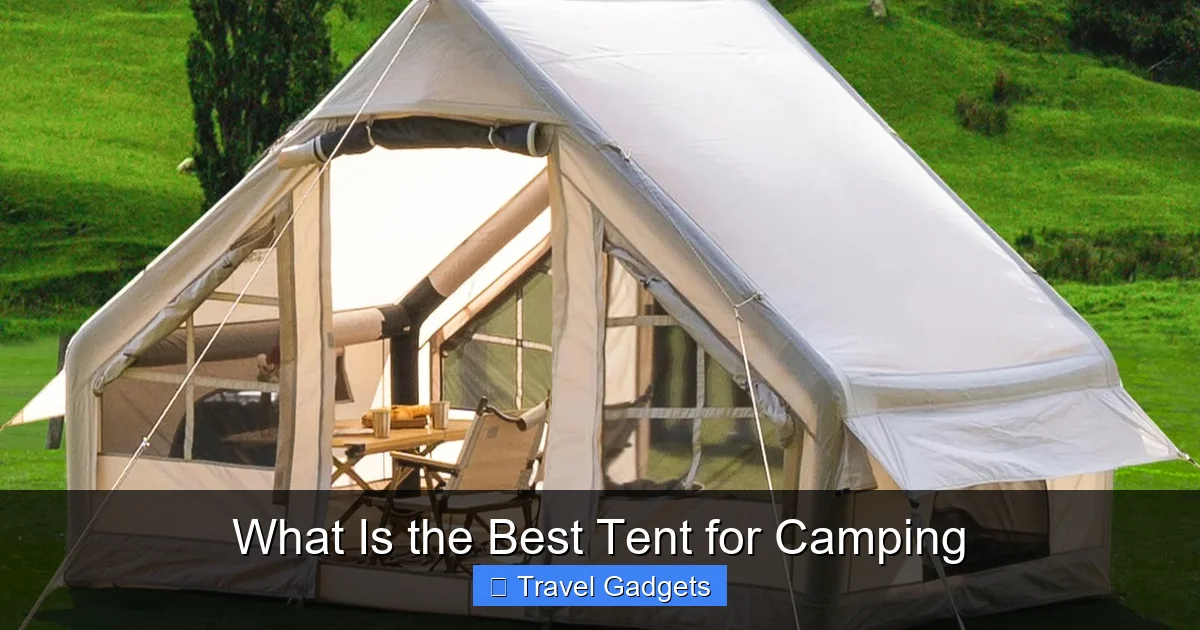
So what makes one tent stand out from another? It’s not always about brand or price—it’s about thoughtful design and smart engineering. Here are the key features every serious camper should consider.
Visual guide about What Is the Best Tent for Camping
Best Stay Deals Available
Compare prices across top booking platforms and find the best deal for your stay.
Check Available RoomsImage source: images-na.ssl-images-amazon.com
Pitch Time and Ease of Setup
Nobody wants to fumble with tangled poles while it’s drizzling. The best tents for camping use intuitive designs—like color-matched poles and snap-in clips—that let you pitch in under five minutes. Freestanding models are especially convenient since they don’t require stakes to stay upright. Brands like MSR and Big Agnes excel here with their “fast-pitch” systems.
Waterproofing and Weather Resistance
A good tent keeps water out—both from above and below. Look for polyurethane coatings on the floor (rated 1500mm+) and taped seams to block leaks. The rainfly should cover the entire tent, including the floor edges. Bonus points for bathtub-style floors that prevent ground moisture from seeping in. In rainy climates, this feature alone can make or break your trip.
Ventilation and Condensation Control
Cold nights mean warm bodies—and warm air holds more moisture. Without proper airflow, your tent becomes a sauna by morning. The best tents feature dual-zip windows, mesh panels, and adjustable vents to promote cross-breezes. Some even have vortex vents near the roof to pull stale air upward. Remember: more ventilation = less condensation, even in humid forests.
Interior Space and Layout
Even if a tent sleeps four, it might feel cramped. Check the peak height (ideally 68+ inches) and floor dimensions. Split-room designs or center dividers create privacy zones—great for couples or families. Interior pockets, gear loops, and hanging organizers add convenience. And yes, those vestibules outside the doors? They’re lifesavers for storing muddy boots or cooking gear without bringing dirt inside.
Durability and Materials
Cheap tents tear at the first gust of wind. Invest in ripstop nylon fabric, aluminum poles, and sturdy zippers. Double stitching and reinforced stress points matter too. While carbon fiber poles save weight, aluminum offers better impact resistance. Always check the denier rating—higher numbers mean tougher fabric.
Portability and Weight
If you’re carrying it on your back, every ounce counts. Ultralight tents weigh under 3 lbs and pack smaller than a loaf of bread. But again—balance matters. A 2-lb tent that collapses after one storm isn’t worth it. For car campers, weight is less critical, but still worth noting if you’re transporting it frequently.
Best Tents for Different Camping Scenarios
The best tent for camping isn’t universal—it adapts to your environment and goals. Let’s look at specific recommendations.
Visual guide about What Is the Best Tent for Camping
Image source: outdoorsportsreview.files.wordpress.com
For Backpackers: MSR Hubba Hubba NX 2
This lightweight gem weighs just 3.5 lbs and packs down small enough for most backpacks. It’s fully waterproof, has excellent ventilation, and sets up in under ten minutes. The symmetrical double-wall design prevents condensation while offering room for two. A favorite among thru-hikers and alpine explorers.
For Families: REI Co-op Half Dome SL 6
Spacious, durable, and priced reasonably, this 6-person tent offers 84 square feet of living space. Its freestanding design and color-coded poles simplify setup. Multiple doors and vents ensure airflow, while the included footprint extends lifespan. Great value for weekend warriors.
For Extreme Weather: Hilleberg Anjan 2
When Mother Nature throws everything at you—rain, wind, snow—this Swedish-built tent stands strong. Withstanding winds up to 75 mph and packed snow loads, it’s a mountaineer’s dream. Expensive, but unmatched in reliability for harsh conditions.
For Budget-Conscious Campers: Coleman Sundome 4
At under $100, this no-frills dome tent delivers solid performance for casual campers. It’s waterproof, easy to pitch, and offers decent space for four. Not ideal for storms, but perfect for backyard stays or mild spring outings.
How to Choose Based on Your Needs
Still unsure which tent is right? Use this quick checklist to match your trip type.
- Weekend car camping? Go big—look for 4–6 person tents with vestibules and high ceilings.
- Multi-day hike? Prioritize weight under 5 lbs and packable size.
- Camping in rain? Choose full-coverage rainflys and bathtub floors.
- Tall camper? Opt for tents with 68+ inch peak heights.
- Frequent setups? Freestanding models save time and hassle.
Also, consider climate. In deserts, maximize shade and airflow. In mountains, prepare for sudden storms. And never underestimate the power of reading recent reviews—gear evolves fast, and user experiences reveal hidden flaws.
Care and Maintenance Tips
A great tent lasts longer when treated right. Here’s how to keep yours in top shape.
- Clean after each trip: Wipe down fabric with mild soap and water. Never machine wash—it damages coatings.
- Dry completely: Store damp tents and you’ll attract mold. Air them out before packing.
- Use a footprint: This adds a layer of protection against abrasion and moisture.
- Inspect regularly: Check for tears, loose seams, or worn poles. Fix small issues early.
- Store uncompressed: Keep it loosely rolled—never force it into a stuff sack right after use.
Pro tip: Reapply DWR (durable water repellent) treatment annually to maintain waterproofing. Most brands sell sprays or washes specifically for this.
Conclusion: Finding Your Perfect Shelter
So, what is the best tent for camping? Honestly, there isn’t just one. The ideal choice depends on your priorities—weight for hikers, space for families, or storm resistance for adventurers. But whether you’re lacing up boots for a forest trek or unpacking sleeping bags in a meadow, the right tent transforms an ordinary night outdoors into something unforgettable.
Focus on what matters most to you: reliability, comfort, and ease of use. Spend a little extra on quality, and it’ll pay off season after season. And remember—even the best tent can’t replace preparation. Bring layers, check forecasts, and always test your setup at home first.
Now go forth! Whether you’re eyeing the sleek MSR Hubba Hubba or the roomy REI Half Dome, choose with confidence. Because when you zip up your tent door at dusk, knowing you’re protected from the world—that’s the real magic of camping.
Frequently Asked Questions
What makes a tent waterproof?
A tent is waterproof if its fabric has a hydrostatic head rating of 1500mm or higher and features fully taped seams. The rainfly should also extend over the floor to prevent water from pooling at the edges.
Can I use a backpacking tent for car camping?
Yes, but it may feel cramped if you’re used to more space. Backpacking tents prioritize weight over comfort, so they lack room for gear and have limited headroom compared to larger car camping models.
Do I need a separate footprint?
A footprint is highly recommended—it protects the tent floor from abrasion and moisture. Some brands include one, but buying a custom-fit footprint extends your tent’s life significantly.
How do I reduce condensation inside my tent?
Improve airflow by opening vents and windows, using reflective window covers at night, and avoiding hanging wet clothes inside. Mesh panels and dual-layer designs help too.
Are double-wall tents better than single-wall?
Double-wall tents (with inner and outer shells) offer better condensation control and comfort in changing temperatures. Single-wall tents are lighter but trap more moisture—ideal only for dry, warm climates.
How often should I replace my tent?
With proper care, a quality tent lasts 5–10 years. Replace it if you notice persistent leaks, torn fabric, or failing poles. Signs of wear outweigh sentimental value when safety is involved.