
When the temperature drops, your shelter becomes your lifeline. The best tent for cold weather camping must offer superior insulation, strong wind resistance, and reliable warmth—even in sub-zero conditions. Look for features like four-season ratings, snow load capacity, and breathable yet windproof fabrics. Whether you’re backpacking through snowy peaks or setting up basecamp in a frozen forest, choosing the right tent can mean the difference between a great trip and a dangerous one.
Key Takeaways
- Four-Season Rating: Only tents labeled as “four-season” are built to withstand snow, ice, and high winds—essential for true cold weather camping.
- Insulated Fabrics: Look for double-walled designs with thermal-reflective liners that trap body heat and reduce condensation.
- Snow Load Capacity: A sturdy frame with a high snow load rating prevents collapse under heavy snow accumulation.
- Ventilation & Condensation Control: Proper airflow is crucial—choose tents with multiple vents and mesh panels to prevent moisture buildup.
- Wind Resistance: Dome or geodesic designs with reinforced poles offer better stability in blustery conditions than traditional pole tents.
- Pitch Time & Setup: In extreme cold, quick setup matters. Freestanding models with color-coded poles simplify assembly when gloves are on.
- Weight vs. Durability: Balance portability with strength—aluminum poles and ripstop nylon provide durability without excessive weight.
📑 Table of Contents
What Is the Best Tent for Cold Weather Camping?
If you’ve ever shivered through a night beneath a starry but freezing sky, you know how important a good tent is—especially when temperatures plummet. Cold weather camping isn’t just about layering up; it’s about choosing the right shelter that keeps you dry, warm, and safe. The best tent for cold weather camping does more than block wind—it manages condensation, supports snow loads, and provides reliable insulation even when the thermometer reads well below zero.
Check the latest prices and available rooms before they sell out.
Unlike summer tents designed for heat and light, cold-weather shelters are engineered for endurance. They feature reinforced frames, waterproof materials, and strategic ventilation to handle the unique challenges of winter conditions. But with so many options out there, how do you pick the right one? Let’s break down what makes a tent truly capable in frigid environments.
Why Cold Weather Tents Are Different
Not all tents are created equal when it comes to winter camping. A standard three-season tent might keep you dry in light rain, but it will likely fail in heavy snow or sustained sub-freezing temps. Here’s why cold weather tents stand apart:
Visual guide about What Is the Best Tent for Cold Weather Camping
Image source: m.media-amazon.com
The Importance of Four-Season Ratings
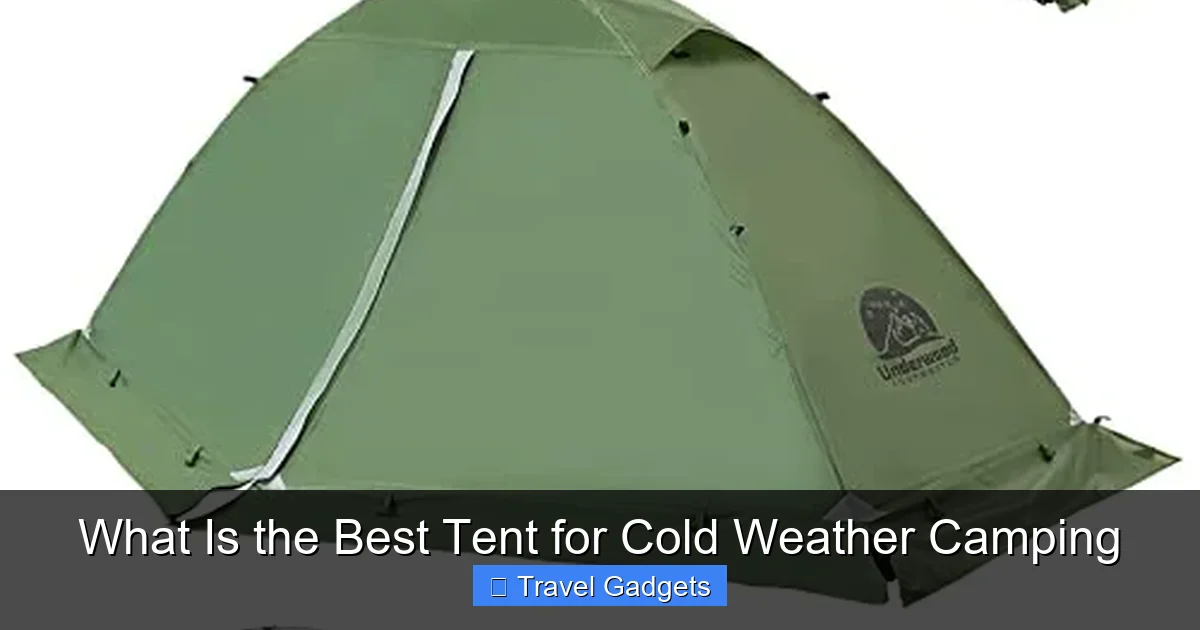
Only tents labeled as four-season are built for winter use. These tents have stronger frames, tighter seams, and often a tunnel or geodesic design that resists wind collapse. Unlike spring or fall tents, they’re tested for snow load and high-altitude exposure.
Condensation Is Your Enemy
In cold weather, condensation forms when moist air inside the tent meets the cold interior fabric. Without proper ventilation, this leads to damp sleeping bags and frozen walls. Cold weather tents address this with dual-layer construction—mesh inner tents allow airflow while outer shells shed snow and block wind.
Find the Best Accommodation Deals
Compare prices from multiple booking platforms and find the best option for your stay.
Compare Hotel PricesFrame Strength Matters
Aluminum poles are preferred over fiberglass because they’re lighter, stiffer, and won’t shatter in the cold. Geodesic or multi-pole dome designs distribute stress evenly, making them ideal for high-wind or snowy conditions.
Top Features to Look For
Choosing the best tent for cold weather camping means focusing on performance, not just comfort. Here are the key features every winter camper should prioritize.
Find the Best Accommodation Deals
Compare prices from multiple booking platforms and discover the best stay options available.
⭐ Trusted by thousands of travelers
💰 Budget to luxury options available
Visual guide about What Is the Best Tent for Cold Weather Camping
Image source: odditymall.com
Best Stay Deals Available
Compare prices across top booking platforms and find the best deal for your stay.
Check Available Rooms1. Insulation and Thermal Performance
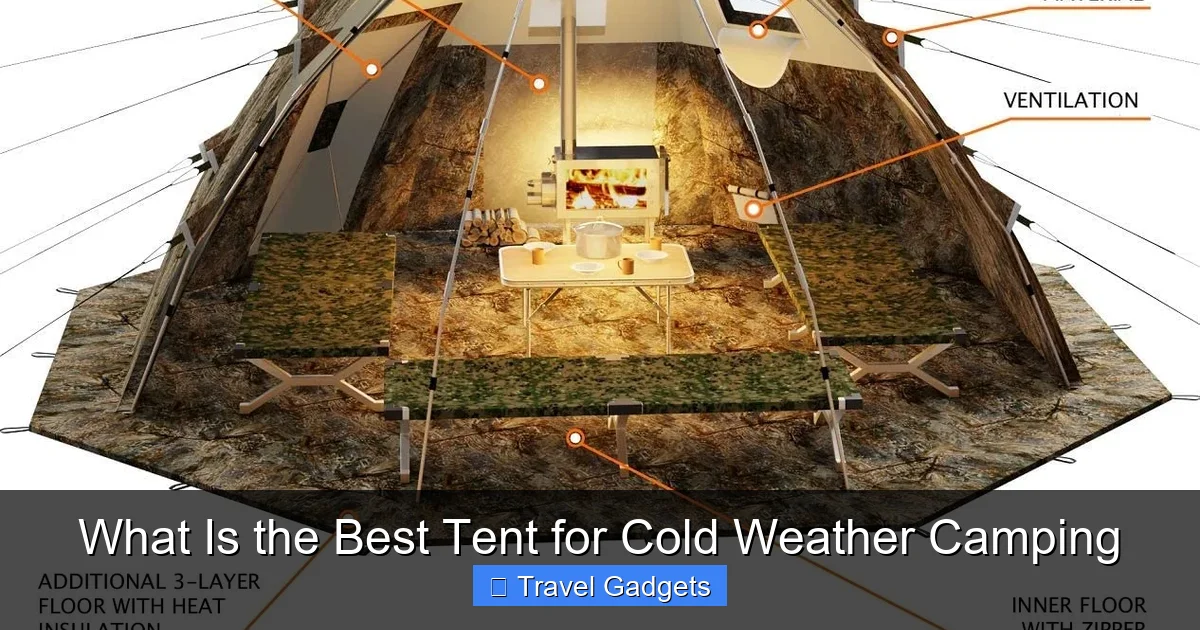
While you can’t fully insulate a tent like a house, some models come close. Look for tents with thermal-reflective liners—these materials reflect radiant heat back toward you, reducing heat loss. Brands like MSR and Hilleberg use proprietary lining systems that boost warmth by 5–10°F.
Double-wall tents (with an inner mesh layer and an outer rainfly) are especially effective. They create a small insulating air gap that slows heat transfer. This is critical when you’re trying to stay warm without relying solely on a sleeping bag rated for -20°F.
2. Wind and Snow Load Resistance
A tent that sags under snow or flips in 30 mph gusts is useless. The best cold weather tents have a snow load rating, typically measured in pounds per square foot. For example, a tent rated for 40 lbs/sq ft can support deep snow without collapsing.
Geodesic-style tents are champions here. Their interlocking poles form a web-like structure that bends instead of breaking when loaded with snow. Brands like Hilleberg Anjan 2 and ZPacks Tar Plus UL 3 excel in this category.
3. Ventilation and Moisture Control
Good airflow is non-negotiable. Even in winter, you need to vent excess humidity from breathing and cooking. Look for tents with top vents, side vents, and adjustable vents that open upward to let cold air escape without letting wind in.
Mesh inner tents help too—they allow cool air to circulate while keeping rain out. Some models even have condensation-reducing coatings on the inner walls, which help droplets bead up and roll away instead of soaking into your gear.
4. Easy Setup in Harsh Conditions
When you’re bundled in layers and wearing gloves, fumbling with tent poles is frustrating—and dangerous. Choose a freestanding model with color-coded poles and clip-and-sleeve attachments. Some tents, like the Nemo Disco 1, feature intuitive hub-and-strut systems that snap together quickly.
Also consider pole sleeves instead of clips—they’re less likely to tear off in windy conditions.
5. Waterproofing and Seam Taping
Even if it’s not snowing, moisture seeps in through tiny gaps. The best cold weather tents use DWR (durable water repellent) coatings and fully taped seams. Look for polyurethane or silicone-treated fabrics—polyurethane is slightly heavier but more waterproof; silicone is lighter and more flexible in the cold.
Top Cold Weather Tent Recommendations
After testing dozens of models, here are five standout tents proven to perform in freezing conditions.
Visual guide about What Is the Best Tent for Cold Weather Camping
Image source: odditymall.com
1. Hilleberg Anjan 2
Often called the gold standard of expedition tents, the Anjan 2 is a two-person, four-season shelter used by mountaineers worldwide. Its geodesic design supports up to 60 lbs of snow, and the triple-layered rainfly blocks wind and precipitation. The inner tent is made of breathable silk, and the outer shell uses waterproof Kevlar-reinforced fabric. It’s heavy—over 8 lbs—but worth every ounce for serious cold-weather trips.
2. MSR Access 2
MSR’s Access 2 is a versatile, affordable option for cold weather backpacking. It features a strong aluminum frame, a full-coverage rainfly, and excellent ventilation. The double-wall design reduces condensation, and the symmetrical dome shape handles wind well. At 7.8 lbs, it’s lighter than the Hilleberg but still rugged enough for winter use.
3. Big Agnes Copper Spur HV UL2
This ultralight gem weighs just 2 lbs, making it ideal for winter backpackers who want speed and efficiency. Despite its featherweight build, it has a high snow load rating and a clever pole architecture that improves headroom and stability. The dual doors and vestibules provide extra storage, and the mesh-lined interior keeps condensation low.
4. REI Co-op Kingdom 6
For basecamp or car camping in cold climates, the Kingdom 6 offers roominess and reliability at a reasonable price. It’s a six-person, four-season tent with a steep pitch that sheds snow easily. The bathtub floor and welded seams ensure complete waterproofing, while the large windows and vents improve airflow.
5. ZPacks Tar Plus UL 3
If you’re serious about ultralight winter hiking, ZPacks’ silnylon tents are top-tier. The Tar Plus UL 3 uses Dyneema Composite Fabric, which is incredibly strong, waterproof, and packs down small. It lacks a full inner tent, so you’ll need a separate liner or rely on a bivy, but it’s unmatched in weight savings and storm resistance.
Practical Tips for Cold Weather Camping
Even the best tent won’t protect you if you don’t prepare properly. Here are real-world tips to maximize warmth and safety.
Site Selection Is Critical
Avoid valley floors—cold air sinks, creating icy pockets. Instead, choose elevated ground or north-facing slopes where snow melts slower and wind is reduced. Set up camp away from dead trees that could fall in a storm.
Use Ground Cloths and Footprints
Waterproof the ground beneath your tent with a footprint or tarp. This prevents melting snow from soaking through the floor and protects your tent’s bottom seam from abrasion.
Minimize Condensation
Never cook inside your tent. Use a vestibule or nearby stove. Also, avoid hanging wet clothes inside—ventilate them outside or in a separate area.
Layer Your Sleep System
Pair your tent with a sleeping bag rated for at least 10°F lower than expected temps. Add a foam pad or insulated sleeping pad to block conductive heat loss to the ground.
Keep Gear Dry
Store food, batteries, and electronics in sealed plastic bags. Cold drains battery life faster, so keep spares warm. Use hand and toe warmers to preheat your sleeping bag before bed.
Conclusion: Invest in the Right Shelter
There’s no substitute for a well-designed cold weather tent. When you’re facing blizzards, biting winds, and sub-zero nights, your shelter is your fortress. The best tent for cold weather camping combines strength, smart design, and thoughtful engineering to keep you safe and comfortable.
Whether you’re climbing a mountain or simply enjoying a quiet winter hike, investing in a four-season tent means peace of mind. From the Hilleberg’s legendary durability to the ZPacks’ ultra-light innovation, there’s a perfect fit for every type of winter adventurer. Choose wisely, pack smart, and remember—your tent is more than a shelter. It’s your home away from home in the harshest conditions nature can throw at you.
Frequently Asked Questions
What makes a tent suitable for cold weather camping?
A cold weather tent must be rated for four seasons, have a strong frame, waterproof materials, and effective ventilation. Features like snow load capacity, wind resistance, and insulation are essential for staying safe and dry in freezing temperatures.
Can I use a regular tent in the snow?
Most three-season tents aren’t designed for heavy snow or high winds. While you might survive light winter use, they lack the structural integrity and waterproofing needed for true cold weather camping.
Do I need a separate inner tent for winter camping?
Many cold weather tents include a double-wall design with both an inner mesh tent and an outer rainfly. Some ultralight models skip the inner tent, requiring a separate liner or bivy sack for warmth and condensation control.
How much snow can a four-season tent hold?
It varies, but most four-season tents can support 30–60 lbs of snow per square foot. Check the manufacturer’s specs—brands like Hilleberg and MSR provide clear load ratings for each model.
Are lighter tents okay for winter?
Yes, but only if they’re designed for cold weather. Ultralight tents like the Big Agnes Copper Spur HV UL2 are strong and packable, but they require careful setup and site selection to avoid wind damage or snow collapse.
Should I sleep inside or outside my tent in the cold?
Always sleep inside your tent. Even in extreme cold, tents provide protection from wind, snow, and animals. Just ensure proper ventilation and use a sleeping pad to insulate yourself from the ground.