
A tent is more than just a shelter during camping—it’s your safe haven from rain, wind, and animals. It provides privacy, keeps you dry, and creates a cozy base for rest and gear storage. Whether you’re backpacking or glamping, understanding the real use of a tent makes all the difference in enjoying nature safely and comfortably.
Camping is one of life’s most rewarding escapes—connecting with nature, breathing fresh air, and unplugging from daily stress. But if there’s one thing that separates a successful outdoor adventure from a miserable night under the stars, it’s having a reliable tent. You might picture tents as just colorful pop-ups at music festivals, but in reality, they’re far more essential. The use of a tent in camping goes beyond just putting up a structure—it’s about protection, comfort, and peace of mind. Whether you’re a seasoned hiker or a weekend warrior, understanding why a tent matters can make or break your trip.
Check the latest prices and available rooms before they sell out.
Think of a tent as your mobile home while you’re on the move. Unlike a cabin or hotel, it’s portable, lightweight (for backpackers), and designed to be set up anywhere nature allows. But what exactly does it do? Simply put, a tent acts as a protective shell between you and the wilderness. It keeps out the cold, hides you from view, and even blocks out noise from passing animals or people. In this article, we’ll explore the many uses of a tent in camping, why it’s indispensable, and how choosing the right one can elevate your outdoor experience.
Key Takeaways
- Protection from the Elements: A tent shields you from rain, snow, wind, and extreme temperatures, ensuring you stay dry and warm no matter the weather.
- Safety from Wildlife: It offers a secure barrier against insects, rodents, and larger animals, giving peace of mind while sleeping outdoors.
- Privacy and Comfort: A tent creates a personal space where you can relax, change clothes, and store belongings safely away from others.
- Weather-Resistant Shelter: With proper setup, tents provide stable shelter that withstands strong winds and heavy downpours.
- Convenient Storage Space: Many tents include vestibules or interior pockets for organizing gear, food, and personal items.
- Versatility Across Terrains: From desert dunes to mountain trails, tents adapt to various landscapes with the right type and model.
- Foundation for Campsite Experience: A good tent enhances the overall camping experience by offering a reliable base for cooking, sleeping, and unwinding.
📑 Table of Contents
- The Primary Purpose: Protection from Nature’s Forces
- Keeping You Safe from Wildlife and Insects
- Providing Privacy and Personal Space
- Storing Gear Safely and Efficiently
- Creating a Cozy Base for Daily Activities
- Adaptability Across Different Camping Styles
- Extending the Life and Performance of Your Tent
The Primary Purpose: Protection from Nature’s Forces
At its core, the main use of a tent in camping is to offer shelter from the unpredictable forces of nature. Weather can change in an instant—suddenly, a sunny afternoon turns into a cold, wet storm. Without a tent, you’d be exposed to rain, wind, and possibly even hail or snow. Even in mild climates, nighttime temperatures drop significantly, especially near bodies of water or at higher elevations.
Tents are engineered to handle these challenges. Modern materials like polyester, nylon, and ripstop fabric are both waterproof and breathable. The rainfly adds an extra layer of defense against moisture, while the tent floor is often made of thick PVC or coated fabric to prevent water from seeping in from below. This multi-layered design ensures that even during heavy rain, you remain dry inside.
Moreover, tents help regulate temperature. Some models feature mesh panels that allow airflow during hot days while keeping bugs out. Others come with insulated liners to retain warmth in freezing conditions. For campers who venture into alpine zones or deserts, this adaptability is crucial. The ability to stay comfortable regardless of external conditions is one of the biggest reasons why a tent is non-negotiable for serious adventurers.
Wind Resistance and Structural Stability
Not all tents are created equal when it comes to handling wind. Poorly designed shelters can collapse under even moderate gusts, leaving campers vulnerable. High-quality tents use reinforced poles, guy lines, and strategic pole configurations to distribute wind force evenly across the structure. Dome-shaped tents, for instance, are known for their aerodynamic efficiency, making them ideal for open, windy areas like mountains or lakesides.
When setting up your tent, always secure the guy lines tightly to stakes driven deep into the ground. Anchoring the tent properly not only improves stability but also extends its lifespan. Manufacturers often test their tents in simulated high-wind environments, so reading reviews and ratings before purchasing is smart. A tent’s use isn’t just about being waterproof—it’s about standing firm when the weather turns hostile.
Keeping You Safe from Wildlife and Insects
Find the Best Accommodation Deals
Compare prices from multiple booking platforms and find the best option for your stay.
Compare Hotel PricesVisual guide about What Is the Use of Tent in Camping
Image source: images.pexels.com
Find the Best Accommodation Deals
Compare prices from multiple booking platforms and discover the best stay options available.
⭐ Trusted by thousands of travelers
💰 Budget to luxury options available
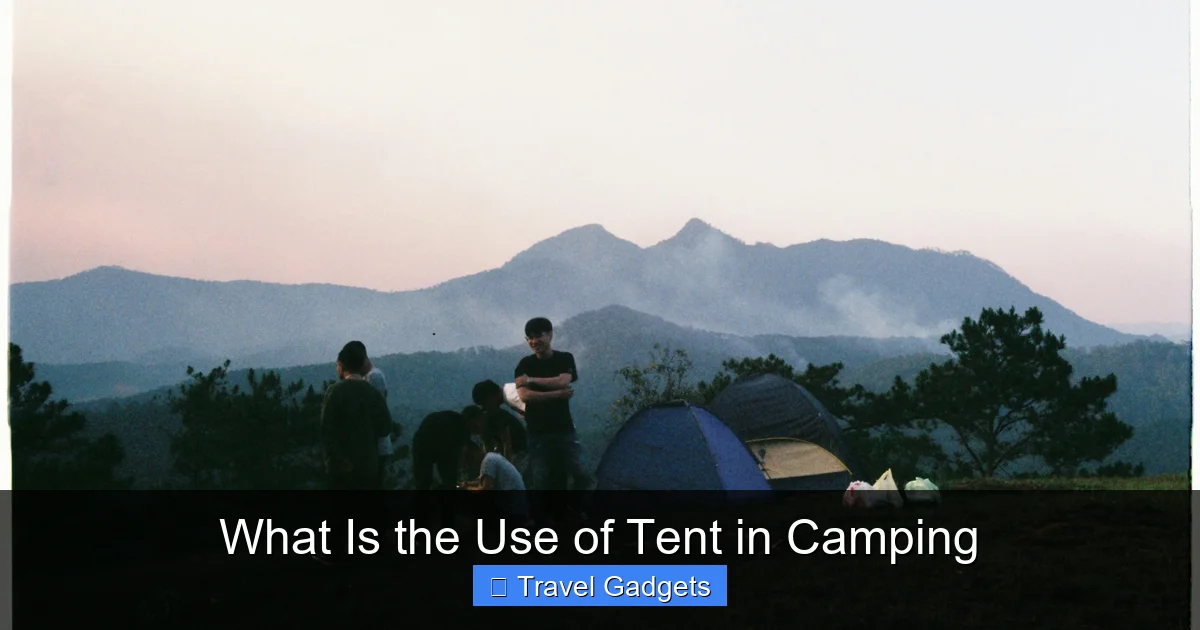
Another vital use of a tent in camping is creating a barrier between you and local wildlife. While most animals avoid humans, some—like raccoons, bears, or rodents—are curious or opportunistic. In bear country, for example, food must be stored outside your campsite to avoid attracting danger. But without a tent, your sleeping bag, clothes, and gear could still be within reach.
Many tents today feature built-in bug nets or are compatible with separate netting systems. These mesh layers keep mosquitoes, ticks, and gnats at bay without trapping heat. In tropical or swampy regions, this alone can make the difference between a peaceful night and constant scratching.
Even in urban or suburban areas, tents protect against pests like ants, spiders, and snakes. A sealed tent floor and zippered doors act as a fortress, ensuring critters don’t wander in. This is especially important for families with children who may want to play or snack inside the tent during the day. Safety isn’t just about avoiding big predators—it’s about minimizing all risks in an unfamiliar environment.
Best Stay Deals Available
Compare prices across top booking platforms and find the best deal for your stay.
Check Available RoomsChoosing the Right Tent for Wildlife Areas
If you’re camping in bear-heavy regions like Yellowstone or the Canadian Rockies, consider a bear-resistant tent or one with a sturdy, enclosed design. Some brands even offer tents with odor-proof fabrics to reduce the chance of attracting animals through human scent. Always follow Leave No Trace principles: never leave food unattended, and store all scented items (like toothpaste or soap) in bear bags or lockers.
Providing Privacy and Personal Space
Visual guide about What Is the Use of Tent in Camping
Image source: clipart-library.com
One of the most overlooked benefits of a tent is the sense of privacy it offers. Campgrounds can be busy, especially during peak season. Being able to retreat into a quiet, enclosed space lets you recharge away from the noise and crowds. Inside your tent, you can change clothes, read a book, or enjoy a private meal without feeling exposed.
For solo travelers, this personal bubble is comforting. For couples or families, it allows for intimacy and quiet time together—something hard to find in a shared cabin or RV. Even digital detox becomes easier when you have a physical boundary between yourself and the outside world.
Tents also give you control over your environment. Want to listen to music softly? Sure, if your tent has a speaker port or Bluetooth compatibility. Need natural light during the day? Choose a model with large windows or a sunroof. Some high-end tents even include solar panels or USB charging ports. These features transform your tent from mere shelter into a functional living space.
Tent Accessories That Enhance Privacy
To boost privacy, consider adding curtains or room dividers. These can be made from lightweight fabric and attached with clips or hooks. Another trick is using reflective window covers at night to block light from neighboring sites. If you’re car camping, opt for larger tents with multiple rooms—they offer better separation and more storage.
Storing Gear Safely and Efficiently
Visual guide about What Is the Use of Tent in Camping
Image source: png.pngtree.com
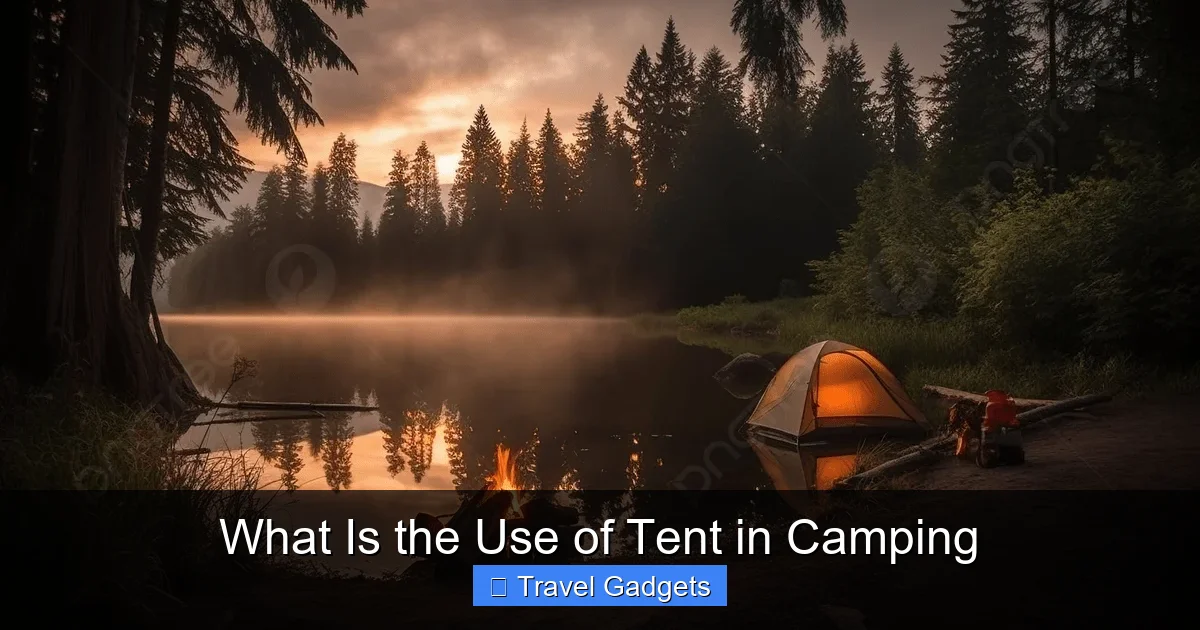
The use of a tent in camping isn’t limited to sleeping. Most tents include vestibules—the area outside the door—where you can stash backpacks, boots, and cooking equipment. This keeps your sleeping area clean and clutter-free. Interior pockets and hanging loops help organize small items like flashlights, phones, and maps.
Imagine arriving after a long hike, exhausted and muddy. Instead of dumping your dirty pack on the ground, you slide it into the vestibule and step inside to wash up or cook dinner. That simple convenience saves time and maintains hygiene. Plus, storing gear inside the tent protects it from moisture, dirt, and theft.
Some ultralight tents prioritize weight savings, sacrificing vestibule space. But for family campers or those bringing lots of gear, a spacious tent with ample storage is worth the extra pounds. Always assess your packing needs before deciding on a model. A well-organized tent makes every part of your trip smoother.
Pro Tips for Organizing Your Tent
– Use stuff sacks labeled by category (sleeping, clothing, electronics).
– Hang heavy items from the tent ceiling to balance weight.
– Keep food and scented items in sealed containers inside the tent—never leave them outside.
– Roll up the rainfly at night to create extra space.
Creating a Cozy Base for Daily Activities
Beyond shelter, your tent serves as the heart of your campsite. It’s where you sleep, eat, and plan the next day’s adventure. Setting up a small folding table inside or near the entrance turns it into a functional kitchen zone. You can boil water, prepare snacks, or even work remotely if you bring a laptop and battery pack.
Lighting is another consideration. LED headlamps or string lights add ambiance and practicality. Many modern tents integrate lighting systems or have attachment points for lanterns. During cold nights, a heated mattress pad or thermal sleeping bag liner makes the interior feel like a luxury suite.
The psychological impact shouldn’t be underestimated either. Having a designated “home” while camping reduces stress and increases enjoyment. Knowing you have a secure, familiar spot to return to each evening fosters relaxation. That’s why experienced campers often say, “Your tent is your sanctuary.”
Designing a Comfortable Campsite Layout
Arrange your tent so the door faces away from prevailing winds and sources of noise. Position the head end toward the sunrise for morning warmth. Keep flammable materials (like tents) at least 10 feet from campfires. Use a footprint (a protective tarp) underneath your tent to extend its life and improve insulation.
Adaptability Across Different Camping Styles
The versatility of a tent shines through its range of designs. Ultralight backpacking tents weigh under two pounds and fold into tiny packs—perfect for thru-hikers. Family tents stretch over six feet tall and include room dividers, closets, and even lofts. Car camping tents offer easy setup and ample space for groups. Even festival-goers rely on pop-up tents for shade and quick shelter.
Each style highlights a different aspect of the tent’s use. Backpackers prioritize weight and packability; families focus on square footage and durability; luxury campers look for features like electric hookups and carpet floors. No matter your preference, there’s a tent built for your specific needs.
Matching Tent Type to Adventure Type
– **Backpacking:** Choose a freestanding, lightweight 2- or 3-person tent.
– **Family Camping:** Go for a 6+ person dome or cabin-style tent.
– **Winter Camping:** Select a four-season tent with strong wind resistance.
– **Desert Camping:** Opt for a ventilated tent with UV-resistant fabric.
– **Glamping:** Consider a bell tent or safari-style shelter with decorative touches.
Extending the Life and Performance of Your Tent
To maximize the use of your tent, treat it like a valuable investment. Always pitch it on a flat, dry surface using a groundsheet or footprint. Avoid dragging it over rocks or branches that can tear the fabric. After each trip, clean off dirt and let it air dry completely before storing. Never pack it wet—mold and mildew will ruin the material.
Regularly inspect seams, zippers, and poles for wear. Repair minor tears with seam sealer or patches. Replace worn-out parts promptly. Proper care ensures your tent remains reliable year after year, protecting you through countless adventures.
Common Mistakes to Avoid
– Setting up in puddles or soft soil (causes leaks and weak support).
– Using the tent without a footprint (shortens lifespan dramatically).
– Storing it compressed for too long (creases weaken the fabric).
Frequently Asked Questions
Can I camp without a tent?
Yes, but only in controlled environments like designated campsites with platforms or in very mild weather. Without a tent, you risk exposure to rain, insects, and temperature changes. It’s not recommended for overnight trips in unpredictable conditions.
How do I choose the right size tent?
Consider how many people will sleep inside plus extra space for gear. A 2-person tent should fit two adults comfortably with room for backpacks. For families, choose a 4- or 6-person model. Add vestibule space when possible for storage.
Are all tents waterproof?
No. While most quality tents are water-resistant, none are 100% waterproof forever. Over time, seams degrade and coatings wear off. Always carry a repair kit and use a footprint or tarp underneath to extend waterproofing.
Do I need a separate sleeping bag or pad inside the tent?
Absolutely. Your tent protects you from the elements, but it doesn’t insulate. A sleeping bag keeps you warm, while an insulated pad prevents heat loss to the ground. Both are essential for comfort and safety.
Can I sleep in my tent during the day?
Yes! Tents are great for naps, reading, or escaping midday heat. Just ensure they’re well-ventilated and secure. In hot climates, avoid direct sunlight by setting up in shaded areas or using a sunshade.
What’s the difference between a 3-season and 4-season tent?
Three-season tents are lightweight and ideal for spring, summer, and early fall. Four-season tents are heavier, sturdier, and built to handle snow, ice, and high winds common in winter. Use the right tent for your environment.