
The warmest winter tents are built for extreme cold, featuring thick insulation, strong wind resistance, and advanced ventilation. Designed with materials like 4-season fabrics and double walls, these tents trap body heat while preventing condensation. Whether you’re climbing mountains or camping in sub-zero temps, choosing the right winter tent can mean the difference between a comfortable night and a dangerous freeze.
Winter camping is an exhilarating way to experience nature’s raw beauty—but it also comes with serious challenges. Temperatures can plummet well below freezing, wind chills make it feel colder than it is, and snowstorms can roll in without warning. In such conditions, your shelter becomes more than just a place to sleep; it’s your lifeline. That’s why choosing the warmest winter tent isn’t just about comfort—it’s about survival. A poorly designed tent can turn a peaceful night under the stars into a dangerous, icy ordeal.
Check the latest prices and available rooms before they sell out.
So what makes one winter tent warmer than another? It’s not just about thickness or color. The real magic lies in engineering: how air moves inside, how well the fabric retains heat, and how the structure handles snow and wind. Over the years, outdoor brands have refined their designs using insights from mountaineering, Arctic expeditions, and field testing. Today’s top winter tents blend science with practicality, offering campers reliable warmth without sacrificing usability. Whether you’re planning a backcountry ski trip, a winter basecamp trek, or simply want to try cold-weather camping safely, understanding what makes a tent truly warm will help you make the best choice.
Key Takeaways
- Insulation Matters: Look for tents with insulated liners or double-wall designs that reduce heat loss and prevent ice buildup.
- Wind & Snow Resistance: The best winter tents have robust poles, reinforced seams, and aerodynamic shapes to withstand high winds and heavy snow.
- Ventilation Without Compromise: Effective airflow prevents moisture buildup while minimizing cold drafts—look for adjustable vents and breathable fabrics.
- Weight vs. Durability: While lightweight is tempting, winter tents prioritize strength over portability due to harsh conditions.
- Setup in Snow: Features like low-profile doors and snow skirts help keep snow out and maintain warmth during setup.
- Material Quality: Polyester or nylon tents with PU coatings offer better water resistance and durability than standard polyester.
- Real-World Testing: Always check reviews from experienced winter campers to see how a tent performs in actual cold-weather scenarios.
📑 Table of Contents
What Makes a Tent Warm in Winter?
Before diving into specific models, let’s break down the core features that separate a basic three-season tent from a true winter warrior. The goal is simple: minimize heat loss while maximizing insulation and managing moisture.
Double-Wall Construction
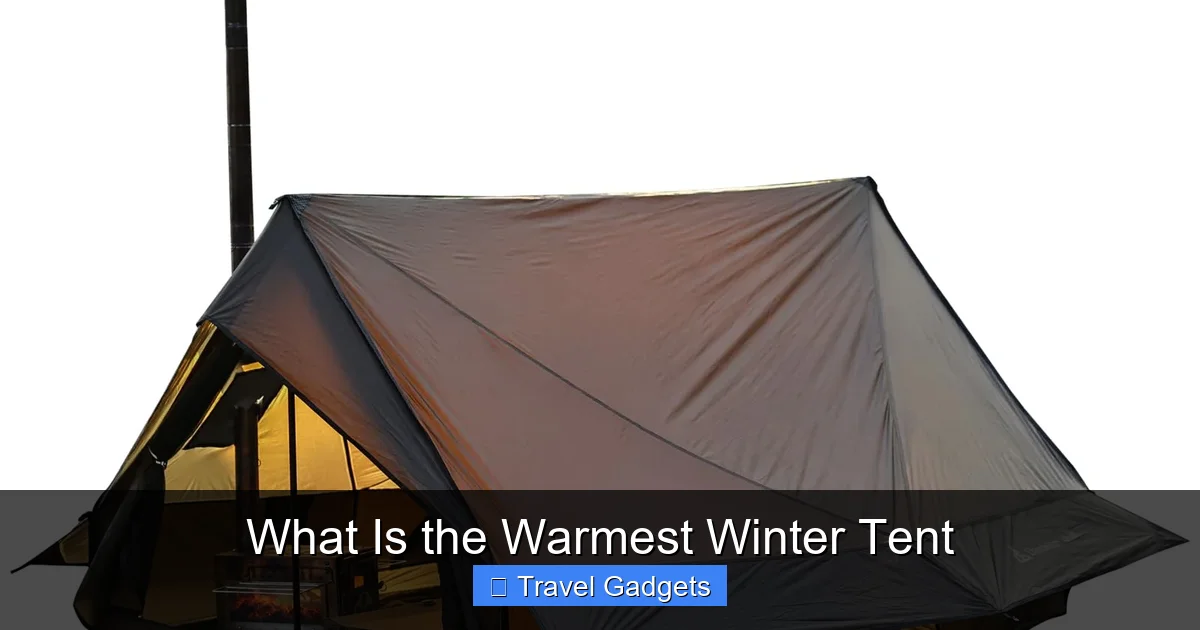
Most warm winter tents use a double-wall design—two layers separated by an air gap. This creates a buffer zone that reduces convective heat loss. The outer shell blocks wind and snow, while the inner tent holds your body heat close. The space between allows condensation to rise and escape through the roof vent instead of dripping onto you. This passive ventilation system keeps you drier and warmer without needing fans or active heating.
Insulated Liners
While not all winter tents come with full liners, many premium models include them. An insulated liner—often made of thermal-reflective polyester or quilted fabric—adds extra R-value (a measure of insulation effectiveness). Some even feature aluminized coatings that reflect radiant heat back toward occupants. These liners are especially helpful in extreme cold or when paired with sleeping pads that don’t fully block ground chill.
Low Profile & Aerodynamic Shape
Snow-laden tents act like sails in the wind. A tall, boxy shape catches gusts and increases pressure, which can lift the tent or tear fabric. Instead, warm winter tents have a low profile, dome or tunnel shape, and tapered ends. These designs shed snow easily and reduce wind exposure. Many also include reinforced guylines and strategic pole placements to distribute stress evenly.
High-Quality Fabrics
Not all fabrics are equal. Standard polyester may tear in strong winds or absorb moisture. Winter tents often use heavier-duty nylon or polyester with high denier ratings (650–750D) and waterproof coatings like silicone or polyurethane (PU). These materials resist abrasion, last longer, and maintain their integrity in wet conditions. Look for tents rated for at least 3,000mm hydrostatic head—the industry standard for serious rain and snow protection.
Top Features of the Warmest Winter Tents
Find the Best Accommodation Deals
Compare prices from multiple booking platforms and find the best option for your stay.
Compare Hotel PricesVisual guide about What Is the Warmest Winter Tent
Image source: fashionacy.com
Find the Best Accommodation Deals
Compare prices from multiple booking platforms and discover the best stay options available.
⭐ Trusted by thousands of travelers
💰 Budget to luxury options available
When evaluating winter tents, focus on these five critical features. Each plays a vital role in keeping you warm, dry, and safe.
1. Wind and Snow Load Rating
Not all tents are created equal when it comes to handling extreme weather. Check the manufacturer’s specifications for wind load ratings and snow load capacity. For example, a tent rated for 80 mph winds and 20 lbs of snow per square foot is far more reliable in blizzard conditions than one rated for 40 mph and 10 lbs. These numbers matter if you’re camping above tree line or in alpine zones.
2. Ventilation Systems
Moisture is the enemy of warmth. When you breathe, sweat, and cook inside a tent, humidity builds up. If trapped, it condenses on cold surfaces—including you. The best winter tents have dual-zone ventilation: intake vents near the floor pull in fresh air, while exhaust vents near the peak push moist air out. Some even use breathable mesh panels that allow airflow without letting in cold drafts.
Best Stay Deals Available
Compare prices across top booking platforms and find the best deal for your stay.
Check Available Rooms3. Easy Snow Setup Options
In deep snow, setting up a tent can be a workout—and a hazard. Look for models with:
– Low-rise designs that sit closer to the ground
– Snow skirts or bottom seals to block cold air infiltration
– Pole sleeves or clips that stay secure even in drifting snow
Some tents even include optional bivy covers or storm flaps that double as windbreaks.
4. Door Configuration
Winter tents often have single, inward-sliding doors instead of traditional zippers. Why? Because outward-opening doors let in wind and snow. Inward-sliding doors open toward the center pole, creating a sheltered entryway. Some models also feature storm flaps or vestibules large enough to store gear and change out of wet clothes without entering the main living area.
5. Ground Insulation
Even the warmest tent can’t protect you if cold seeps up from the ground. Pair your tent with a closed-cell foam sleeping pad (R-value ≥ 4.0) to block conductive heat loss. Some tents integrate with specific pad systems or include built-in ground sheets to enhance this effect.
Best Materials for Winter Tent Fabrics
Visual guide about What Is the Warmest Winter Tent
Image source: gearmoose.com
The fabric is your first line of defense against the elements. Here’s how different materials stack up:
Nylon vs. Polyester
Nylon is stronger and lighter but stretches over time. Polyester resists UV degradation and maintains shape better in prolonged sun exposure. For winter use, where weight isn’t always the priority, polyester often wins for durability.
Coating Types
– Silicone-coated: More flexible and breathable than PU, but harder to repair.
– Polyurethane (PU)-coated: Cheaper and easier to patch, but less durable long-term.
For most winter campers, silicone-coated polyester offers the best balance of strength, water resistance, and longevity.
Denier Ratings
Denier measures fiber thickness. Higher numbers mean tougher fabric:
– 210D: Lightweight, good for summer
– 400D–500D: Decent for shoulder seasons
– 650D+: Ideal for winter and rugged terrain
Always check seam taping quality too—poorly taped seams are weak points where leaks start.
Real-World Performance: What Winter Campers Say
Visual guide about What Is the Warmest Winter Tent
Image source: images-na.ssl-images-amazon.com
Theory is great, but real feedback tells the truth. Let’s look at what experienced winter campers and mountaineers report about their favorite tents.
Dana’s Mountaineering Expedition
Dana, who summited Denali in -40°F (-40°C), swears by her 4-season geodesic dome tent. “It stood up to hurricane-force winds and dumped snow without collapsing,” she says. “The double-wall design kept condensation minimal, and I slept in just a base layer thanks to the insulated liner.” Her only complaint? It’s bulky for backpacking—but worth it for basecamps.
Jake’s Backcountry Ski Trip
Jake used a lightweight, freestanding tunnel tent on a week-long ski traverse. He chose it for its compact footprint and fast setup. “I worried about weight,” he admits, “but after three nights in -20°F (-29°C), I realized reliability mattered more. The wind-resistant shape saved me when gusts hit 60 mph.” He did note that condensation built up overnight—so he added a small battery-powered heater.
Sarah’s Family Winter Camp
For families, warmth and space go hand-in-hand. Sarah packed her kids into a large family winter tent with multiple rooms and a spacious vestibule. “We could cook, play games, and get changed without freezing,” she says. “The key was preheating the tent with a hot water bottle before bed—and using a reflective emergency blanket inside.”
These stories highlight a common theme: no tent is perfect, but the right one paired with smart habits makes all the difference.
How to Maximize Warmth in Any Winter Tent
Even the warmest winter tent won’t keep you cozy if you don’t prepare properly. Here are pro tips to boost insulation and safety:
Preheat the Interior
Use a portable heater (propane or electric, never kerosene!) to warm the tent before bedtime. Alternatively, fill a water bottle with hot water and place it near your sleeping bag. Close all vents except the top exhaust to trap heat.
Layer Up Inside
Wear moisture-wicking base layers and a fleece mid-layer inside the tent. Avoid cotton—it traps dampness and loses insulating power when wet. Use a down or synthetic sleeping bag rated for at least 10°F below your expected low.
Minimize Moisture Sources
Cook outside whenever possible. If cooking inside, use a vented stove and open the top vent. Never eat or drink hot liquids right before bed—they raise internal temperature and increase sweating.
Elevate Your Sleeping Pad
Place your sleeping pad on top of a small wooden board or folded foam sheet to reduce ground contact. This cuts conductive heat loss significantly.
Keep Electronics Handy
Carry a thermometer and barometer to monitor conditions. Sudden drops in temperature or rising pressure often signal incoming storms.
Choosing the Right Size and Weight
Winter tents aren’t just bigger—they’re heavier. Expect 8–15 lbs (3.6–6.8 kg) for a two-person model. Larger tents offer more livable space for gear storage and movement, which helps retain heat. But if you’re backpacking, consider a compromise: a lightweight 3-season tent with an add-on insulated liner might suffice for shoulder seasons, but not for true winter extremes.
Ask yourself: Will I be solo or sharing? How much gear will I bring? Do I need room to stand up? These questions guide size decisions.
Maintenance and Longevity Tips
After every trip, clean your tent with mild soap and water—never machine wash. Dry it thoroughly in a ventilated area before storing. Store uncompressed in a breathable bag to prevent mold. Inspect seams and poles regularly; replace damaged parts immediately. Proper care extends lifespan and ensures consistent performance year after year.
Frequently Asked Questions
What is the warmest material for a winter tent?
Silicone-coated polyester is generally considered the warmest and most durable fabric for winter tents. It offers excellent water resistance, high tear strength, and flexibility in cold temperatures. Double-wall construction with insulated liners further enhances warmth by trapping air and reducing condensation.
Can I use a regular tent for winter camping?
Only if it’s rated for four-season use. Most three-season tents lack the structural rigidity, waterproofing, and ventilation needed for snow and wind. Using a non-rated tent risks collapse, excessive condensation, and dangerous heat loss in sub-freezing conditions.
Do I really need a double-wall tent for winter?
Yes, especially in wet or snowy environments. Double-wall tents manage moisture better by allowing vapor to escape through the roof rather than condense on the inside. They also provide superior wind resistance and often include integrated vestibules for gear storage without exposing the interior.
How do I prevent condensation in my winter tent?
Use proper ventilation: open intake and exhaust vents slightly, avoid cooking inside, and limit human moisture sources like hot drinks before bed. Preheating the tent and using breathable sleeping bags also help. Never seal the tent completely—moisture buildup leads to dampness and reduced insulation.
Are heated tents worth it?
Portable heaters (electric or propane) can add comfort in extremely cold conditions, but they pose fire and carbon monoxide risks if not used properly. Battery-powered ceramic heaters are safer options. However, most experts recommend optimizing insulation, ventilation, and clothing instead of relying solely on heat.
What sleeping pad should I use with a winter tent?
A closed-cell foam pad with an R-value of at least 4.0 is ideal for sub-zero temperatures. For extreme cold, combine it with an inflatable pad rated for similar conditions. Elevating the pad slightly off the ground further reduces conductive heat loss.