
Walk-in tent camping is a type of backcountry or dispersed camping where you hike into your campsite with all your gear—no roads or paved paths nearby. It’s ideal for those who want solitude, adventure, and a deeper connection with nature, especially when traveling with kids or small groups. Unlike drive-up sites, walk-in tents require planning, physical effort, and proper equipment, but the reward is unmatched peace and scenic views.
Key Takeaways
- Definition: Walk-in tent camping means setting up your tent in a remote location by foot, often in national forests or wilderness areas.
- Best For: Families, beginners, and travelers seeking quiet, immersive outdoor experiences without crowds.
- Gear Essentials: Lightweight backpacking tent, sleeping bag rated for conditions, portable stove, water filtration system, and navigation tools.
- Permits & Regulations: Many areas require permits; always check local rules and practice Leave No Trace principles.
- Safety First: Carry a first aid kit, weather-appropriate clothing, and emergency communication devices like a satellite messenger.
- Skill Level: Moderate physical fitness and basic camping knowledge are recommended for a safe and enjoyable trip.
- Environmental Impact: Walk-in camping reduces human impact on popular sites and helps preserve natural habitats.
📑 Table of Contents
What Is Walk-In Tent Camping?
Picture this: You’re stepping out of the forest canopy, the sun filtering through tall pines, birds chirping in the distance, and not a single car in sight. That’s the magic of walk-in tent camping. Unlike traditional campgrounds where you roll up your gear and drive straight to your site, walk-in camping means you pack everything—tent, food, water, clothes—and hike to a remote spot.
Check the latest prices and available rooms before they sell out.
This style of camping is growing in popularity, especially among families, solo adventurers, and eco-conscious travelers. It offers a true escape from the noise of modern life. You trade paved parking lots and crowded picnic tables for silence, starlit skies, and the thrill of conquering a trail.
Walk-in tent camping isn’t just about the hike—it’s about the experience. It encourages mindfulness, physical activity, and a stronger bond with nature. Whether you’re aiming for a weekend getaway or a week-long expedition, understanding what walk-in tent camping entails helps you prepare smarter and enjoy every moment outdoors.
How Walk-In Tent Camping Differs From Other Camping Styles
Visual guide about What Is Walk in Tent Camping
Image source: thumbs.dreamstime.com
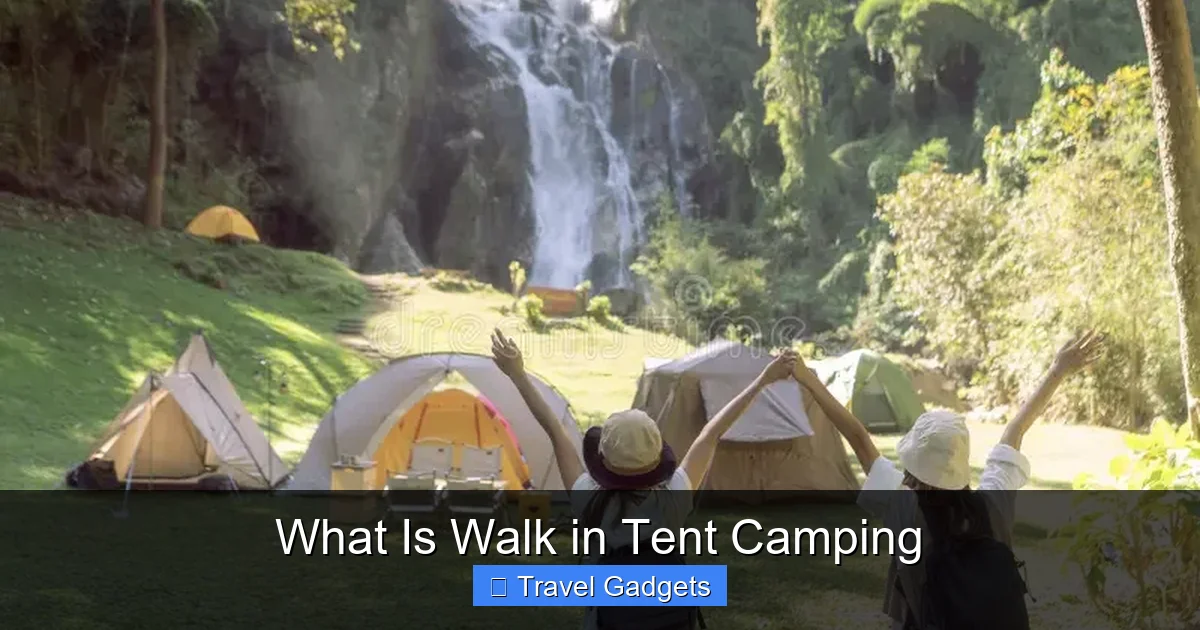
You might be wondering: “Isn’t all camping similar?” Not quite! There are several types of camping, and each offers a different kind of adventure. Let’s break them down so you can see where walk-in tent camping fits.
Drive-Up vs. Walk-In Camping
The biggest difference is access. In drive-up camping—like most RV parks or developed campgrounds—you pull your vehicle right to your site. Everything you need is within arm’s reach. With walk-in camping, you leave your car at a trailhead and carry everything else. This means lighter loads and more physical effort, but also greater freedom to explore untouched landscapes.
Find the Best Accommodation Deals
Compare prices from multiple booking platforms and find the best option for your stay.
Compare Hotel PricesBackpacking vs. Walk-In Tent Camping
Backpacking usually involves multi-day trips where you carry all your gear on your back, often using a bear canister or hang system for food storage. Walk-in camping can be a one- or two-night trip and may use a small daypack or internal-frame backpack. While both require planning, walk-in camping is often less strenuous and more accessible for families with younger kids.
Dispersed vs. Designated Camping
Walk-in tent camping often happens in dispersed camping areas—places outside official campgrounds in national forests. These areas don’t have designated sites, so you choose your own spot (as long as it’s legal). This gives you complete freedom to pitch your tent wherever feels right, whether it’s lakeside, meadowside, or beneath a grove of oaks.
Find the Best Accommodation Deals
Compare prices from multiple booking platforms and discover the best stay options available.
⭐ Trusted by thousands of travelers
💰 Budget to luxury options available
Why Choose Walk-In Tent Camping?
Visual guide about What Is Walk in Tent Camping
Image source: img.freepik.com
Best Stay Deals Available
Compare prices across top booking platforms and find the best deal for your stay.
Check Available RoomsSo, why go through the effort of carrying your gear and hiking to a campsite? The benefits are real—and worth it for many outdoor lovers.
1. Solitude and Peace
One of the top reasons people choose walk-in camping is quiet. Drive-up sites can feel busy, especially during peak season. But when you hike in, you’re likely the only person for miles. That sense of isolation is refreshing and deeply restorative.
2. Deeper Connection With Nature
When you carry your food, set up your tent, and gather firewood by hand, you become part of the ecosystem. You notice things you’d miss in a motorized campsite—the sound of wind through grass, the smell of pine, the way stars look different without light pollution.
3. Adventure and Challenge
There’s something satisfying about completing a hike and reaching your destination. It builds confidence and gives a great sense of accomplishment. Plus, the physical activity improves your health and energy levels.
4. Family-Friendly Fun
Walk-in camping isn’t just for adults. Kids love the adventure of packing their own mini backpack (with help) and choosing where to sleep. It teaches responsibility, teamwork, and respect for nature.
5. Cost-Effective and Eco-Conscious
Many dispersed camping areas are free or very low-cost. And because you’re not relying on infrastructure, your environmental footprint is smaller. You’re practicing Leave No Trace principles by default.
Essential Gear for Walk-In Tent Camping
Visual guide about What Is Walk in Tent Camping
Image source: thumbs.dreamstime.com
You wouldn’t go hiking without shoes, right? Same goes for walk-in camping. Here’s what you absolutely need to pack.
A Reliable Tent
Choose a lightweight, waterproof backpacking tent. Look for models with good ventilation and easy setup. For families, consider a 3- or 4-person tent with enough room for gear. Brands like REI Co-op, Big Agnes, and MSR make excellent options.
Sleeping System
This includes a sleeping bag rated for the season, a sleeping pad for insulation and comfort, and possibly a pillow. Down bags are warm and compressible, while synthetic ones handle moisture better.
Portable Stove
Don’t rely on open flames unless you know the regulations. A compact canister stove lets you cook meals quickly and safely. Bring extra fuel and a windscreen.
Water Filtration
Never drink untreated water from streams. Use a filter (like Sawyer Squeeze), purification tablets, or a UV purifier. Always fill containers before filtering.
Navigation Tools
A detailed map, compass, and GPS device or smartphone app (with offline maps) are must-haves. Know how to read terrain features to pick safe campsites.
Food Storage
In bear country, use a bear canister or hang your food pack high in a tree. Store all scented items together and away from your tent.
Emergency Kit
Include a first aid kit, headlamp with extra batteries, multi-tool, fire starter, and a whistle. A personal locator beacon (PLB) is optional but wise for remote areas.
Choosing the Right Location and Permits
Not every trail leads to a good campsite. Research is key.
Find Legal Campsites
Check with the U.S. Forest Service, BLM, or state park websites. Many national forests allow dispersed camping up to 1 mile from roads and trails. Never camp in fragile ecosystems like meadows or near wildlife habitats.
Understand Local Rules
Some areas require permits. Others limit group size or fire use. In bear-prone regions, food storage rules are strict. Ignoring these can lead to fines or harm to wildlife.
Consider Accessibility
For families with kids or beginners, pick trails under 5 miles round-trip with minimal elevation gain. Look for flat, dry ground near water but not too close to avoid flooding.
Practice Leave No Trace
Pack out all trash. Bury human waste in catholes (6–8 inches deep, 200 feet from water). Minimize campfire impact—use established fire rings only if allowed.
Tips for a Successful Walk-In Camping Trip
Even the best plans can go awry. Here’s how to stay prepared and enjoy the journey.
Start Early
Hit the trail early to avoid afternoon storms and heat. You’ll also have more daylight to set up camp comfortably.
Practice Before You Go
Do a short overnight trip to test your gear and build confidence. Make sure everyone knows how to pitch the tent and use the stove.
Pack Smart
Use stuff sacks to organize gear. Keep heavy items centered and close to your back. Wear your heaviest item (boots, jacket) on the hike to save energy later.
Stay Hydrated and Fueled
Drink water regularly, even if you’re not thirsty. Eat snacks high in carbs and protein to keep energy up during the hike.
Respect Wildlife
Keep a safe distance. Never feed animals. Store food properly to avoid attracting bears, raccoons, or other critters.
Be Weather-Wise
Check forecasts before departure. Sudden rain, snow, or wind can change a pleasant hike into a dangerous situation. Have a backup plan.
Leave It Better Than You Found It
Take photos instead of souvenirs. Repair any damage you caused. Your goal is to return the land exactly as you found it.
Conclusion: Embrace the Adventure
Walk-in tent camping is more than just a way to sleep under the stars—it’s an invitation to slow down, connect deeply with nature, and challenge yourself in beautiful ways. Whether you’re a seasoned hiker or a first-time camper with your family, this style of camping offers a unique blend of adventure, simplicity, and peace.
With the right preparation, a spirit of curiosity, and respect for the environment, your walk-in camping trip can be one of the most memorable experiences of your life. So lace up your boots, grab your backpack, and step into the wild. The path is waiting, and the journey begins with that first step away from the trailhead.
Frequently Asked Questions
Is walk-in tent camping safe for beginners?
Yes, with proper planning and gear. Start with shorter, easier trails and familiarize yourself with Leave No Trace principles. Always inform someone of your route and expected return time.
Can I bring my dog on a walk-in camping trip?
Yes, but check local regulations—some areas restrict dogs, especially in bear country. Keep your pet leashed and clean up after them to protect wildlife and other campers.
How far should I hike to find a good campsite?
It depends on your fitness level and the trail. Beginners may prefer 1–2 miles each way. The goal is to reach a safe, legal spot with flat ground and water access—not to push your limits.
Do I need a permit for walk-in camping?
Not always. Many dispersed camping areas in national forests are free and don’t require permits. However, some parks or high-use zones do, so always verify with local authorities before heading out.
What’s the best time of year for walk-in tent camping?
Late spring through early fall is ideal in most regions. Avoid monsoon seasons, extreme heat, or early snow. Check trail conditions and weather forecasts before your trip.
Can I use a regular tent for walk-in camping?
Yes, but a lightweight backpacking tent is better. Regular tents are heavier, bulkier, and harder to carry. They may also lack features like freestanding designs and rainfly coverage needed for backcountry comfort.