
Youth tent camping is an outdoor adventure tailored for kids and teens, combining fun with learning in nature. It’s more than just sleeping under the stars—it’s about building independence, teamwork, and a love for the outdoors. Whether it’s at summer camp or a family getaway, youth tent camping offers a safe, engaging way for young people to grow while having a blast.
Key Takeaways
- Youth tent camping is structured outdoor adventures specifically designed for children and teenagers.
- It promotes physical health, mental well-being, and essential life skills like problem-solving and leadership.
- The activities are age-appropriate, supervised, and focus on safety and fun.
- These camps often include hiking, games, crafts, and nature education.
- Parents appreciate the opportunity for their kids to disconnect from screens and reconnect with nature.
- Many programs offer both day and overnight options, making them flexible for families.
- Youth tent camping can be a gateway to future outdoor interests like backpacking or environmental stewardship.
📑 Table of Contents
- What Is Youth Tent Camping?
- Why Is Youth Tent Camping Important?
- Types of Youth Tent Camping Programs
- What Happens During a Typical Youth Tent Camping Experience?
- How to Prepare Your Child for Youth Tent Camping
- Benefits Beyond the Backpack
- Safety First: How Youth Tent Camping Stays Secure
- Choosing the Right Program for Your Child
- Conclusion: Investing in Tomorrow’s Adventurers
What Is Youth Tent Camping?
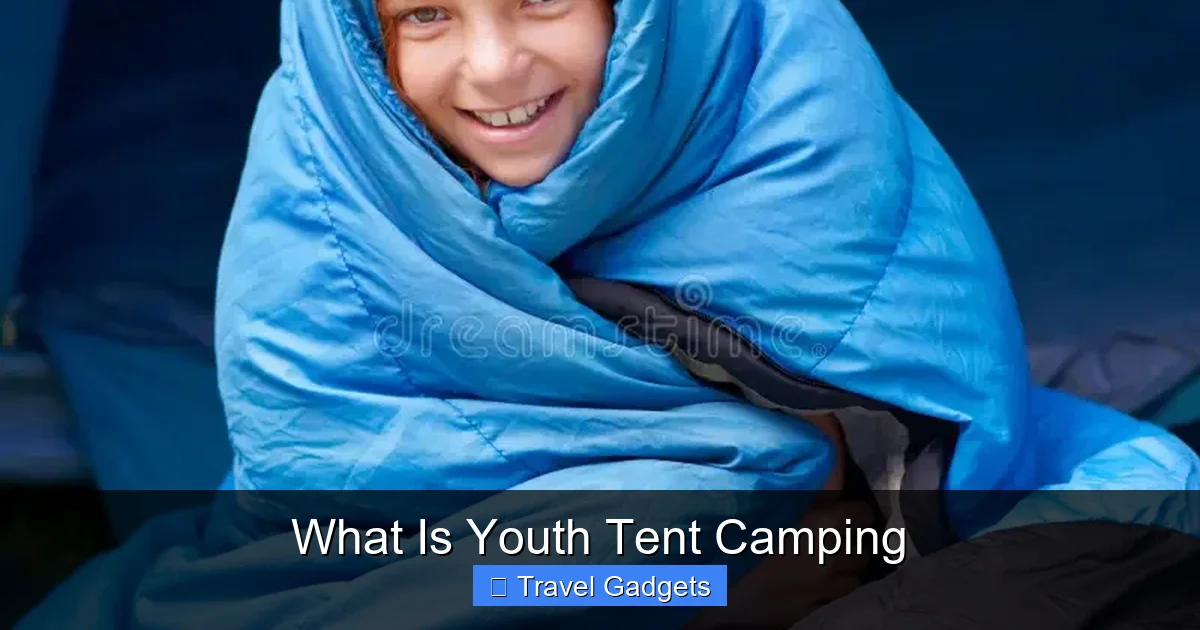
Imagine your child zipping up a bright blue sleeping bag inside a sturdy tent, surrounded by fireflies and the gentle crackle of a campfire. They’re not just playing—they’re learning, growing, and having the time of their lives. That’s the magic of youth tent camping. It’s an organized outdoor experience where kids and teens spend time sleeping in tents, usually under the guidance of trained counselors or camp leaders.
Check the latest prices and available rooms before they sell out.
Unlike casual backyard sleepovers, youth tent camping is structured, supervised, and designed with developmental goals in mind. These programs are found in summer camps, school trips, scout groups, and even community centers. The goal? To let young people explore the natural world while building confidence, teamwork, and resilience.
A Safe Space for Exploration
One of the biggest advantages of youth tent camping is that it provides a controlled environment where kids can take healthy risks. Climbing trees, navigating trails, or setting up a tent without parental help might seem daunting, but with proper supervision and encouragement, these experiences become empowering. Counselors are trained to support each camper, ensuring everyone feels safe and included.
Why Is Youth Tent Camping Important?

In today’s digital age, many children spend more time indoors than ever. Screen time has skyrocketed, and outdoor play has taken a backseat. That’s why programs focused on youth tent camping are more valuable than ever. They offer a much-needed break from technology and an opportunity to engage with nature, peers, and themselves.
Building Life Skills Through Adventure
Camping isn’t just about s’mores and songs around the fire. It’s a hands-on classroom where kids learn real-world skills. For example, setting up a tent teaches patience and attention to detail. Cooking meals over a campfire encourages responsibility and creativity. Even something as simple as packing a backpack properly can boost self-reliance.
Find the Best Accommodation Deals
Compare prices from multiple booking platforms and find the best option for your stay.
Compare Hotel PricesMental Health Benefits
Studies show that spending time in nature reduces stress, anxiety, and symptoms of ADHD. When kids are away from home, phones, and constant stimulation, they often return calmer and more focused. The rhythm of camp—waking with the sun, winding down by the fire—helps reset their internal clocks and minds.
Types of Youth Tent Camping Programs
Find the Best Accommodation Deals
Compare prices from multiple booking platforms and discover the best stay options available.
⭐ Trusted by thousands of travelers
💰 Budget to luxury options available
Visual guide about What Is Youth Tent Camping
Image source: thumbs.dreamstime.com
Not all youth tent camping is the same. There are several formats depending on age group, location, and goals. Here are the most common types:
Best Stay Deals Available
Compare prices across top booking platforms and find the best deal for your stay.
Check Available Rooms1. Overnight Summer Camps
These are the classic image: kids boarding a bus in the morning and returning home tired but happy in the evening. Summer camps offer full weeks of activities, including tent camping, swimming, sports, and arts. Many are located in forests, near lakes, or in mountainous regions for maximum outdoor immersion.
2. School-Based Overnight Trips
Field trips aren’t just for elementary school anymore. Middle and high schools often organize multi-day excursions where students set up tents, participate in team challenges, and learn about ecology or history. These trips reinforce classroom learning in a real-world context.
3. Scout and Outdoor Education Programs
Organizations like Boy Scouts, Girl Scouts, or 4-H host regular camping events. These emphasize skill-building, such as orienteering, knot-tying, and Leave No Trace principles. Scouting camps often involve earning badges, which adds a sense of achievement.
4. Family-Friendly Camping Events
Some parks and nonprofits host weekend camping events where parents and kids go together. These are less intense than traditional camps and focus on bonding. Activities might include nature scavenger hunts, stargazing, or wildlife observation.
What Happens During a Typical Youth Tent Camping Experience?

Visual guide about What Is Youth Tent Camping
Image source: sqbigcamp.com
A typical day at a youth tent camping program blends fun, learning, and routine. Let’s walk through what a day might look like:
Morning Routine
Kids wake up to birds chirping instead of alarms. After a quick breakfast (often made over a fire), counselors lead morning hikes, stretching exercises, or nature walks. This sets a positive tone for the day.
Activity Time
Activities rotate throughout the day. One afternoon might be canoeing on a lake. Another could be crafting nature journals or building shelters. Team challenges—like relay races or trust falls—help build camaraderie.
Lunch and Rest
Lunch is usually picnic-style or served in a dining hall. After eating, there’s often downtime. Some kids nap, others read or draw. This balance keeps energy levels steady and prevents burnout.
Evening Rituals
As sunset approaches, campers gather for dinner—think chili, cornbread, and hot cocoa. Then comes the highlight: storytelling, songs, or a campfire skit. Before bed, counselors do a safety check to make sure everyone is accounted for and settled in their tents.
Nighttime Safety
Safety is top priority. Lights are used only in designated areas. Counselors patrol the campsite regularly. Kids are taught to stay within boundaries and report any concerns immediately.
How to Prepare Your Child for Youth Tent Camping
If you’re considering enrolling your child in a youth tent camping program, preparation makes all the difference. Here’s how to get ready:
Pack the Right Gear
Make sure your child has a sleeping bag rated for the local climate, a flashlight, water bottle, and weather-appropriate clothing. Avoid cotton—opt for moisture-wicking fabrics. A small backpack helps them feel responsible for their belongings.
Talk About Expectations
Have an open conversation about what to expect. Explain that they’ll be away from home, using restrooms in nature, and sharing space with other kids. Reassure them that it’s okay to feel nervous—and that they’ll have support every step of the way.
Practice Skills at Home
Set up a tent in your backyard. Teach your child how to pack a backpack or light a candle safely. These small practices reduce anxiety and build confidence.
Pack Comfort Items
Allow one small comfort item—like a favorite stuffed animal or book—to help ease homesickness. Just remind your child that the camp staff will help them adjust if they feel overwhelmed.
Benefits Beyond the Backpack
The impact of youth tent camping extends far beyond a few nights in the woods. Here’s how it shapes young people long-term:
Leadership Development
When kids take turns leading hikes or organizing games, they gain leadership experience. They learn to listen, delegate, and inspire others.
Environmental Awareness
Exposure to nature fosters a lifelong respect for the environment. Many youth who attend camp later become involved in conservation efforts or outdoor careers.
Social Confidence
Making new friends in a low-pressure setting helps shy kids come out of their shells. Group activities encourage communication and cooperation.
Resilience and Adaptability
Camping forces kids to adapt to new situations—changing weather, unexpected bugs, or tough terrain. Each challenge builds emotional strength.
Safety First: How Youth Tent Camping Stays Secure
You might wonder: Is youth tent camping safe? Absolutely—when run properly. Reputable programs follow strict safety protocols. Staff are background-checked and trained in first aid. Campsites are chosen for stability and accessibility. Emergency plans are in place, and communication devices are available if needed.
Parents can also feel confident by choosing accredited organizations like the American Camp Association (ACA), which sets high standards for safety, staff training, and programming.
Choosing the Right Program for Your Child
With so many options, how do you pick the best youth tent camping experience? Consider these factors:
Age and Maturity Level
Some camps are designed for younger kids (ages 6–9), while others welcome teens (13+). Match the program to your child’s developmental stage.
Location and Setting
Do you want a rustic wilderness experience or something closer to home? Coastal camps offer ocean views; mountain camps provide elevation and cooler temps.
Program Focus
Is your child more into science, arts, sports, or general outdoor fun? Look for camps that align with their interests.
Staff-to-Camper Ratio
A lower ratio means more individual attention. Aim for at least one counselor per 5–7 campers.
Reviews and Accreditation
Read parent testimonials and check if the camp is ACA-accredited. Word-of-mouth recommendations from other families can also be helpful.
Conclusion: Investing in Tomorrow’s Adventurers
Youth tent camping isn’t just a trend—it’s a vital part of childhood development. In a world that often pulls kids toward screens and isolation, these outdoor experiences offer a breath of fresh air. They teach independence, nurture curiosity, and create bonds that last a lifetime.
Whether your child attends a week-long summer camp or a weekend family outing, the lessons learned in a tent under the stars are invaluable. So consider enrolling your child in a youth tent camping program—you might just spark a passion that lasts a lifetime.
Frequently Asked Questions
What age group is youth tent camping for?
Youth tent camping is typically for children and teenagers aged 6 to 18. Programs are often divided by age, with younger kids (6–9) and older youth (10+) attending separate sessions to ensure activities are appropriate and safe.
Is youth tent camping safe?
Yes, when led by trained staff and reputable organizations. Most camps follow safety guidelines, conduct background checks, and maintain low counselor-to-camper ratios to ensure a secure environment for all participants.
What should my child pack for youth tent camping?
Essentials include a sleeping bag, flashlight, weather-appropriate clothing, rain gear, water bottle, sunscreen, and personal hygiene items. Avoid heavy electronics—focus on comfort and practicality.
Can my child attend youth tent camping alone?
Yes, many camps allow children to attend independently, especially those aged 10 and up. This builds independence and responsibility. However, younger kids may require parental drop-off and pickup unless it’s a family camp.
How much does youth tent camping cost?
Costs vary widely depending on duration, location, and amenities. Day camps may range from $50–$150 per day, while overnight camps can cost $300–$800 for a one-week session. Scholarships and financial aid are often available.
What if my child gets homesick?
Homesickness is common but usually temporary. Counselors are trained to support campers through this by encouraging participation in activities, providing reassurance, and maintaining open communication with parents when needed.